
Birdwatching in Nepal Lowlands and Terai: Complete 2026 Guide (Best Places, Species and Tips)
 Sristi Adhikari
Do you know that Birdwatching in Nepal is growing rapidly among nature enthusiasts and wildlife photographers? If you are in Nepal and are travelling to the lowlands and Terai, then you can see resident and migratory birds, from rare storks and cranes to colorful kingfishers and hornbills flying over the fertile floodplains, wetlands, and grasslands of southern Nepal.
Nepal offers an unforgettable experience for both beginners and experienced birders when visiting different wildlife reserves and national parks or the lowland areas of Terai, Southern Nepal. In this blog, we will describe in detail the birdwatching in Nepal with location, species found, season to visit, and practical tips to follow:
What is Birdwatching?
Birdwatching, also known as birding, is the activity of observing birds in their natural habitats, which can be done for enjoyment, learning, or photography. It is a process of watching birds with the help of materials like binoculars, spotting scopes, or cameras while identifying different species based on their appearance, behavior, calls or sounds, and habitats.

You can observe many species of birds of Nepal in Terai as it is a home to more than 900 species of birds from colorful kingfishers and hornbills to rare species such as the Bengal Florican and Sarus Crane. Birdwatching in Nepal can be done no matter your experience and you will be able to enjoy rare species of birds but it requires enough patience.
Why Birdwatching in Nepal’s Lowland so Special?
The Terai region lies on the border of India and stretches across southern Nepal. It is composed of rivers, wetlands, grasslands, and sal forests, which offer an ideal habitat for many endangered and native bird species. Also, this habitat is the main visiting place for migratory birds of Siberia, Tibet, and Central Asia during winter. Terai region is considered best place for birdwatching in Nepal because of following things:
- It has diverse ecosystems, which make it the best habitat for waterbirds, grassland birds, and forest species.
- The Terai region is home to many protected national parks and wildlife reserves.
- It lies in the route of Seasonal migration.
- You can easily reach there as it has excellent road accessibility and a birding infrastructure.
Best Birdwatching Destination in Nepal: Lowlands and Terai
The Nepal lowland birding destinations are listed below:
Chitwan National Park
Chitwan National Park is one of the most famous wildlife destinations for birdwatching in Nepal. There are more than 540 species of birds which makes it one of the most popular birding sites in the Nepal. Chitwan National Park birdwatching make you encounter:
- Bengal Florican
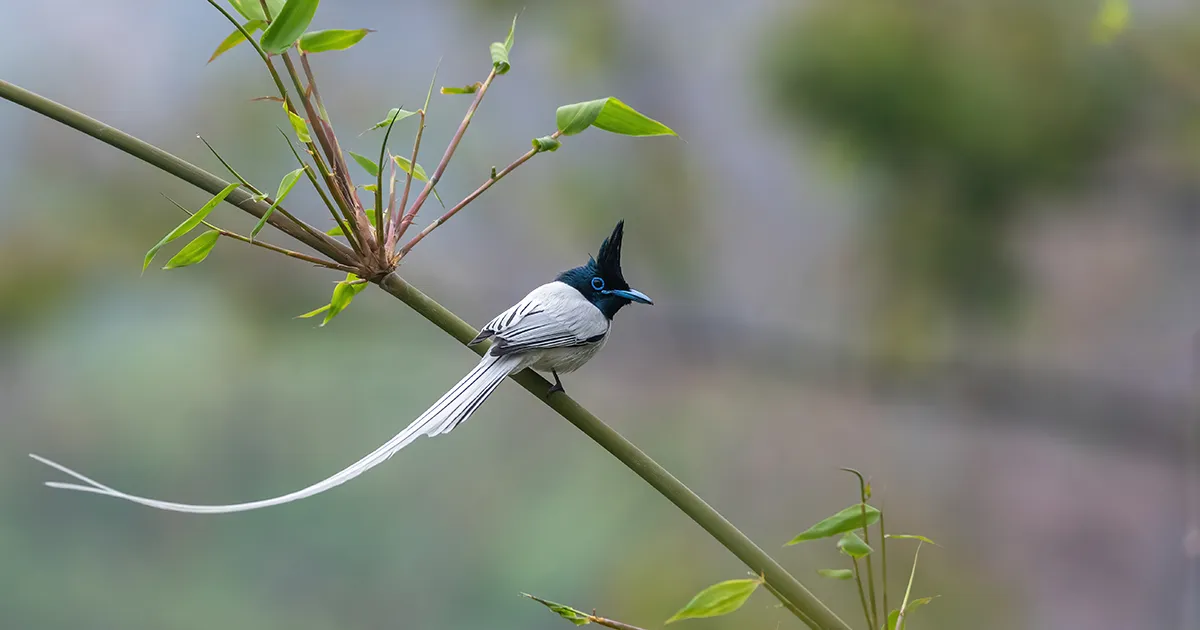
- Asian Paradise Flycatcher
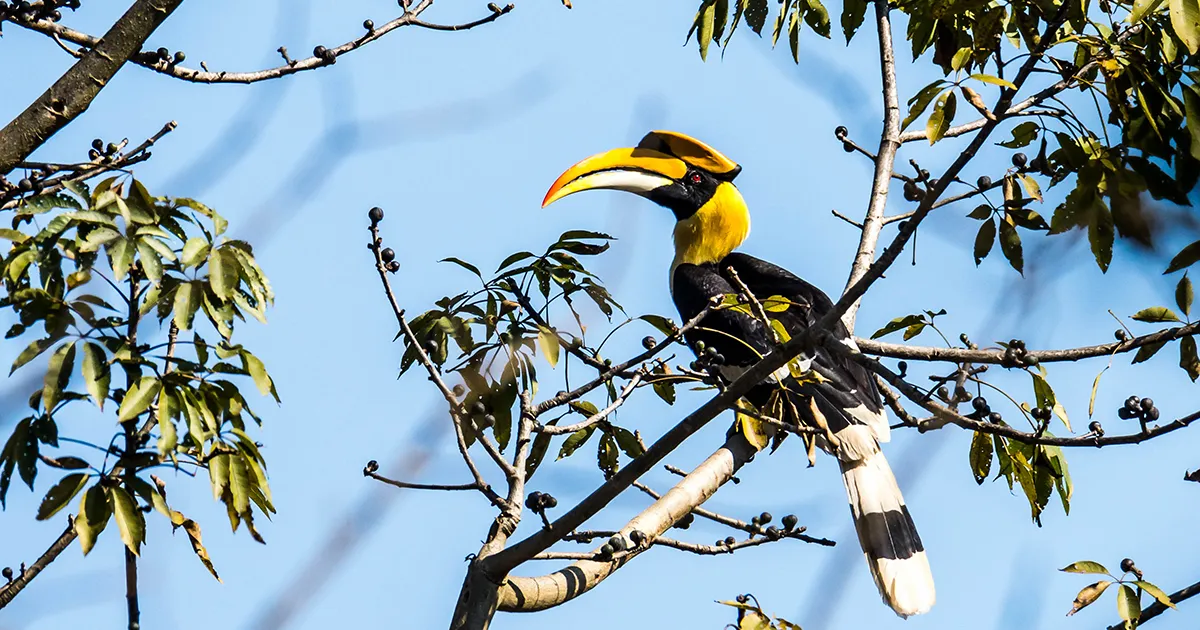
- Great Hornbill
- Lesser Adjutant Stork
- Various kingfishers and woodpeckers
Tips: We advised you to go for early morning canoe rides along the Rapti River. So, that you can spot many waterbirds and raptors in the riverbanks.
Koshi Tappu Wildlife Reserve
If you are a serious birder, we also suggest you to visit Koshi Tappu Wildlife Reserve as it is also considered best destination for birdwatching in Nepal. It is also known as Ramsar wetland site globally as it lies along the Koshi River floodplain.
The Koshi Tappu bird sanctuary Nepal recorded more than 485 bird species, and some of them are:
- Sarus Crane
- Black-necked Stork
- Swamp Francolin
- Bar-headed Goose
- Baer’s Pochard
If you are here in the winter season, you will see huge flocks of ducks and geese migrating from northern regions. This ultimate hotspot for bird watching also makes a photographer’s and wildlife enthusiasts’ paradise.
Bardiya National Park
Bardiya National Park is less crowded than Chitwan, but it is equally rewarding for bird-watching enthusiasts. It is the habitat of more than 400 bird species and you might see:
- Pallas’s Fish Eagle
- White-rumped Vulture
- Bengal Florican
- Lesser Fish Eagle
- Kingfishers

Shuklaphanta National Park
Shuklaphanta National Park is another underrated destination for birdwatching in Nepal, as vast grasslands and wetlands offer ideal habitats for grassland birds of more than 450 species. You can see migratory bird species in the wetlands in the winter seasons.
You may encounter even threatened birds, along with the following birds:
- Bengal Florican
- Finn’s Weaver
- Lesser Adjutant Stork
- Sarus Crane

Best Bird Species to Spot in the Terai
Some of the most iconic bird species you will encounter when doing birdwatching in Nepal are:
- Bengal Florican: It is one of the most endangered grassland birds of Terai.
- Great Hornbill: You can witness them in dense forest.
- Sarus Crane: It is the tallest flying bird in the world, encountered in the wetlands of Terai.
- Swamp Francolin: The bird is an endangered species.
- Black-necked Stork: It is a rare, threatened resident primarily found in lowland wetlands, marshes, and floodplains.
- Asian Paradise Flycatcher: It has a long tail, and its plumage makes it more beautiful.
- Bar-headed Goose: It is also known as Khoya Haans and is a winter visitor bird of native species of Central Asia and Tibet.
- Pallas’s Fish Eagle: It is an Endangered bird of prey that is found mainly in wetland habitats.
- Lesser Adjutant Stork: This bird, also known as Bhundifohor Garud, is a vulnerable, large wading bird found in the wetlands and lowland forests of Nepal.
Best Season for Birding in Nepal
Timing is crucial for a successful birding trip in Nepal’s lowlands and terai. No matter whether you are a researcher or just an occasional traveler, you will spot the best migratory and elusive birds in Nepal.
October to March (Best Season)
This month is considered the best season to do birding in the lowlands and Terai of Nepal, as it is the peak migration period, and more than a thousand waterbirds arrive from Central Asia and Siberia. The season offers pleasant weather and clear skies, which will be best for the travelers.
April to June
This is considered as the breeding season for many resident birds of Nepal. It is the best time to observe nesting behavior of bird species.
July to September
This is the monsoon season and you may experience heavy rainfall. You have to be well prepared for this season and during this time, bird activity remains high.
Essential Tips for Birdwatching in Nepal
If you are planning for birdwatching in Nepal, we suggest you to follow these practical tips for an unforgettable lifetime experience:
Start Early
You should always focus on an early morning walk, as birds are more active at the start of the day and at sunrise.
Hire a Local Bird Guide
You should always hire an experienced guides as they know all about the habitats and bird calls. They also help you spot rare bird species in their habitat.

Bring Proper Equipment
Having an essential gear will help you locate the bird and observe their activity in more details. You must have:
- Binoculars (8×42 or 10×42) for better balance and clarity
- Telephoto camera lens with extra zoom
- Field guidebook or bird identification app
- Neutral-colored clothing
Stay Quiet and Patient
Make sure to maintain peace, and you should have enough patience, as sometimes you have to stay in one place for sighting certain bird species. Do not make noise as it disturbs them, and they may fly away.
Respect Wildlife
You should do birdwatching in Nepal responsibly. Also, do not touch their nest and their young ones or eggs.
Final Thoughts on Birdwatching in Nepal
Birdwatching in Nepal’s Terai lowlands is an unforgettable adventure for nature and wildlife enthusiast. No matter where you are, exploring the wetlands of Koshi Tappu, the jungles of Chitwan, or the remote landscapes of Bardiya, you will get a sighting of unique and endangered bird species if you have enough patience.
Birdwatching in Nepal demands you to be quiet, hire a local guide and must have a proper equipment like binocular or camera lens for unforgettable sightings. You should book a birdwatching in Nepal in winter season as it is considered best season and thousand of waterbirds arrive from Central Asia and Siberia. Make sure to book a trip with Awesome Holidays Nepal so that you can get details on different species of birds as our guides are well experienced.
Turn your birdwatching dream into reality in 2026.
FAQs
Expand AllWhat birds can you see in Nepal's lowlands?
You can see birds species like Bengal Florican, Finn’s Weaver, Lesser Adjutant Stork, Sarus Crane, etc in Nepal’s lowlands.
Is Nepal good for birdwatching?
Yes. Nepal is good for birdwatching.
What is the best time for birdwatching in Nepal's lowlands?
October to March is the best time for birdwatching in Nepal’s lowlands.
How many bird species are found in Nepal's Terai lowlands?
There are 187 bird species in Nepal’s Terai lowlands.
Where are the best birdwatching spots in Nepal's lowlands?
The best birdwatching spots in Nepal’s lowlands is Koshi Tappu Wildlife Reserve, Chitwan National Park, and Bardiya National Park.
What are the rare and endangered birds in Nepal's lowlands?
The rare and endangered birds in Nepal’s lowlands are Bengal Florican, White-rumped Vulture, Lesser Adjutant, Great Hornbill, Sarus Crane, Red-headed Vulture, etc.
Is Chitwan National Park good for birdwatching?
Yes. Chitwan National Park is good for birdwatching.
What migratory birds visit Nepal's lowlands?
Migratory birds that visit Nepal’s lowlands are Bar-headed Goose, Ruddy Shelduck, Mallard, Common Teal, Northern Pintail, Gadwall, and various cranes.
Can beginners go birdwatching in Nepal's lowlands?
Yes. Beginners can go birdwatching in Nepal’s lowlands.
Do you need a guide for birdwatching in Nepal?
Yes. Having a guide for birdwatching in Nepal gives you better experience.
What birds are found in Koshi Tappu Wildlife Reserve?
Sarus Crane, Black-necked Stork, Swamp Francolin, Bar-headed Goose, Baer’s Pochard, etc are found in Koshi Tappu Wildlife Reserve.
Is Bardia National Park better than Chitwan for birdwatching?
Bardia National Park is better as it is more remote, intimate, and less crowded than Chitwan for birdwatching.
What birds can you see in Lumbini Nepal?
Lesser Adjutant, Indian Grey Hornbill, Black-headed Ibis, Purple Swamphen, and various ducks, along with storks, kingfishers, can be seen in Lumbini Nepal.
What wetland birds are found in Nepal's Terai?
Wetland birds that are found in Nepal’s Terai is Storks, Cranes, Ducks, Geese, Raptors and Fish-eating Birds.
How many days are needed for birding in Nepal lowlands?
If you plan 7 to 14 days, you can explore all the birding in Nepal lowlands.
Can you combine a jungle safari with birdwatching in Nepal?
Yes, you can combine a jungle safari with birdwatching in Nepal.
Do I need a permit for birdwatching in Nepal's national parks?
You will need National park entry permit for birdwatching in Nepal’s national parks.
Can you see hornbills in Nepal's lowlands?
Yes, you can see hornbills in Nepal’s lowlands.
What raptors are found in Nepal's Terai region?
Raptors like Vultures, Eagles, Kites, Buzzards , Falcons, Hawks, Owls, and Amur are found in Nepal’s Terai region.
What owls can be seen in Nepal's Terai forests?
Barn Owl (Tyto alba), Eurasian Eagle-Owl (Bubo bubo), Spot-bellied Eagle Owl (B. nipalensis), and Asian Barred Owlet (Glaucidium cuculoides) can be seen in Nepal’s Terai forests.
Related blog posts
Discover a choice of tourist destinations loved by most of our visitors. Whether you're on a jungle safari to spot rare animals or walking through a world heritage site, these well-planned itineraries cover the major highlights of Nepal.



 call an expert at: