
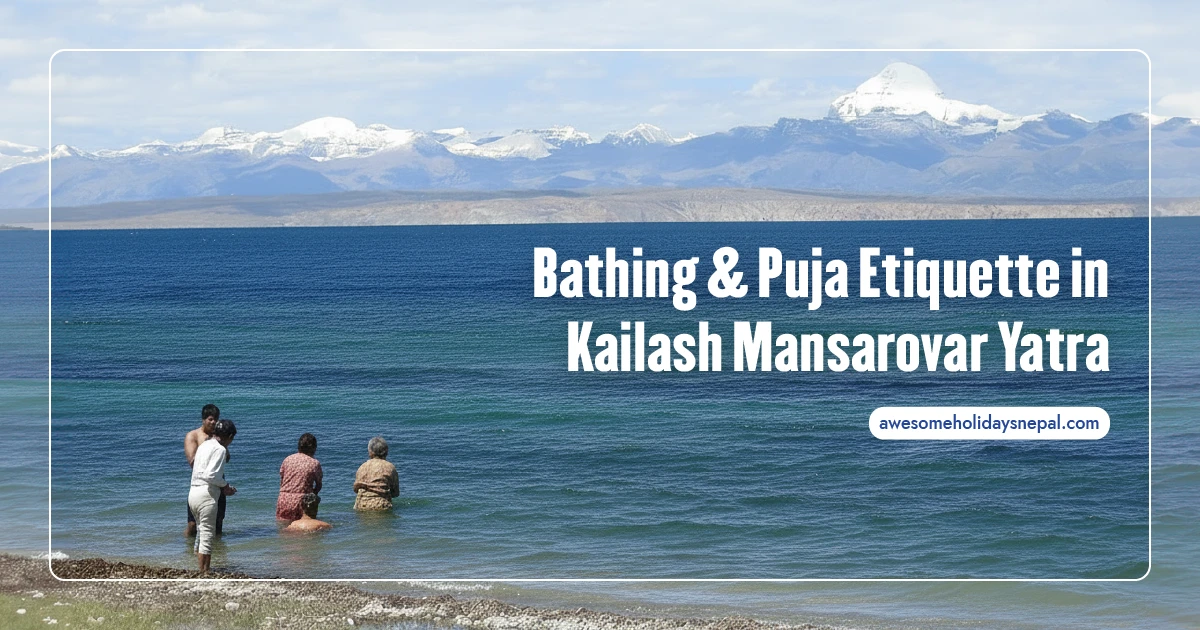
Bathing in Mansarovar: Spiritual Etiquette, Puja Rules, Dress Code and Privacy
 Amrit K. Aryal
There are journeys where your physical body travels, and there are journeys where something deep inside of you quietly shifts. Walking to Kailash and bathing in Mansarovar is a journey that changes you. This is not a sole physical journey but a journey of your mind and heart. The journey to Kailash and Mansarovar is not just an adventure trek but a movement within you toward silence.
One of Tibet’s most sacred lakes is Lake Mansarovar. At the edge of the lake, pilgrims arrive with hope, fear, devotion, and many unanswered questions from years past. Can we take a full dip or just dip our feet? What are the real rules for bathing in the Mansarovar that we must follow?
This blog provides an overview of the rules and regulations for bathing at the Mansarovar shore. Let’s discover the pilgrim etiquette, rules, dos and don’ts, permits, and the quiet discipline of this sacred ritual.
Understanding Mansarovar Bathing Rules
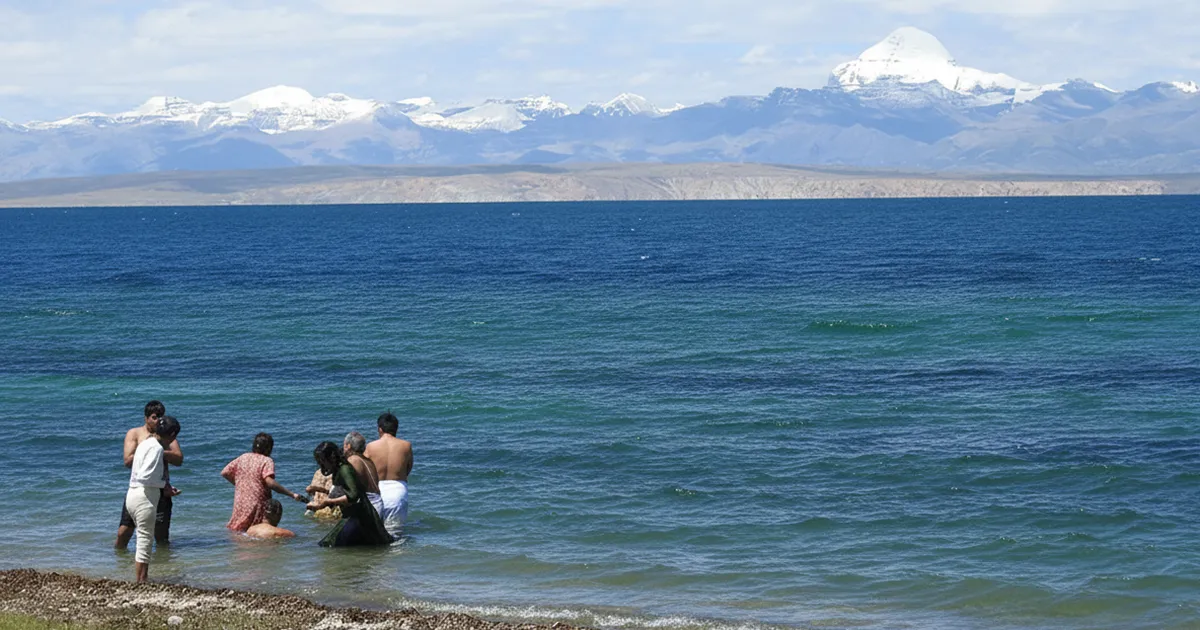
One of the biggest misunderstandings about the Mount Kailash pilgrimage is the bathing rules. Pilgrims are not encouraged to fully immerse or swim in Lake Mansarovar. Yes, this is a rule and etiquette one must follow around the Mansarovar lake. This ritual is practiced today as a symbol and an ethical practice to respect the divinity of the sacred lake.
Pilgrims in the Mount Kailash Mansarovar yatra usually follow the following:
- Collect water in a bucket, bottle, or small vessel
- Pour water gently over the head and body near the shore
- Wash hands, face, forehead, crown, and legs gently
- Some pilgrims even touch the eyes and chest with the holy water water to the eyes and chest.
The water of Lake Mansarovar is considered religious and sacred, and a few drops are believed to carry complete spiritual blessings.
Rules and Regulations
The Kailash Mansarovar Yatra takes place fully inside the Tibet Autonomous Region of China, and every movement is observed by the Chinese Army, with strict regulations. Pilgrims must follow both environmental and administrative rules.
The most important restrictions are to protect the divinity of the lake and the environment. Pilgrims are not allowed to do the following:
- Do not use shampoo, soap, or any chemicals to clean yourself that have a negative impact on the biodiversity of the lake.
- Take a bath only at the designated region on the shoreline.
- Do not stay on the water for a long time.
- Bring back all personal waste
- Do not disturb wildlife or shoreline
Follow the instructions of the guide and the local authority. Purification here is not about depth; it is about intention, respect, and responsibility.
Puja Etiquette at Mansarovar
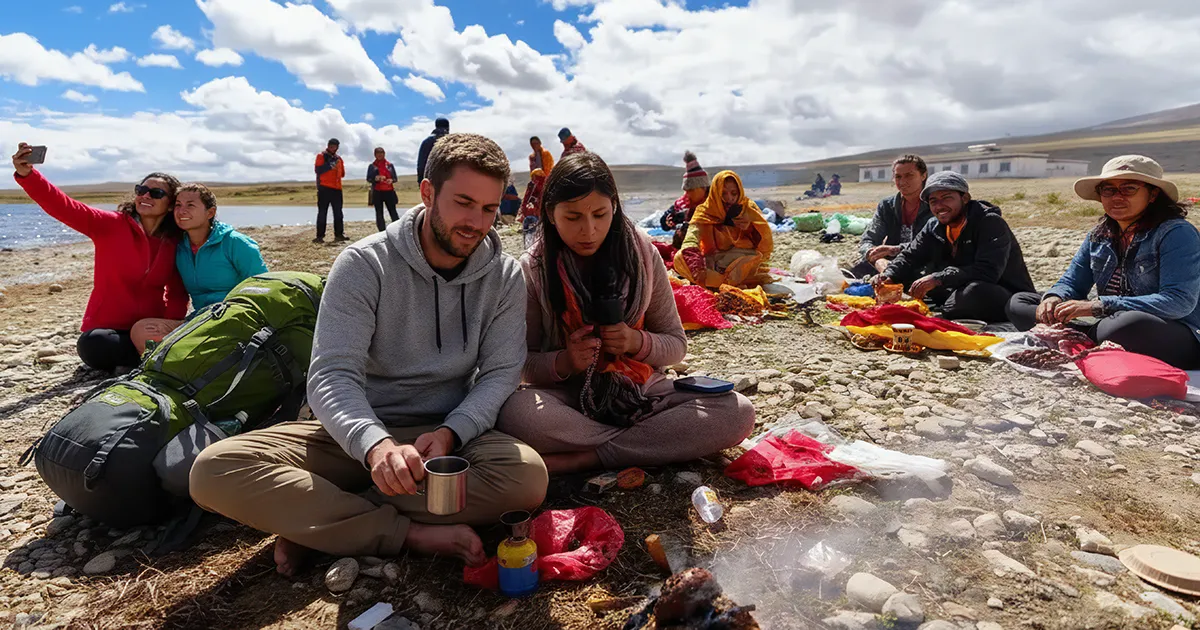
Bathing at Mansarovar and doing prayer are different. As per the Hindu practices, people need to take a bath before doing any religious and ancestral offerings. It is believed that taking a bath with cold water makes you fresh and opens up all the sense organs. During the Kailash Mansarovar Yatra, pilgrims often combine bathing with a simple puja and other rituals.
Common spiritual practices include:
- Chanting Om Namah Shivaya, Hara Hara Mahadev, or Om Mane Padme Hum.
- Offering a fistful of water from Mansarovar towards the sun and Mount Kailash.
- Remember the deceased member of the family, as well as ancestors, also known as Pitri Tarpan.
But what comes under boundaries?
- Open fire rituals or agni-havan are not permitted near the lake.
- Any sort of non-biodegradable offerings must not be left on the shore.
- Loud chanting, shouting, or disturbance is not tolerated.
Puja at Mansarovar is quiet, personal, inward. This is the heart of Kailash pilgrimage etiquette.
Why do people offer puja?
It is believed that the puja and offerings remove the obstacles, give a sense of accomplishment, and ensure the success of the journey. The offerings are also believed to correct any general problems and give profit in business, and removes freedom from Fear.
Abhishek of Lord Shiva at Mansarovar
People often do the abhishek of Lord Shiva at Kailash. This abhishek is supposed to do the following:
- Spiritual Purification of the soul, cleansing deep-rooted karmic impurities and negative energies.
- Blessings from Shiva and Parvati on the sacred shore of the abode of Shiva promote love, understanding, and stability in relationships and married life.
- The abhishekh is highly effective in pacifying major doshas like Kaal Sarp, Pitri Dosh, and Mangal Dosh, and is supposed to bring planetary balance.
- This divine puja brings blessings, fulfilling the desires related to wealth and children.
- This special puja also brings inner calm, reduces anxiety, and elevates consciousness to a higher spiritual state.
Dress Code for Puja and Bathing in Mansarovar
Kailash Mansarovar is a sacred place. Additionally, a lake is above 4500 m above sea level. It’s very cold there. As you put on your clothes, it is not for fashion. It is about respect and safety. The lake is sacred across all religions, Hindu, Buddhist, Jain, and Bon traditions. So, respect and modesty are expected from all pilgrims during the Kailash Yatra.
Recommended dress code for the Mansarovar puja:
- Modest swimwear
- T-shirt, kurta, or a covered upper garment that dries quickly
- Shawl, or scarf, helpful for women)
Avoid:
- Sleeveless or revealing clothes
- Transparent wet garments
- Casual tourist swimwear
Privacy Tips for Mansarovar Bathing
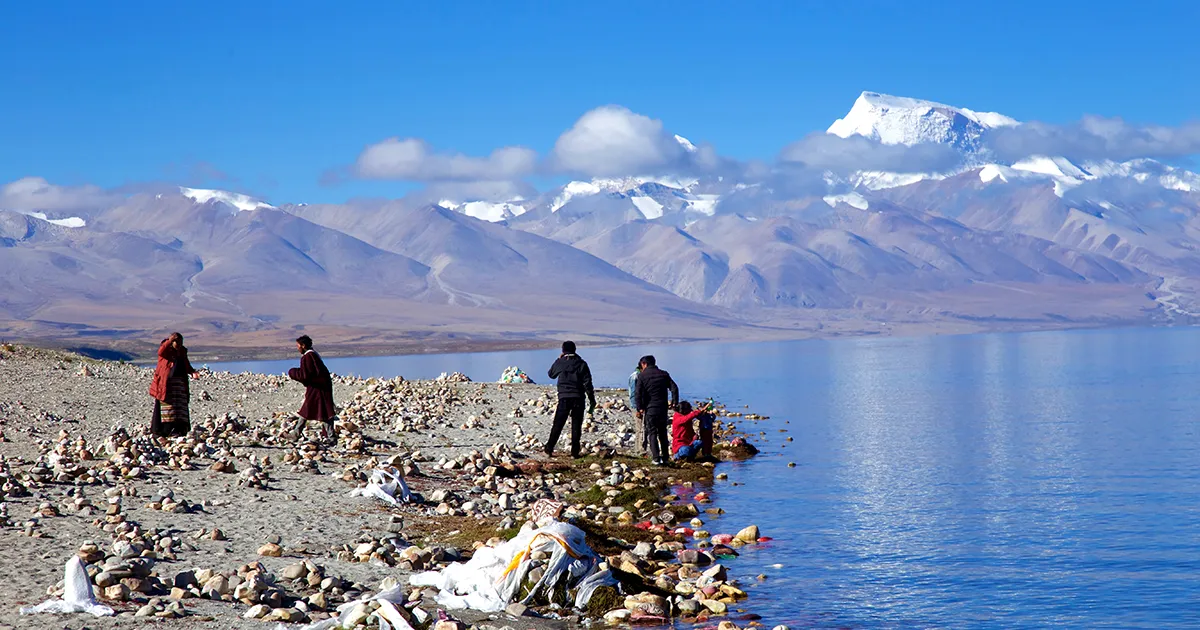
The privacy in the Mansarovar Lake is basic and very limited. The facilities during the Kailash Mansarovar are entirely dependent on your package and tour operator.
The changing rooms are not always available for private use.
- You might get a temporary shower or changing tents (not guaranteed)
- Many pilgrims use a shawl, a poncho, or layered clothing to change.
- Women often bathe in small groups for comfort and privacy
- Avoid Photography during bathing for privacy.
Secure dignity and non-staring are part of the unspoken Kailash pilgrimage etiquette.
Other Religious and spiritual etiquettes:
- Maintain silence and calm behavior
- Respect the traditions and religious beliefs of everyone, irrespective of their religion
- Avoid aggressive ritual display
Do not play loud music, do not shout, or do not chant loudly.
Critical Don’ts
- Do not play loud music, do not shout, or do not chant loudly.
- Do not fully immerse in freezing water
- Do not bathe if dizzy, breathless, or weak
- Do not leave ritual waste
- Do not photograph sensitive and private moments
- Do not stroll around alone
- Photography near military zones is forbidden
- Political discussions should be avoided
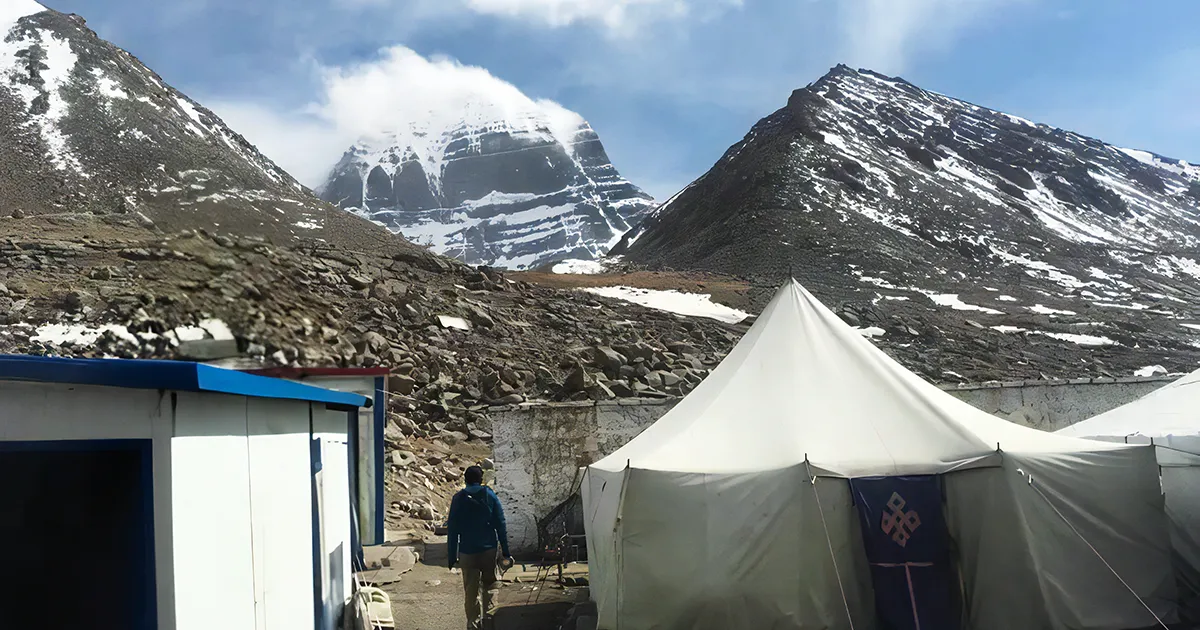
Tibet can not be travelled to without permits and a visa. You need a group visa applied for via a registered tour operator in Nepal.
Required Permits
- Chinese Group Visa (Tibet Visa)
- Tibet Travel Permit
- Alien Travel Permit
- Military Permit
Final Reflection
The Kailash Mansarovar Yatra is not about reaching a destination and just completing the Kailash kora. The trek is more about knowing yourself and inner cleansing.
Bathing in the Mansarovar is a sacred act to clean your body, mind, and soul. Let the cold water from the sacred lake open all your sense organs and prepare you for the spiritual journey of Mansarovar Lake.
FAQs
Expand AllIs bathing currently allowed for pilgrims?
Bathing or swimming directly in the lake water is not allowed for the visitors. The local authorities check this for the preservation of the biodiversity and preserve the lake’s sanctity.
Is a full-body holy dip permitted?
Immersion of the full-body in the lake is not permitted. Instead, pilgrims need to take out water in a Bucket and take a bath in the designated area, near the shore, or in tents.
Are there official restrictions on bathing at Mansarovar Lake?
Pilgrims can take a bath near the shore but are not allowed to dive or immerse fully in the lake.
What is considered respectful bathing?
A ritual cleansing of the body and mind using bucketed lake water, either in the designated tent or on the shore, is considered respectful.
Many pilgrims just sprinkle water over their heads, wash their hands and feet as a symbolic purification.
What is the spiritual significance of bathing?
Bathing in the sacred waters is thought to purify the soul, cleanse sins, and bring spiritual merit or blessings. This is a common practice in every religion.
What is the best time of day for a holy bath?
Early morning, during the sunrise, is considered spiritually auspicious for rituals and holy practices. But, Mansarovar Lake has some restrictions. Ask your guide about the exact time as per your schedule.
How cold is the water temperature at Lake Mansarovar?
Mansarovar Lake sits at a high altitude of 4,590 m, and the water is very cold, nearly close to freezing temperatures.
What should pilgrims wear while bathing?
Pilgrims must wear modest clothing covering the body, making others comfortable. Traditional attire like sari, kurta, dhoti are is common. Modern swim suit is not considered modest in religious places.
Are there separate areas for men and women to take bath?
There are typically no official gender-segregated bathing zones. Some guides might manage separate tents to bath.
Are there changing rooms or privacy arrangements near the lake?
Usually, formal changing rooms are not available. Pilgrims need to bring long towel, personal garments to make the changing comfortable. Some tour providers might manage private tents to change.
How can women maintain privacy while bathing at Mansarovar?
Use portable changing tents, shawls, or layered garments help to maintain privacy. Tour operators also manage private tents in Luxury packages.
Can elderly pilgrims or those with health issues skip bathing?
Pilgrims with health issues are not asked to bathe. They can simply wash their feet and hands to be spiritually active.
Are foreigners and non-Hindus allowed to bathe in Lake Mansarovar?
There is no distinguish rules for people of different religion. Every visitors can take a bath, meditate and be spiritually aware following the local rules and regulations.
What items are allowed for puja at Mansarovar Lake?
Pilgrims often offer flowers, holy water, and small offerings. One must keep the area clean and bring back the litter they make around.
Are flowers, lamps, or food offerings allowed in the lake?
You can offer them till the rituals. No offerings should be left inside or around the lake. Make sure nothing will pollute the water of the lake Mansarovar.
Is it allowed to collect holy water from Lake Mansarovar?
Yes, pilgrims can collect and bring small amounts of sacred water home. They can use small bottles to collect the water.
How to dispose of puja materials responsibly?
Use designated bins kept around the shore. Do not leave any offerings in the lake or throw waste on the ground, which pollutes the surroundings.
Is photography around lake Mansarovar allowed?
Photography is usually allowed in open areas, but always respect local customs and avoid capturing people in private moments or taking a bath. Also, watch out for the signboard.
How to dispose of puja materials responsibly?
Use designated bins kept around the shore. Do not leave any offerings in the lake or throw waste on the ground, which pollutes the surroundings.
Related blog posts
Discover a choice of tourist destinations loved by most of our visitors. Whether you're on a jungle safari to spot rare animals or walking through a world heritage site, these well-planned itineraries cover the major highlights of Nepal.

 call an expert at: