
Can You Trek to Annapurna Base Camp with Kids: A Practical Guide for ABC Trek with Family
 Sujata Pokhrel
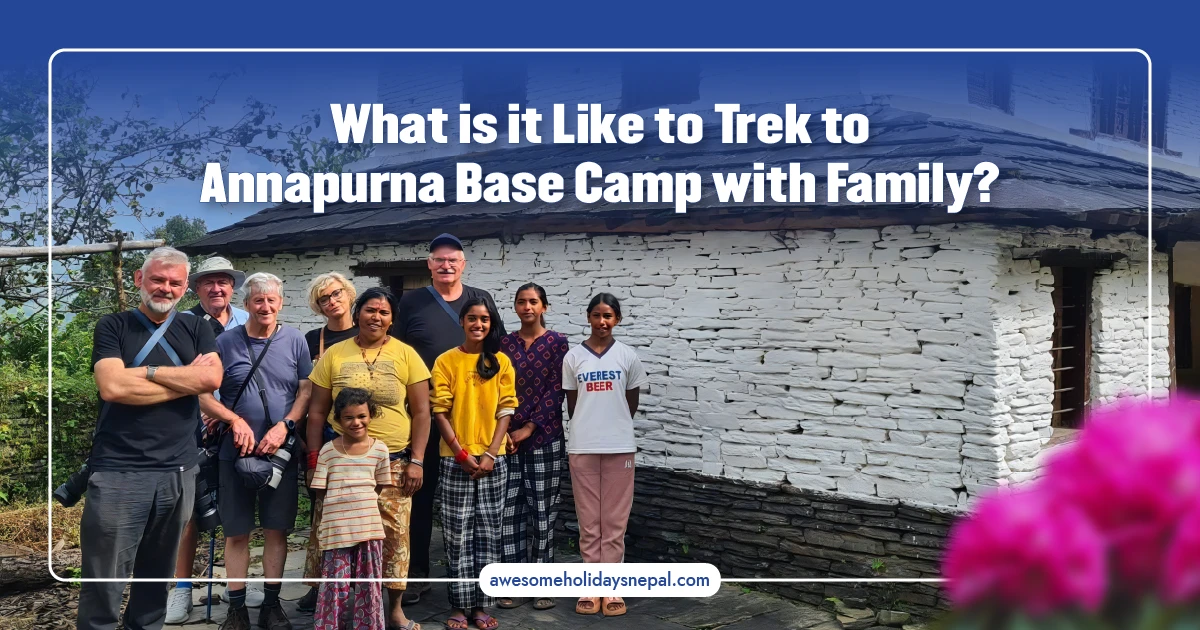
Is it impossible to trek to Annapurna Base Camp with kids? Well, it does sound impractical at first glance! High altitude, long walking days, and basic mountain lodges don’t exactly resemble a typical family vacation.
But here’s the truth: with thoughtful preparation, realistic pacing, and the right support, a family trek to ABC is not only possible but can be deeply rewarding. Many families have successfully stood together beneath the towering peaks of the Himalayas, proving that age is less important than planning and mindset.
The key lies in understanding the trail, respecting the altitude, and creating an itinerary that works for children rather than against them. When approached wisely, the journey becomes less about endurance and more about shared discovery.
Let’s go through the blog for the most practical guide to a fruitful trek to Annapurna Base Camp with kids.
ABC Trek Overview
The Annapurna Base Camp trek leads into the heart of the Annapurna region, culminating at an altitude of 4,130 meters. Surrounded by a dramatic amphitheater of Himalayan giants, the base camp offers one of Nepal’s most breathtaking mountain panoramas.
Unlike remote expeditions that require camping, ABC is a well-established teahouse trek. Families walk from village to village, staying in local lodges and enjoying freshly prepared meals along the way. The route passes through terraced farmlands, rhododendron forests, and traditional mountain settlements before gradually entering the stunning Annapurna Sanctuary.
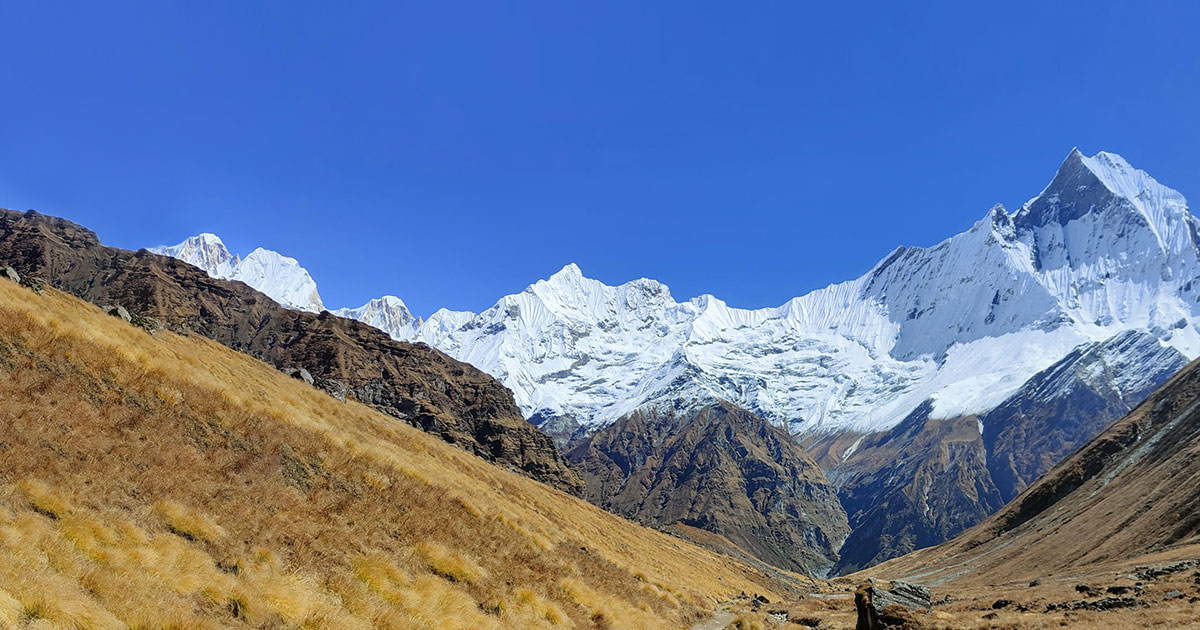
Typically completed in 7–12 days, the trek can be easily adjusted for families by extending the itinerary and allowing extra rest days. This flexibility is what makes ABC one of the more realistic high-altitude trekking options for adventurous families.
Is ABC Trek Suitable for Kids?
This is the question every parent asks first and rightly so. ABC is generally suitable for children aged 8 and above who are physically active and used to walking. Teenagers usually handle it very well. Younger children can complete the trek, but it requires extra planning and a flexible mindset.
There are two main considerations:
1. Altitude
At 4,130 meters, altitude is the biggest factor. Children can experience altitude symptoms just like adults. The key is slow ascent, hydration, and constant monitoring.
2. Daily Walking Hours
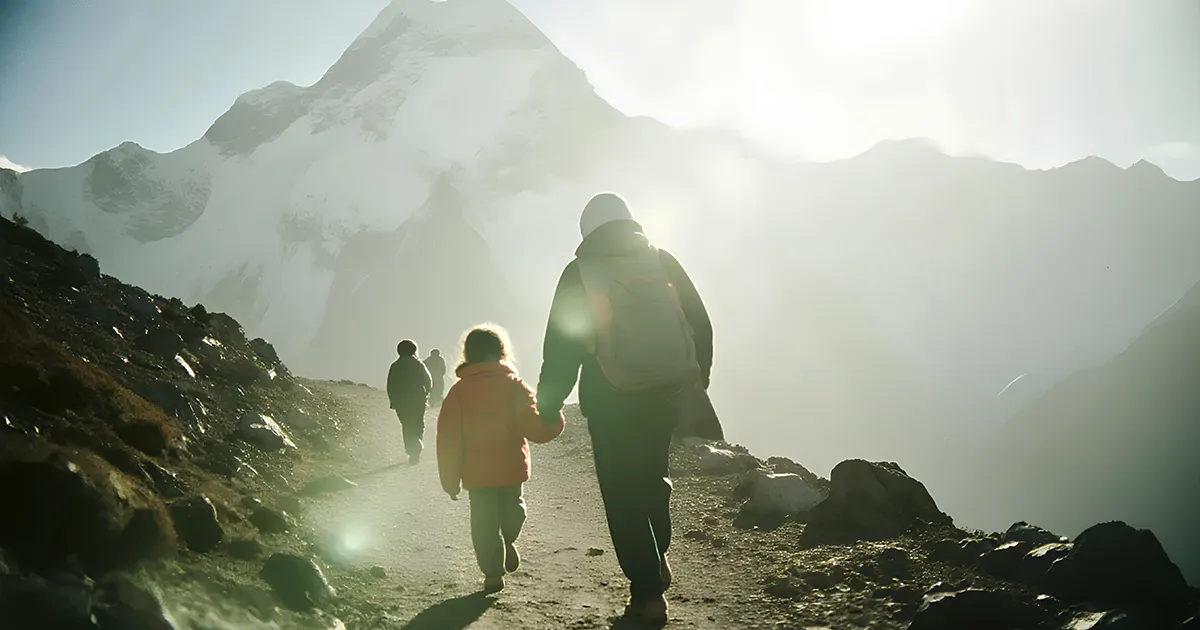
On average, families should expect 4–6 hours of walking per day. Some sections involve long stone staircases and gradual uphill climbs, especially near Chhomrong and Deurali.
The good news? ABC is not technical. There is no climbing, no ropes, and no exposed ridges. It is a steady mountain walk.
Trekking to Annapurna Base Camp with Kids
Trekking to Annapurna Base Camp with children is not just about adjusting the pace, it’s about adjusting the mindset. When trekking with friends, the goal is often to reach the destination efficiently. With kids, however, the journey itself must become the highlight.
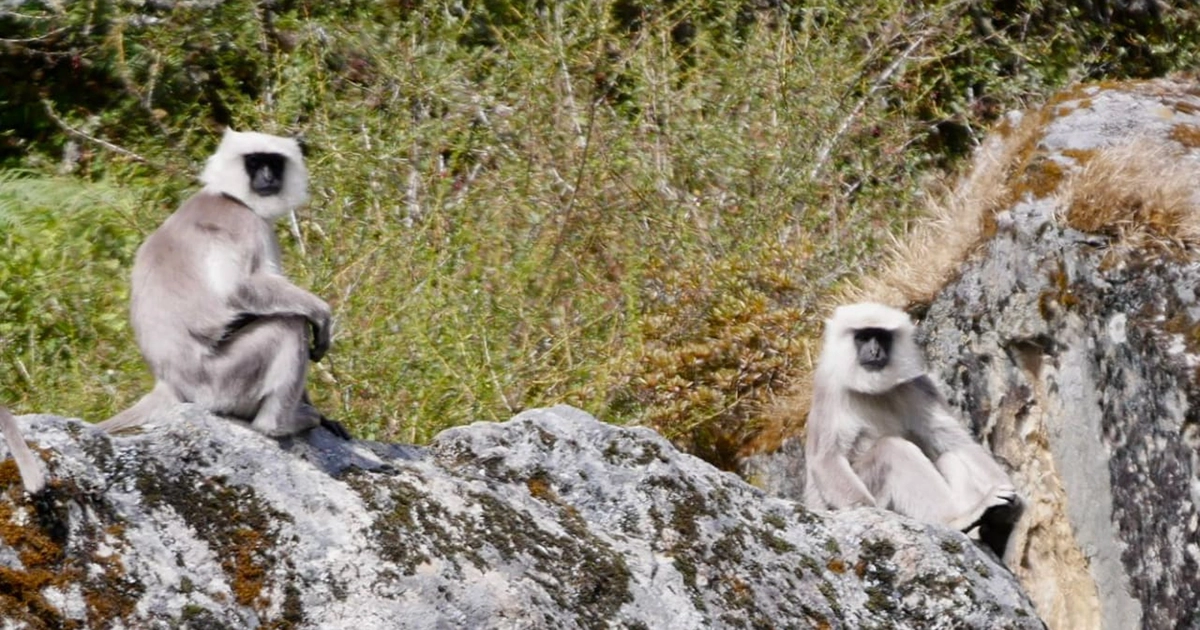
Children experience the trail differently. They notice butterflies, birds, and different animals in the forest, unusual-shaped rocks, prayer flags fluttering in the wind, and mountain dogs resting in village courtyards. If rushed, they tire quickly and lose enthusiasm. If given space, they thrive.
Here’s how you can make it seamless:
- Prepare your kids mentally before actually beginning the trek
- Add extra rest days between trek days to prevent exhaustion and allowing the kid’s body to adjust
- Keep daily trek distances shorter with frequent pauses at teahouses
- Begin the trek early in the morning to allow that flexibility to slow down if required
- Allow time for breaks and let children take a pause to observe the surroundings
- Make the trek feel like am adventure by celebrating small milestones
What Makes ABC a Great Family Adventure?
Despite the physical effort and occasional discomfort, the journey to Annapurna Base Camp offers families something far more meaningful than a typical vacation. It creates shared stories, quiet bonding moments, and a sense of accomplishment that few experiences can match.
Here are certain things that make ABC trek with kids phenomenal:
1. Cultural Interaction
One of the most enriching aspects of the trek is the opportunity to witness daily life in Himalayan villages. Children see terraced farms carved into steep hillsides, women weaving baskets, and farmers tending livestock along the trail.
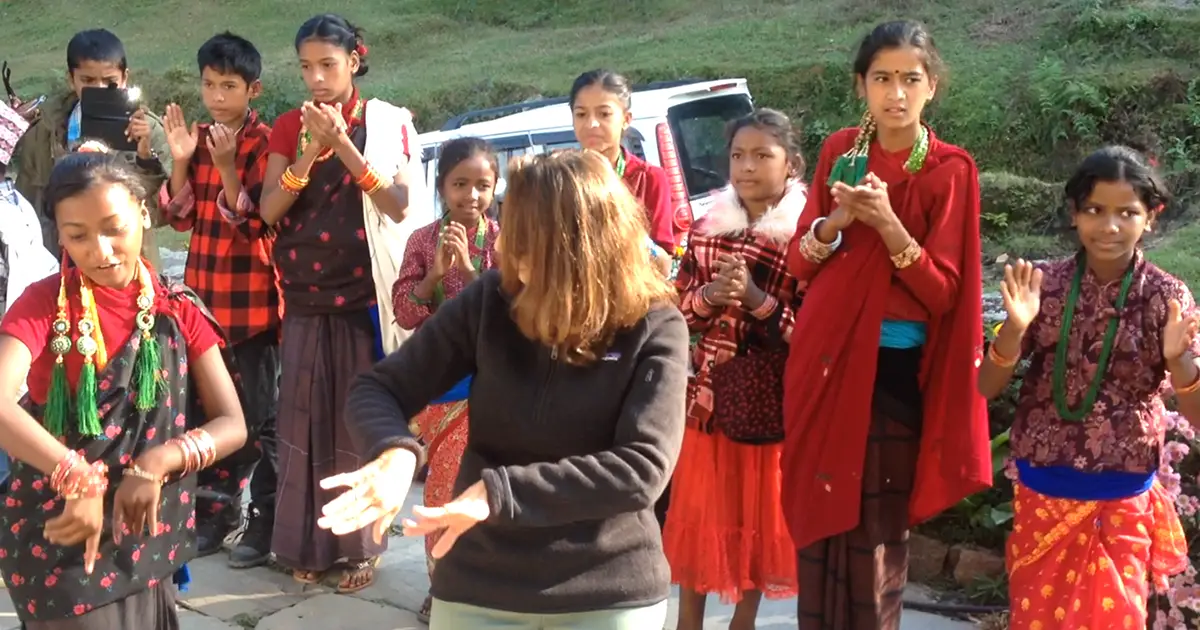
In villages like Chhomrong, families are introduced to Gurung culture and genuine mountain hospitality. Staying in locally run teahouses allows kids to observe how meals are prepared, how supplies are carried up the mountains, and how communities thrive in remote terrain
2. Changing Landscapes
ABC trail is never monotonous. It moves through lush rhododendron forests, bamboo groves, cascading waterfalls, and eventually into the dramatic Annapurna Sanctuary amphitheater. For kids, this variety keeps the journey exciting.
3. A Sense of Achievement
There is something powerful about reaching base camp together. After days of steady walking, families stand side by side beneath towering mountains, realizing they have accomplished something significant as a team.
Watching the early morning sun illuminate snow-covered peaks, feeling the crisp mountain air, and sharing that quiet moment of pride becomes a memory children carry for years.
4. Educational Value
The Himalayas transform into a living classroom. Children learn about altitude and how the body adapts. They observe how climate changes with elevation.
They understand geography not from textbooks, but from the landscape unfolding before them. These lessons, absorbed naturally along the trail, often stay with them long after the trek ends.
Basics for ABC Trek with Family
With kids, managing the basic amenities for you adventure can be a little difficult. Here’s how you can make it easier:
Food and Accommodation for Families
One of the biggest concerns parents have before committing to the Annapurna Base Camp trek is simple: What will we eat, and where will we sleep? The reassuring news is that the ABC route is well-established, and teahouses along the trail are accustomed to hosting families from around the world.
Food in the mountains is simple, fresh, and filling. The most common dish is dal bhat, a wholesome combination of rice, lentil soup, and seasonal vegetables. It is warm, nutritious, and ideal for refueling after long walks. Beyond dal bhat, most teahouses offer a surprisingly varied menu, especially at lower elevations.
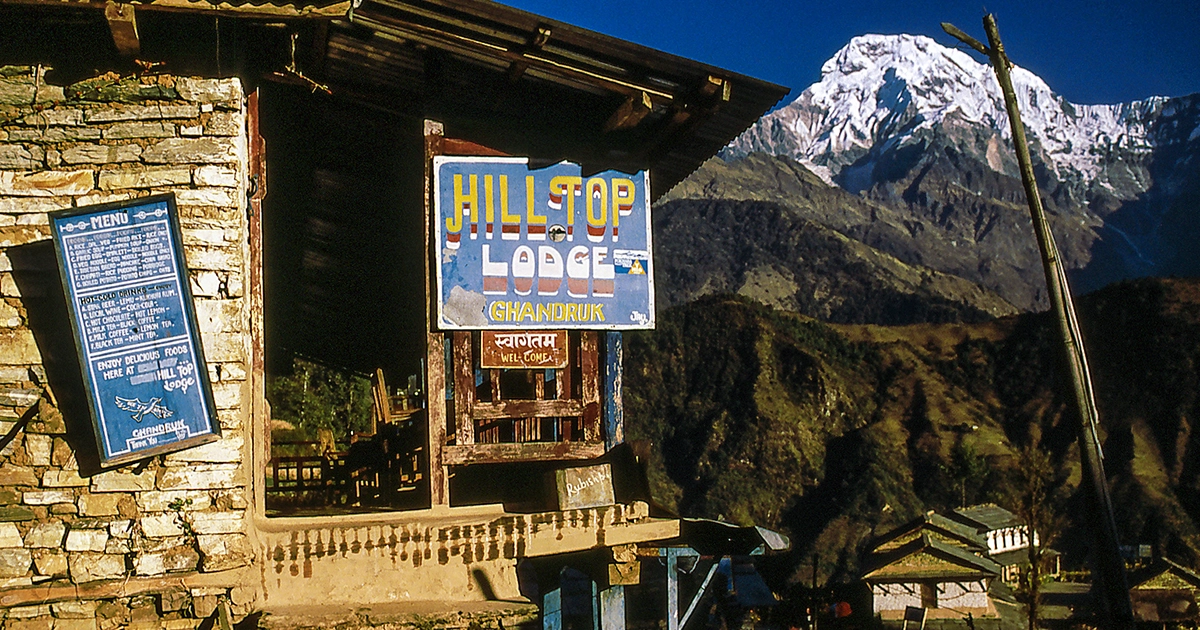
Accommodation along the ABC route is basic but comfortable. Families typically stay in twin-sharing rooms with wooden beds, foam mattresses, pillows, and blankets provided by the lodge. Bringing warm sleeping bags for children is highly recommended, especially at higher elevations where nights can be cold.
While teahouses are not luxurious, they are warm, welcoming, and safe. Many are family-run businesses that take pride in caring for their guests. Children often enjoy interacting with lodge owners, playing with local kids, or sitting near the stove in the evening listening to trekking stories
Best Time to Do the ABC Trek with Kids Key- Challenges
When trekking with children, timing is not just important, it can shape the entire experience. Choosing the right season means better weather, clearer mountain views, safer trail conditions, and a more enjoyable journey for young trekkers.
While the Annapurna Base Camp trek is technically open year-round, two seasons stand out as the most family-friendly: spring and autumn.
Spring Season (March to May)
Spring trek of Annapurna brings life and color back to the mountains. Forests along the trail burst into bloom with vibrant rhododendrons, Nepal’s national flower. The lower hills feel fresh and green, and waterfalls flow energetically from melting snow. Temperature is moderate during spring making it warm enough for comfortable walking.
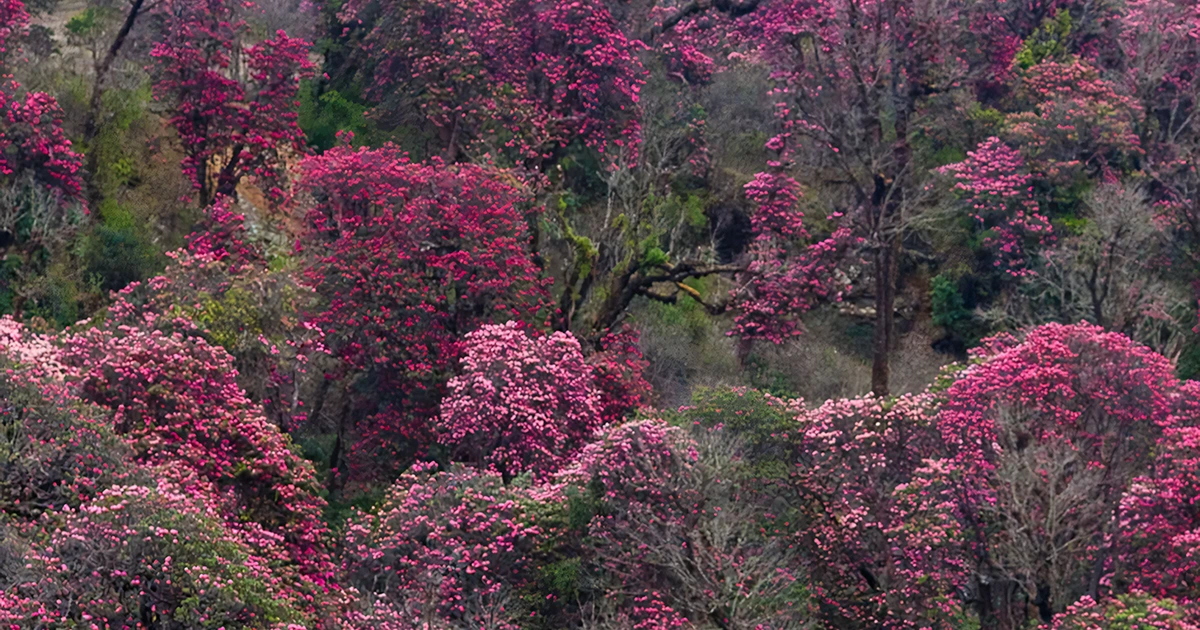
For children, spring is visually stimulating. The changing colors, blooming flowers, and active birdlife make the trail feel lively and engaging.
Autumn Season (September to November)
Autumn is often considered the best overall season for trekking in the Annapurna region. After the monsoon rains clear the dust and haze from the air, the skies turn deep blue and visibility becomes exceptional. Mountain views during autumn are typically sharp and uninterrupted. The air feels clean, and daytime temperatures are ideal for long walks.
For families, autumn offers reliability. Trails are dry, river levels are stable, and the weather is generally consistent. The clear views of the Annapurna massif provide children with a dramatic and unforgettable Himalayan backdrop.
Hire a Reliable and Knowledgeable Guide
When trekking with children, hiring a professional guide is strongly recommended. A proficient guide will monitor altitude symptoms, adjust pace based on children’s energy levels, and manage logistics as well as emergency situations on their own.
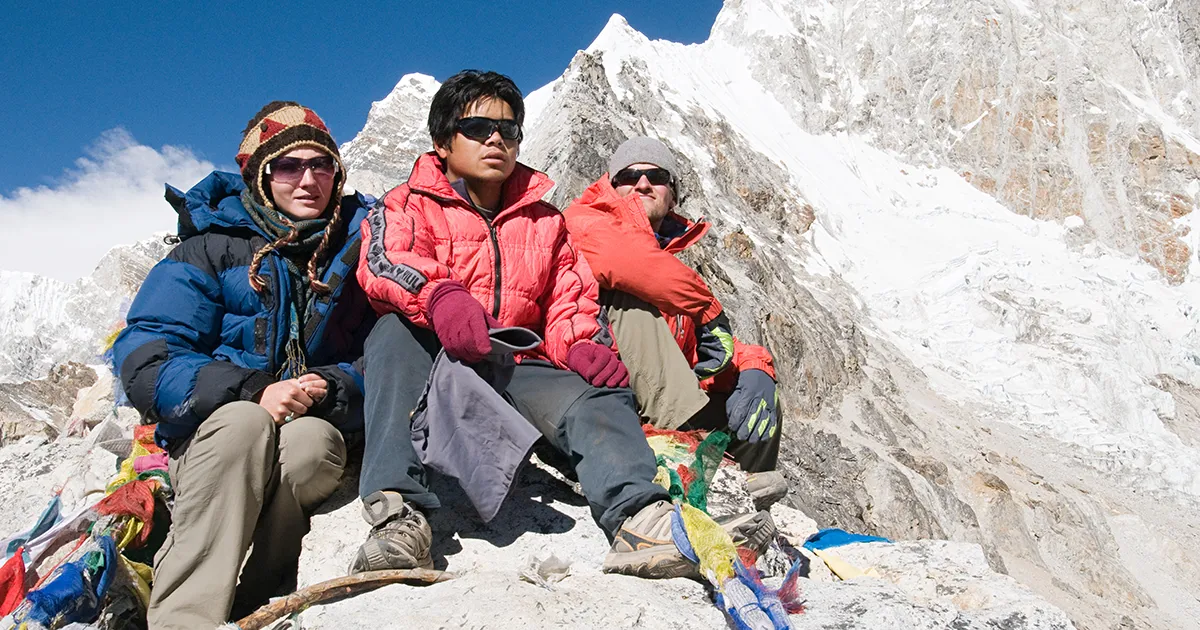
Porters also make a big difference. When parents are not overloaded with heavy backpacks, they have more energy and patience to support their kids. Local guides understand the terrain, weather patterns, and community networks along the trail. That local knowledge becomes invaluable in the mountains.
Family-Friendly ABC Trek Itinerary
A family-friendly ABC trek itinerary is quite flexible and here’s what it looks like:
Day 1–2: Arrival in Pokhara and drive to trailhead
Day 3: Trek to Chhomrong
Day 4: Trek to Bamboo
Day 5: Trek to Deurali
Day 6: Trek to Annapurna Base Camp
Day 7: Sunrise at ABC, descend to Bamboo
Day 8: Trek to Jhinu Danda (hot springs optional)
Day 9: Return to Pokhara
Safety-tips for Trekking ABC with Children
When trekking to Annapurna Base Camp with kids, safety is not just a guideline, it is the foundation of the entire journey. The mountains are beautiful, but they demand respect. With children, thoughtful decision-making becomes even more important.
Follow these safety tips for a flawless experience:
- Walk slowly and steadily
- Encourage frequent hydration
- Watch for headache, nausea, unusual fatigue
- Avoid pushing children beyond their limits
- Carry basic medicines suitable for kids
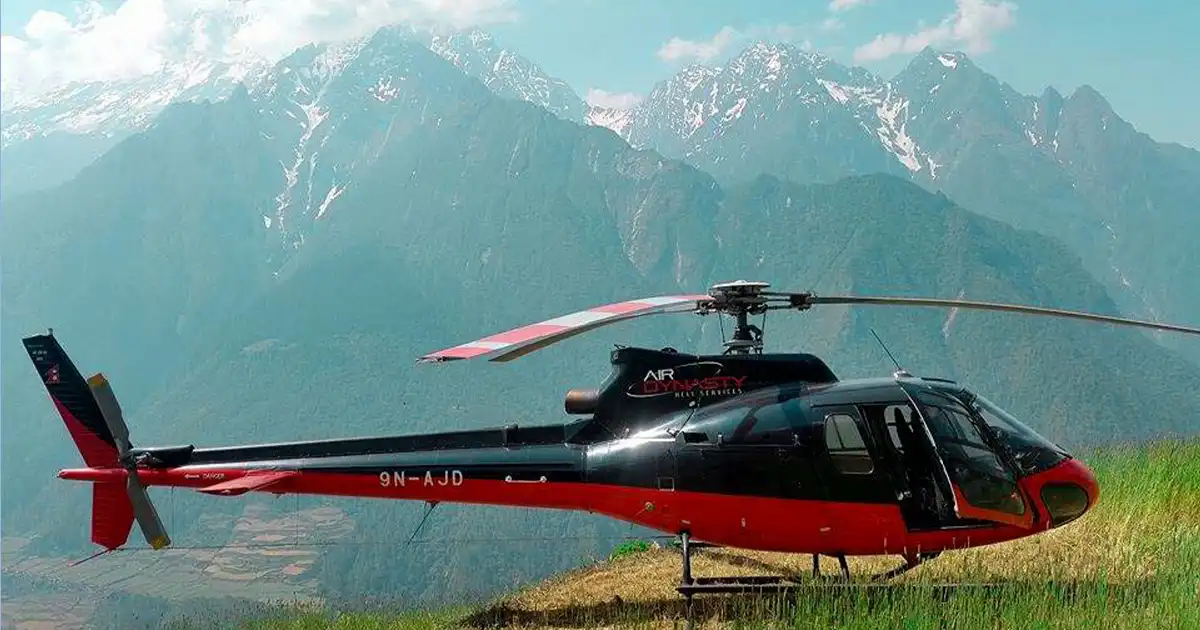
- Purchase travel insurance with helicopter evacuation coverage
Be Relaxed with a Proper Planning
So, can families do the ABC trek?
Yes, absolutely! With preparation, patience, and the right support system, the Annapurna Base Camp trek can become a powerful shared adventure.
It is not the easiest holiday. There will be cold mornings, tired legs, and moments of doubt. But there will also be laughter on forest trails, shared bowls of hot soup after long walks, and the unforgettable sight of Himalayan peaks glowing at sunrise.
For active families seeking something deeper than sightseeing, ABC offers connection, not just to nature, but to each other.
FAQs
Expand AllCan families do Annapurna Base Camp?
Yes, families can complete the Annapurna Base Camp trek with proper planning and a flexible itinerary. It requires patience, slower pacing, and good preparation, but many active families successfully reach base camp together.
Is Annapurna Base Camp suitable for kids?
ABC is generally suitable for children aged 8+ who are physically active and comfortable walking several hours a day. Teenagers usually adapt well, especially with gradual altitude gain.
What makes ABC difficult for children compared to adults?
Long stair sections, consecutive walking days, cold mornings, and altitude can feel more challenging for children. They may also struggle to clearly express fatigue or discomfort.
How high is Annapurna Base Camp?
Annapurna Base Camp sits at about 4,130 meters (13,550 feet).
How many hours per day do you typically walk on the ABC short trek?
You typically walk around 4–6 hours per day on the ABC short treks, depending on pace and rest breaks
How long is the ABC short trek?
The short ABC trek covers roughly 65–75 kilometers round trip.
What are common symptoms of altitude sickness to watch for?
The common symptoms of altitude sickness to watch for include headache, nausea, dizziness, unusual tiredness, poor appetite and insomnia.
What’s the safest first response if altitude symptoms get worse?
The safest response is to descend immediately and seek medical assistance if needed.
Can children get altitude sickness?
Yes, children are just as vulnerable to altitude sickness as adults.
How can families reduce altitude risk on ABC?
Families can reduce risk by ascending slowly, staying hydrated, avoiding overexertion, and adding rest days.
Do you need acclimatization days on ABC with kids?
While not always mandatory, adding at least one acclimatization or rest day is strongly recommended for families.
What is “climb high, sleep low” and does it help?
Climb high, sleep low” means gaining elevation during the day but sleeping lower. It can help the body adapt more gradually.
What is the TIMS card and where is the official info?
The TIMS, also called the Trekkers’ Information Management System) card is a trekking registration document issued through the Nepal Tourism Board and the Trekking Agencies’ Association of Nepal.
Do children need permits for trekking in Nepal?
Yes, children generally require conservation permits such as ACAP. Families should confirm current rules with the Nepal Tourism Board before traveling.
What is ACAP and why is it relevant to Annapurna treks?
ACAP stands for Annapurna Conservation Area Project, managed by the National Trust for Nature Conservation. Since ABC lies within this protected area, an ACAP permit is required.
Where can permits be processed/verified online?
Permit details can be verified through official platforms of the Nepal Tourism Board and related conservation authorities.
Are guides required in Nepal?
Guide regulations can change. Families should check current requirements before traveling, as policies are updated periodically.
If guides are required, what does that mean for family planning (pace/safety/logistics)?
A licensed guide improves safety, helps monitor altitude symptoms, and manages logistics, making the trek smoother for families.
Should families hire a porter to reduce load for kids?
Yes, hiring a porter reduces physical strain on parents and allows them to focus on supporting their children.
What is teahouse accommodation like for families?
Teahouses provide simple twin rooms, shared bathrooms, and warm dining areas. They are basic but comfortable.
Can you get private rooms on the ABC route?
Private rooms are often available in lower villages but become limited at higher elevations and during peak season.
What food options are usually available for kids on teahouse treks?
Kids can usually choose from rice and lentils, noodles, pasta, pancakes, eggs, soups, and potatoes. Menus become simpler at higher altitudes.
What’s the best time of year for ABC with kids?
Spring and autumn in the Annapurna region offer the most stable weather and clear mountain views, making them ideal for families.
Is monsoon season safe for families on ABC?
Monsoon brings heavy rain and slippery trails, so it is generally not recommended for families with young children.
How cold can nights feel at higher villages and base camp areas?
Nights can feel very cold above 3,000 meters, so proper layering and warm sleeping gear are essential.
What should be on a family-first-aid kit for a teahouse trek?
A family kit should include basic pain relief, oral rehydration salts, blister care, bandages, child-appropriate medication, and any personal prescriptions.
What should parents do if a child refuses to walk mid-trek?
Parents should stay calm, allow rest breaks, offer snacks, and shorten the day if needed. Having a flexible backup plan is important.
How should families train before ABC?
Families aegular stair climbing, day hikes, light backpack practice, and general cardio exercise help build endurance before the trek.
What should you pack specifically for kids?
Pack warm layers, a down jacket, waterproof outerwear, a good sleeping bag, comfortable trekking shoes, snacks, and a small comfort item.
Is ABC better than Everest Base Camp for families?
Compared to Everest Base Camp, ABC is slightly lower in altitude, shorter in duration, and easier to access from Pokhara, making it more manageable for many families.
What are easier alternatives near Pokhara if ABC is too demanding?
Families can consider shorter options like Ghorepani Poon Hill, Australian Camp, or Dhampus.
What’s a realistic “go/no-go” checklist for families before committing?
Families should ensure their child can comfortably walk 4–5 hours, understand altitude risks, have proper gear and insurance, and feel genuinely excited about the journey. If those conditions are met, ABC can be a realistic and memorable adventure.
Related blog posts
Discover a choice of tourist destinations loved by most of our visitors. Whether you're on a jungle safari to spot rare animals or walking through a world heritage site, these well-planned itineraries cover the major highlights of Nepal.


 call an expert at: