
Annapurna Base Camp Trek in Spring: Rhododendrons, Weather and Trail Conditions and Trail Conditions
 Sujata Pokhrel
Annapurna Base Camp trek in spring is an ethereal experience, even more so if you are a true nature enthusiast. Spring does not simply change the landscape in the Annapurna region; it transforms it.
There is something deeply stirring about walking through blooming forests while snow-capped peaks rise above you in perfect clarity. The air feels lighter, the skies look wider, and every bend in the trail seems to reveal something quietly spectacular.
While it’s still possible to trek through the Annapurna region in all seasons, spring is quite packed and popular, and there’s definitely a reason behind it. Let’s get through the blog to better understand what it’s like to do the Annapurna Base Camp trek in spring.
Spring Trekking in Nepal
In Nepal, spring stretches from March to May. It is widely regarded as one of the finest trekking seasons. Winter snow begins to retreat, the forests awaken in color, and the mountain views are at their sharpest. Trails reopen fully, teahouses are bustling, and the days are long enough to trek comfortably without rushing.
Across the Himalayas, spring is a season of balance, not as cold as winter, not as wet as monsoon, and not as crowded as peak autumn. In the Annapurna region especially, spring feels alive.
Overview of the Annapurna Base Camp Trek
The Annapurna Base Camp (ABC) Trek leads you deep into the Annapurna Sanctuary, a natural amphitheater surrounded by towering Himalayan giants. The journey typically begins from Nayapul or Jhinu and winds through terraced fields, dense forests, traditional Gurung and Magar villages, and high alpine landscapes before reaching Annapurna Base Camp at 4,130 meters.

Along the way, you are constantly accompanied by dramatic views of Annapurna I (8,091m), Machapuchare (Fishtail), Hiunchuli, and Annapurna South. The trail offers cultural immersion as much as mountain grandeur, making it one of Nepal’s most beloved trekking routes.
Annapurna Base Camp Trek in Spring
Spring enhances everything this trek already offers. Forests turn vibrant, skies are often crystal clear, and temperatures remain comfortable for long walking days. The region feels fresh and alive after winter, yet the high passes remain stable and accessible.
The combination of blooming rhododendrons, favorable weather, and reliable trail conditions makes spring an exceptional time to experience ABC.
Why Choose ABC Trek in Spring?
Choosing spring means choosing clarity, in weather, in views, and in experience. It is a season that offers comfort without sacrificing adventure. From stable weather to moderate daytime temperatures with low rainfall, colorful forests, and crisp views, everything is top notch.
Highlights of ABC Spring Trek
Before diving into specifics, it’s worth understanding what makes spring trekking to Annapurna Base Camp so memorable. It is not just one feature, it is the harmony of elements.
The forests are radiant, the mountains stand sharply against blue skies, and the trails feel inviting rather than extreme. Some of the most remarkable highlights include:
Rhododendrons in Full Bloom
One of spring’s greatest gifts to the Annapurna region is the blooming rhododendron forest. Nepal’s national flower bursts into shades of red, pink, and white, transforming entire hillsides.
What makes the scenery unforgettable is the contrast, bright rhododendron forests below and gleaming white Himalayan peaks above. On clear days, Machapuchare rises dramatically beyond a foreground of crimson blossoms. It feels almost painted.
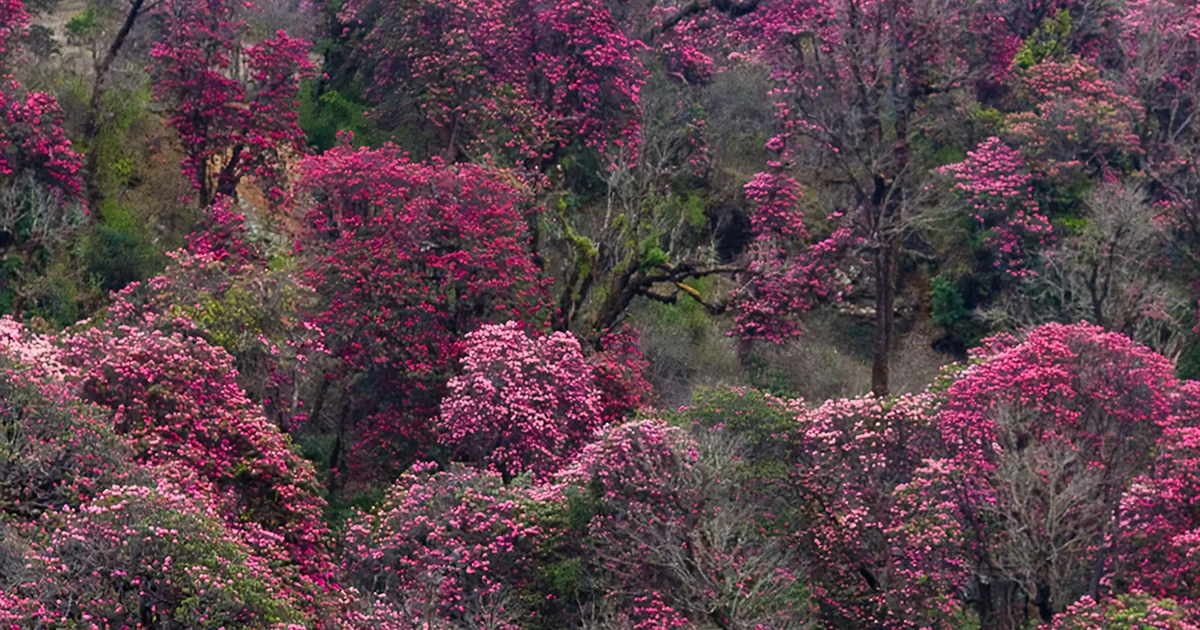
You are most likely to catch a sight of rhododendron forests particularly in Ghorepani, Tadapani, Chhomrong, and the trail between lower Sinuwa and Deurali. Here the forests are particularly dense being in the lower and mid-elevation sections of the trek.
Similarly, the best blooming seasons are during late March through April, in fact the blooms peak at this time frame. Whereas in the lower elevations, flowers begin appearing in mid to late March. As you go up higher, the blooms continue until late April or even early May depending on the altitude.
Favorable Weather Conditions
Spring offers some of the most balanced weather of the year in the Annapurna region. Rainfall is relatively low, especially in March and April. Most days begin with bright sunshine and open views, with only occasional clouds forming later in the afternoon.
Daytime temperatures are comfortable for walking. You won’t feel the draining heat common in lower-altitude summer treks, nor the extreme cold that slows movement in winter. Nights, while cooler, are bearable compared to winter months. With proper layering and a warm sleeping bag, evenings in teahouses feel cozy rather than harsh.
Since the Annapurna Base Camp trek gains significant altitude, temperatures naturally shift as you ascend. In the lower sections of the trail, spring feels pleasantly warm during the day. Terraced fields glow under steady sunshine, and trekking in light layers is often sufficient.
As you climb higher into forested and alpine zones, temperatures become more moderate. At the base camp itself, the alpine environment takes over. Mornings and nights are cold, often with frost lining the ground at sunrise. However, once the sun rises above the surrounding peaks, temperatures improve quickly.
Daytime vs Nighttime Temperature
During the day, trekking feels comfortable. The sun warms the trails, and walking at altitude is far more enjoyable than during freezing winter conditions.
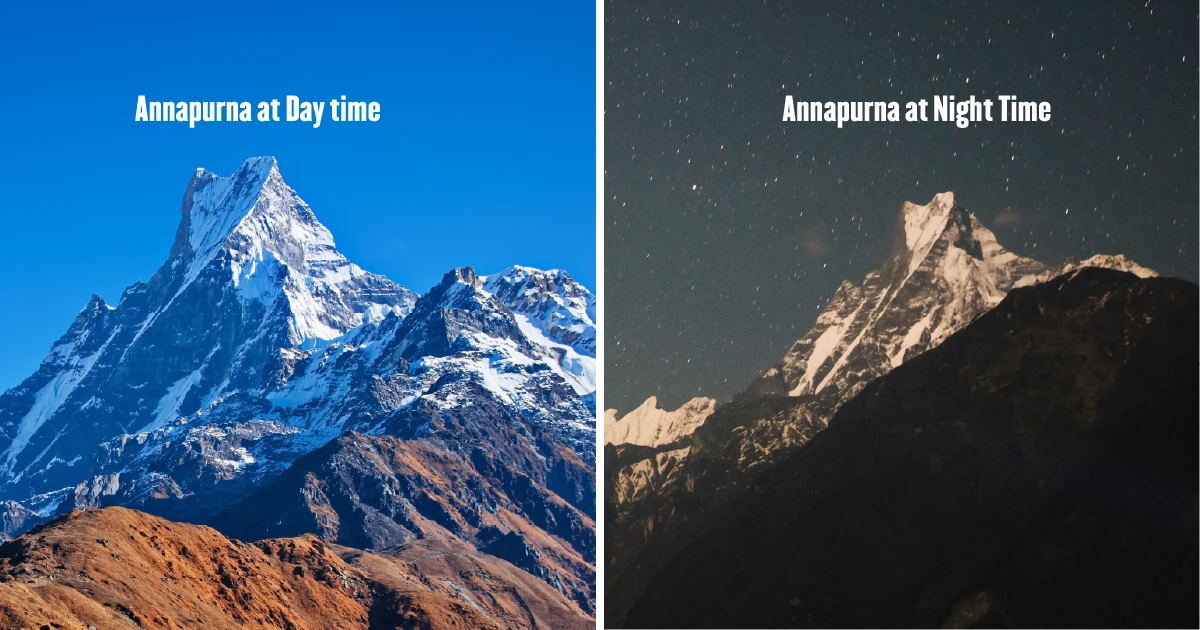
At higher elevations, early mornings can be frosty. You may wake up to thin ice on water buckets or frost along the ground. However, once the sun rises, temperatures improve quickly.
Clearly Visible Mountain Ranges
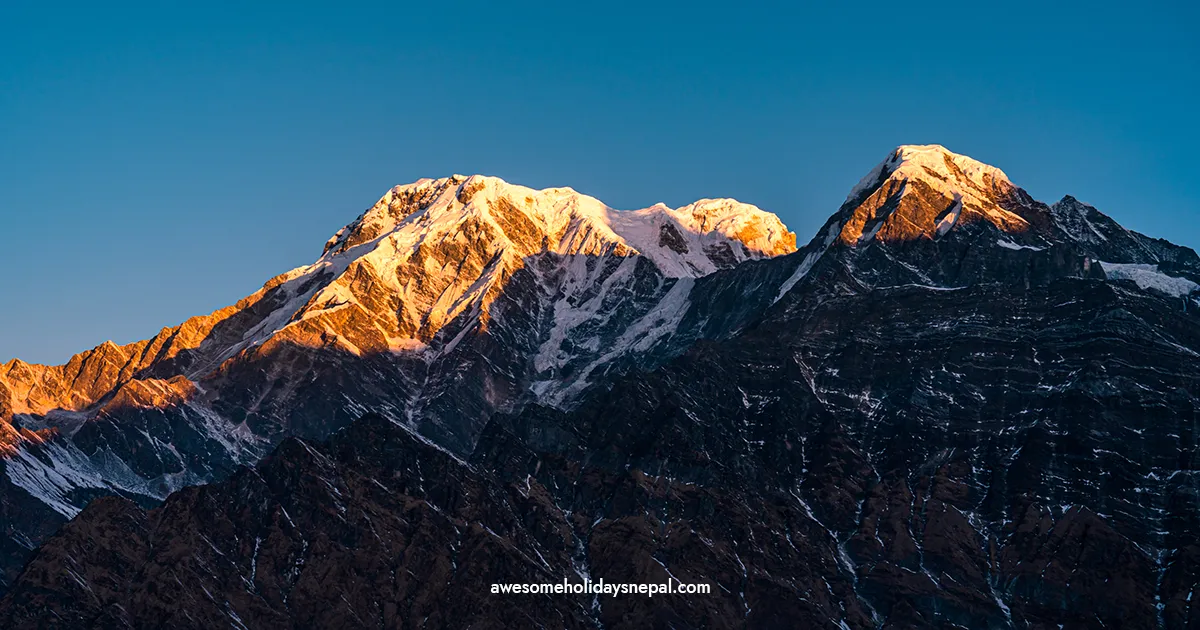
The Annapurna Sanctuary feels particularly dramatic in spring. The air tends to be cleaner after winter, and mountain silhouettes appear crisp against deep blue skies. Sunrise at ABC, when golden light touches the peaks, is a moment most trekkers remember long after returning home.
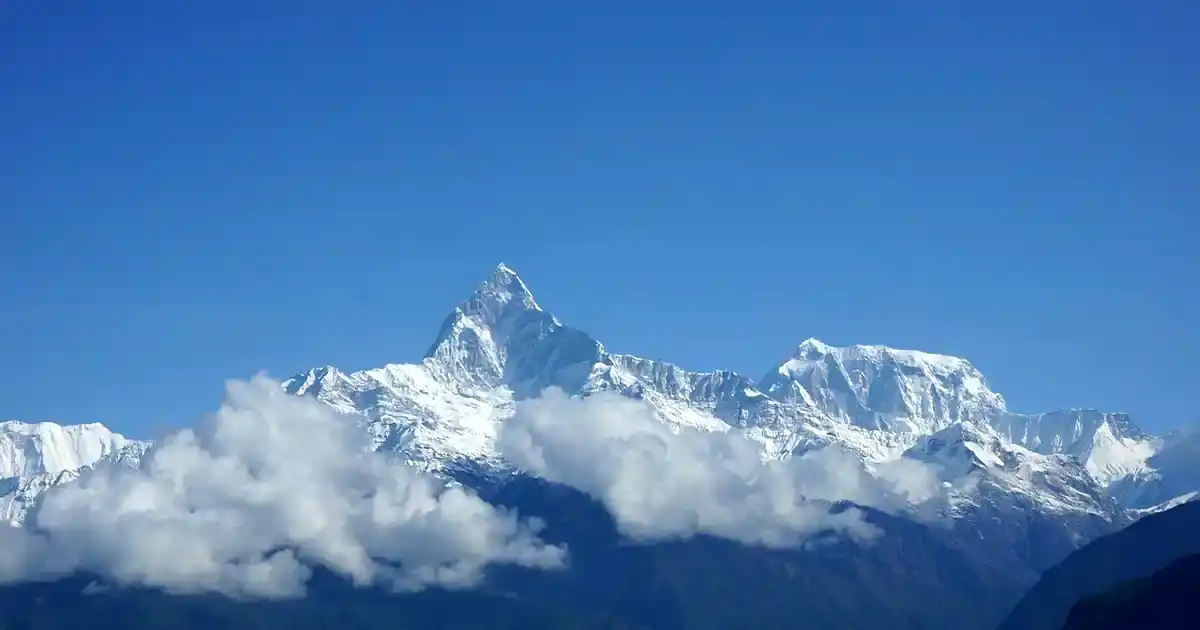
Spring is known for excellent visibility, especially in March and April. Early mornings at Machapuchare Base Camp and Annapurna Base Camp often reveal panoramic views of Annapurna I, Annapurna South, Hiunchuli, and Machapuchare in sharp clarity.
Conditions of Trails
Spring offers some of the most stable and enjoyable trail conditions on the Annapurna Base Camp route. The paths are generally firm and reliable, sitting comfortably between winter’s snow and the monsoon’s mud.
Lower sections feature dry stone staircases and well-maintained forest trails that are easy to navigate. While shaded areas may have occasional muddy patches, especially after brief showers, the terrain remains manageable, particularly in March and April.
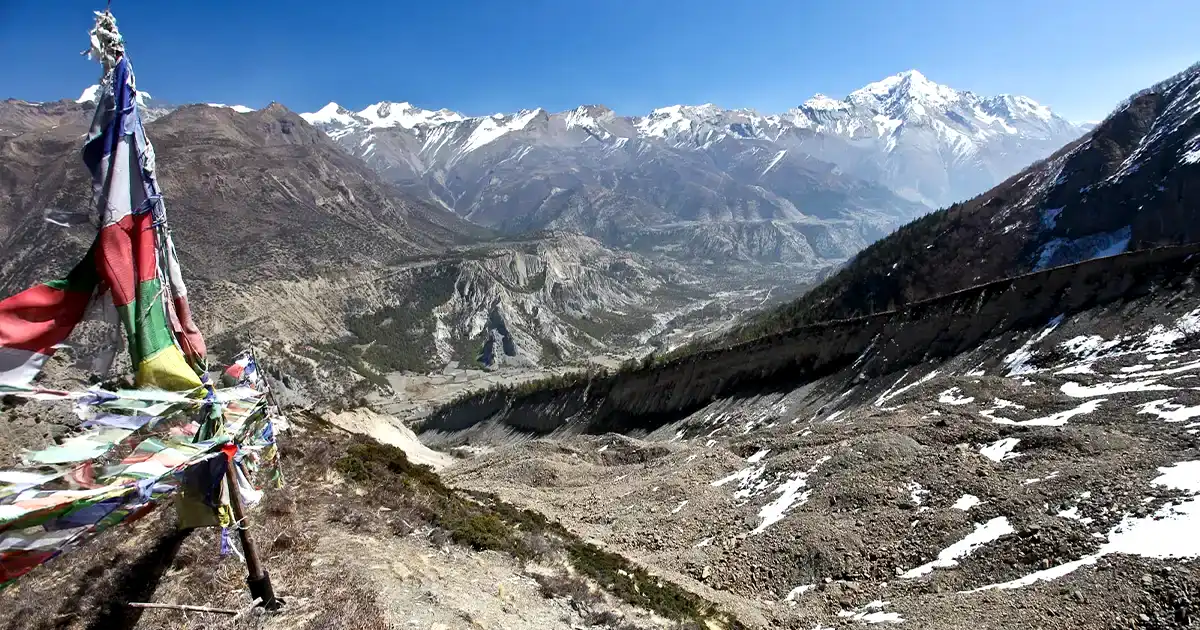
At higher elevations, conditions can vary slightly in early spring. In March, you may encounter patches of snow or frozen sections near Machapuchare Base Camp and Annapurna Base Camp. These are usually light and manageable.
As the season progresses into April and May, snow steadily melts, making the final stretch to base camp clearer and more straightforward. April is the busiest month, so teahouses can fill quickly. Still, the trail feels lively rather than overcrowded, creating a welcoming and energetic trekking atmosphere
Perks of Trekking to ABC in Spring
Trekking to Annapurna Base Camp in spring is not just about reaching a destination, it is about experiencing the Himalayas at their most vibrant and welcoming. The season brings together color, clarity, comfort, and community in a way that feels naturally balanced. Every day on the trail offers something visually striking and physically enjoyable, making the overall journey both rewarding and memorable.
Some of the perks of this season include:
- Splendid sight of rhododendron in brilliant shades of red, pink, and white against a backdrop of snow-covered peaks.
- Comfortable trekking temperatures that stays cool in the evenings.
- Exceptionally clear mountain panoramas
- Stable trail conditions with firm and non-slippery paths
- Active yet welcoming trekking atmosphere with healthy number of trekkers
- Excellent photography opportunities, as blooming forests, dramatic Himalayan peaks, and soft natural light make it all dramatic.
How to Prepare for ABC Spring Trek?
Preparing well for the Annapurna Base Camp trek in spring ensures that you stay comfortable, safe, and fully able to enjoy the journey. While the season offers balanced weather and stable conditions, the changing elevations still demand thoughtful planning. Most importantly, allow time to acclimatize and walk at a steady pace. Spring makes the journey inviting, but altitude should always be respected.
Keep the following things in mind before you think of trekking to ABC:
- Pack layers: base layer, fleece, and a down jacket
- Carry a good-quality sleeping bag for cold nights at higher altitude
- Bring sunglasses and sunscreen (UV exposure increases with altitude)
- Wear sturdy trekking boots
- Book accommodation in advance for April
- Start trekking early each morning for the clearest views
For more detail on how to prepare for the trek, read our blog on “Ten Things to Know Before Annapurna Base Camp trek“.
Trek Full of Colors
Trekking to Annapurna Base Camp in spring of 2026 is not just a physical journey, it is a sensory one. Blossoming forests, glowing peaks, crisp mountain air, and comfortable trail conditions come together to create something quietly extraordinary.
For those who appreciate nature in its most vibrant form, spring in the Annapurna Sanctuary feels almost otherworldly. It is actually a season where the Himalayas seem to breathe in color.
Choose right trek season to experience true heaven in the Himalayas!
FAQs
Expand AllIs spring the best time to trek to Annapurna Base Camp?
Yes, spring is considered one of the best times to trek to ABC due to blooming rhododendrons, stable weather, clear mountain views, and comfortable temperatures.
What months are considered spring in the Annapurna region?
Spring in the Annapurna region runs from March to May.
What is the weather like at Annapurna Base Camp in spring?
Spring weather is generally stable with warmer days and cold nights at higher elevations, making walking comfortable and views clearer.
How cold does it get at Annapurna Base Camp in March?
In March, nighttime temperatures at ABC can drop below freezing, especially before sunrise, while daytime temperatures remain manageable under sunshine.
What are the temperatures at ABC in April?
Temperatures in April are more moderate, with warmer days ideal for trekking and nights that are cold but less harsh than in March.
Is May a good month for the Annapurna Base Camp trek?
Yes, May is still good for trekking, though the risk of brief pre-monsoon showers increases later in the month
Where can I see rhododendron forests on the Annapurna Base Camp trek?
You can see rhododendron forests around Ghorepani, Tadapani, Chhomrong, and between Lower Sinuwa and Deurali.
Are trail conditions stable during spring in the Annapurna region?
Yes, spring generally brings well-maintained and firm trail conditions before heavier summer rains start.
Is there snowfall on the ABC trail in spring?
Light snow may be present in early March near Machapuchare Base Camp and ABC, but it gradually melts as the season progresses.
Does it rain during spring on the Annapurna Base Camp trek?
Rainfall is minimal in March and April, with occasional short pre-monsoon showers possible in May.
How crowded is the Annapurna Base Camp trek in spring?
April is a popular month for trekking, so teahouses and trails are active but not overwhelmingly crowded.
Is spring busier than autumn for ABC trekking?
Autumn and spring are both peak seasons, autumn often sees slightly heavier overall trekking traffic, but spring still sees strong participation.
Are teahouses fully open during spring season?
Yes, teahouses are fully operational and well-prepared for trekkers during spring.
Is the Annapurna Base Camp trek safe in spring?
Yes, spring offers stable weather and manageable trail conditions, making it a safe season with proper preparation.
What should I pack for the ABC trek in spring?
Pack layered clothing, a down jacket, a warm sleeping bag, sturdy trekking boots, sunglasses, sunscreen, and basic rain protection.
Do I need waterproof gear for spring trekking in Annapurna?
Light waterproof gear is recommended, especially if trekking in late April or May when brief showers may occur.
Is altitude sickness common during spring at ABC?
Altitude sickness can occur in any season, including spring, so proper acclimatization and a steady pace are important.
How clear are mountain views in spring at Annapurna Base Camp?
Spring mornings often bring excellent visibility with clean air and sharp views of major Himalayan peaks.
What is the visibility like in the Annapurna region during spring?
Visibility is generally excellent in March and April, with slight haze sometimes appearing in late May.
How long does the Annapurna Base Camp trek take in spring?
The Annapurna base camp trek in spring typically takes 7–12 days, depending on the route and pace.
Is spring suitable for beginner trekkers at ABC?
Yes, spring’s moderate weather and stable trails make it suitable for beginners with reasonable fitness.
Are permits required for Annapurna Base Camp in spring?
Yes, trekkers need the Annapurna Conservation Area Permit (ACAP) and TIMS card.
How does spring compare to autumn for the ABC trek?
Spring offers blooming forests and slightly milder temperatures, while autumn provides very crisp skies after monsoon. Both are excellent seasons.
What wildlife can be seen during spring in the Annapurna region?
You may encounter colorful birds, langur monkeys, and other small wildlife as the forests become active after winter.
Are trails muddy during spring in Annapurna?
Trails are mostly dry, though minor muddy sections may appear in shaded forest areas or after brief showers.
Is April the peak blooming season on the ABC trail?
Yes, April is typically the peak month for rhododendron blooms.
What are the daylight hours like during spring trekking?
Spring offers longer daylight hours, allowing comfortable trekking schedules without rushing.
Can I trek to Annapurna Base Camp independently in spring?
Yes, independent trekking is possible in spring, provided you arrange permits and plan accommodation properly.
How far in advance should I book an ABC trek for spring?
It is advisable to book at least a few weeks in advance for April, especially if traveling with a guide or during peak bloom season.
Related blog posts
Discover a choice of tourist destinations loved by most of our visitors. Whether you're on a jungle safari to spot rare animals or walking through a world heritage site, these well-planned itineraries cover the major highlights of Nepal.



 call an expert at: