
Annapurna Base Camp Trek Guide: A Complete Manual for 2026

 Sujata Pokhrel
Exploring the Annapurna region is one of the best decisions for beginners in trekking who are passionate about the Himalayas. A complete Annapurna Base Camp trek guide can help you achieve this goal.
Whether you are looking for a short trip over a weekend or months of traversing through dense forest trails, the Annapurna region has it all. Often known as one of the easiest trekking trails, the ABC Trek trail is quite a popular one among the fresh batch of adventurers.
Being a base camp located at an elevation of 4130 meters, ABC offers a panoramic view of the 10th-highest peak in the world, Mt. Annapurna, and its surrounding peaks.
However, to ensure a successful and comfortable trek in these unknown terrains, you will need to have a proper Annapurna Base Camp trek guide before planning your adventure. Let’s get through this blog to know the best tips for the Annapurna Base Camp Trek 2026.
Why Choose the Annapurna Base Camp Trek for 2026?
To begin with, there are multiple reasons why many adventure seekers prefer the ABC trek. The ease of the route, variety of experiences, which may be of a crude nature, or the culture and lifestyle of the people residing here are some of the prime reasons for the popularity of this trek.
Ease of Route
When it comes to trekking difficulty, the Annapurna Base Camp trek is definitely the easiest one for both the well-experienced expedites and the beginners. The reason behind it are the well-established trails which are easier to ascend or descend, clear signboards directing trekkers the right way and easy navigation with the help of proper tea-houses on each major landmarks.

Well established facilities of tea-houses along the way make it easy to rest, eat, and walk. This advancement certainly makes any trek easier despite the tiredness that comes along it.
Cost Factor
Compared to the Everest and Manaslu region, the trekking routes in the Annapurna region are quite cheaper. The ease of trek and number of days taken for this trek is obviously the major contributor on this but yeah ABC is cheaper.
Besides, the food, lodging, permits, and guide charges are a little cheaper for Annapurna Base Camp trek. A standard ABC trek 2026 might range from USD 800 to 1200, but the costing totally depends on the improvisation and added services while on the trek.
Diversity of Experiences
A variety of experiences is quite a bigger advantage when it comes to trekking on the Annapurna Base Camp trail. Along the way, you will come across different settlements inhabited by diverse races of people. While the lower elevation areas exposes you to Gurung and Magar cultures and lifestyles, the higher elevation areas take you the lifestyle of highland sherpas.
The difference in quite distinct in food you will find, the clothing, and their accommodations too.
Complete Guide for ABC Trek
Reaching the Start Point for ABC Trek
Your ABC trek usually starts form Nayapul or Jhinu Danda, the remote areas in Pokhara. Thus, to reach the starting point, you have an option either catch a flight to Pokhara or drive to Pokhara.
Via Flight
If you are short on time or want an extra day to explore Pokhara then its better to catch a flight from Kathmandu to the city of lakes. It’s a short flight of 25 mins and cost around USD 110 for a one-way flight and the views you get on a clear day in this flight is quite exquisite.
But you need to keep in mind, there can be a delay on flights during bad weather and you might have to wait a while.
Via Road
You will also have an option of scenic drive on a luxury tourist vehicle to reach Pokhara from Kathmandu. This drive will cost you around USD 20 and take around 8 hours to reach. Alternatively, you can also book for a private taxi to enjoy this drive on your own pace but it would cost you around USD 150 to 200 depending on the type of car you choose.
The road trip on Prithvi highway that leads you to Pokhara can sometimes be bumpy but it will be truly worth enjoying the scenic views of green hills and fast flowing rivers.
Trekking Routes
Depending upon the number of days to have free in hand to explore and the pace you prefer for ascending through the trails, the trekking routes differ in case of Annapurna Base Camp trek.
The Classic Annapurna Base Camp Trek
If you prefer to explore the traditional villages and take some time to soak into the natural as well as cultural beauty of Annapurna region then the Annapurna Base Camp trek is the right option for you. The classical trek takes a total of 14 days to complete including the acclimatization. It begins from Nayapul and takes you through Tikhedhunga, Ghorepani, Tadapani, Chhomrong, Dovan, Deurali, and Macchapuchre Base Camp to reach the Annapurna’s base camp.
And while on the return, you will get down to Bamboo and then to Jhinu Danda from where you can catch a drive to Pokhara.

Shorter Routes for ABC Trek
There is also an alternative shorter route for the ABC trek if you do not have enough time to spend in the Himalayas. While on this route, we will directly trek to Ghandruk, enjoy it’s cultural heritage then pass through Chhomrong and Deurali to Reach Annapurna Base Camp via MBC. And on the return, we will directly get to Bamboo, Jhinu Danda and drive to Pokhara.
This shorter trek can easily be completed in 8 days including your drive to and from Pokhara.
Highlights of the ABC Trek
- Majestic view of the Annapurna Mountain Ranges and the virgin Machhapuchre mountain.
- Rich biodiversity of the Annapurna Conservation Area.
- Magnificent Sunrise View from Ghorepani, Poon Hill, with panoramic vistas of Dhaulagiri and Annapurna ranges.
- Experience a soothing dip into the natural hot springs at Jhinu Dada.
- Trekking through diverse landscapes, from terraced fields to dense rhododendron forests
- Scenic villages like Ghorepani, Tadapani, and Chhomrong.
- Unique cultural experience of ethnic Gurung culture and the Gurung Museum at Ghandruk.
- A serene evening at the Lakeside of Fewa Lake in Pokhara.
Best Places to Acclimatize on the ABC Trek
There is no doubt that the Annapurna trials are paradise on earth with the lustful red rhododendron forest, hot springs, streams, and natural waterfalls. In addition to this, this region also has a number of cultural assets that you can enjoy while acclimatizing and resting out your tired muscles.
Some of the best places to acclimatize while on the ABC trek are mentioned below:
Ghandruk
Ghandruk is an infamous Gurung village in Annapurna region where you can best experience the ethnic culture. The homestays in this village are best places to get best of the local lifestyle, cuisine, and more. You can also enjoy a heartful local meal made with organic ingredients and click pictures wearing traditional Gurung attires to keep memory of your trek.
For more details, check our blog on the gorgeous Ghandruk Village in the Annapurna Region.
Ghorepani/Poon Hill
Offering the best sunrise views of the Annapurna ranges, the Ghorepani Village/ Poon Hill are the best acclimatization points for the ABC trek. Situated at an elevation of 2900 meters, this is actually a good point for acclimatizing hike while on the trek if you are beginner to these terrains.

Deurali
Rather than an acclimatization point, the Deurali village is more of a resting point after your tiring trek through the ABC trail. Located at an elevation of 3200 meters from sea level, this stop lets you better adapt to the higher elevation.
Chhomrong
Next on, the Chhomrong village is a good point to enjoy stunning views of the mountain peaks located in the periphery of Annapurna while spending a day to acclimatization. It is located at an elevation of 22oo meters and a good place to enjoy bakery at high elevation as well to experience the Gurung hospitality.
Machhapuchre Base Camp
The Machhapuchre Base Camp located at an elevation of 3700 meters from sea level is a good point for final acclimatization before traversing to the base camp of Annapurna I. You will have to pass through this base camp on both the longer and shorter trekking routes of ABC.
What to Expect on the ABC Trek?
Being a more developed trekking trail, you will most likely get best services and amenities while on the ABC trek.
Food
The food on this trek is primarily gonna be the typical Nepali menu including Dal, Rice and Vegetables. But the tea houses in these areas also serve noodles, soups, momo, pasta, and bakery items. While in the traditional Gurung villages you can also expect local dishes including the local liquor too.

However, the cost of food varies depending upon the altitude as people have to carry the raw materials cook food in higher elevation. Typically, a meal in lower elevation can cost from USD 2 to 5 whereas in higher elevation, it can go up to USD 10.
Accommodation
Primarily the accommodation on the ABC trek comprises of standard lodges and tea houses with decent washrooms and basic amenities. You might have to stay on a twin-sharing basis room and used shared bathrooms in tea houses. There will also be a provision of private rooms with attached loo but it comes with an extra charge.
Weather
If you are travelling in the peak climbing seasons like Fall (September to November) and Spring (March to May) then the weather will be the most optimal for travelling with clear skies. The day temperature can range from 5 to 10 degree Celsius whereas in night it can get up to -10 degree Celsius in winters.
Besides, spring treks are best for the Annapurna Base Camp trek as you will be presented with stunning views of the Red Rhododendron forests and sight of it’s rich biodiversity.

Things to Consider Before Annapurna Base Camp Trek
Permits
You need to acquire two different passes to trek through the trails of Annapurna Base Camp Trek. First, you need a TIMS card for keeping track of tourist information and next you need Annapurna Conservation Area Permit as you will be traversing through the protected area of Annapurna region.
Guides & Porters
It is mandatory to hire at least one guide or porter to traverse through the trails of any Himalayan trail in Nepal even if you are planning for a solo trek. Usually, you would need one guide to lead you through the rough wild trails and one porter to carry your essentials. However, if you are travelling in group, you might share the guide and have a porter for every 2 trekkers.
Altitude Sickness
Since you will be trekking above an elevation of 2500 meters, altitude sickness is quite a common thing. You need to well prepared to prevent the sickness and take measures to protect yourself from cold temperature in this region. In case you catch symptoms like cold, headache, nausea, and fatigue, inform your guide right away and take necessary treatment.
Carrying Cashes
Even though the travel company covers for basic food and accommodation, it is always safer to carry some cash with you while trekking in the Annapurna region. You might need it to buy souvenirs or for additional amenities and trekking trails do not have enough ATMs except in the city areas so its better to carry cash.
Best Alternatives for Annapurna Base Camp Trek
Mardi Himal Trek
The Mardi Himal Trek is a hidden gem that offers a peaceful and rewarding adventure through some of Nepal’s most stunning landscapes. This 11 days long trek begins with a scenic drive to Pokhara and takes you through lush rhododendron and oak forests across alpine meadows. It is perfect for someone looking for a refreshing contrast to the hectic and busier scenario. You get to experience unforgettable moments surrounded by the grandeur of the Himalayas in serene solitude.
Ghorepani/Poon Hill Trek
The Ghorepani Poon Hill Trek is a 5-day adventure that begins with a short drive from Pokhara to Nayapul and offers a unique cultural experience along with panoramic views of peaks in the Annapurna region. This trek takes you through the pleasant ambiance of rural villages, luscious green forests, and ethnic homestays before ascending to the base camp of the Annapurna range.
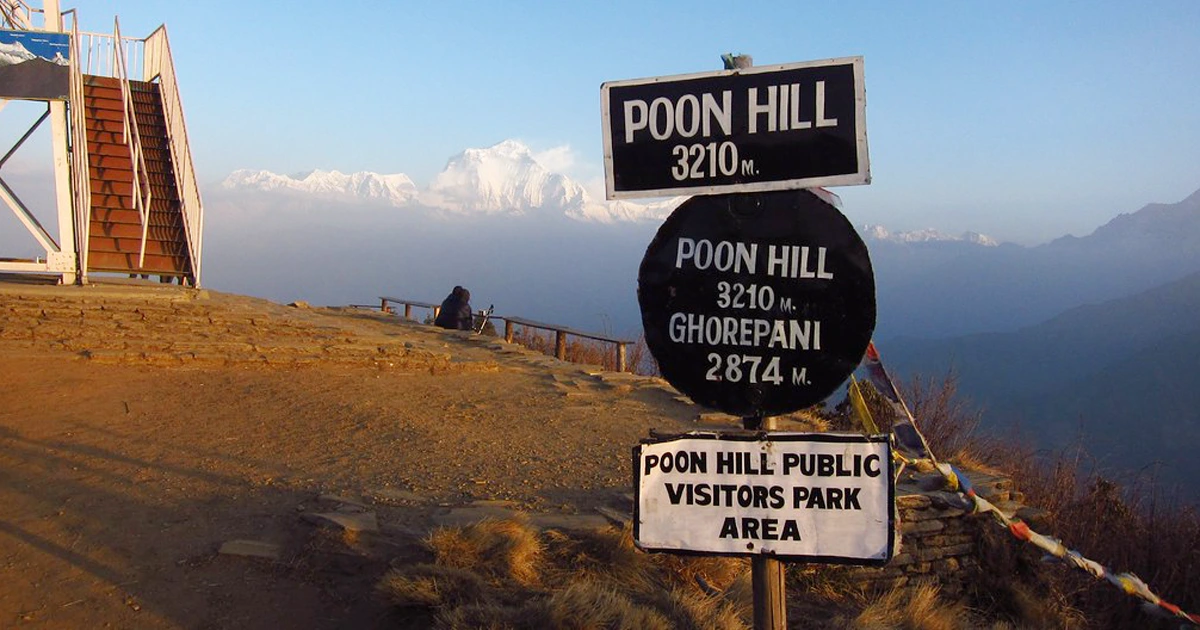
It also perfectly blends natural beauty, cultural richness, and adventure, making it one of Nepal’s most popular trekking routes. Along the way, you’ll get a cultural experience of the ethnic Gurung community in Ghandruk while witnessing a magical sunrise view of the mountain peaks from Poon Hill.
Macchapuchre Base Camp Trek
The Macchapuchre Base Camp trek often comes in association with the Annapurna Base Camp trek but if you feel the altitude is too much for you, then MBC can be a good choice. This trek takes you about 6 to 7 days to complete and offers the best views of Mt. Machhapuchre, Mt. Annapurna, and surrounding ranges.
Wrapping Up the Journey
The Annapurna Base Camp trek is one of the worthy trips to enjoy while in the beautiful country of Himalayas. Since its easier to traverse through and it budget-friendly, it is very popular among the beginners. Not only it takes you the lap of nature surrounded by majestic peaks, but also gives you a unique experience of rich ethnic culture of Nepali people.
Follow through this Annapurna Base Camp trek guide to make your 2026 journey to Nepal a successful one.
Keep travelling!
FAQs
Expand AllWhat is the Annapurna Base Camp Trek?
The Annapurna Base Camp trek is a classic trek to the foothill of Annapurna I, the 10th highest peak of the world. It is a short trek that takes you through dense rhododendron forests, alpine meadows, and cultural experiences to an elevation above 4000 meters.
Why choose the Annapurna Base Camp Trek in 2026?
Since the Annapurna Base Camp trek trail offers a diverse range of cultural and natural experiences at moderate difficulty and modest price, you should absolutely chose this trek in 2026.
How long is the Annapurna Base Camp Trek route?
The Annapurna Base Camp trek is about 110 kilometers long for a round trip, starting with either Nayapul or Jhinu Danda.
What is the difficulty level of the Annapurna Base Camp Trek?
Annapurna Base Camp has comparatively lower level of difficulty as the trail is advanced and has abundant amenities to all basic needs.
How high is Annapurna Base Camp?
Annapurna Base Camp trek is 4130 meters high from the sea level.
Which is better: Annapurna Base Camp or Everest Base Camp trek?
There is no fixed decision in which is better, Annapurna Base Camp trek or Everest Base Camp trek as both of these have their own essence.
What is the best month to do the Annapurna Base Camp Trek in 2026?
The spring and fall seasons that fall in the months of March-May and September-November are the best time to do a yoga trek to Annapurna Base Camp. You will be able to enjoy the rich biodiversity and red rhododendron forests in spring treks, while in the fall, the weather is favorable and the trek is safer.
Is Annapurna Base Camp safe for trekking in 2026?
Yes, Annapurna Base Camp is safe for trekking in 2026.
What permits are required for the Annapurna Base Camp Trek?
To trek through the Annapurna Base Camp, you will require two passes: the Annapurna Conservation Area Permit and the TIMS card. These passes can be obtained easily from the Tourism Board of Nepal.
How much does the Annapurna Base Camp Trek cost in 2026?
The ABC yoga trek can cost you almost $600 -& $1200 per person. However, the cost may vary depending on the customization of food and accommodation, the variation of the trekking package, and the routes that you choose.
The trekking cost doesn’t include any personal expenses or charges for services made upon request. Please check the packages for the price and find the amenities/services offered.
What is included in the Annapurna Base Camp Trek package?
The Annapurna Base Camp trek package includes the permits, round-trip transportation, accommodation, and standard meals.
Can you do Annapurna Base Camp Trek on a budget?
Yes of course, you can do the Annapurna Base Camp trek on budget. If you minimize the cost in accommodation and food or do a trek in group to make it successful on budget.
Do I need a guide and porter for the Annapurna Base Camp Trek in 2026?
It isn’t mandatory but its helpful to get a guide and porter for the Annapurna Base Camp trek in 2026.
How to prepare for the Annapurna Base Camp Trek in 2026?
To prepare for the Annapurna Base Camp trek, you need to train to make yourself fit for the trek, stretch your body,
What to pack for the Annapurna Base Camp Trek?
You need to pack proper trekking boots, thick socks, down jackets, thermal clothing layers, trekking poles, sunscreen and sunglasses along with other trekking gears for the Annapurna Base Camp trek.
What kind of shoes are best for Annapurna Base Camp Trek?
You need sturdy, waterproof trekking boots that keeps your foot comfortable to trek through the Annapurna Base Camp trek.
Do I need travel insurance for Annapurna Base Camp Trek?
Even though it isn’t mandatory, taking a travel insurance is necessary for the Annapurna Base Camp trek.
How fit do you need to be for Annapurna Base Camp Trek?
You need moderate fitness to trek through the Annapurna Base Camp trail as you will be walking about 6 to 7 hours a day.
What is the weather like in Annapurna Base Camp in March 2026?
In March 2026, the weather in Annapurna Base Camp is moderate with daytime temperature ranging to 10-15 degree Celsius and the night temperature at night can be -3 to 5 degree Celsius.
Is Annapurna Base Camp Trek possible in monsoon?
Yes, the Annapurna Base Camp trek is possible in monsoon but it comes with challenges of disasters like landslides and often obstructed views.
What is the best season for Annapurna Base Camp Trek?
The Spring season during the March to May months and Fall season during the September to November months is the best season for the Annapurna Base Camp trek.
Can you trek Annapurna Base Camp in winter 2026?
It isn’t feasible to trek to Annapurna Base Camp during the winter season as the temperature is low and often the teahouses are closed.
How cold does it get at Annapurna Base Camp?
During the winter season, the temperature can get low up to -10 degree Celsius.
How many days is the Annapurna Base Camp Trek itinerary?
A standard Annapurna Base Camp trek itinerary is of 14 days but it can be shortened to 8 days if you are short in time.
Which villages do you pass on the Annapurna Base Camp route?
On the Annapurna Base Camp route, you will pass through Ghandruk, Chhomrong, Bamboo, Deurali, and Ghorepani villages.
What type of accommodation is available on the Annapurna Base Camp Trek?
The accommodation on Annapurna Base Camp comprises of tea houses with shared rooms and bathrooms.
What food is available during the Annapurna Base Camp Trek?
You will primarily find a typical Nepali thali consisting of lentils, vegetable and rice. Apart from this, you can also find soups, noodles, Mo:mo, pancakes, omelete, and pasta.
Is drinking water safe during Annapurna Base Camp Trek?
Yes, it is safe to drink fresh spring water during the Annapurna Base Camp trek but you need to put water purification tablets to ensure safety while drinking these.
How to reach the starting point of Annapurna Base Camp Trek from Pokhara?
From Pokhara, you can get to the starting point of the Annapurna Base Camp trek on a private bus or jeep with 1 hour long drive.
Do you need prior trekking experience for Annapurna Base Camp Trek?
No, it isn’t mandatory to have prior trekking experience for the Annapurna Base Camp trek but it is helpful if you have one.
Is Annapurna Base Camp Trek suitable for solo travelers in 2026?
Yes, Annapurna Base Camp trek is suitable for solo travelers in 2026 since it is a very safe trail with ease of traversing. But you will have to get a guide to lead you through the unknown landscapes and deal with people in local dialect.
Are there ATMs on the Annapurna Base Camp Trek route?
No, there aren’t many ATMs on the Annapurna Base Camp trek route. The last ones you will find are in Pokhara thus, you need to carry enough Nepali rupees for it.
How to avoid altitude sickness on Annapurna Base Camp Trek?
You need to consider a few things while on the trek to avoid altitude sickness beginning with slow ascent in a speed you can cope up with regular resting. Next on, you need to hydrate yourself and avoid alcohol or taking sleeping pills while on the ascent.
Related blog posts
Discover a choice of tourist destinations loved by most of our visitors. Whether you're on a jungle safari to spot rare animals or walking through a world heritage site, these well-planned itineraries cover the major highlights of Nepal.
 call an expert at: