
Annapurna Base Camp in Winter: What Changes Day-to-Day — (ABC Trek in Winter)
 Sristi Adhikari
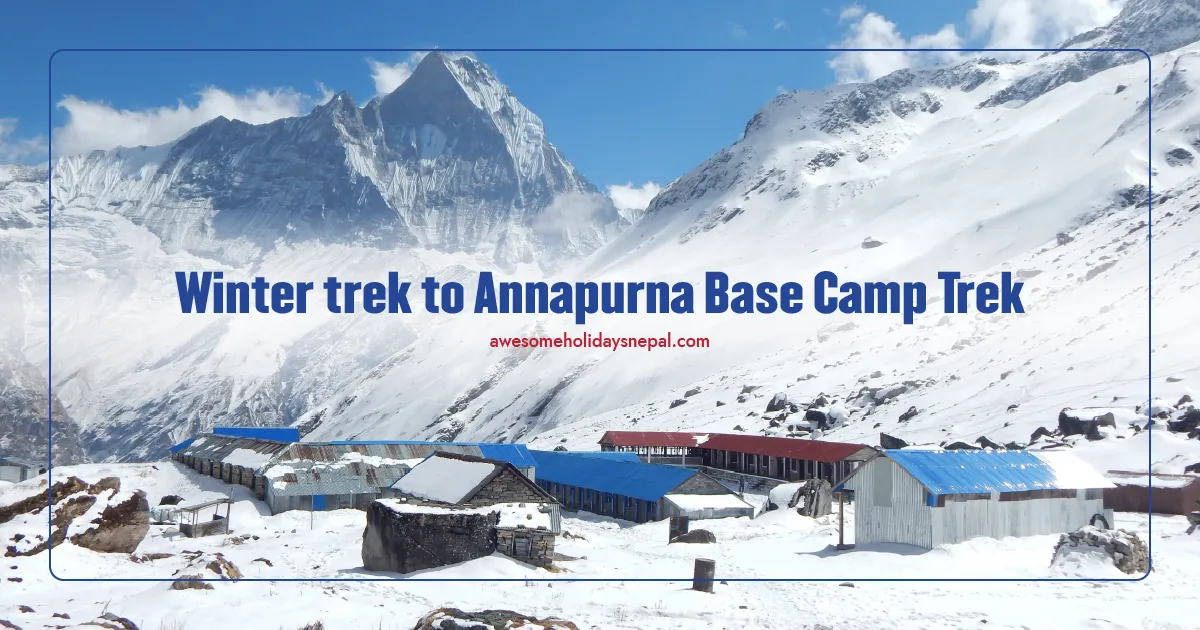
Is it possible to trek to Annapurna Base Camp in Winter? The answer is Yes. The magical snowy trails of the Annapurna Base Camp trek are characterised by cold mornings, diverse landscapes, Gurung culture, quieter teahouses, and snow-covered mountain peaks like Annapurna I, Machhapuchhre (Fishtail), and other giants.
The ABC trek is an evolving experience in winter, where one can experience the shift from green valley to icy alpine terrain with each passing day. Those who want to spend some time with nature while staying away from the chaos, the winter trek in ABC is best for you.
Trekking to ABC in winter is considered an off-season trek as it requires enough preparation and planning with a certified trekking agency like Awesome Holidays Nepal. If you are planning a winter ABC trek, then continue reading this blog for more details:
Highlights of Annapurna Base Camp in Winter
The least crowded season of the Annapurna base camp trek in winter rewards the trekkers with the following experience:
- Quiet village, uncrowded trails, viewpoints, and teahouses.
- Deeper connection with nature.
- Trails covered with a snow blanket make it a snowy paradise.
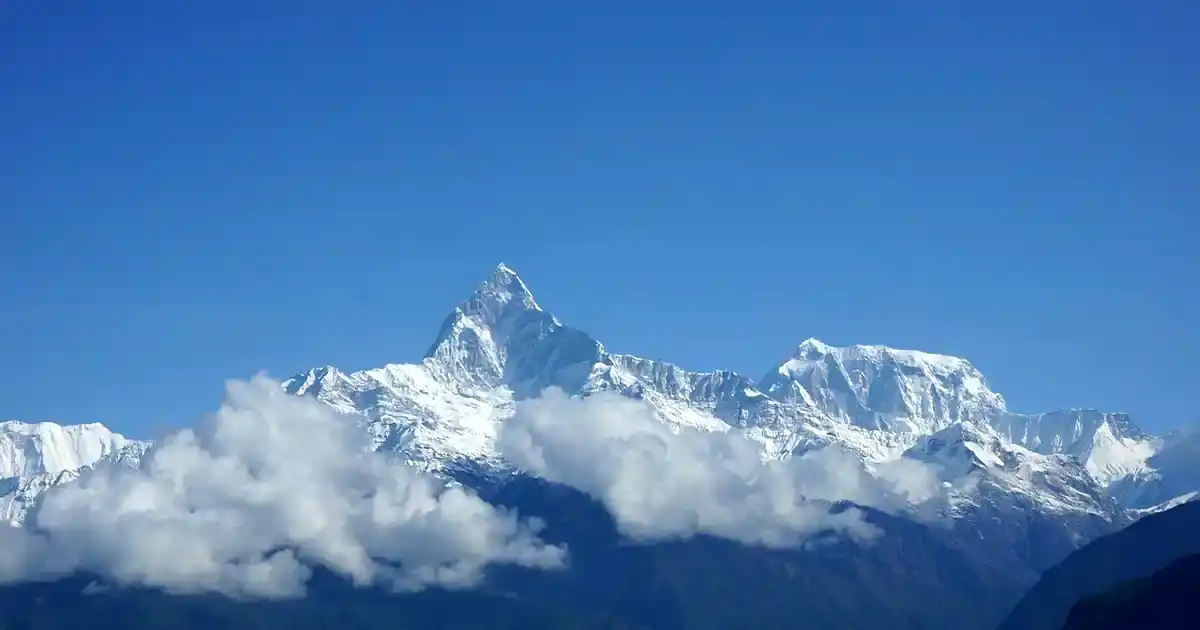
- Crystal clear mountain views of Annapurna I, Machapuchare (Fishtail), Hiunchuli, and Annapurna South.
- Breathtaking view of golden light reflecting off snow-covered mountain peaks during sunrise.
- More personal and deeper interaction with the teahouse’s host.
- Higher chances of wildlife spotting at lower elevations.
- Snowy trails, icy river crossings, spectacular waterfalls, and glacier-fed rivers.
- Relaxing hot water pool at Jhinu Danda.
Annapurna Base Camp Trek Map

Weather Conditions
Winter in Nepal starts from December and lasts till February. The daytime temperature at lower altitude regions like Nayapul or Chhomrong ranges from 5°C to 10°C, while it drops to -10°C at higher elevations like Deurali, Machhapucchre Base Camp, and ABC. The ABC trek takes you to an elevation of 4,130 meters above sea level.
There is a high rate of snowfall as soon as you head to Deurali, and you should be very careful as the trekking trails are filled with an icy layer. Trekkers in ABC should focus on flexible itineraries, as there is a high chance of trail blockage due to snowfall and landslides at higher altitudes.
Even though the trails may become a hassle, the journey is worth it, and the nature will bless you with clear panoramic views of Annapurna I, Hiunchuli, and Machhapuchhre.
Packing Essentials for Winter Trek in the Annapurna Region
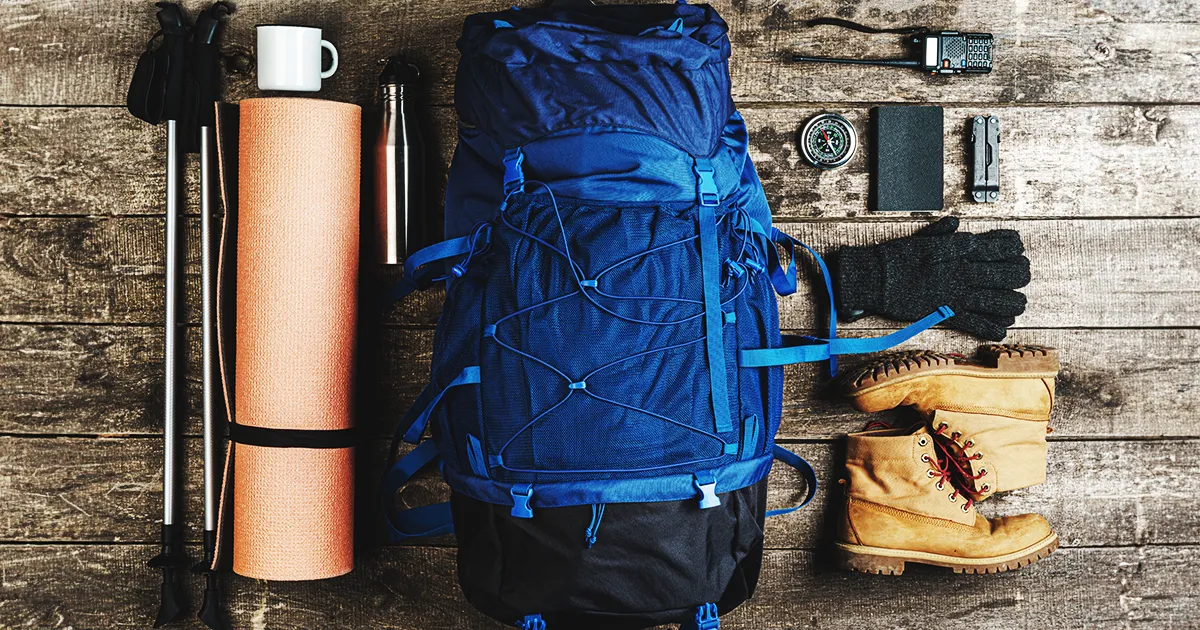
Doing the Annapurna Sanctuary Trek in winter requires trekkers to pack proper insulated clothing, health and safety essentials, with all broken-in trekking boots. The multiple-day trek can only become successful if you pack all the comfortable clothing and essentials you will need on the ABC trail.
Clothing Essentials
- Thermal base layer of merion or synthetic materials.
- Heavy fleece or down mid-layer, Insulated waterproof outer shell.
- Fleece-lined trekking pants or thermal leggings
- Down jacket, balaclava or warm beanie, windproof gloves and glove liners
- Waterproof, insulated trekking boots, Micro spikes or Crampons, gaiters
- Sleeping bag rated to -20 degrees Celsius or lower.
Health and Safety Essentials
- Portable first aid kit
- Wet wipes and sanitiser, insect repellent
- Quick-dry towel and biodegradable soap
- Hydration salts or electrolyte packs
- Prescribed medicine, if you have any, or Diamox tablets
Personal Essentials
- UV-rated sunglasses, high SPF sunscreen, and lip balm
- Trekking poles, headlamp
- Camera, Powerbanks or Solar chargers
- Mini thermos Flask, water bottles
Required Permits
Trekking to the ABC demands a mandatory Annapurna Conservation Area Permit, also known as ACAP. Without ACAP, no one is allowed to enter the Annapurna conservation area, as it helps to ensure trekkers’ safety, environmental conservation, and tourist management, while supporting the local communities of the Annapurna region.
The Annapurna Base Camp Trek Permit are checked at several checkpoints, and you must show a passport copy along with 2 passport-sized photos. The ACAP cost NPR 3,000 per person, and when you book a trek with us, you don’t have to worry about the permits, as they will be handled by our team members.
Safety Tips During Winter in the ABC
Trekking to the wilderness of ABC in winter requires proper awareness, necessary packing, and training months before the actual trek happens. You should also trek with a responsible trekking agency like Awesome Holidays Nepal for proper guidance and acclimatisation monitoring in trekking.
Winter ABC trekkers should follow the following safety measures while exploring the wonders of the Annapurna region:
Hydration is Key
Trekking in the dry air of the high Annapurna Base Camp elevation makes you dehydrated easily, even though you may not feel thirsty. You have to take a sip of water every hour regularly to replenish the fluid lost during respiration and perspiration.
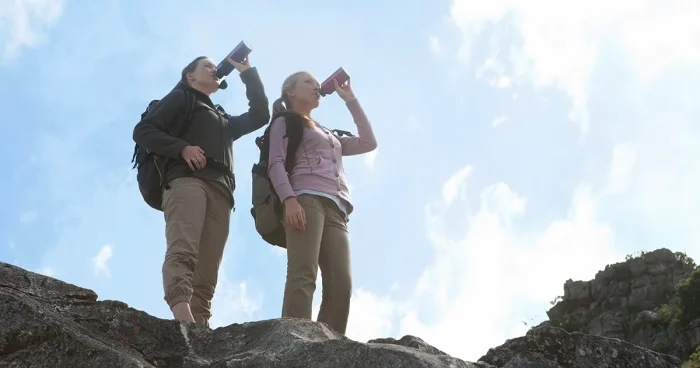
Carrying bottled water and electrolytes helps you maintain proper hydration for high altitude adaptation.
Begin Early-Day Trek
Trekkers should start early, as it ensures better visibility and makes them reach the day’s destination teahouses before darkness hits. The temperature starts dropping naturally as soon as the sun sets, so you have to opt for an early morning trek and walk at a steady pace to avoid altitude-related symptoms.
First Aid Kit and Medication
Trekkers should carry a basic medication in the first aid kits, such as pain relievers, blister care supplies, antiseptics, and bandages, followed by Diamox for acclimatisation help. Also, carrying a thermal blanket and hand warmers helps you prevent frostbite or hypothermia.
Only Travel With an Experienced Trekking Guide
The ABC journey can be fruitful and more memorable if you travel with an experienced trekking guide, as they will guide you in harsh conditions. Trekking with a guide offers knowledge about the slow pace, and they will be aware you where there is a high chance of wildlife spotting, and warn you about the dangerous areas of trails in winter.
Avoid Walking during Snowfall
Fresh snowfall brings hazards like loose rocks dropping off and avalanche risk, along with the trail blockage, so plan properly with certified guides.
Navigation Knowledge and Travel Insurance
Trekking at high altitudes above 3,000 meters requires navigation knowledge, as there is no internet and no GPS signals. Also, carrying detailed offline maps of the ABC trails prevents you from getting lost. Having a power bank is also beneficial when trekking in winter.

Trekking in the off-season requires mandatory travel insurance. When buying travel insurance, make sure to have a policy with emergency medical care and helicopter evacuation at elevations up to 4,130 meters above Annapurna Base Camp’s level.
Share Your Itinerary
When you are trekking in winter, sharing your detailed itinerary with your loved ones is very helpful. This safety procedure makes your loved ones carefree, as they don’t have to worry about your well-being, as there is no reliable internet connection in the winter.
Advantages of ABC Trek in Winter
Trekking to ABC in winter has the following advantages:
Few Crowds
The biggest advantage of trekking to ABC in winter is solitude. You don’t have to handle the crowded trails, teahouses, and viewpoints like those of peak season as in winter. It offers a peaceful, more deeply connected trek with nature and Gurung communities.
Clear Views
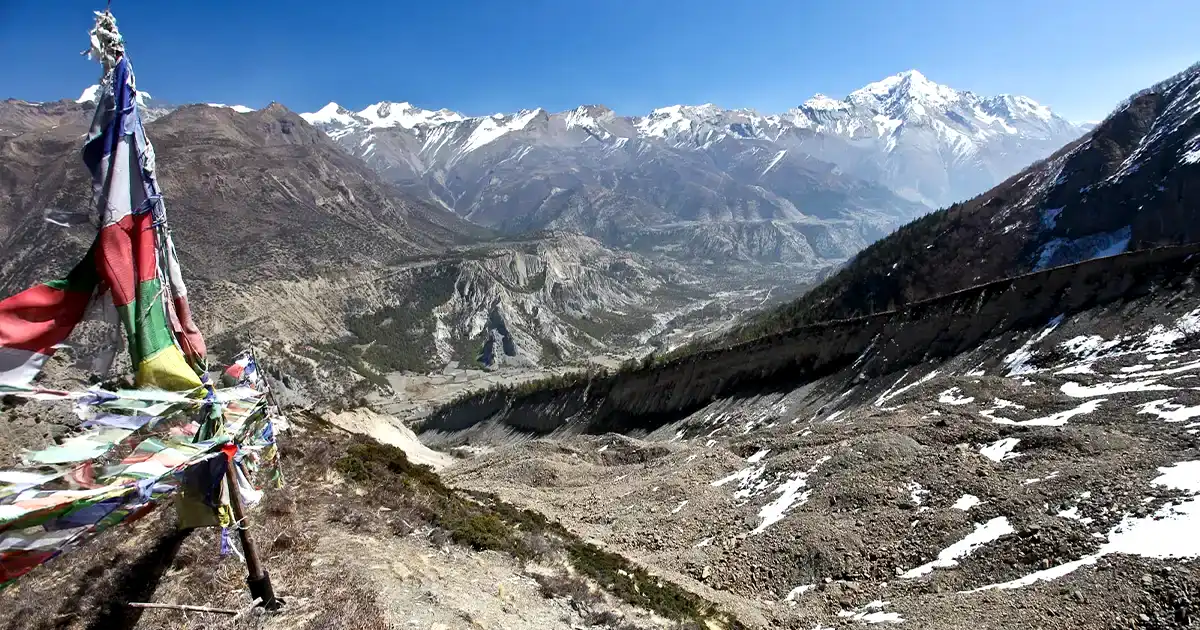
The dry and crisp air of winter offers a clear view of Machhapuchhre, Annapurna South, Hiunchuli, and Annapurna I. The perfect view of sunrise and sunset has levelled up the hype of the Annapurna trek.
You will have enough time to focus on the scenery, photography, as there are few trekkers on the trails.
Budget Friendly
Trekking in winter is considered off-season in Nepal. Most of the teahouses and lodges offer a winter discount on lodging and food in the Annapurna region. Reduced fees for flights and transportation make the trek very cheap compared with peak seasons.
Wildlife Spotting
Most of the wild animals may be visible during the daytime in the snowy region. The Himalayan Monal or Snow Pheasant is also spotted during winter.
Deep Cultural Immersion
Trekking in the Annapurna Base Camp in winter offers a deep cultural immersion within the Magar and Gurung communities. When staying in Ghandruk, Chhomrong, and Jhinu, one can get a closer insight into their cultural practices.
Trekkers will have enough time to have a conversation with the host families, where they can learn the beautiful Gurung and Magar languages. You will enjoy the traditional meals like dal bhat, gundruk, Tibetan bread, and butter tea.
Also, trekkers can visit social spots like Jhinu Danda hot springs for relaxation. Learning, Namaste helps you get connected with the people.
Disadvantages of ABC Trek in Winter
The cold weather and high altitude bring many disadvantages to ABC trekkers in winter:
Cold Temperature
The temperature may fall below freezing points at night in Machhapuchhre Base Camp and Annapurna Base Camp. So, packing winter gear makes your backpack heavier and walking with it is more tiring. You need to hire a porter to carry this.
Slippery Icy Trails
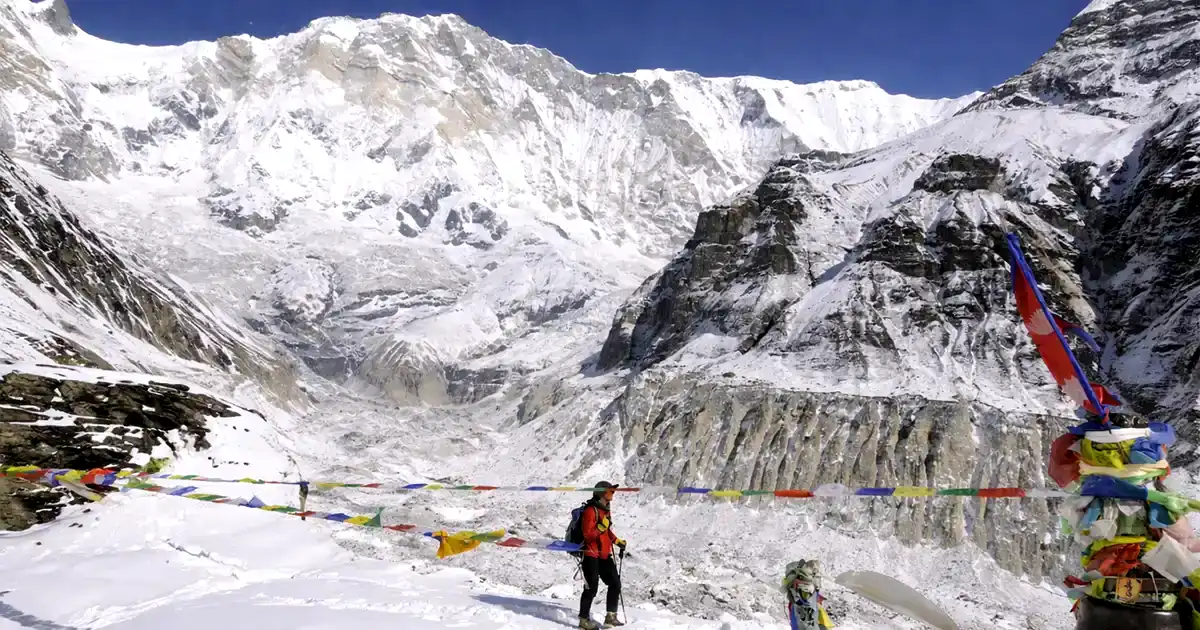
The trekking trails above Deurali si filled with snowfall, which makes sits more slippery in the shaded section of the forest. You need to slow down the pace, which results in increased fatigue.
Limited Teahouses Facility
Only a few teahouses and lodges are open during the winter season in the Annapurna region. Those which are open only have basic facilities in lodging and dining areas.
Short Trekking Hours
Winter days are shorter compared to other seasons. When trekking to ABC in winter, trekkers have to start early and reach the booked destination for the day on time.
Unpredictable Weather
There is a high chance of sudden snowfall and winds, which may block the trekking trail of the Annapurna.
High Physical and Mental Preparation
There is high physical and mental stress when trekking in the winter season. So you have to focus on mental toughness and proper physical training before the trek.
Winter ABC: No Two Days Alike
Trekking to the Annapurna Base Camp in winter offers solitude to those trekkers who want to spend some time with themself in the lap of nature. The magical time of the year offers a snow-covered landscape with serene, pristine white trails, clear blue skies, cultural immersion and dramatic mountain views of Annapurna I, Machapuchare, along the frozen waterfalls.
Going to the base of Annapurna in winter brings extra challenges, and you must have proper physical and mental training with proper gear packing and go with a certified trekking agency like Awesome Holidays Nepal to embrace the quiet majesty of the Himalayas. If you want a detailed itinerary of the, then click here, ABC trek.
FAQs
Expand AllWhat is the Annapurna Base Camp trek itinerary, and how many days do I need?
The Annapurna Base Camp trek can be completed within 14 days with the following itinerary:
- Day 01: Arrival in Kathmandu
- Day 02: Scenic drive from Kathmandu to Pokhara
- Day 03: Pokhara to Nayapul, trek to Tikhedhunga/Ulleri
- Day 04: Tikhedhunga/Ulleri to Ghorepani
- Day 05: Ghorepani to Tadapani (via Poon Hill)
- Day 06: Tadapani to Chhomrong
- Day 07: Chhomrong to Dovan
- Day 08: Dovan to Deurali
- Day 09: Deurali to Annapurna Base Camp via Machhapuchre Base Camp
- Day 10: Annapurna Base Camp to Bamboo
- Day 11: Bamboo to Jhinu Danda
- Day 12:Drive to Pokhara
- Day 13: Pokhara to Kathmandu
- Day 14: Departure from Kathmandu
How much does the Annapurna Base Camp trek cost (guide, porter, permits, food)?
The Annapurna Base Camp trek cost with guide, porter, permits, and food is USD 865 per person if you book with us.
What’s the best time to trek to Annapurna Base Camp for clear mountain views?
The best time to trek to Annapurna Base Camp for clear mountain views is Spring and Autumn.
Can you do the ABC trek in winter, and what changes day-to-day?
Yes, you can do the ABC trek in winter. You will see the day-to-day changes of temperature, snow, and icy conditions, trials, and scenery.
What permits are needed for the Annapurna Base Camp trek?
The Annapurna Conservation Area Permit (ACAP) is needed for the Annapurna Base Camp trek.
What should I pack for the ABC trek (including winter gear)?
You should pack thermal base layers, fleece mid-layers, waterproof/windproof shells, and a warm down jacket, along with gloves, a warm hat, a neck gaiter, and sturdy, waterproof boots. Having microspikes for snow, trekking poles, a -10°C sleeping bag, sunscreen, and sunglasses for intense sun is highly recommended.
How difficult is the Annapurna Base Camp trek for first-time trekkers (with a guide)?
The Annapurna Base Camp trek is moderately difficult for first-time trekkers (with a guide).
Are teahouses open on the ABC route in December, January, and February?
Yes, most of the teahouses are open on the ABC route in December, January, and February.
Should I hire a guide or porter for Annapurna Base Camp?
Yes, a hiring guide is mandatory when trekking in the Annapurna region. Hiring a porter helps you ease your load when walking in the rough terrain of the Annapurna Base Camp.
Is the ABC trek better from Pokhara, and what are the transport options?
Yes, the ABC trek is better from Pokhara, and transport options available are local buses and private/sharing jeeps.
Which winter month is best for ABC: December, January, or February?
February is the best month for the ABC trek due to stable, clear, and warm weather.
Does it snow every day on the ABC trek in winter?
No. It doesn’t snow every day on the ABC trek in winter, but you may experience heavy snowfall in higher altitudes.
What’s the chance the trail to ABC is blocked by snow?
There are very high chances of trail to ABC is blocked by snow.
Do you need microspikes for the ABC trek in winter?
Yes, you will need microspikes for the ABC trek in winter.
Are crampons ever necessary on the ABC trek in winter?
Yes, crampons are necessary on the ABC trek in winter.
What shoes are best for ABC trekking in winter conditions?
Waterproof, high-ankle, and insulated trekking boots with a solid, aggressive grip to handle snow and icy, steep trails are best for ABC trekking in winter conditions.
What time should you start trekking each day in winter?
You should start trekking from 6:30 to 7:30 am in winter.
How many daylight hours do you get on the trail in winter?
You will get 7 to 8 hours of daylight in high-altitude trail in the winter.
How does winter affect visibility and mountain views in the Annapurna Sanctuary?
Winter affects visibility and mountain scenery with exceptionally clear, crisp visibility and the mountain covered with a warm blanket of snow.
Are teahouses open on the ABC route during winter?
Yes, teahouses are open on the ABC route during winter.
How warm are teahouse rooms in winter on the ABC trek?
The teahouse rooms in winter on the ABC trek are unheated and very cold.
Is heating available in dining rooms, and how reliable is it?
Yes, heating is available in the dining rooms, and it is quite reliable.
Do water pipes freeze on the ABC trek in winter?
Yes, water pipes freeze on the ABC trek in winter.
How do you manage drinking water and purification in freezing temperatures?
During the ABC trek, trekkers manage the drinking water by boiling and keeping it in a thermos, while purification is done by using purification tablets in freezing temperatures.
Are hot showers available in winter on the ABC trek?
Yes. Hot showers are available in winter on the ABC trek.
How does winter affect food menus and meal availability in teahouses?
There are limited, smaller menus and fewer ingredient supplies for food menus and meal availability in teahouses in winter.
What sleeping bag rating is recommended for ABC in winter?
-15°C (5°F) or lower sleeping bag is strongly recommended for ABC in winter.
Do you need a sleeping bag liner for teahouse trekking in winter?
Yes, a sleeping bag liner is needed for teahouse trekking in winter.
What’s the best layering system for ABC winter trekking (base/mid/shell)?
A moisture-wicking merino/synthetic base layer, a fleece or lightweight down mid-layer for insulation, and a waterproof/windproof hard shell jacket is considered best layering system for ABC winter trekking.
What gloves and headwear are essential for the ABC trek in winter?
Gloves must be warm, waterproof, insulated gloves or mittens, plus a lightweight liner, along with a warm beanie for freezing temperatures, a sun hat/cap for UV protection, and a buff or balaclava to protect your face from cold are essential for the ABC trek in winter.
How do you keep phone and camera batteries from dying in cold weather?
You should keep phone and camera batteries warm, close to your body in inside jacket pockets, and use insulated cases or wrap them in wool socks from dying in cold weather.
Is Wi-Fi and mobile network coverage reliable in winter on the ABC route?
No. Wi-Fi and mobile network coverage are not reliable in winter on the ABC route.
How does winter change crowd levels and the overall trekking atmosphere?
Winter offer less crowd levels, transforming trekking into a peaceful, solitary experience with crystal-clear mountain views and serene, snowy landscapes.
Is the ABC trek cheaper in winter, and what costs usually change?
It is generally cheaper in winter in comparisonto peak season ABC trek.
What are the key signs to turn around due to weather or trail risk in winter?
The key signs like sudden weather changes (intense wind, heavy snow), signs of avalanche danger (cracks, “whumpfing” sounds), and physical warnings like shivering or exhaustion, require you to turn around.
Related blog posts
Discover a choice of tourist destinations loved by most of our visitors. Whether you're on a jungle safari to spot rare animals or walking through a world heritage site, these well-planned itineraries cover the major highlights of Nepal.

 call an expert at: