
The Ancient Salt Trade of Far West Nepal | History and Travel
 Sristi Adhikari
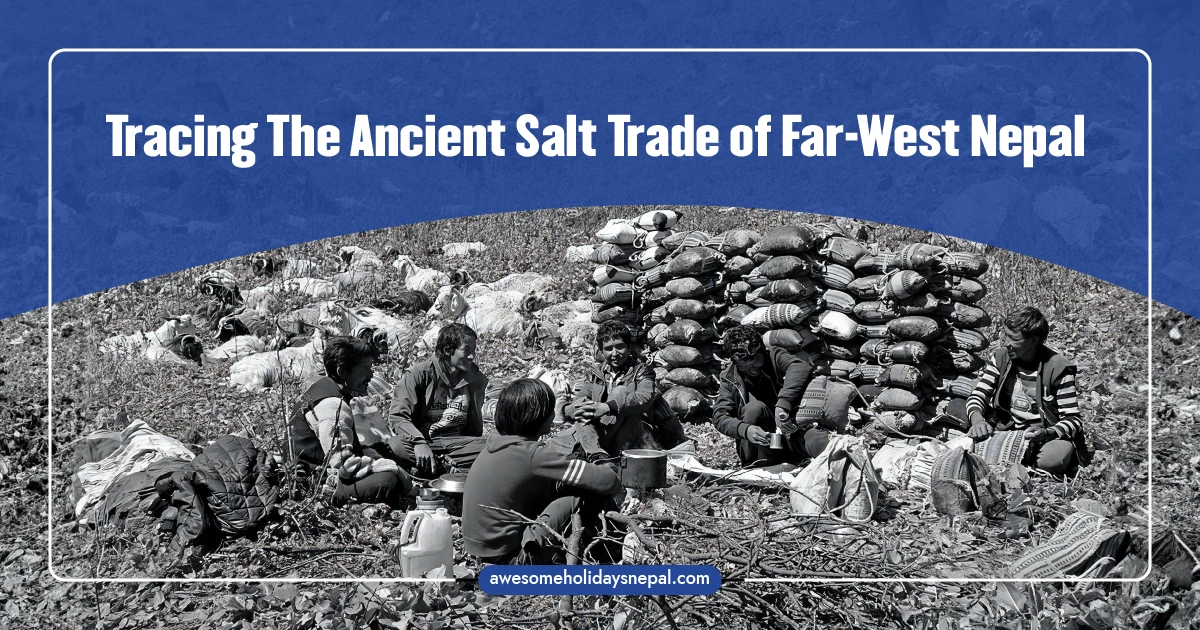
Do you know about the Ancient Salt Trade of Far West Nepal? If not, then you’re in the right place.
Here, we will discuss one of the most fascinating yet overlooked stories hidden in the remote Himalayas of Far West Nepal. Salt trading is not only about history; it is about the way of life, a memory of survival, resilience, and connection between worlds separated by some of the highest peaks.
If you walk through remote villages of Mugu, Dolpo, Humla, Bajhang, or Darchula, you can still hear echoes of caravans that once carried salt, also known as the white gold, across Himalayan settlements as of now.
Continue reading the blog so that you will explore the ancient salt trade of Far West Nepal with details of its history, cultural impact, and how modern travelers can still explore these forgotten trails.
The Origins of the Ancient Salt Trade of Far West Nepal
The Ancient Salt Trade of Far West Nepal formed a vital link between the Tibetan plateau and the lower hills of Nepal for many centuries. Tibet had a huge supply of salt from its extremely vast lakes, while Nepal, being a landlocked country, had only grains harvested from the mid-hills and plains. This natural imbalance between Tibet and Nepal results in the exchange of goods without using a currency.
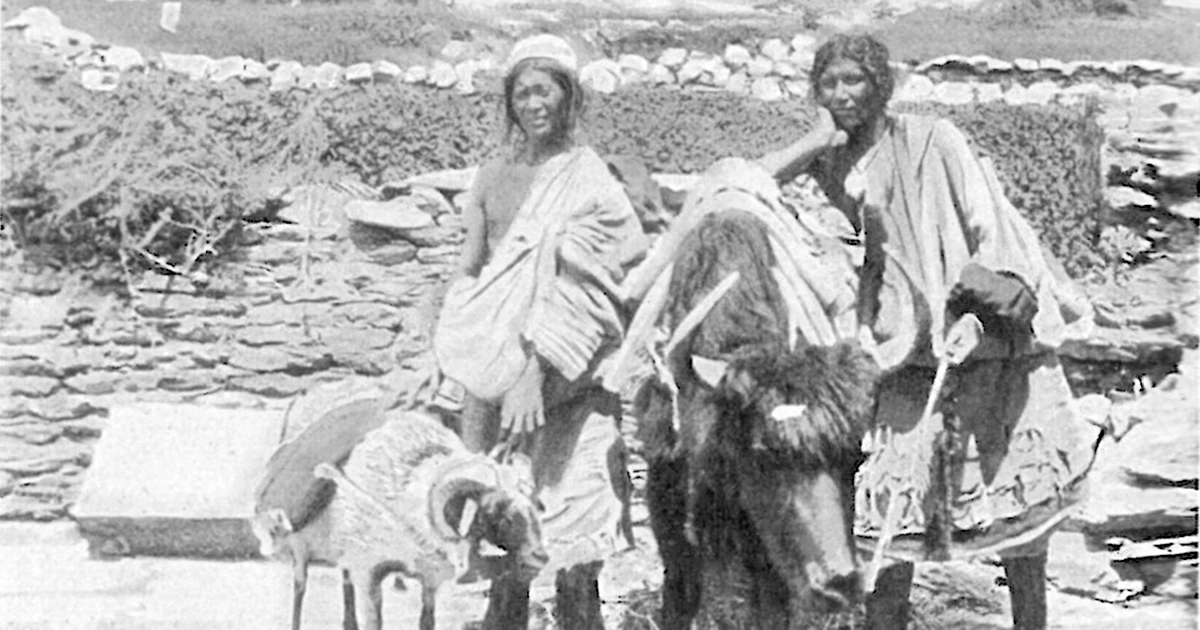
Locals from Humla and Mugu started doing the exchange for their survival. The lifestyle of the Far west Communities used to revolve around food preservation, animal husbandry, farming, and daily consumption with trade.
As a result, the Ancient Salt Trade of Far West Nepal played a major role in connecting isolated Himalayan settlements with the outside world.
Caravan Routes Through the Himalayas
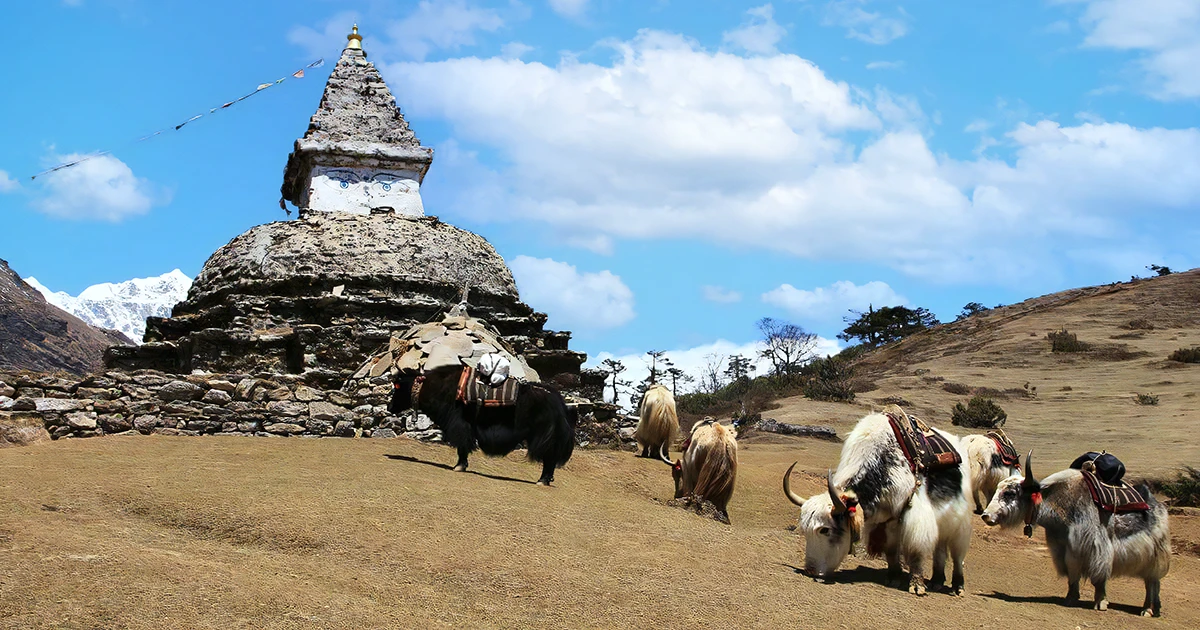
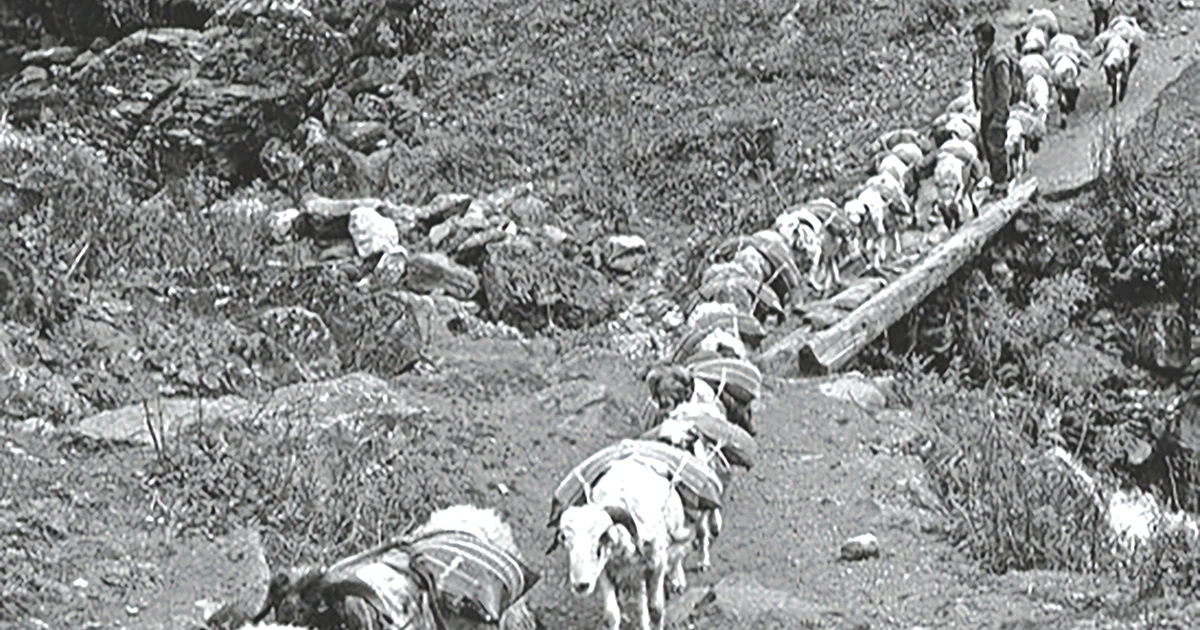
The backbone of the Nepal-Tibet barter trade of salt was its network of dangerous yet vital trails. Local traders have to cross high passes, deep gorges, and icy ridges just to transport goods that are essential for their daily consumption. Caravans are often made up of yaks, sheep, and goats, which move slowly but continuously across trading routes like:
- Humla to Taklakot (Tibet)
- Lapcha La and Limi Valley trails
- Routes connecting Bajura, Achham, and Doti
These trading paths were not just trade routes for them, but they were the pathway that helped them survive. Tibet Traders used to bring salt and wool and return with rice, barley, and other essentials from the Far West region of Nepal.
Not everyone can travel in these routes; only those who have deep knowledge of weather, terrain, and timing can travel successfully and return with the exchanged goods. They are more prone to Snowstorms, landslides, and altitude sickness, but for their survival, they continue trading from generation to generation.
Life Along The Ancient Salt Trade of Far West Nepal
Life along the Trans-Himalayan region depends on the trade cycles. Every community member always takes part in this seasonal movement.
- Men led caravans across mountain passes.
- Women were involved in households and local exchanges.
- Villages became temporary trade hubs.
Salt was often exchanged directly for grain but sometimes in simple ratios like one measure of salt for multiple measures of grain. This Nepal-Tibet barter trade system built trust between communities, which resulted in strong relationships and lifelong partnerships, connecting families across borders.
Cultural Exchange and Human Connections
The Ancient Salt Trade of Far West Nepal is not only about economy, but also played a huge role in cultural exchange. As traders moved between Nepal and Tibet, they carried more than goods:
- Languages blended
- Religious practices spread
- Stories and traditions traveled
When travelling through Humla, traders or Yak Caravans rest and pray for their safe journey in cultural sites like Rinchenling Monastery, Namkha Khyung Dzong Monastery, Kermi Monastery, and Yanger Gumba. These interactions created a shared Himalayan identity as of now. These route was not just about survival but it was also about connection.
The Decline of The Ancient Salt Trade of Far West Nepal
The Ancient Salt Trade of Far West Nepal began to fade in the mid-20th century. The reasons that contributed to its decline are:
- Introduction of cheaper, refined salt from southern regions
- Development of roads and air transport
- Political changes affecting Tibet-Nepal trade
Also, advancements in modern systems replaced traditional caravans, and the once-busy trails are now silent. Today, only fragments of the Ancient Salt Trade remain, where stories are told by elders, abandoned trails, and ancient resting villages.
Traveling the Ancient Salt Routes Today
If you are those travelers who want to explore something raw and meaningful, then you should go on the journey to the Ancient Salt Trade region of Far West Nepal in 2026. You will get the following things when trekking along these historic routes:
- Walk through untouched Himalayan landscapes like deep gorges, high mountain passes, and remote valleys.
- Experience authentic village life and listen about the salt trade stories from locals.
- Follow paths once used by yak caravans in regions like Humla, Limi Valley, and Upper Karnali.
- The trails remain untouched and less commercialized, offering peace, silence, and a deeper connection with nature.
- Following this trade route is not just physical travel but it’s a cultural and emotional experience.
- Along the way, you’ll pass through remote settlements where life moves at its own pace. In these villages, hospitality feels genuine and unfiltered.
You can see and explore the traces of The Ancient Salt Trade in:
- Humla
- Dolpo
- Limi Valley, and
- Upper Karnali
These trails are yet to be commercialized, but offer off-the-beaten-path exploration in Nepal.
Why The Ancient Salt Trade of Far West Nepal Still Matters
The ancient salt trade of Far West still matter because of :
- It holds deep historical and cultural importance.
- It reminds us of a time when survival depended on cooperation and mutual support.
- This highlights the value of natural resources like salt, once considered “white gold.”
- It teaches how communities built strong relationships through trade and trust.
- Cultural exchange Bon religion ancient trails helped shape shared traditions and identities.
- It reflects the resilience of mountain communities who adapted to harsh environments.
- There is also a powerful story of resilience embedded in these routes. The people who lived and traded here adapted to extreme conditions with remarkable strength.
- It shows how geography influenced trade, culture, and everyday life.
- Mainly it helps us understand how history continues to shape the present.
Conclusion on The Ancient Salt Trade of Far West Nepal
Walking through the remote trails of Karnali, it’s easy to imagine the sound of bells tied to yak caravans and the footsteps of traders who once braved these mountains. The Ancient Salt Trade of Far West Nepal is more than history as it is a story of endurance, exchange, and humanity.
If you are into a journey that goes beyond landscapes and into the soul of Nepal, follow the paths of the Ancient Salt Trade in Far West Nepal. You won’t just travel through mountains but you’ll travel through time.
Explore the Ancient Salt Trade routes today and book your authentic Himalayan journey with Awesome Holidays Nepal for an unforgettable cultural adventure in 2026.
FAQs
Expand AllWhat was the ancient salt trade route in Nepal?
The ancient salt trade route in Nepal was a trans-Himalayan network where traders used to carry salt from Tibet into Nepal and exchanged it for grains.
Where exactly is Far-West Nepal?
Far-West Nepal refers to the western most tip which include regions like Humla, Mugu, Bajura, and parts of Karnali Province.
Is the salt trade still active in Dolpo and Humla today?
Yes, the salt trade is still active in Dolpo and Humla today.
What permits do I need for Upper Dolpo and Karnali in 2026?
You need restricted area permits, national park permits (like Shey Phoksundo), and a TIMS card for Upper Dolpo and Karnali in 2026.
What cultural groups were involved in Nepal’s salt trade?
Cultural groups like Thakalis, Sherpas, Bhote/Bhotia, and Dolpopa were involved in Nepal’s salt trade.
What is the best trekking season for Far-West Nepal?
Spring (April–June) and autumn (September–November) is the best trekking season for Far-West Nepal.
Are there guided tours that follow the historic salt trails?
Yes, there are guided tours that follow the historic salt trails.
What should I pack for a remote Karnali trek in 2026?
You should pack warm layers, a sleeping bag, trekking gear, water purification, and basic medical supplies for a remote Karnali trek in 2026.
How can tourism support salt trade communities ethically?
Tourism support salt trade communities ethically by hiring local guides, staying in community lodges, and respecting local culture and environment.
What are the alternative names for the Nepal salt trade route?
The alternative names for the Nepal salt trade route is Trans-Himalayan Salt Route or Tibetan Salt Trade Route.
Is it safe to travel to Humla and Mugu districts now?
Yes, it is safe to travel to Humla and Mugu districts with proper planning, permits, and a reliable guide.
How long does a typical Dolpo salt route trek take?
A typical Dolpo salt route trek usually takes around 18–25 days depending on the itinerary.
What is the cost of trekking in Far-West Nepal vs. Everest region?
Far-West treks can be expensive or higher due to logistics even though it is less commercial than Everest.
What animals were used in the Himalayan salt trade?
Yaks, sheep, and goats were commonly used in the Himalayan salt trade.
How long does a trek along the Humla salt trade route take?
A typical trekalong the Humla salt trade route take about 12–18 days.
Do I need a special permit for Far-West Nepal trekking?
Yes, you need a restricted permits and national park entry fees for Far-West Nepal trekking.
Is the Limi Valley trek part of the ancient salt route?
Yes, Limi Valley trek is part of the ancient salt route.
Why did the trans-Himalayan salt trade decline?
The trans-Himalayan salt trade decline due to modern roads, cheaper imported salt, and changing economic systems.
Are there teahouses on the Far-West Nepal salt route, or is it camping only?
The Far-West Nepal salt route trekking includes camping only.
How difficult is the ancient salt trade trek compared to Everest Base Camp?
The ancient salt trade trek compared to Everest Base Camp is generally more challenging due to remoteness, lack of infrastructure, and longer durations.
Related blog posts
Discover a choice of tourist destinations loved by most of our visitors. Whether you're on a jungle safari to spot rare animals or walking through a world heritage site, these well-planned itineraries cover the major highlights of Nepal.

 call an expert at: