
Altitude Sickness in Manaslu Trek: AMS Symptoms and How to Handle Them

 Amrit K. Aryal
Trekking on the Manaslu Circuit is an thrilling adventure, offering trekkers a chance to experience Nepal’s rich culture and breathtaking landscapes. However, understanding Altitude Sickness in Manaslu Trek is essential for a safe journey.
Altitude sickness in Manaslu is real. The ascend is quick, but the air thins. Your chest feels heavy sometimes, and if you don’t listen to your body, it bites back. Headache, dizziness hits you and your stomach wont let you sleep. The trek’s high-altitude environment demands careful planning and carefulness, especially regarding altitude-related health concerns. This blog provides an essential information on altitude sickness, acclimatization plan, and tips to ensure a safer journey to Manaslu Circuit Trek..
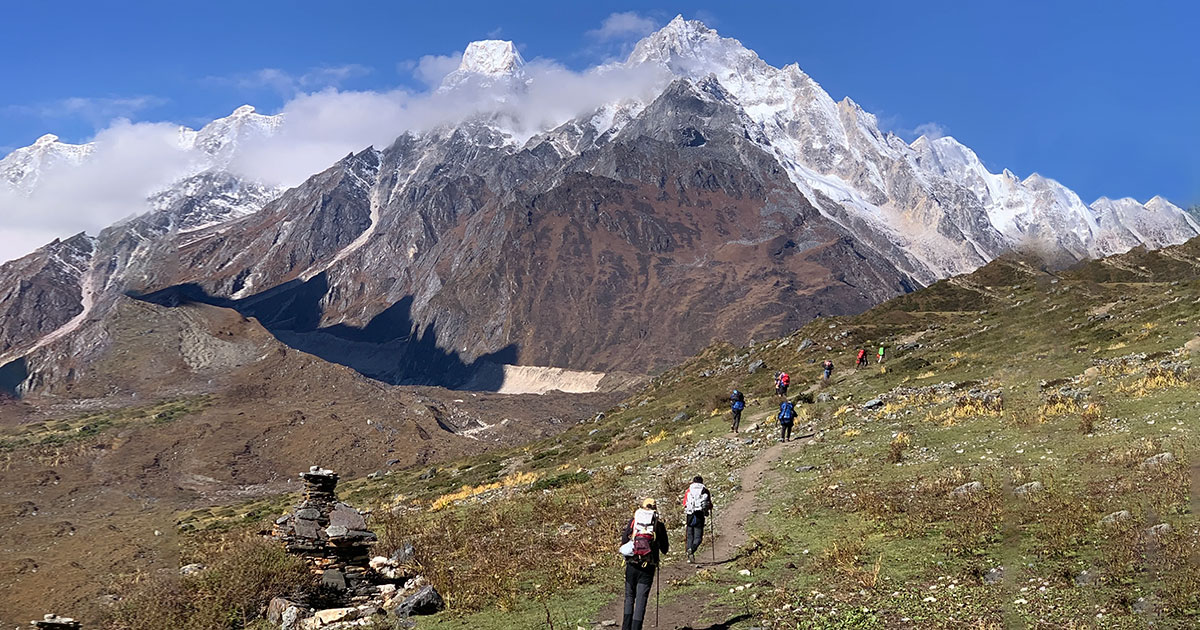
Quick Facts about the Manaslu Valley Trek
- Mansiri Himal of Gorkha District, Central Nepal.
- Trek Length is 14–18 days, depending on itinerary and your pace and rest days.
- Its a Circuit trek, combining cultural exploration in isolated townlets with high passes.
- Trek start generally from Arughat or Soti Khola.
- Larkya La Pass, highest point lies at 5,106–5,160 meters.
- Manaslu Base Camp, 4,800 meters.
- Lho (3,180 m), Samagaun (about 3,520 m), Samdo (approximately 3,860 m), and Dharamsala/Larkya Phedi (approximately 4,460 m) are villages for a pause.
- Landscape include glaciers, alpine meadows, terraced farmlands, rhododendron woods.
- Cultural heritages such as mani walls, Tibetan Buddhist communities, monasteries, and traditional Gurung villages.
- Moderate to strenuous trek, requires adequate acclimatization.
- Pre-monsoon (March–May) and post-monsoon (September–November) are the best times to trek because of the clear views and consistent weather.
- permits? you need Manaslu Conservation Area Permit (MCAP), Manaslu Restricted Area Permit (RAP), and TIMS, dont forget.
- Accommodation: sometimnes cozy, somewhere just a wooden plank in layers to hide your hed.
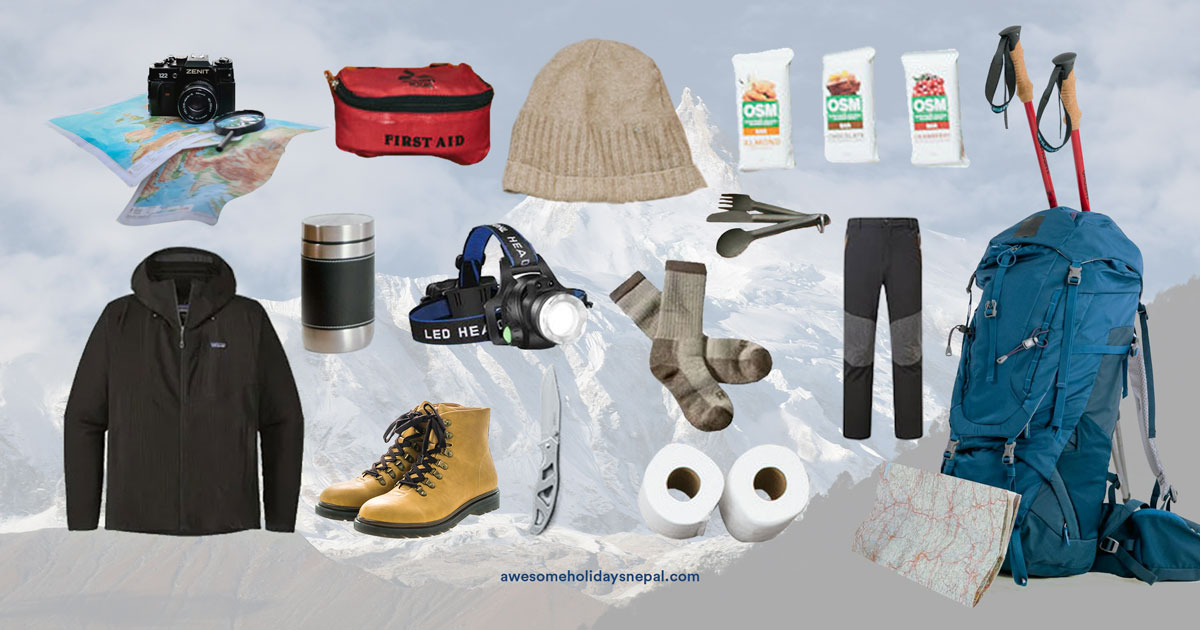
- Travel essentials include sun protection, a first aid kit, hiking poles, good walking boots, and layers of clothes.
Altitude gain? It Matters.
Altitude is something that can flip a trek from adventure to disaster. AMS usually hits above 2,500 m. It starts small with simple symptoms. The pressure headache, feeling weak, maybe nausea. If ignored, it can push into nasty stuff like HAPE or HACE, which are not words you want to learn by experience. Larkya La Pass goes above 5000m, the volume of oxygen, making breathing more challenging. In the event that adequate acclimatization is not followed, this decreased oxygen availability may put stress on the body and result in AMS symptoms. The danger of altitude sickness on the Manaslu Trek can be considerably decreased with proper acclimatization.
Altitude Sickness in Manaslu Trek and and Symptoms
Above 2,500 meters, the air thins and lungs doesnot get required mount of air, resulting Acute Mountain Sickness (AMS). Serious case results to HAPE (High Altitude Pulmonary Edema) or HACE (High Altitude Cerebral Edema), can be avoided by if identified early. During the Trek, headache, nausea, dizziness, and tiredness are symptoms of altitude sickness.
- Headache
Headaches can be your first alarm, frequently feeling of dullness, and pressure around your forehead. They can be accompanied by light sensitivity and typically get worse with physical activity. A warning indication to descent is a persistent headache that doesn’t go away with rest or pain medication.
- Nausea and vomiting
Stomach turns rebel. You feel queasy, lose taste for food, maybe end up throwing up. Appetite shrinks, water intake drops, and then you’re more dehydrated which just makes it worse. Trick is to sip often, eat little bits of light foods instead of stuffing.
- Lightheaded, dizzy
That woozy feeling, feels like the earth is tilting. Standing up quick or climbing a slope makes it worse. If dizziness comes with exhaustion or confusion, that’s red flag territory.
- Weakness, fatigue
Even a small uphill can drain you dry. Legs like lead, lungs complaining. Muscles lose their usual spark. That’s just oxygen shortage talking. The best cure is slow down, don’t push, dont rush. Rest is not laziness here, it’s a survival hack.
- Reduced Appetite
At high elevations, many trekkers lose their appetite. Lack of food intake can hasten tiredness and hinder recovery when combined with elevated energy need of the physique. Intake of meals and snacks high in carbohydrates and protein helps to maintain energy levels.
- Sleep Disorders
Frequent awakenings and inadequate sleep are signs of not getting enough rest at high altitude. Shortening of breathing, a common breathing disorder, can boost sleeplessness. Sleep quality can be enhanced with proper rest and progressive acclimation.
Even while AMS is usually minor, if symptoms continue and worsen, will lead to more serious conditions like High-Altitude Cerebral Edema (HACE) or High Altitude Pulmonary Edema (HAPE), which seek both medical attention. In order to keep them under control, during the Manaslu Trek, trekkers should constantly keep an eye on your health.
Acclimatization Strategies for the Manaslu Circuit
Adecuate acclimatization is crucial to prevent AMS and other heath problems. Here are key strategies:
Slow Ascent
Having knowledge of symptoms of altitude sickness is essential to prevent bigger issues during your Manaslu Trek. To give your body time to adapt to the dropping oxygen levels, ascend gradually. Over 3,000 meters, a rise in sleeping altitude of no more than 300 to 500 meters per day is advised. Consider taking a day climb to Birendra Lake (~3,600 m) after arriving at Samagaun (3,520 m) and then returning to Samagaun to rest.
Rest days and Acclamatization
Adding days on your schedule for rest days, particularly following large altitude gains. In villages like Samagaun or Samdo, staying an additional night enables your body to properly adjust to the height. This trick works especially well before climbing Larkya La Pass.
Hydration and Nutrition
Maintain a carb rich balanced, stay hydrated and maintain nutrition that supports body rhythm and helps the body adapt to thinner oxygen at high altitude. do not take alcohol and cogrettes? No! Not at all.
Acclimatization Points on the Manaslu Circuit
Incorporating rest days at key points like Samagaun and Samdo reduces the likelihood of Altitude Sickness in Manaslu Trek. Strategically planned stops along the trek aid in acclimatization:
- Lho (3,180 m), village generally for a short hike, and rest.
- Samagaun (≈3,530 m), is ideal for acclimatization, hikes to Birendra Lake or Manaslu Base Camp nearby.
- Samdo (≈3,860 m), also for acclimatization, visit the village and prepare for high pass
- Dharamsala/Larkya Phedi (≈4,460 m), final stop before high pass of Larkya La
| Day | Location | Altitude (m) |
| 1 | Arrival at Kathmandu | 1,400 |
| 2 | Drive to Machhakhola | 900 |
| 3 | Jagat | 1,340 |
| 4 | Deng | 1,860 |
| 5 | Namrung | 2,660 |
| 6 | Shyala | 3,500 |
| 7 | Samagaun | 3,530 |
| 8 | Acclimatization at Samagaun | 3,520 |
| 9 | Samdo | 3,860 |
| 10 | Acclimatization at samdo | 3,860 |
| 11 | Dharamsala | 4,460 |
| 12 | Crossing Larkya La Pass | 5,106 |
| 12 | Bimthang | 3,590 |
| 13 | Tilje | 2,300 |
| 14 | Dharapani | 1,963 |
| 15 | Besisahar | 760 |
| 16 | Drive to Kathmandu | 1,400 |
Recognizing and responding to AMS Symptoms
Observe an monitor your body and symptoms. If you experience something is not good,
- Stop, rest and do not ascend, not a meter.
- drink water, warm soup, eat light and digestable nutritious meals.
- Save beer while you ascend.
If symptoms worsen, then descending is the best medicine.
without a medical consultation, do not use any medications and supplements. Know how to use every elements of the firat aid kicomponents. Commonly used drugs include:
- Acetazolamide (Diamox), can help you prevent and reduce AMS symptoms.
- Dexamethasone for preventing swellingm rednedssa and allergies.
- Ibuprofen or Paracetamol are commonly used against headache.
Crossing Larkya La Pass
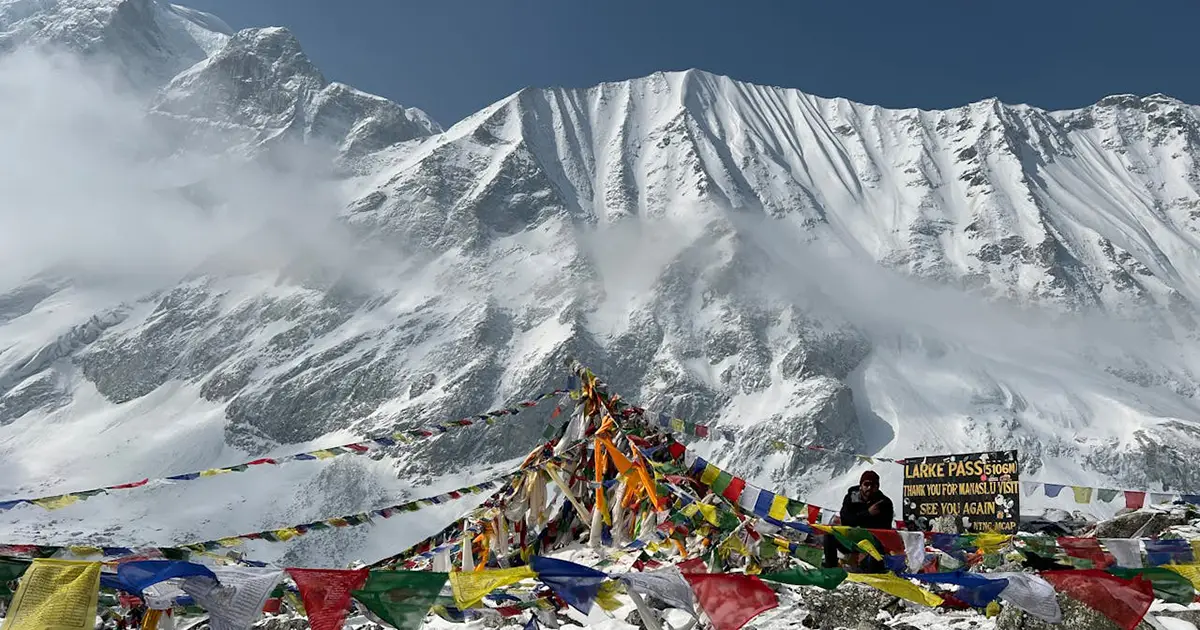
The Larkya La Pass, is the highest spot on the trek. Highly experienced trekkers are also susceptible to Altitude Sickness in Manaslu Trek, so caution is necessary. Crossing the Larkya La Pass is strenuous and requires preparation:
- Begin the trek early before sunrise to avoid afternoon weather changes and Bimthang is far and takes lond descending.
- Maintain a steady, slow pace, walk in a group
- Put on layers maintaining body temperature.
- Drinking water boosts up your blood flow, managing oxygen level
- Have snacks rich in carbohydrate to maintain energy demand.
Emergency Procedures and Communication
Emergency plans, descent routes and medical backup are important when dealing with Altitude Sickness in Manaslu Trek. In case of altituse sickness, AMS or other emergencies, do the following:
- Descend to a lower altitude as soon as possible.
- Use a satellite phone or emergency communication device to contact rescue services.
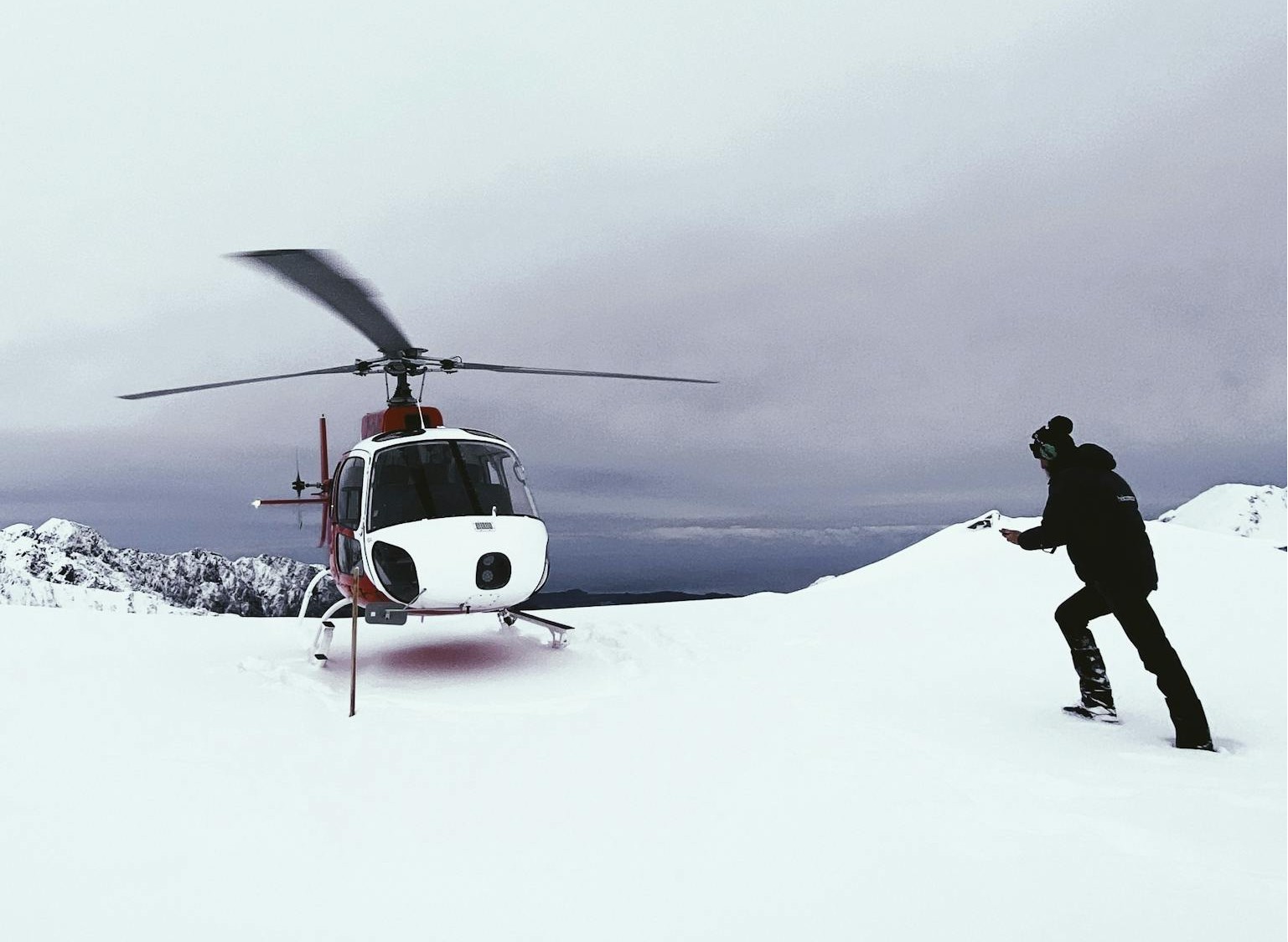
- Helicopter evacuation is possible but depends on weather and location and make sure your insuranc covers it.
Preparing for the Trek
Proper preparation is key to a successful trek:
- Start daily warmpu, cardiovascular training and to increase physical endurance.
- Get a quality trekking boots, clothing, and gear suitable for rugged terrian.
- Contact us for a experienced guide and porters, for your safety and best trekking experience.
Travel Preparation and Insurance
Before starting on the Manaslu Circuit Trek, proper preparation is crucial to ensure safety at high altitude. Key considerations include:
- Ensure your travel policy include high-altitude trekking, emergency evacuation, and medical expenses. This is essential for trekkers of all nations.
- Get your body examined before the trek and discuss any altitude-related health concerns.
- do you use any medicine witha a doctor’s presciption? Donot forget them at your table. Ask your doctor if you can consume preventive medications for altitude sickness, such as acetazolamide (Diamox).
- Stay informed of local travel advisories and safety guidelines for trekking in Nepal.
This preparation helps ensure that trekkers can focus on the adventure while minimizing health and safety risks at high altitudes.
Trekking Permits:
Get your tour operator to get the following before your tour starts:
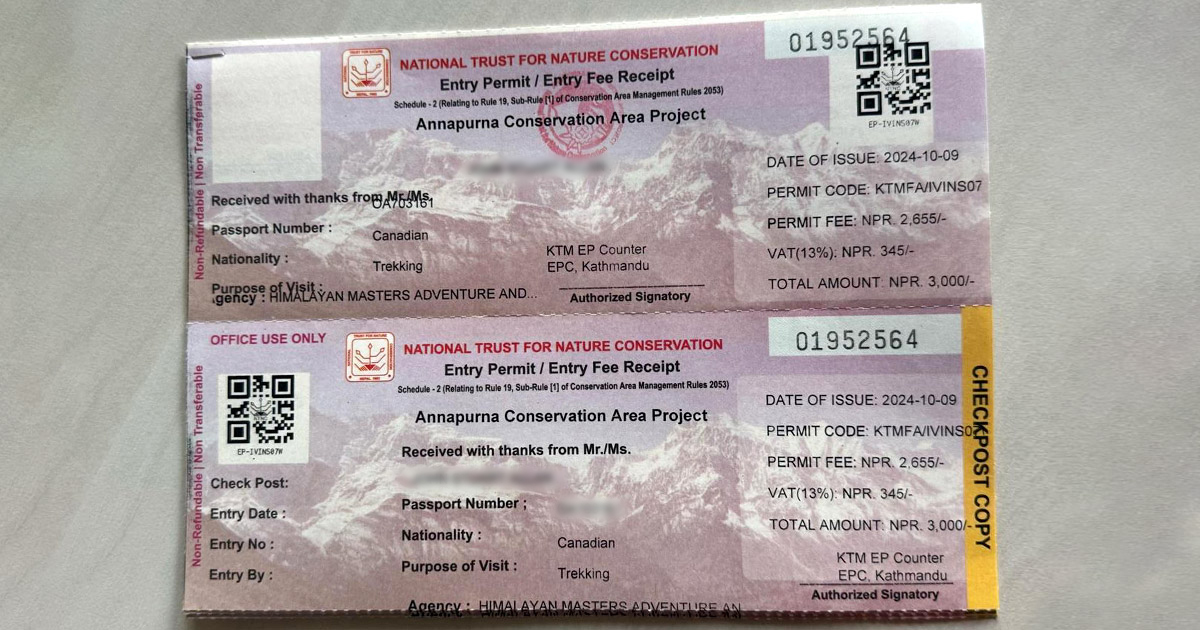
- Manaslu Conservation Area Permit (MCAP), without you cannot enter into the Manaslu Conservation Area.
- Annapurna Conservation Area Permit (ACAP), for entring into the Annapurna Conservation Area, after Larkya La.
- Check this site to know about the permit fee for different trekking routes.
Book your trek via email, or website. We will provide proper guidance, arrange permits, and make your trekking an experince not to forget.
Final Thoughts
The Manaslu Circuit Trek , a unique and challenging adventure in the Gorkha territory, is close to Tibet. Proper preparation, acclimatization , and ensuring right insurance and permits, is vital for a safe and enjoyable trek to Manaslu Region of Nepal. Go steady. Let your lungs adjustin low air, drink water like a thirsty camel in Sahara. Don’t be shy about taking a day off in a village even if your itinerary says move on. Altitude doesn’t care about your schedule.
If you want your itinerary and need permits, feel free to ask Awesome Holidays Nepal.
FAQs
Expand AllWhat is the altitude of Manaslu Base Camp?
Manaslu Base Camp is approximately 4800 meters above sea level. It’s a wonderful place before attempting higher passes like Larkya La.
What is the total altitude gain on the Manaslu Circuit Trek?
The trek starts around 900 meters to Machhakhola and ascends to 5,106 meters at Larkya La Pass, giving a total altitude gain of roughly 4,200 meters over the course of the trek.
How high does the Manaslu Trek go overall?
The highest point on the Manaslu Trek is Larkya La Pass at 5,106 meters.
What is Acute Mountain Sickness (AMS)?
AMS is a condition caused by rapid exposure to high altitudes where oxygen levels are lower, resulting in symptoms like headache, nausea, and fatigue.
At what altitude does AMS usually start to affect trekkers?
The common symptom of AMS usually appears above 2,500 meters. But personal experience differs in individuals.
What are the early symptoms of AMS?
The early symptoms of AMS are headache, nausea or vomiting, dizziness, weakness, loss of appetite and some may even experience loss of sleep.
How can you differentiate AMS from general fatigue?
AMS is characterized by headaches, nausea, and dizziness. The condition worsens with altitude. On the other hand, general fatigue is simply cured by resting, nutrition and hydration.
Can AMS become life-threatening on the Manaslu Trek?
Yes. Severe AMS can worsen and result in HAPE (High Altitude Pulmonary Edema) or HACE (High Altitude Cerebral Edema). These are the extreme conditions of AMS which are life-threatening if not identified and treated in time.
How can you prevent AMS during the trek?
Several preventive measures can be applied to prevent AMS during the trek. Ascending slowly, acclimatizing on the rest days, staying hydrated can help. Do not consume alcohol and cigarettes as they will dehydrate our body. Use medical attention if needed.
What role does acclimatization play in preventing AMS?
Acclimatization allows your body to adapt gradually to reduced oxygen, reducing the risk of AMS.
How many days are recommended at the Manaslu Circuit?
At least two days are set for acclimatization, normally at Samagaun and Samdo.
What are some acclimatization techniques for trekkers?
Staying hydrated, climbing high and sleeping low and trekking at a slow and steady pace.
Can medications help prevent AMS?
Acetazolamide (Diamox) is commonly used to control altitude sickness only under medical supervision.
What should you do if mild AMS symptoms appear?
As soon as you notice symptoms of AMS, take rest, drink water, eat light meals and do not ascend. If possible, go to a low altitude and monitor every symptom.
Is it safe to continue trekking with moderate AMS?
No. Moderate AMS also seeks precaution and attention. Slight worsening of condition mey be life threatening.
When should you descend immediately due to AMS?
Symptoms such as vomiting, delusion, confusion, and shortening of breath, descend immediately.
Are oxygen supplies available on the Manaslu Circuit?
Oxygen supplies are very limited on the Manaslu Trek. You need to carry your own supplemental oxygen cans. Plan ahead and discuss with your guide.
What are some natural remedies to help with altitude sickness?
Taking garlic and ginger during a trek helps a lot to control altitude sickness. Herbal teas are also meant to control nausea. Take light meals, drink enough water, and take enough rest.
How does hydration affect AMS risk?
Inflow of water helps maintain blood flow and supply oxygen in the blood, helping to reduce AMS severity. Make sure to avoid alcohol, cigarettes and excessive caffeine.
Can diet influence your susceptibility to AMS?
Carbohydrate and protein rich meals help to maintain oxygen supply and provide energy required for trekking.
How important is pacing yourself on the Manaslu Trek?
Maintaining a uniform pace is important during trekking. Walking slowly and steadily helps to reduce stress in the lungs and reduces oxygen demand in the body.
Are there altitude-related illnesses other than AMS to worry about?
Yes. when altitude sickness worsens, it leads to High-altitude pulmonary edema (HAPE) and high-altitude cerebral edema (HACE). These two conditions are fetal and may result to death if not treated in time.
How can trekkers monitor their oxygen levels?
Trekkers must carry a pulse oximeter to track oxygen saturation. This helps to identify early signs of hypoxia and prevent any further health complexity.
Are medical clinics along the Manaslu Circuit for AMS treatment?
Samagaun and Samdo have primary health posts but with limited resources. Carry your first aid box with enough medicine.
What equipment is recommended to handle high altitudes safely?
Trekking at high altitude needs proper planning. You need sunblock, layered clothing, good trekking boots, trekking poles, bag, sunglasses and a well-equipped first aid bag.
How do weather conditions affect AMS risk on the trek?
Cold, wind, and stormy weather increase physical stress, making acclimatization more challenging and raising AMS risk.
Can previous trekking experience reduce the chances of AMS?
Previous experience will only help you to plan your trekking but does not reduce the risk of altitude sickness.
Are children and elderly at higher risk for AMS on this trek?
Children are not advised to trek to Manaslu Circuit Trek. Elderly trekkers can trek only with better health can trek with slow pace and under close monitoring.
Related blog posts
Discover a choice of tourist destinations loved by most of our visitors. Whether you're on a jungle safari to spot rare animals or walking through a world heritage site, these well-planned itineraries cover the major highlights of Nepal.

 call an expert at: