
A Typical Day in Manaslu Circuit Trek
 Sujata Pokhrel
A trek through the Manaslu circuit offers a perfect combination of mountain views, challenging terrains, and rich cultural diversity. It takes you across luscious subtropical forests and terraced fields that swiftly change to high-altitude countryside and alpine forests. Hence, a typical day in Manaslu circuit trek usually involves a lot of walking and resting in the evening.
Not only is it an adventurous journey offering multitudes of trekking routes, but it is also an opportunity to immerse yourself in the unique cultural practices of Tibetan-Buddhist communities. You also get a chance to pass through the protected biodiversity of the Manaslu Conservation Area while walking on the off-beaten and quiet trails.
Let’s know in detail what a typical day in Manaslu circuit trek looks like.
A Typical Day in Manaslu Circuit Trek
Reaching the Starting Point of Manaslu Circuit Trek
Our journey to the sacred landscapes of the Manaslu region begins with a scenic drive through Trishuli’s green hills and river belts. Even though you must fly from your home to Kathmandu Valley to begin the trek, the actual ascent occurs from Machha Khola. This point is located in the northern part of the Gorkha district and takes about 8 to 10 hours.
As soon as we reach Machha Khola, we settle down in your accommodation and then quickly explore the surroundings. After a heartwarming dinner, we will rest to prepare for the trek the next day.
A Typical Trek Day in Manaslu Circuit Trek
Your actual trek through the rugged trails of the Manaslu circuit begins from Maccha Khola. We will wake up early with the sunrise, freshen up, and have breakfast before beginning the journey. As we continue our trek, we will cross numerous suspension bridges, traverse terraced fields, and pass through traditional villages. We will have lunch at a local teahouse in these villages and then continue the trek to the day’s destination.
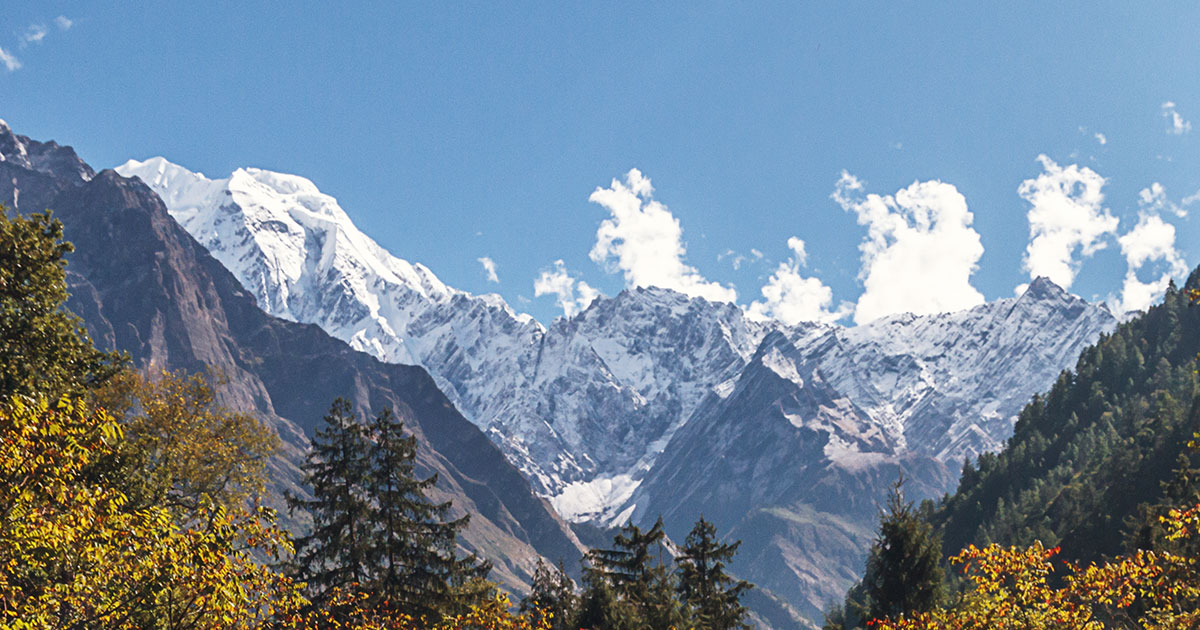
On the way, you will pass through a charming village with a unique blend of cultural influences, which will also mark our official entry into the Manaslu Conservation Area. This first day of the trek also sets the tone for the natural and cultural richness we’ll encounter.
Following this similar pattern, we will trek through the following route: Machha Khola-Jagat-Deng-Namrung-Shyala-Samagaon-Samdo. After reaching Samagaon, we will take a rest day for acclimatization to trek to the base camp next day. After returning from base camp we will trek to Samdo, take another acclimatization break and then continue with the following route: Samdo-Dharmashala-Larkya La pass-Bimthang-Tilje-Dharapani.
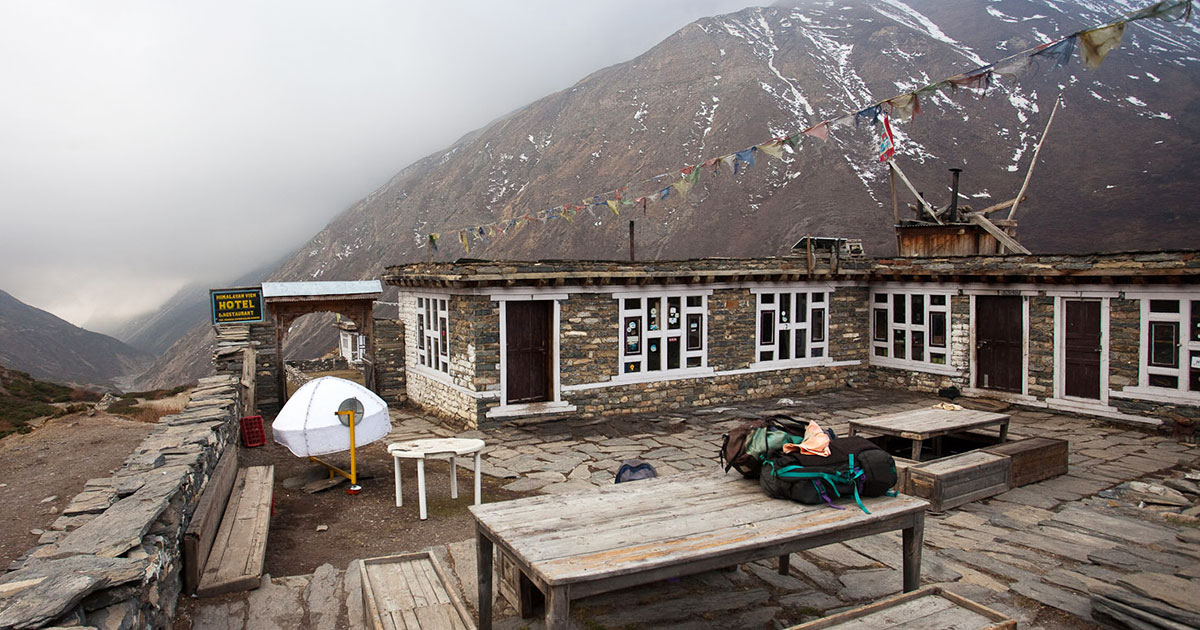
Every single trek day through these stops will be similar, i.e. it begins with a morning breakfast, continuous walks until the lunch break and then traversing through the jungles, rives, and villages till you reach the destination for the day. It usually involves 7 to 8 hours of trekking along with a few rest stops.
Acclimatization Day on Trek through Manaslu
You trek through the beautiful Himalayas of Nepal also involves rest days and acclimatization hike days. Unlike the trek day in Manaslu Circuit trek, these resting period are more relaxed and helps you better adapt to the environment. You wake up a little later than usual, enjoy a breakfast in a laid out mood and then stroll around the resting point. Often people also take a short acclimatization hike before having the dinner and resting out the day.
Here’s what an acclimatization day in Manaslu Circuit trek looks like:
Acclimatization at Samagaon
After reaching Samagaon, we will take a rest day for acclimatization to trek to the base camp next day. Samagaon is a large village with a deep cultural heritage, offers stunning views of Manaslu and provides a unique high-altitude experience. The serene beauty and cultural depth of Samagaon makes this. rest day a memorable highlight of the trip.
While adoring the mountain views and culture of the village, we will spend an additional day to acclimatize our bodies to these high altitudes. You will also have the option to trek to Manaslu Base Camp, which not only offers a breathtaking view of Manaslu and its surrounding peaks but also acts as a good acclimatization hike.
Acclimatization Day at Samdo
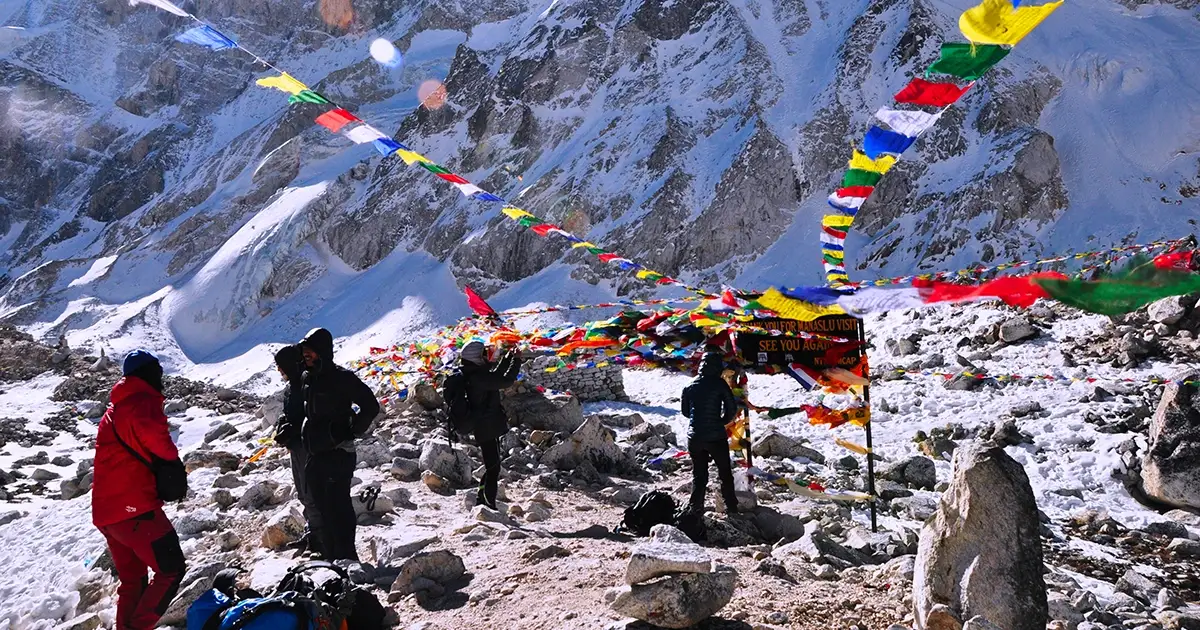
Since we are dealing with rapid shifts in altitudes and visiting a Tibetan border, we will take one more day to acclimatize while trekking the circuit. We’ll spend the day acclimatizing in Samdo with a scenic hike to the Tibetan border. This hike not only offers stunning views of the surrounding landscapes but also provides a unique opportunity to explore the cultural connections between Nepal and Tibet.
As we gain insight into the cross-border interactions, we’ll experience the rich cultural blend that defines this region. This acclimatization day is both enriching and essential, helping us prepare for the higher altitudes ahead.
Visiting Larkya La Pass
Another fascinating day during the trek is your visit to the Larkya la pass. The Larkya La pass is the highest altitude you will get on this trek. We’ll begin our day early to tackle the challenging Larkya La Pass, one of the trek’s most demanding yet rewarding sections. As we ascend, we’ll be rewarded with breathtaking views of Himlung Himal, Cheo Himal, and other majestic peaks.
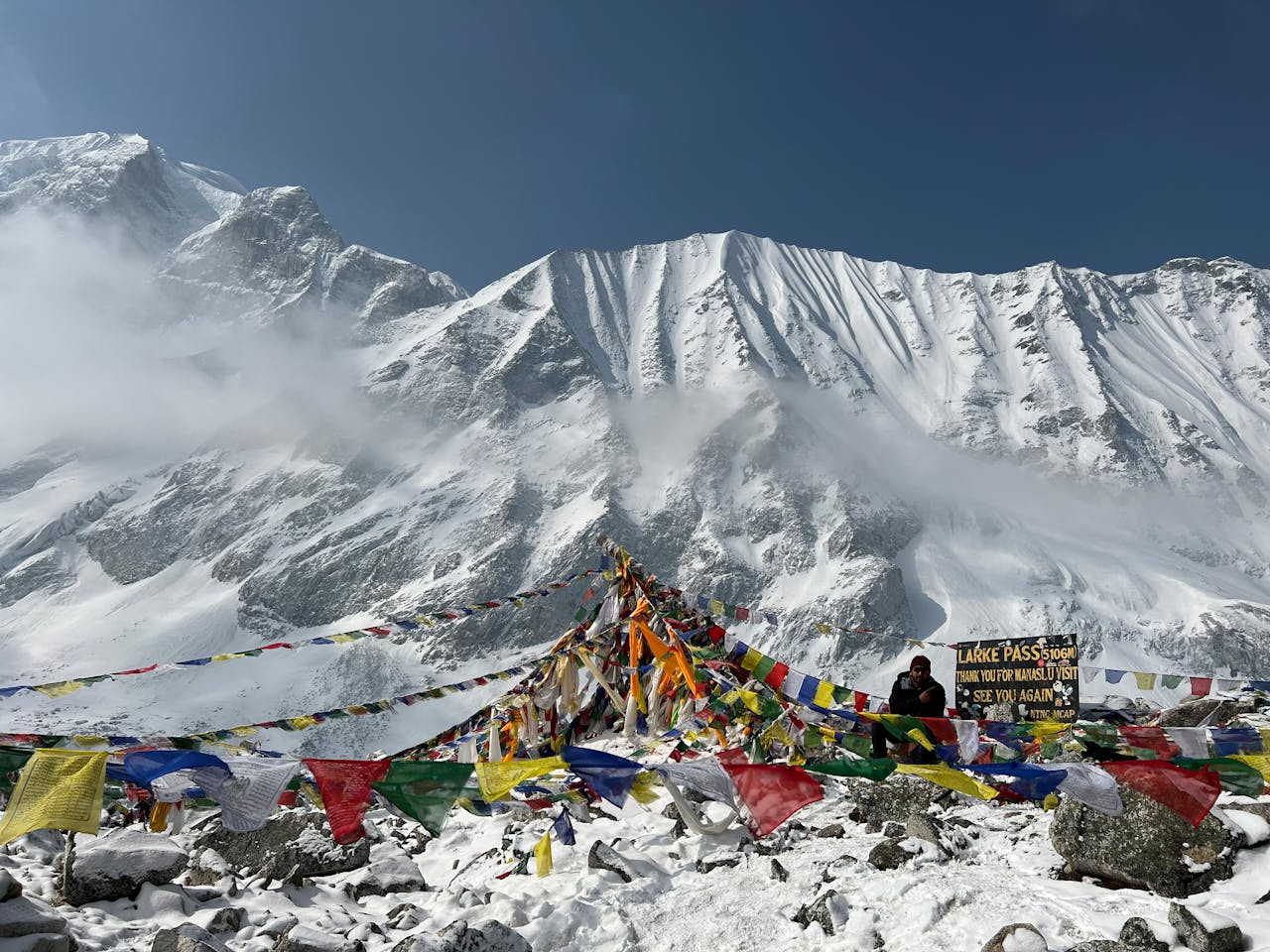
After reaching the top of the pass, we’ll descend into the beautiful valley of Bimthang, surrounded by towering mountains. This day is a highlight of our Nepal trekking journey, offering a profound sense of achievement and some of the most stunning scenery of the entire trek.
Trekking Back with a Memory
Manaslu Circuit Trek is indefinitely the most infamous trips in the Manaslu region. From exploring the rugged and untouched beauty of Manaslu Valley to iconic views of peaks from the high mountain passes of Larkya la and Rupina la, this trek offers a variety of activities.
You can catch a glimpse of Manaslu North and Manaslu, along with surrounding peaks like Samdo Peak, Cheo Mountain, Naike Peak, and Larke Peak from the Larkya la Pass. At the same time, Karche Pass will lead you to a mesmerizing view of dense rhododendron forests. And not to forget, a powerhouse of memorable experiences and many more.
Keep exploring!
FAQs
Expand AllHow long does the Manaslu Circuit trek take?
A standard Manaslu Circuit trek takes 16 days, starting from Machha Khola, and it also includes acclimatization days and stays at the area’s major attractions.
What permits are required for Manaslu Circuit Trek?
To explore the Manaslu region, you will require three different permits along with the TIMS permit. While the Manaslu Conservation Area permit and Annapurna Conservation Area permit are necessary for every trekker, Nepali citizens do not require the Manaslu Restricted Area permit.
Additionally, you must acquire a Tsum Valley Restricted Area permit to visit the valley.
Do I need travel insurance for Manaslu Circuit Trek?
It isn’t mandatory to take travel insurance for trekking the Manaslu circuit or to the Manaslu Base Camp, but it is advisable to do so to prepare in advance for possible catastrophic situations on the trek.
When is the best time to trek to Manaslu Region?
The best time to trek to Manaslu Region is during the Autumn and Spring seasons, as the climate is favorable and the trekking route is rich in luscious greens. For a safe, memorable, and incredible experience, plan a trek between mid-September and November or March and June.
What is the trek route to Manaslu Circuit like?
The trekking route to the Manaslu Circuit consists of rough rocky terrain, steep hills, stairs, and narrow trails. You will encounter suspension bridges, a biodiversity conservation area, luscious green forests, and locally inhabited villagers along your path.
Is it possible to trek solo through Manaslu Circuit?
The trekking route to the Manaslu Circuit consists of rough rocky terrain, steep hills, stairs, and narrow trails. You will encounter suspension bridges, a biodiversity conservation area, luscious green forests, and locally inhabited villagers along your path.
How do I get to the starting point of Manaslu Circuit Trek?
You can reach Machha Khola, the starting point of the Manaslu Circuit trek on a luxury tourist bus ride or on a jeep.
What’s a typical day like on the Manaslu Circuit Trek?
A usual day starts with a hearty breakfast, set off around 7 or 8 a.m. in the teahouse. Then a hike for 43-4 hours, broken up by lunch, and arrive at the lodge by mid-afternoon. Evenings are spent chatting with friends or exploring the village, having hot tea and dinner, often chatting with fellow trekkers or exploring the village.
How many hours do you walk per day?
A usual trekking day involves 6–8 hours of walking. More difficult sections like the Larkya La takes about 10 hours of trekking while acclimatization or shorter hikes may be under 4 hours.
What time does the trekking day usually start?
Trekkers generally begin around 7–8 a.m., after breakfast and packing. Its advised to start your trek as early as possible.
What kind of breakfast is served?
The teahouses provide basic but filling, nutritious breakfast like porridge, eggs, toast, tea, and local diet.
How far do you trek each day?
On a normal day, we trek for 15–20 km on average, but rough terrain and high altitude can reduce our pace and reduce the distance.
What’s the usual lunch routine?
Lunchtime usually falls after 3-4 hours of trekking in a teahouse or lodges on the easy. It is often a shorter break before heading out for the afternoon stretch to the tea house for night stay.
What meals are provided for lunch and dinner?
The meals during trek tend to be simple, rich in carbohydrate and protein, and filling. It usually comprises dal bhat (rice, lentils, pickle, vegetable), noodles, soups, pasta dishes, bread and plenty of tea.
What time do trekkers typically arrive at the lodge?
Trekkers usually reach teahouses between 2–4 p.m., depending on terrain and pace. Trekkers are strongly suggested not to walk after 5 pm for safety reasons.
What’s the typical evening routine?
When you reach your guest house or teahouse, you get fresh,get changed, unpack, have tea, and then dinner is served. Often trekkers spend some time reading books, playing cards, or chatting and get relaxed.
Are cultural or local activities included?
If there are any festivals around, you get too involved. If not, days off are spent exploring nearby monasteries, or visiting villagers, chatting with local people.
What kind of accommodation is available?
The teahouses in Manaslu Circuit Trek offer simple and basic rooms in twin sharing basis and shared bathrooms. Some teahouses also provide warm showers.
Is Wi-Fi or the internet available?
Teahouses are often connected with Wifi, while the teahouses in upper regions have slower speed. You can also use the data provided by sim cards such as NTC and Ncell.
How is an acclimatization day different?
Technically, this is one of the important days during trekking. Acclimatization prepares you for altitude sickness. This day, rather than long treks, your pace is slower, and you spend the day on smaller side hikes like visiting local monasteries, lakes, or villages.
What time is dinner usually served?
Dinner during trekking is usually served between 6–7 p.m.
How do trekkers prepare for the next day?
After dinner, trekkers pack their bags, refill water, charge phones, camera and other electronic devices, lay wet clothes to dry and prepare for a good sleep. Let your body get enough rest for the next push.
What’s the daily water and hydration routine?
Each trekker must drink at least 3 litres of water daily.Get your bottle and fill it at the teahouse. You must get hydrated to avoid altitude sickness and stay healthy at high altitude.
How is the routine different on Larkya Pass day?
This is the longest and toughest day during the Mansalu Circuit Trek. Usually 4–5 a.m., the treks start and head towards the Larkya La pass, without a formal breakfast. This is the steepest region in the trekking route.
Is there time for photography and sightseeing?
The Manaslu circuit is full of plenty of scenic views and cultural sights along the route providing you amazing spots for photography.
How do guides and porters manage the daily schedule?
Guides manage the logistics, coordinate the meals and teahouses, set the pace, manage altitude adjustment, and coordinate with the authorities. On the other hand, porters carry your gear so that you can walk freely and can enjoy the scenic beauty clicking photographs.
Is electricity available to charge devices?
Most of the teahouses are fitted with a solar power system that lets you charge your electronics. They will charge a small fee for the power and importantly, charge your devices before the power is consumed during night.
How do trekkers stay warm during cold evenings?
Trekkers must carry enough warm and layered clothing, down jackets, socks with them. Drinking warm soup and hot drinks will help you remain warmer. You can ask for an extra piece of blanket if the regular one does not comfort you enough.
Related blog posts
Discover a choice of tourist destinations loved by most of our visitors. Whether you're on a jungle safari to spot rare animals or walking through a world heritage site, these well-planned itineraries cover the major highlights of Nepal.
 call an expert at: