
Guerrilla Trek Nepal 2026: Complete Guide to Retracing the Maoist Trail Through the Himalayas
 Sristi Adhikari
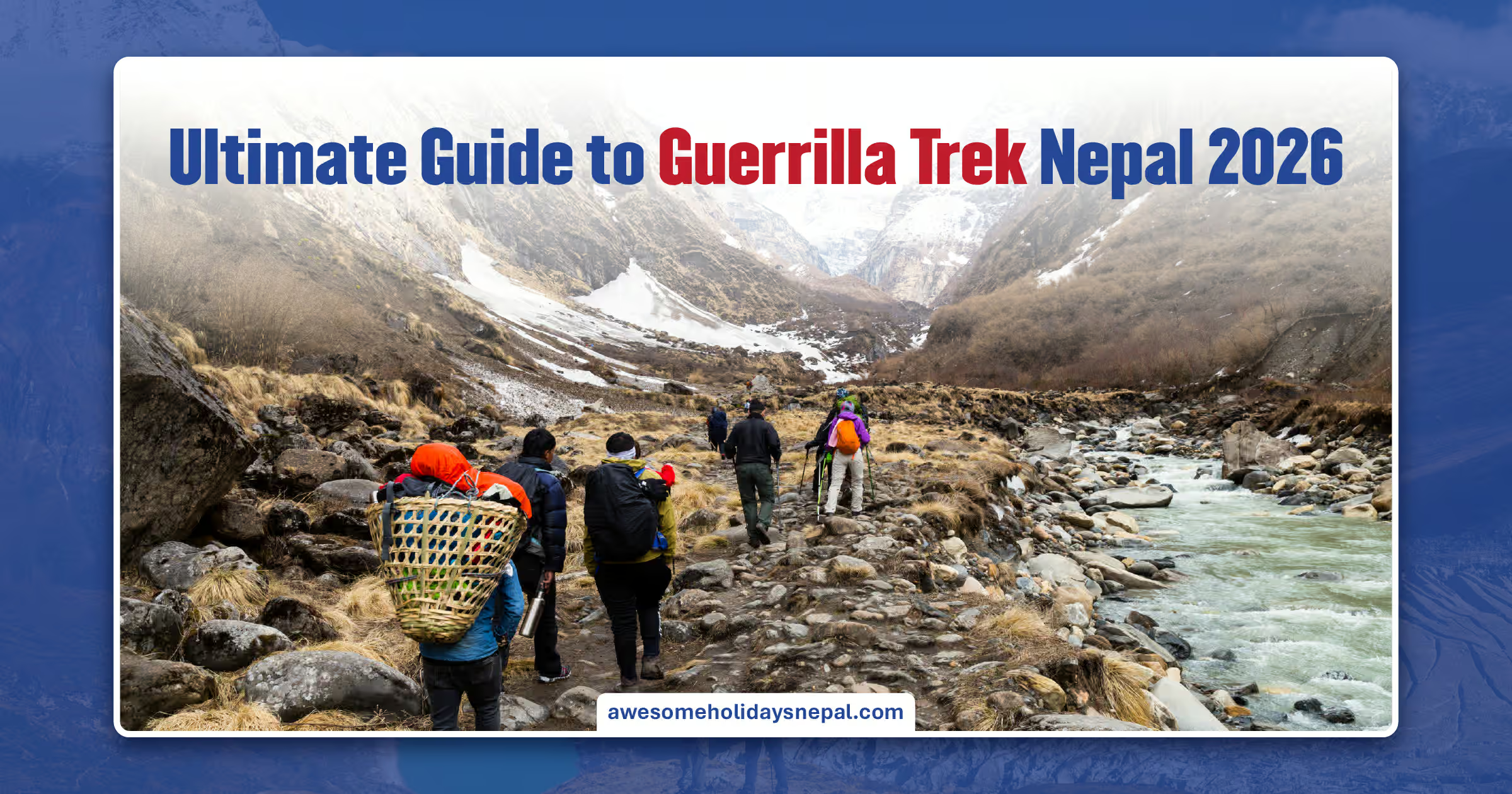
Guerrilla Trek Nepal, also known as Shangri-La trail, is one of the least explored trails of Western Nepal. Unlike crowded trails of Everest, Annapurna, Guerrilla trails of Nepal offers a calming and peaceful adventure when traversing side by side to intermittent flowing rivers, remote mountain villages, sheep herders, suspension bridges, small water streams, inside dense jungle, where traditional lifestyles remain largely unchanged.
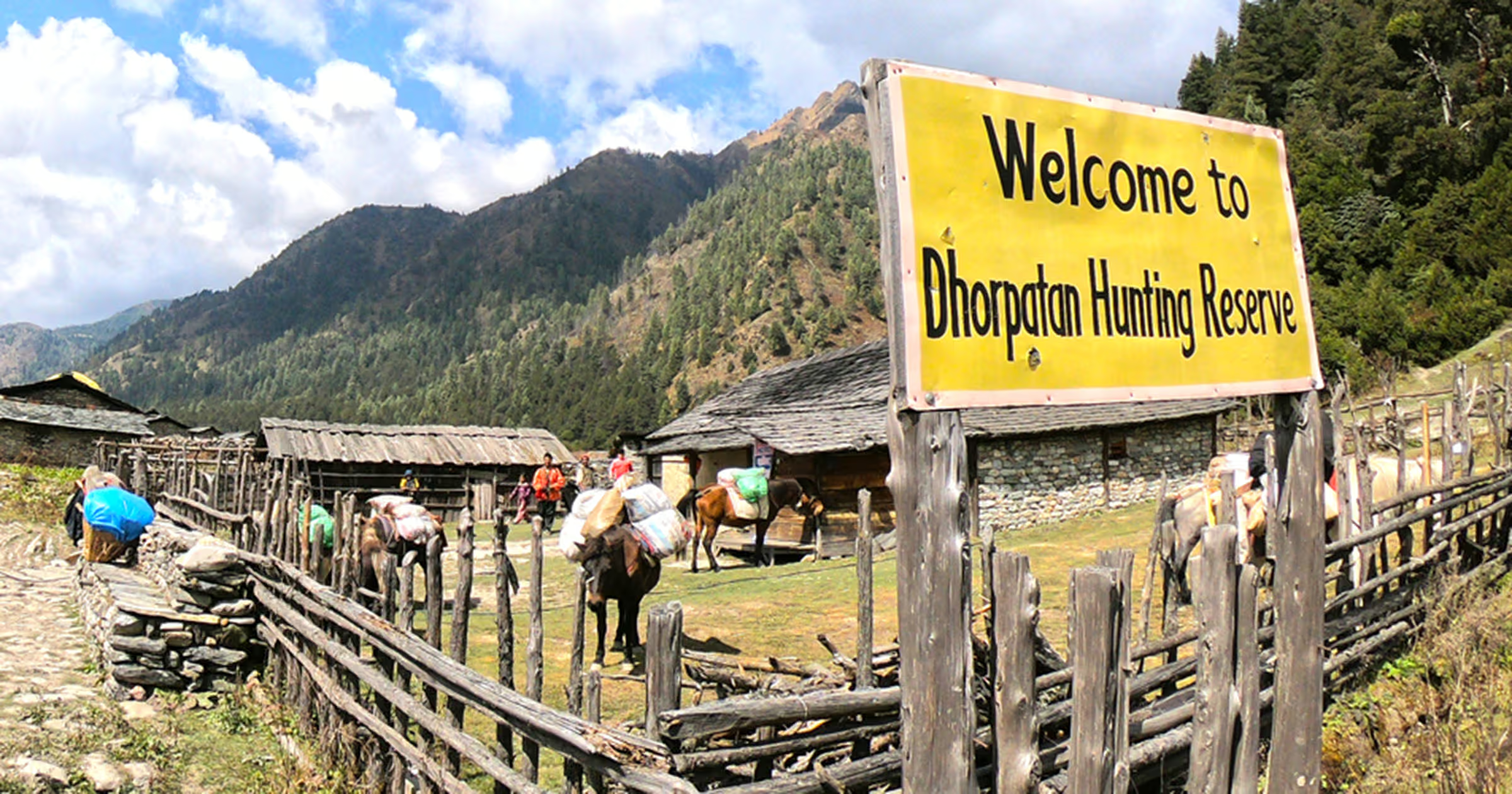
Once used by Maoist fighters/ Guerrilla during Nepal’s decade-long civil conflict from 1996 to 2006, this unexplored path has beautifully transformed into one of the most fascinating off-the-beaten-track trekking experiences in Nepal. The trekking trails take you through Dhorpatan Hunting reserve, the only legal hunting region of Nepal towards the deep cultural experience in Rukum and Rolpa.
Guerrilla Trek Nepal stands out as a journey for trekkers who are in search of authentic encounters and deeper insights into Nepal’s recent history in 2026. If you are also planning an immersive and inspiring way to explore the hidden gems of Nepal, continue reading our guide to Maoist trail Nepal for more details.
What is Guerrilla Trekking in Nepal?
The historic route which was once used by Maoist Guerrilla from 1996 to 2006 is called Guerrilla trekking in Nepal. The trekking trails expand from Myagdi, Baglung towards Rukum and Rolpa where Maoist used to hide during the first civil war in Nepal. The Maoists rebels fought against Nepal’s monarchy system by hiding in different regions of Nepal.
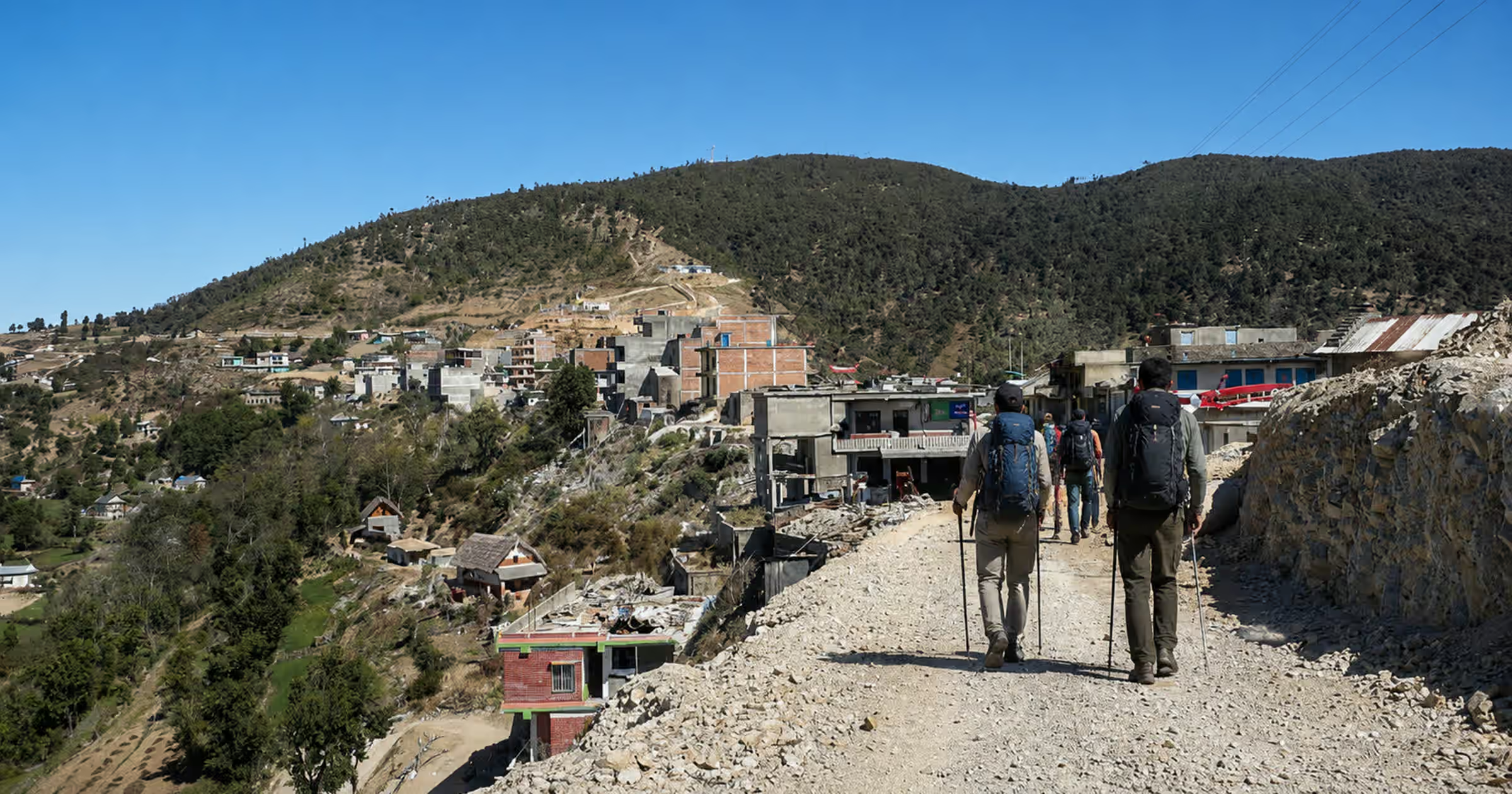
The civil war ended in 2006 and Maoists rebel Prachanda, also known as Pushpa Kamal Dahal returned to politics. He became the Prime Minsiter of Nepal in 2008. After this, locals started living freely without any fear of being killed by Maoist. Then, the local communities and tourism authorities developed the route into a trekking trail which is now known as Guerrilla trek Nepal while preserving the history with the motive of creating economic opportunities for locals of remote mountain villages.
Today, Guerrilla trek allows you to walk in the route where once locals used to get afraid to walk freely, explore their hideouts areas and shelter along with fascinating waterfalls, caves, lakes such as Kamala Daha (Lotus Sea) and Sun Daha while experiencing the warm hospitality of western Nepal.
Why Trek the Guerrilla Trail in 2026?
Guerrilla trekking in Nepal is one of the least discovered terrain and is perfect for those who are in search of solitude and want to avoid crowds in 2026. You can spend whole day trekking without having to meet another foreign trekkers on the routs.
As you will be trekking in the least crowded destination, you will get deeper insight of political history when staying in teahouses and homestays. You will be sharing meals with local families and gain insights into how they spend their lifestyle in Nepal’s remote western hills.
When traversing in the route where once civil war happened, you will encounter the remaining of the houses destroyed and how people are uplifting their life from the scratch. This multiple week journey ensures trekkers that no two days on Guerrilla Trek Nepal feel the same when crossing subtropical valleys, pine forests, alpine meadows, river gorges, and high ridges.
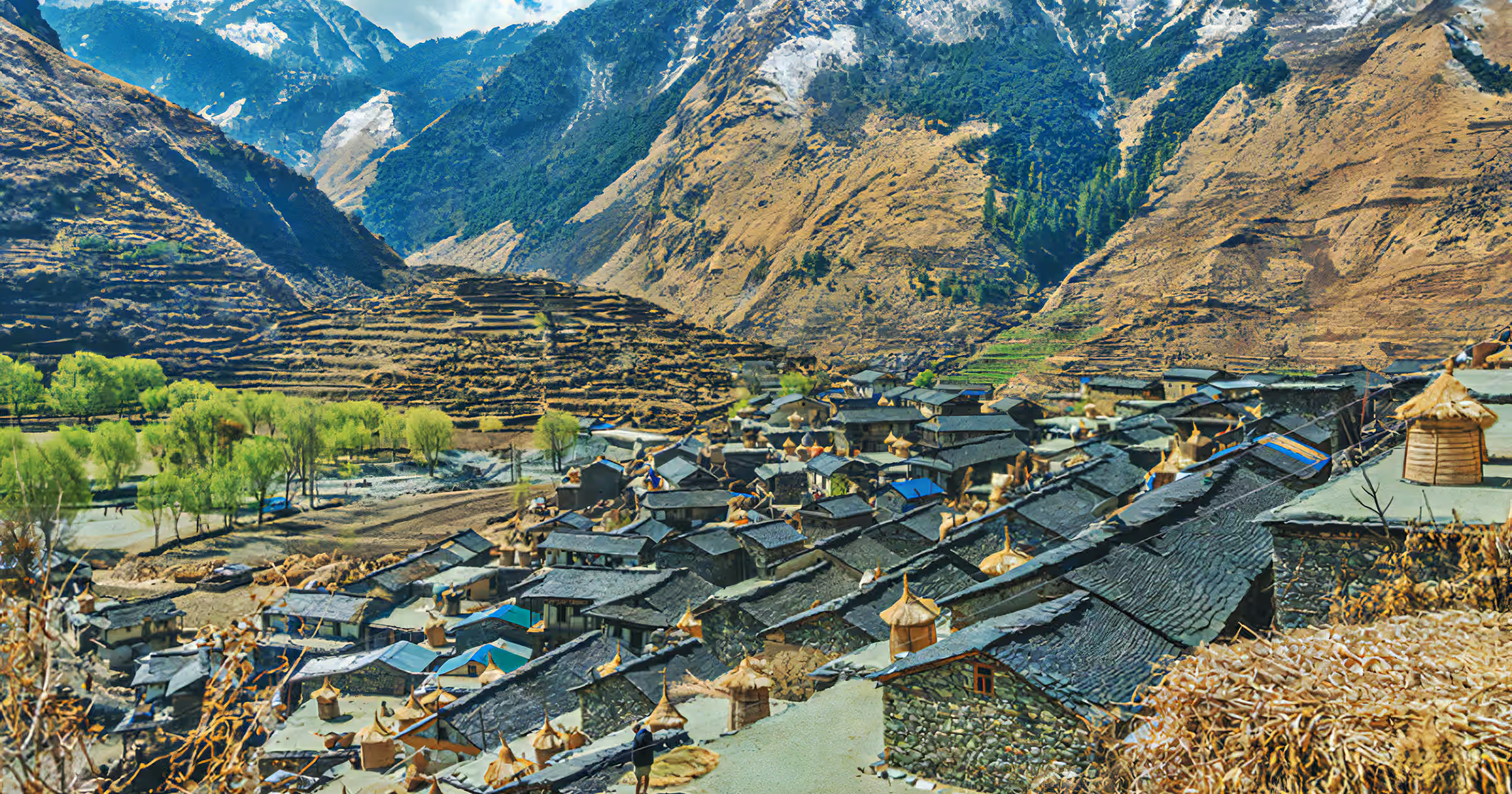
Additionally, the trek offers you to experience cultures that remain largely untouched by mass tourism as you walk by traditional stone house, terraced farming, tasting Nepali cuisine prepared in wood, or participating in local festival and rituals of ethnic groups like Magar, Chhetri, etc.
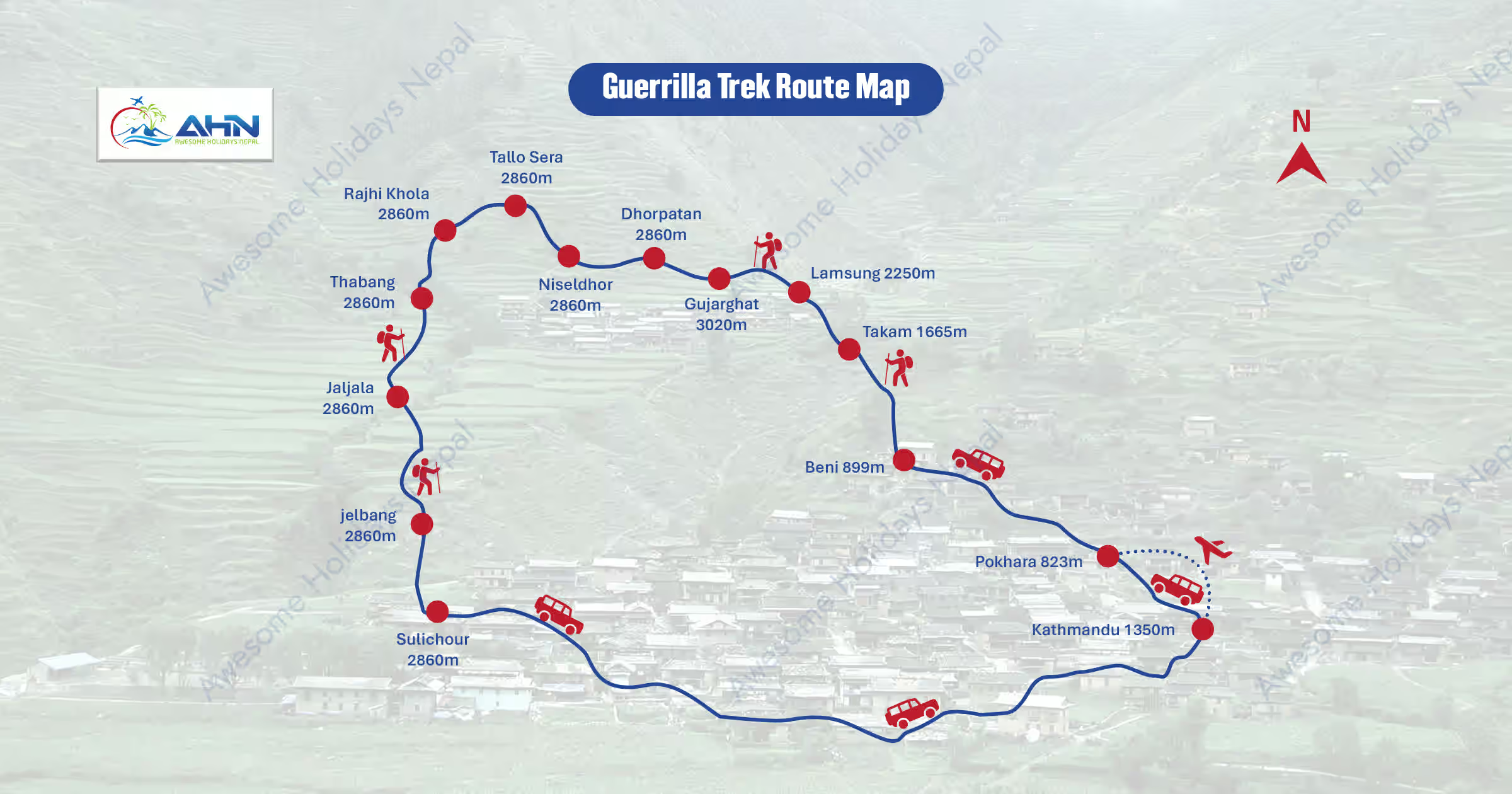
Guerrilla Trek Map
The trails of Guerrilla trek Nepal allows trekkers and cultural enthusiasts to explore the following routes like:
- Kathmandu ➡ Beni ➡ Burtibang ➡Dhorpatan
- Dhorpatan ➡Tallo Será➡ Thabang
- Thabang ➡ Jaljale➡ Suliochaur➡Kathmandu
Different trekking companies offer different versions of trekking trails for Guerrilla Guerrilla Trek itinerary but you will be crossing the above listed route in your trek.
Planning a Trek to Nepal?
Or Call or Message on WhatsApp +977 98434 13619
The Maoist trail Nepal, 14 day itinerary offered by our company, follows routes like:
- Day 1: Arrival in Kathmandu and sight-seeing
- Day 2: Drive from Kathmandu to Burtibang
- Day 3: Burtibang to Beni via drive
- Day 4: Trek from Beni to Takam
- Day 5: Trek from Takam to Lamsung
- Day 6: Trek from Lamsung to Gurjaghat
- Day 7: Trek from Gurjaghat to Dhorpatan
- Day 8: Trek from Dhorpatan to Nisi Dhor
- Day 9: Trek from Nisi Dhor to Tallo Sera
- Day 10: Trek from Tallo Sera to Rujhikhola
- Day 11 : Trek from Rujhikhola to Thabang
- Day 12: Trek from Thabang to Jaljala Pass
- Day 13: Trek from Jaljala Pass to Suliochaur/Jelbang
- Day 14: Drive to Dang or Nepalgunj ➡Kathmandu
Highlights of the Guerrilla Trek Nepal
The former Maoist commander Prachanda formally inaugurated the Guerrilla trekking trails on 2nd October of 2012. Since then this trekking trails has been fascinating trekkers and nature lovers with its untamed beauty like:
- Insight of Maoist revolution from 1996 to 2006.
- Mesmerising views of mountains like Dhaulagiri Range, Gurja Himal, Putha Hiunchuli, Churen Himal, Sisne Himal, etc.
- Beni, the traditional gateway to the trail.
- Popular villages like Takam, Jaljala Ridge, Nisi Dhor etc.
- Explore flora and fauna of Dhorpatan Hunting Reserve.
- Serene stops at Kamala Daha (Lotus lake).
- Deeper immersion in traditional Magar villages and homestays.
- Experience of authentic adventure in remote and untouched trails.
Guerrilla Trek Difficulty and Preparation
Guerrilla trek is one of the easiest trekking terrain of Western Nepal. You will be trekking to the maximum altitude of 3,400 meters elevation at tallo Jaljala pass which makes the Guerrilla trek difficulty level easy to moderate.
In some places, traditional trekking trails are destroyed and local community and authorities are also not focusing on the revival. Also, newly constructed road conditions are making the road dusty and muddy in monsoon.
You have to walk for multiple days for more than 6 hours on varied trekking terrain so you must have enough physical fitness.
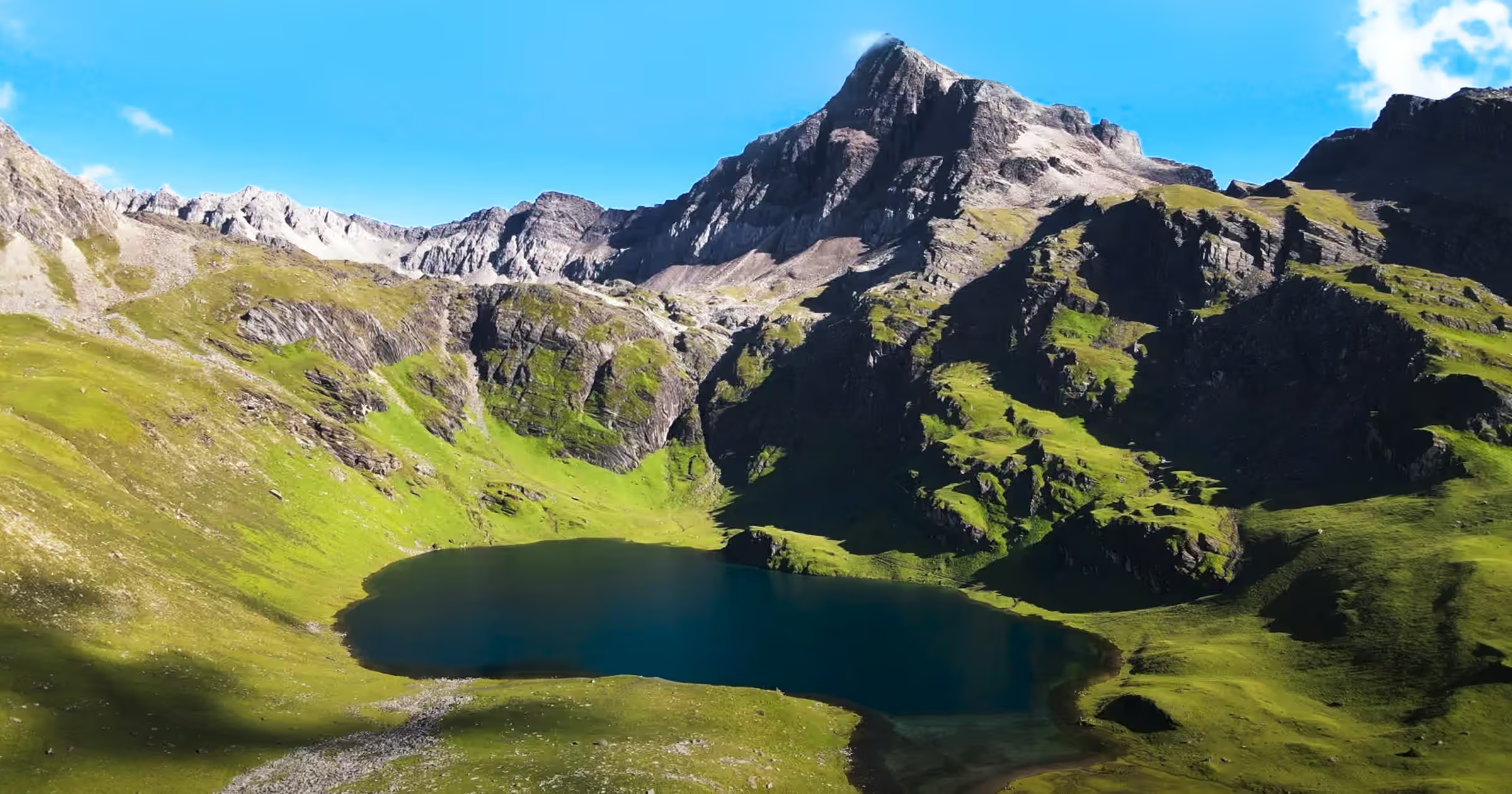
Trekkers should prepare themself by starting an exercise which focuses on stamina build and oxygen intake. In addition to this, we suggest you to practices by:
- Walking for multiple hours with a heavy backpack.
- Practise walking on stairs up and down for more than 30 minutes.
- Jogging, cycling, or brisk walking for 45 to 60 minutes.
- Practice a weekend hike to nearby hills with a heavy backpack.
What to Expect on the Guerrilla Trekking Nepal
Accommodation
Even though Guerrilla Trek Nepal is a newly established trekking trail, its remote location makes availability of basic facilities in the accommodation. Accommodation options like teahouses, community lodges, homestays, and local guest houses with communal bathrooms.
In some places like Banphikot, Thabang, etc, you have to go to the courtyard of the teahouses and lodges for bathrooms. If you are interested in camping, we suggest you to do camping inside the Dhorpatan hunting reserve.
Food
Throughout the trekking trails of Guerrilla trek Nepal, we suggest you to consume the staple dish Dal Bhat with vegetable curries and pickles. There is a very famous proverb which says ” Dal Bhat Power, 24 hours.”
You will be traversing in the remote Western Nepal, so you will get basic and limited items and menus like:
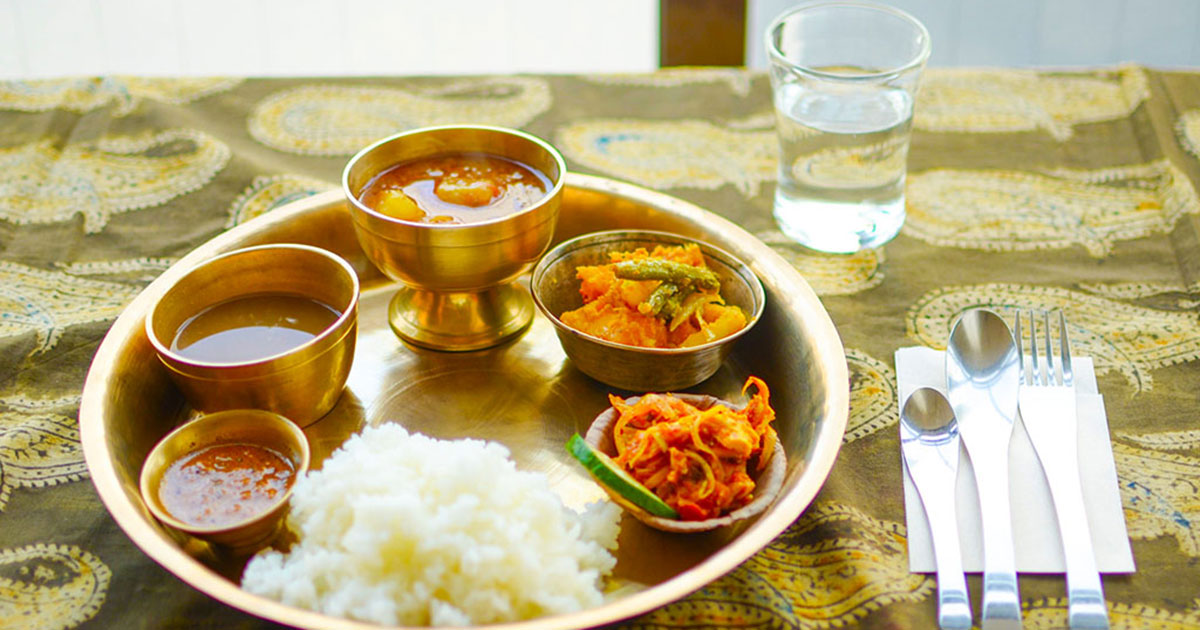
- Dal Bhat
- Seasonal vegetables
- Noodles
- Sherpa Stews
- Tibetan bread
- Tea and local snacks
Things to Consider Before Guerrilla Trek
Permits
When stepping in the trails of Guerrilla Trek, you will need two types of permits. The Guerrilla Trek permits are:
- TIMS Card and
- Dhorpatan Hunting Reserve Entry Permit.
Unlike other trekking regions, Guerrilla Trek allows free individual trekkers but you must hire a licensed trekking guide. TIMS card cost NPR 2000 per person while Dhorpatan Hunting Reserve Entry Permit cost NPR 3,000 for foreigners.
Guides
Hiring a guide is mandatory for Guerrilla trekking in Nepal. You must hire a licensed trekking guide from a Government certified trekking agency of Nepal. It will cost you USD 28 to 50 per day for hiring guides.
If you’re found trekking Guerrilla Trek Nepal without a guide, you have to turn back at checkpoints, be denied lodge accommodations, and heavily fined in 2026.
Packing List
Packing list is an important factor which determines the type of experience you will get from the trekking trails of the Nepal civil war trek. When trekking for multiple days with longer trekking hours, you have to focus on comfort and safety.
You should also focus on packing every essential thing for the trek without overpacking and burdening your back and shoulder in the journey.
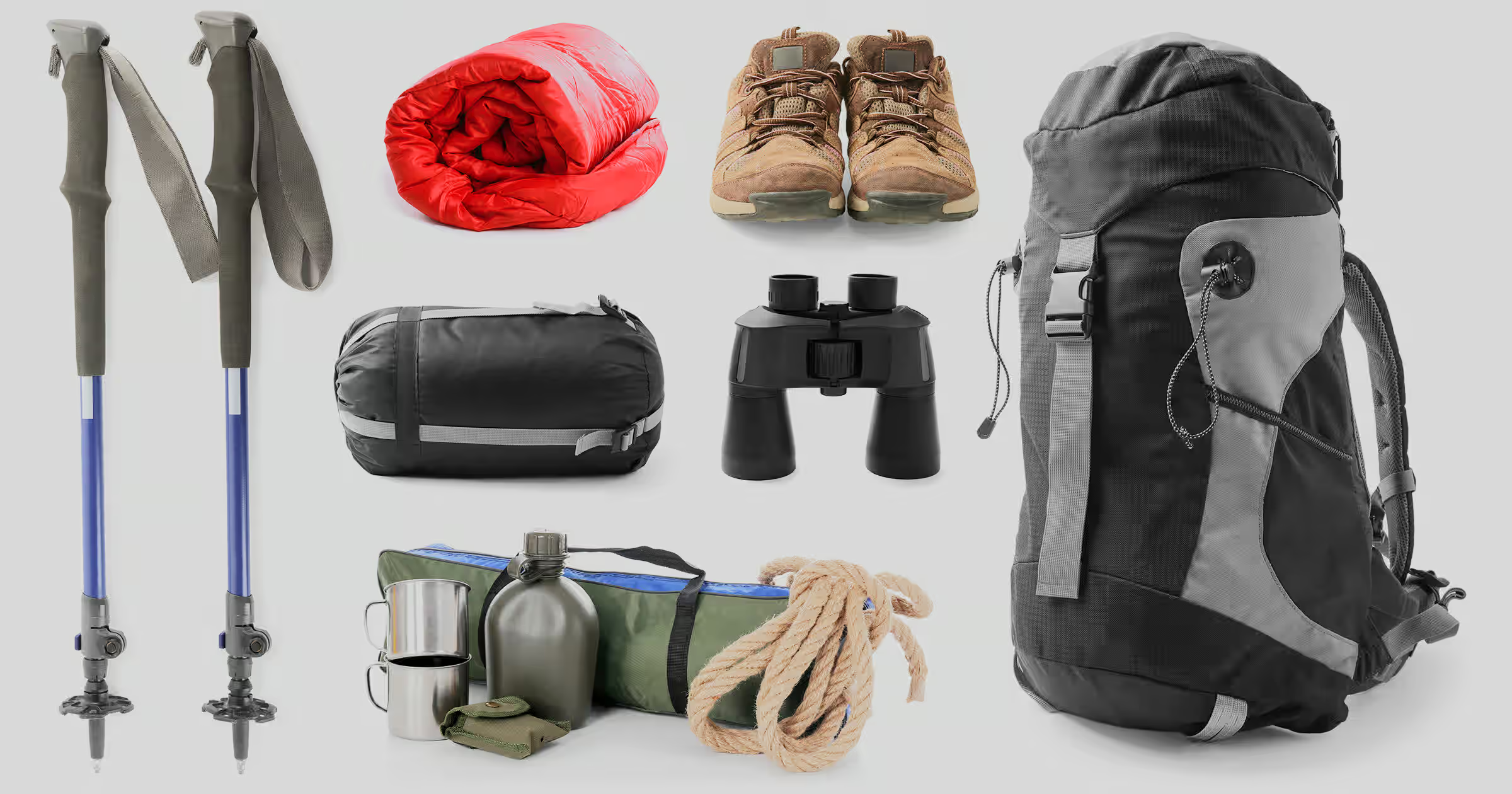
- All season sleeping bag, down jacket, duffle bag, wind or waterproof thin layered jacket, and day pack.
- Gloves, ear warmer, sunglasses, neck warmer, sunscreen, headlamp, walking poles, warmer shell gloves, and liner.
- Full sleeve t-shirts, thermal wear, pullover, sports bras for women.
- Thermal trousers, trekking pants, casual sport pants.
- Well-broken in waterproof trekking boots, sandals, 4 to 5 pairs of socks, and liner.
- First aid kits with bandages, blister treatment cream, anti-itch ointment, Ibuprofen, Diamox, water purifying pills.
- Water bottles, personal toiletries like toilet paper, sanitizers, towels, toothpaste, brush, and soap.
- Energy bars, dried fruits, power banks, and cameras.
Altitude Sickness and Safety
Unlike Everest Base Camp or the Annapurna Circuit, you won’t reach an extreme elevation, but this does not mean that trekkers should avoid taking safety and altitude-related risks seriously. The highest part of the trek is in Jaljala region, where elevations exceed 3,000 meters and you have to cross several ridges and rocky terrain. Otherwise, trekkers will get affected by altitude sickness with early signs like:
- Persistent headache
- Dizziness or lightheadedness
- Loss of appetite
- Nausea or vomiting
- Fatigue and unusual tiredness
- Difficulty sleeping
- Shortness of breath during light activity
So, you have to walk at a slow pace while drinking at least 4 liters of water daily and eating enough meals. Also, we suggest you listen to your small body demands, and ascend gradually without rushing.
This is a trek not a marathon, enjoy the walk with nature in 2026. Having a high altitude trekking insurance with coverage of helicopter evacuation or medical treatment and repatriation is highly recommended as remote trekking trails are filled with uncertainties.
Wrapping Up the Journey
Guerrilla Trek Nepal offers an unforgettable combination of history, culture, and Himalayan scenery in 2026. Whether you are a beginner or experienced trekking enthusiast, if you have enough willpower and fitness, you can complete this trek but you have to focus on hydration and slower pace.
The trail offers a rare opportunity to walk through regions that played a defining role in Nepal’s modern story while experiencing some of the country’s most untouched landscapes which demands enough packing with basic facilities in accommodation services. Guerrilla Trek Nepal remains one of the Himalayas’ most compelling hidden gems for those who values solitude and wanted to have digital detox in the nature.
When planning for a remarkable trails of Guerrilla Trek Nepal, do not forget to contact Awesome Holidays Nepal and let our experienced team leader handle every details from arranging permits to booking accommodation in 2026.
FAQs
Expand AllWhat is the Guerrilla Trek in Nepal?
A remote trekking route in western Nepal that follows trails historically used by Maoist fighters during Nepal’s decade-long civil conflict is called Guerrilla Trek in Nepal.
How long is the Guerrilla Trek Nepal?
Guerrilla Trek Nepal demands 12 to 14 days to complete.
What is the best time to do Guerrilla Trek Nepal?
Spring (March–May) and autumn (September–November) is the best time to do Guerrilla Trek Nepal as the weather is stable and offer best mountain views.
Is the Guerrilla Trek safe?
Yes, the Guerrilla Trek is generally safe but it also demands a proper preparation, fitness and mandatory certified guides in 2026.
Where does the Guerrilla Trek start and end?
The Guerrilla Trek starts in Beni of Myagdi District and ends in Sulichaur of Rolpa District.
Do I need a guide for Guerrilla Trek Nepal?
Yes. A guide is mandatory for Guerrilla Trek Nepal.
What permits are needed for Guerrilla Trek?
The permits needed for Guerrilla Trek are TIMS Card and Dhorpatan Hunting Reserve Entry Permit.
What is the history behind the Guerrilla Trek Nepal?
The history behind the Guerrilla Trek Nepal is that those tourism areas played a significant roles during Nepal’s Maoist insurgency from 1996 to 2006.
What was the Maoist insurgency in Nepal?
The Maoist insurgency in Nepal was a a decade-long armed conflict between Maoist rebels and the Nepalese government that sought major political and social reforms.
Who started the People's War in Nepal?
In 1996, People’s War was launched by the Communist Party of Nepal (Maoist) under the leadership of Pushpa Kamal Dahal.
When did Nepal's civil war start and end?
It started in February 1996 and officially ended with the Comprehensive Peace Agreement in November 2006.
What should I pack for Guerrilla Trek Nepal?
Layered clothing, sturdy trekking boots, a sleeping bag, rain gear, a first-aid kit, and essential personal items which you should pack for Guerrilla Trek Nepal in 2026.
How do I get to Beni from Kathmandu?
You can reach Beni from Kathmandu by road via Pokhara or by flying to Pokhara and continuing by hiring a vehicle or in tourist bus.
Is the Guerrilla Trek suitable for beginners?
Yes, Guerrilla trek is suitable for fit beginners but demands a good preparation.
What is the Dhorpatan Hunting Reserve?
Dhorpatan Hunting Reserve is only hunting reserve of Nepal. It is known for its alpine landscapes, wildlife, and traditional mountain communities.
Do I need travel insurance for Guerrilla Trek?
Yes. Your travel insurance for Guerrilla Trek should cover trekking, medical emergencies, and evacuation.
Can I do the Guerrilla Trek solo?
Yes. You can do the Guerrilla Trek solo but you need to hire a licensed guide in 2026.
Can I see wildlife on the Guerrilla Trek?
Yes. You can see wildlife like Himalayan black bears, musk deer, blue sheep (bharal), Himalayan tahr, vibrantly colored Danphe.
Who are the Magar people of Nepal?
Magar people of Nepal are one of the largest indigenous ethnic groups, renowned for their rich culture, traditions, and contributions.
What is the highest point of the Guerrilla Trek?
The highest point of the Guerrilla Trek is tallo Jaljala pass which is situated at an elevation of 3,400 meters from sea level.
Related blog posts
Discover a choice of tourist destinations loved by most of our visitors. Whether you're on a jungle safari to spot rare animals or walking through a world heritage site, these well-planned itineraries cover the major highlights of Nepal.
 call an expert at: