
Bhutan Etiquette Guide 2026: The Ultimate Dos and Don’ts for Travelers
 Sristi Adhikari
Are you planning to visit Bhutan, a destination that feels untouched by time, where ancient traditions remain deeply woven into everyday life in 2026? Then, Bhutan Etiquette is something every traveler should learn to get a deeper connection with local communities to ensure your visit is respectful and more rewarding.
From learning about dress codes and religious customs to dining manners and environmental responsibility, this Bhutan Etiquette guide is made in such a way that answers all your curiosity related to every dos and don’ts when traveling to world’s most culturally preserved destinations in 2026.
Importance of Cultural Etiquette in Bhutan
Bhutan is a Country which is still focusing on preserving tradition, religious value, centuries old-form of a slower lifestyle than the rest of the world. Sacred Monasteries, Lhakhang’s, and Dzongs (Fortresses) are not only religious heritage sites but are part of government officials as well as religious centers.
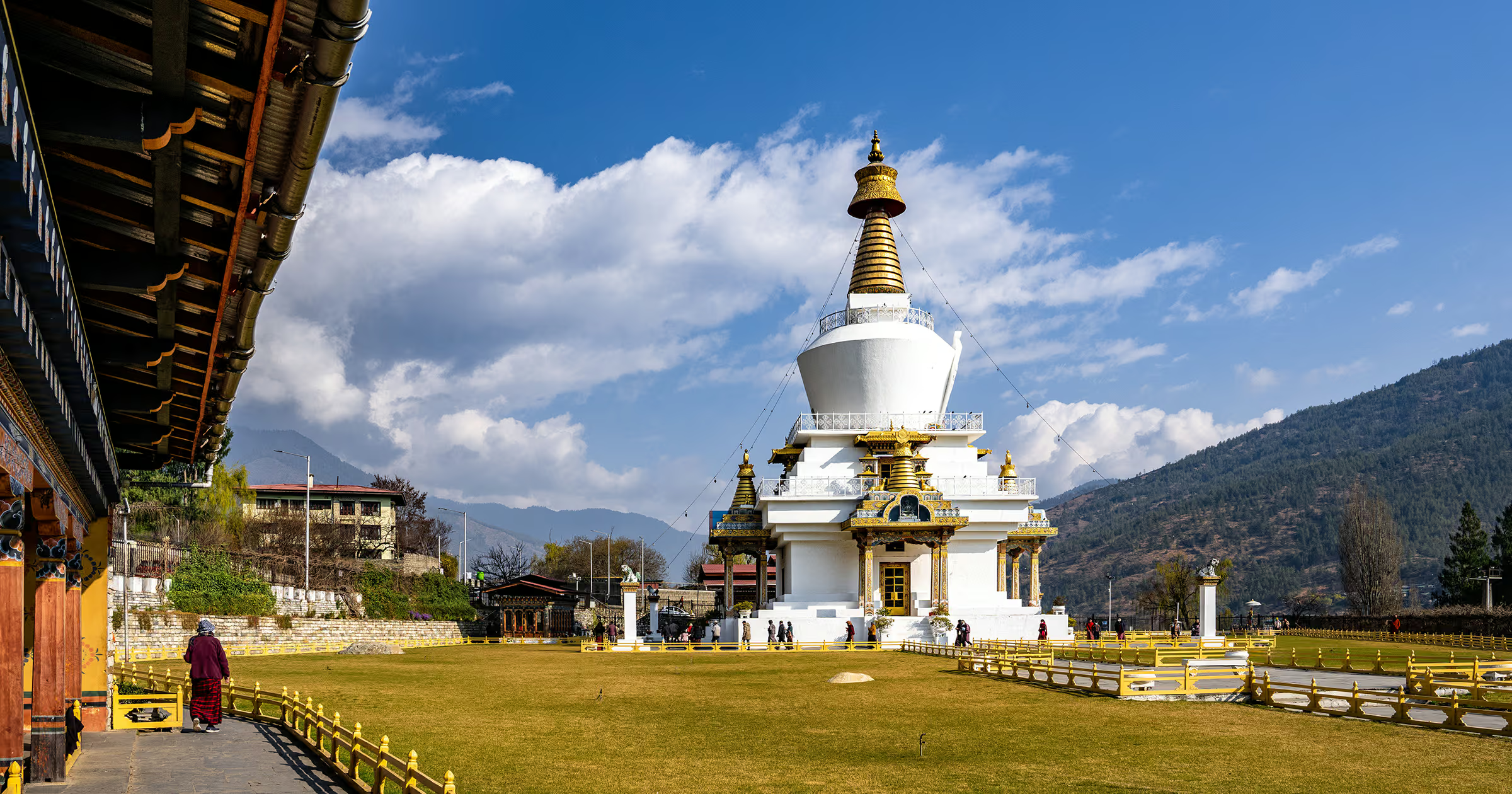
You will witness every citizen no matter whether they are monks, farmers, civil servants or small children celebrating festivals and rituals side by side at heritage sites.
You as a traveler are also expected to fit into this rhythm being calm, speaking softly, dressing modestly, and respecting the customs and tradition of locals. Traveling Bhutan demands honors, respect, and an appreciation for traditions that have shaped the country’s identity for generations.
Bhutan Dress Code for Tourists
What to wear in Bhutan is one of the most frequently asked questions among travelers, and the answer is simple: dress modestly.
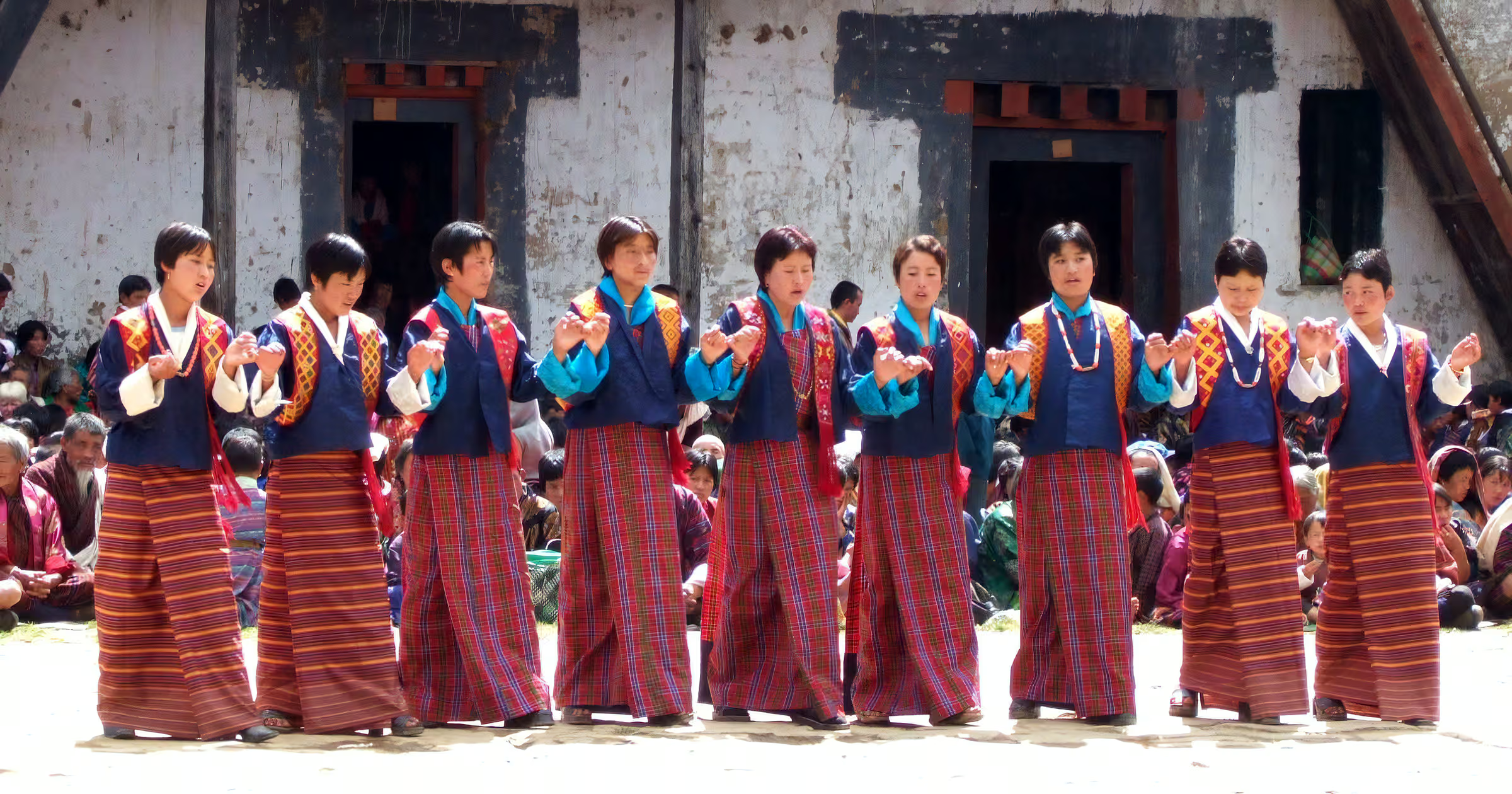
The national dress of Bhutan is Gho for men and Kira for women which is worn mainly in Government offices, school, and at the time of religious festivals in temples and monasteries.
As travelers, we suggest you to wear this national dress at least once and capture the moments you feel. If you do not want to wear it, it’s okay, no one is there to force you. Wear dresses that follow the Bhutan etiquette at the time of sight seeing in the city area and countryside village such as:
What to Wear in Bhutan
- Wear modest and comfortable clothing.
- Cover your shoulders and knees when visiting religious sites.
- Wear long pants, long skirts, or dresses that extend lower than the knee.
- Shirts with sleeves are preferred.
Things to Avoid in Bhutan
- Short shorts and mini skirts.
- Sleeveless tops, tight clothing like gym wear.
- Transparent or overly revealing clothing.
- Do not wear Beachwear away from resort areas.
- Remove caps before building or courtyard.
- Shoes in shrine room, inside of temple, and entering private residence.
If you are entering the temple, monasteries, and dzongs, make sure you remove your hats, as a sign of respect. Following these clothing rules is an important part of Bhutan Etiquette which will surely help you blend respectfully into local culture.
Cultural Etiquette in Bhutan: Temple, Monastery and Dzong
Bhutanese life revolves around religious sites like Temple, Dzong, and monastery. So, you are also expected to behave wisely and show utmost respect towards active centers of worship.
What to Do
- When entering sacred sites, pause for a moment and remove sunglasses, hats, and shoes.
- Keep your phone on silent and speak in a humble voice.
- Always walk clockwise around religious structures like stupas, chortens, and sacred monuments.
- Rotate prayer wheels in a clockwise direction as well.
- Always follow instructions provided by guides and monks.
- Show respect when receiving blessings.
- Pass behind monks worshipping in a gentle way without touching them.
What to Avoid
- Avoid touching religious statues, paintings, or mani walls, and sacred artifacts.
- Do not point directly at religious objects with a finger.
- Avoid stepping over prayer books or ritual objects.
- Do not sit on sacred structures or monuments.
- Do not turn your back toward important religious images like faces of deities, if you are taking photos.
- Avoid stretching your leg out towards the altar, if being invited to sit.
- Do not let your hand touch robes worn by monks at the time of passing.
The second most important part of Bhutan etiquette is respecting sacred spaces and being mindful of your actions.
Bhutan Dos and Don’ts When Visiting Homes and Village
The main highlight of the Bhutan trip is visiting rural villages and attending the warm hospitality of local homes, farm houses. It is important to have the right attitude when visiting as a guest in Bhutan.
Dos
- First, greet hosts politely and smile warmly.
- Always remove shoes before entering a home on your own.
- Accept tea, snacks, or refreshments with both hands and refuse gently with a warm smile.
- Use both hands at the time of receiving gifts or offerings.
- Show interest in local customs and daily life.
- Ask permission before taking pictures with older people and children.
Don’ts
- Entering private areas or prayer rooms without permission.
- Avoid criticizing local customs or traditions.
- Speaking with a raised voice during conversations.
- Refusing hospitality or saying no abruptly.
- Disturbing livestock or agricultural activities by entering the terrace fields.
Following these Bhutan Etiquette in villages helps travelers in building meaningful connections in 2026.
Bhutan Etiquette: Food Culture
When visiting Bhutan, understanding the dining customs is also one of the most important aspects of Bhutan etiquette that every traveler should consider. The bold flavors and hearty meals are attracting the hearts of travelers and food enthusiasts worldwide.
One of them is Ema Datshi, also known as the national dish of Bhutan which is prepared using chilli and cheese. If you are either invited to local homestays during festivals, or going to have meals in hotels or restaurants make sure to follow these, Bhutan dos and don’ts:
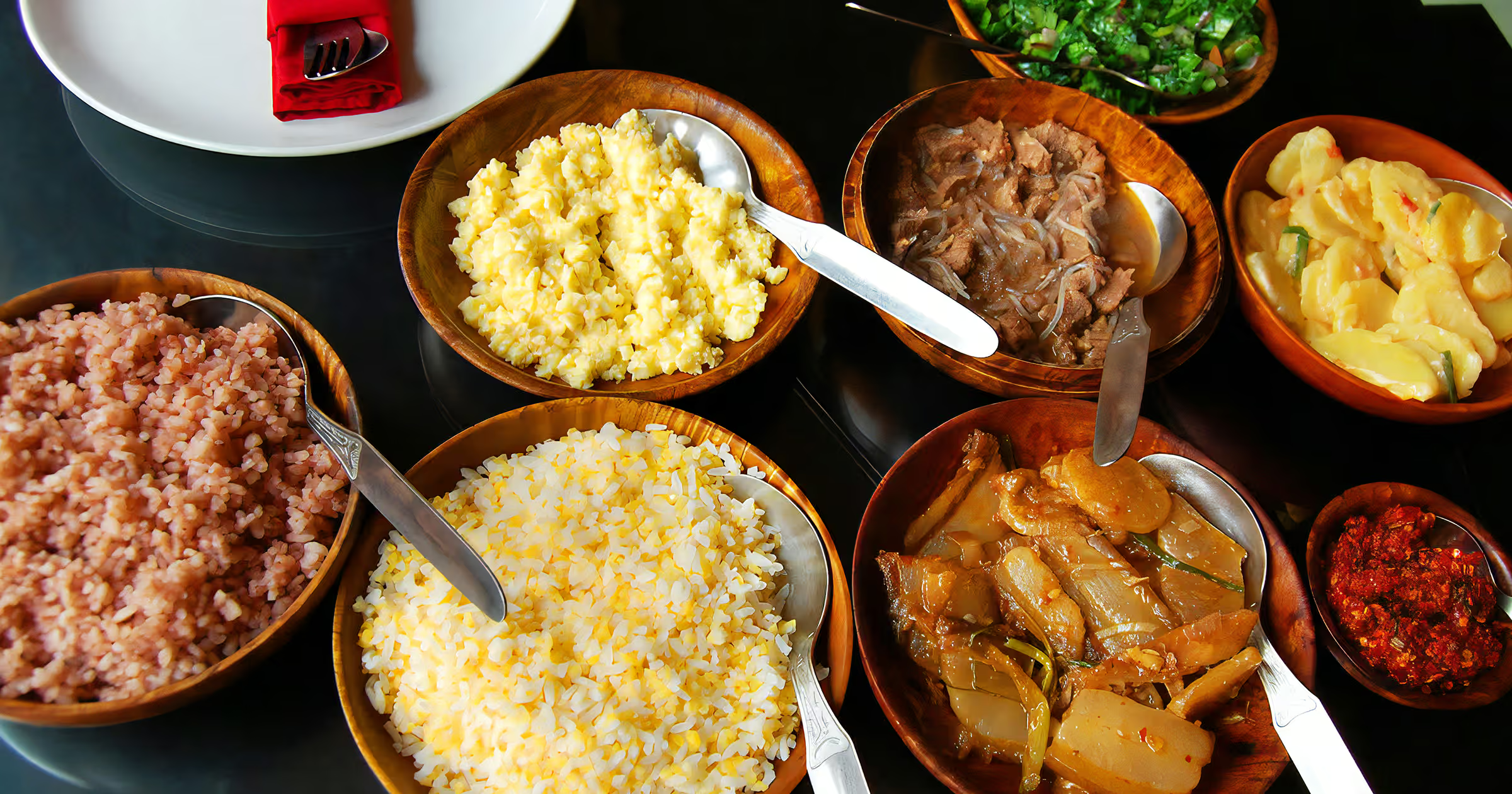
Food Culture: Dos
- Patiencely wait for the host to begin eating before you start.
- Always use your right hand when eating and taking meals from communal dishes.
- Try a lower portion of meals when served rather than refusing it wholly.
- After a meal, kindly say “Kaadinchey la,” which means “Thank you.”
- Always show gratitude at the time of accepting food.
Food Culture: Don’ts
- Do not start eating first, if elders are present.
- Avoid leaving chopsticks sticking upright in food.
- Do not waste food unnecessarily.
- Rejecting offered food rudely.
- Do not complain excessively about spicy dishes.
When eating with family, many Bhutanese people may offer you a traditional drink, but decline politely as table manners reflect strong Bhutan etiquette and appreciation of the warm hospitality.
Bhutanese Festival Etiquette
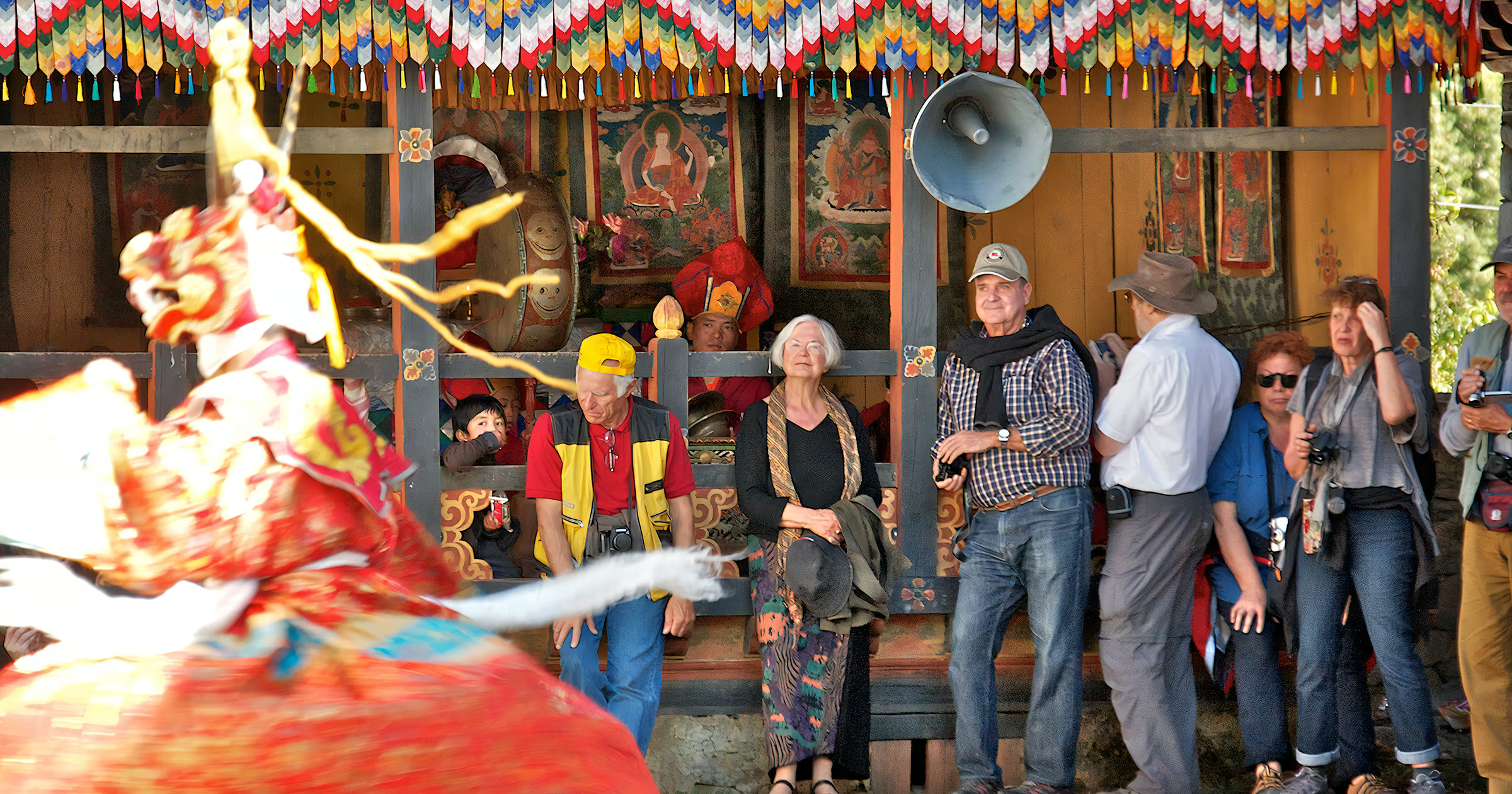
When planning to visit Bhutan in Autumn season, we suggest you attend one of the most grandest and vibrant festivals, Thimphu Tshechu in 2026. You will be witnessing the celebration which features sacred mask dances, blessings, and community gatherings.
Festival Dos
- Dress modestly and respectfully.
- Wearing traditional attire like Gho or Kira.
- Arrive early at Tashi Chhodzong to find a suitable viewing spot.
- Observe ceremonies quietly and peacefully.
- Keep phone on silent mode and avoid shouting when answering the phone calls.
- Always follow directions from local guides and organizers.
- Be respectful and show kind attitudes when invited.
Festival Don’ts
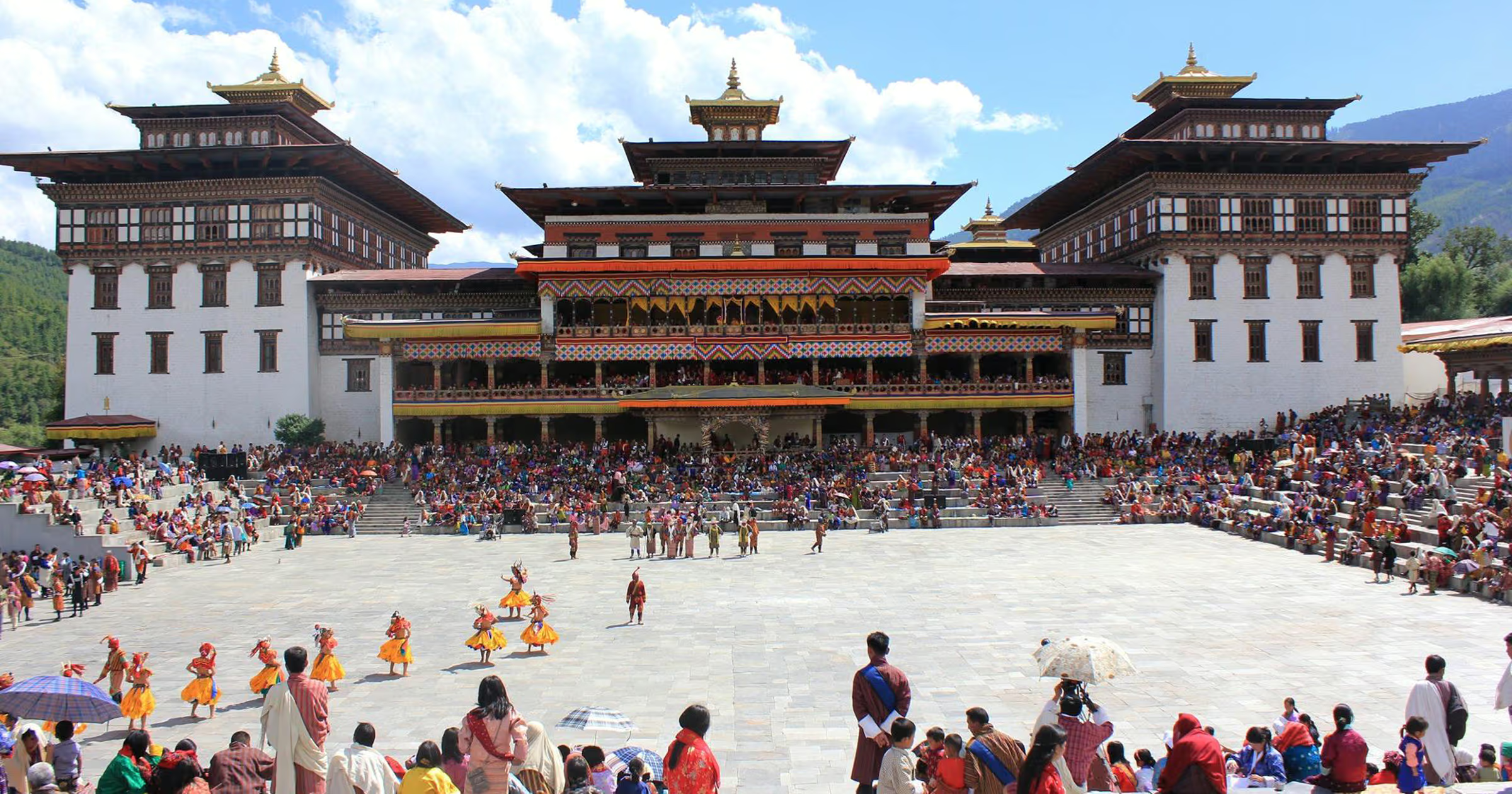
- Blocking the view of local attendees.
- Interrupting religious performances done at festivals like Punakha Tshechu.
- Pushing others aggressively through crowds.
- Walking directly over the seated people.
- Do not use drones at the time of rituals and dance performances.
- Treating sacred rituals as entertainment purposes only and moving here and there unnecessarily.
Respecting festival traditions is an important part of Bhutan Etiquette, helping maintain the sacred and cultural significance of these celebrated events.
Environmental Etiquette: Bhutan’s Travel Rules
Bhutan has successfully become the only carbon-negative country in the whole world through its strong commitment to environmental conservation, sustainable development, and extensive forest coverage. So, Bhutan takes environmental protection seriously and you should also follow certain Bhutan etiquette regarding sustainable environment practices in 2026.
Environmental Dos
- Always carry reusable water bottles or thermos whenever possible.
- Dispose of plastic waste properly.
- Stay on designated hiking trails.
- Make sure your visit is eco-friendly by using public trash bins for throwing any kind of waste.
- Always respect wildlife and natural habitats.
Environmental Don’ts
- Littering in towns, villages, or remote trekking routes.
- Damage plants, trees, or prayer flags.
- Disturbing habitat of wildlife or throwing stones or poking on wild creatures.
- Leave waste at campsites or scenic viewpoints.
Bhutanese culture emphasizes harmony between people and nature, and every traveler should respect this philosophy by acting responsibly and sustainably during their visit in 2026.
Photography Etiquette
There are countless moments where you will get extraordinary photography opportunities in Bhutan. This does not mean you just open your camera and start capturing but you should be mindful of local, religious space and cultural sensitivity.
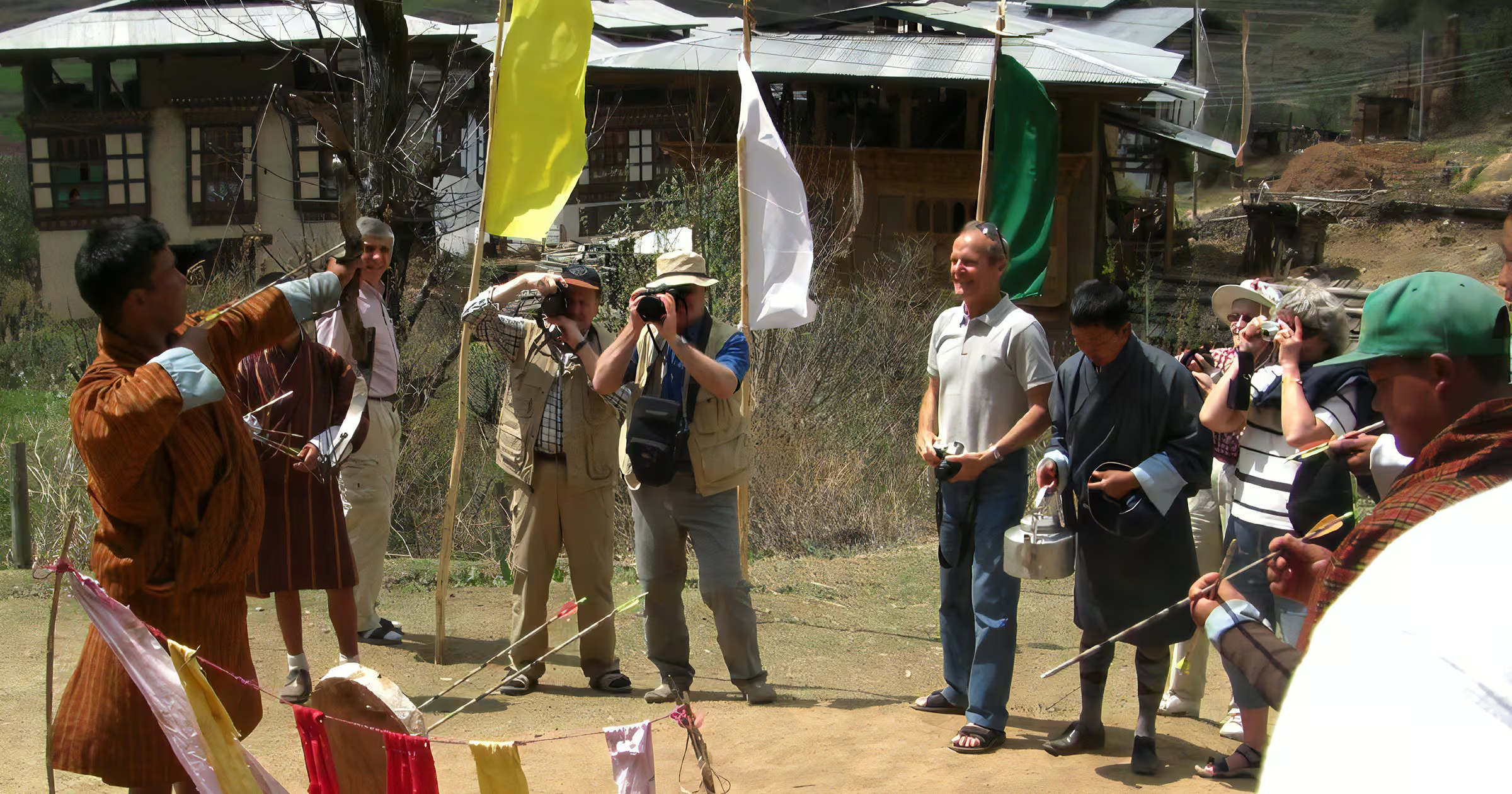
Photography Dos
- Always ask permission before photographing individuals no matter if they are young, adult or aged.
- Look around for the signs of photography restrictions in religious places.
- Make sure you follow guidance from local guides.
- Always capture cultural moments discreetly.
- Make sure you portray Bhutan’s people, dignity and respect when sharing captured photos and videos on social sites.
Photography Don’ts
- Do not capture photos inside shrine rooms unless specifically permitted.
- Avoid flashlights near religious artwork, murals or on painting.
- Do not photograph sacred rituals without permission.
- Avoid moving or touching religious objects to improve photo composition.
- Intrude on personal or spiritual moments.
With the growth of tourism and social media, the very modern part of Bhutan etiquette also involves responsible and respectful photography.
Other Bhutan Dos and Don’ts
When stepping in Bhutan, a living museum of culture, tradition, and spirituality there are other etiquette you should follow in 2026. They are:
- Make sure you carry some fruits, sweets, or small gift when going Bhutanese house as a guest.
- Do not let your feet touch other head or clothes at the time of sitting.
- Carry Bhutanese currency extra in pocket for tipping guides or hotel or restaurant staffs.
- Instead of giving money directly to monks, buy them prayer flag, incense or in the name of charity.
- Avoid smoking on public places like streets, parks, and religious sites.
- Focus on supporting local artisan by buying their weaving, painting, and woodcarving as a souvenirs.
Planning a Trek to Nepal?
Or Call or Message on WhatsApp +977 98434 13619
- When meeting elder people or monks, slightly bow and saying Kuzuzangpo which refers to “Hello.”
- Avoid giving chocolate and money to small kid even they insist.
- Make sure you avoid public display of affections like kissing, hugging, or cuddling, simply hold your partner hand.
- If you are traveling solo as a female, avoid wandering late at night.
- With children, make sure you train them not to run, shout or touch in temple or monastery.
Travel Bhutan with Respect and Curiosity in 2026
Traveling in Bhutan is not only about ticking a destination off your bucket list or visiting beautiful landscapes and iconic landmarks in 2026. It is a journey that allows you to experience spirituality, centuries-old traditions, and witness how Bhutan Etiquette plays a vital role in shaping the country’s sustainable tourism vision.
From dressing modestly, walking clockwise around sacred religious sites to speaking politely in a soft voice and showing respect for the environment, every small gesture contributes to a more meaningful and authentic travel experience. By embracing Bhutan Etiquette, you can connect more deeply with the local culture while helping preserve the unique heritage that makes Bhutan so extraordinary.
If you are also planning a cultural tour to Bhutan, consider contacting Awesome holidays Nepal, to as our experienced team leader will make sure you have a lifetime memory in 2026.
FAQs
Expand AllWhat is the dress code for tourists in Bhutan?
The dress code for tourists in Bhutan includes wearing clothing that covers the shoulders and knees, especially when visiting religious and cultural sites.
What should women wear in Bhutan?
Women should wear modest clothing such as long skirts, dresses, trousers, or tops that cover the shoulders in Bhutan.
Can I wear shorts in Bhutan?
Yes. Only in tourist area, when visiting temples, monasteries, and government buildings, longer pants or skirts are recommended.
Are jeans allowed in Bhutan?
Yes. Jeans is allowed in Bhutan.
What do I wear to a Bhutanese Dzong (temple)?
Wear conservative clothing that covers your arms and legs and avoid hats or revealing attire at Bhutanese Dzong (temple).
Do I need to take my shoes off in Bhutanese temples?
Yes. You need to take off your shoes in Bhutanese temples.
Is it okay to wear hats inside Bhutanese temples?
No. You should take off your hats inside Bhutanese temples.
What is the clockwise rule (Kora) in Bhutan?
You should always walk in a clockwise direction at religious sites like stupas, temples, prayer wheels, or other sacred monuments.
Can I point at statues or monks in Bhutan?
No. You should not point at statues or monks in Bhutan. It is considered disrespectful.
Is it disrespectful to cross your legs in a Bhutanese temple?
No. Pointing your feet toward religious objects or sitting with your legs stretched out is considered disrespectful.
Can I touch religious artifacts in Bhutan?
What are the rules for visiting Tiger’s Nest Monastery?
The rules for visiting Tiger’s Nest Monastery includes dressing modestly, follow monastery guidelines, respect restricted areas, and comply with photography rules.
Is photography allowed inside Bhutanese temples?
No. Photography is not allowed inside Bhutanese temples.
Can I take pictures of Bhutanese monks?
Yes. You should ask for permission before taking pictures of Bhutanese monks.
Are drones allowed in Bhutan in 2026?
Flying drone is only allowed after prior approval from the relevant authorities. Flying near religious sites, airports, or restricted areas is prohibited.
Do I need permission to photograph locals in Bhutan?
Yes. You need permission to take locals photograph in Bhutan.
How do you greet someone in Bhutan?
You should do a slight bow and say “Kuzuzangpo La” when greeting someone in Bhutan.
What does Kuzuzangpo La mean?
“Kuzuzangpo La” is a traditional Bhutanese greeting that means “hello” . Locals say that it also refer good wishes for the other person’s well-being.
Is it rude to refuse food in Bhutan?
Refusing food directly is considered rude, so we recommend you to accept at least a small portion or decline politely with gratitude.
Can I bring alcohol into Bhutan?
Yes, visitors can bring limited quantities of alcohol into Bhutan.
Related blog posts
Discover a choice of tourist destinations loved by most of our visitors. Whether you're on a jungle safari to spot rare animals or walking through a world heritage site, these well-planned itineraries cover the major highlights of Nepal.
 call an expert at: