
The Art of Thangka Painting: Where to Take Traditional Classes in the Kathmandu Valley
 Sristi Adhikari
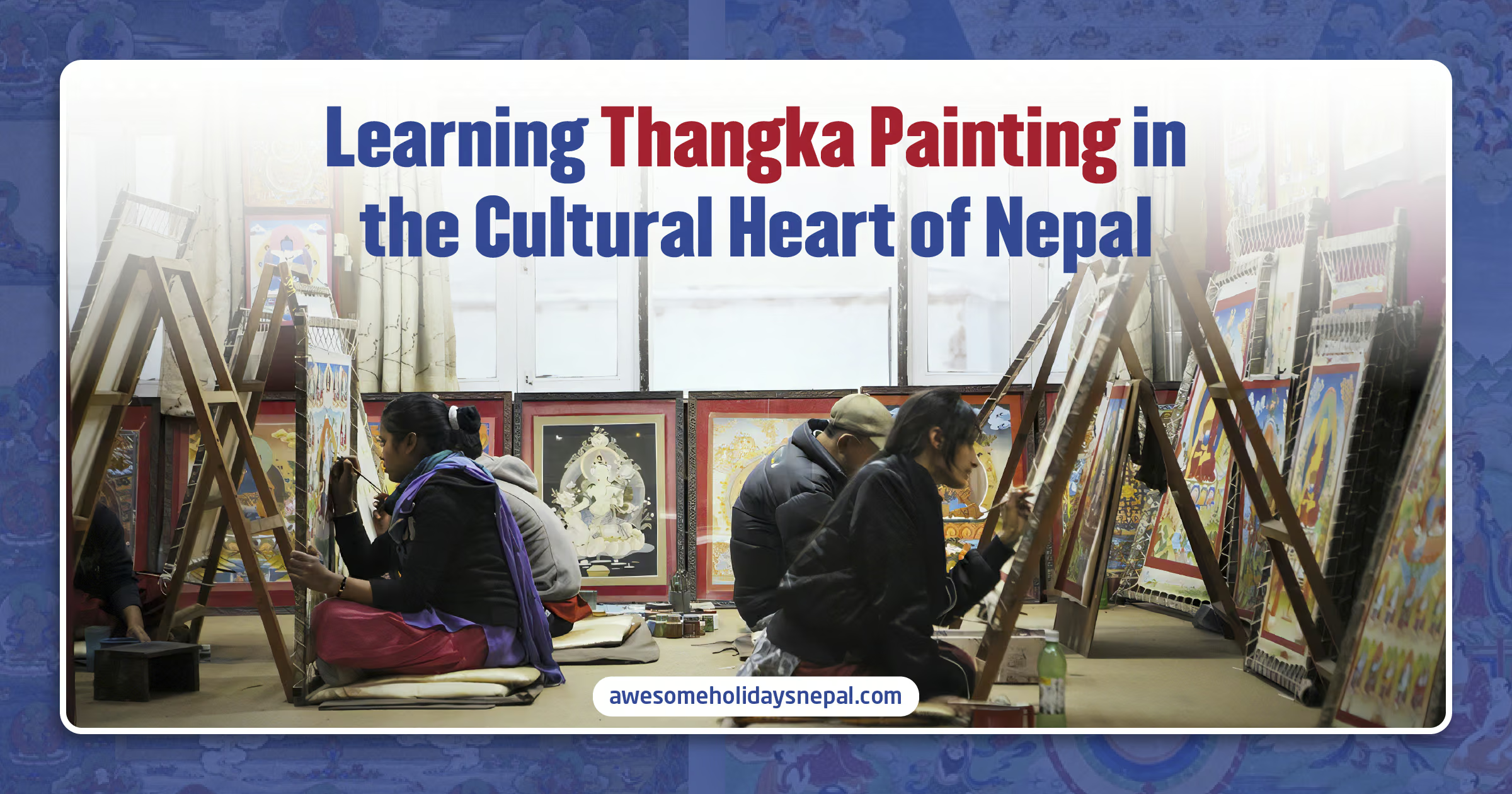
When walking across the ancient streets of Kathmandu, you’ll discover a vibrant world which is filled with fluttering prayer flags, ancient temples, incense burning, and beautifully detailed Thangka Painting artworks displayed inside hidden courtyards and traditional studios.
Thangka Painting is one of the most popular sacred practices that is deeply connected to Buddhist philosophy, meditation, and cultural traditions that offer a mixture of Himalayan spirituality, meditation, and centuries-old craftsmanship.
Nepal offers one of the finest places in the world to learn Thangka painting such as the spiritual atmosphere of Boudhanath, the artistic alleys of Patan, and the best thangka school in Bhaktapur. Continue reading blogs to learn more about the timeless beauty of thangka art with the cultural importance of this sacred art, and the best places to learn via workshops, galleries, and traditional art schools in 2026.
Thangka Painting
The form of art which is created on cotton or silk canvas using natural pigments and mineral colors which is deeply rooted to Tibetan Buddhist traditions is known as Thangka Painting. The term “Thangka” is a Tibetan word which refers to “Thang” which means unfolding or scroll.
At first, Thangkas were painted as a form of portable religious artwork, as it can be rolled up and carried to many places where it was used for meditation, teaching, and spiritual reflections. The Thangka art consists of the picture of Buddhist deities, mandalas, spiritual teachers, or symbolic scenes which are used for meditation and religious rituals.
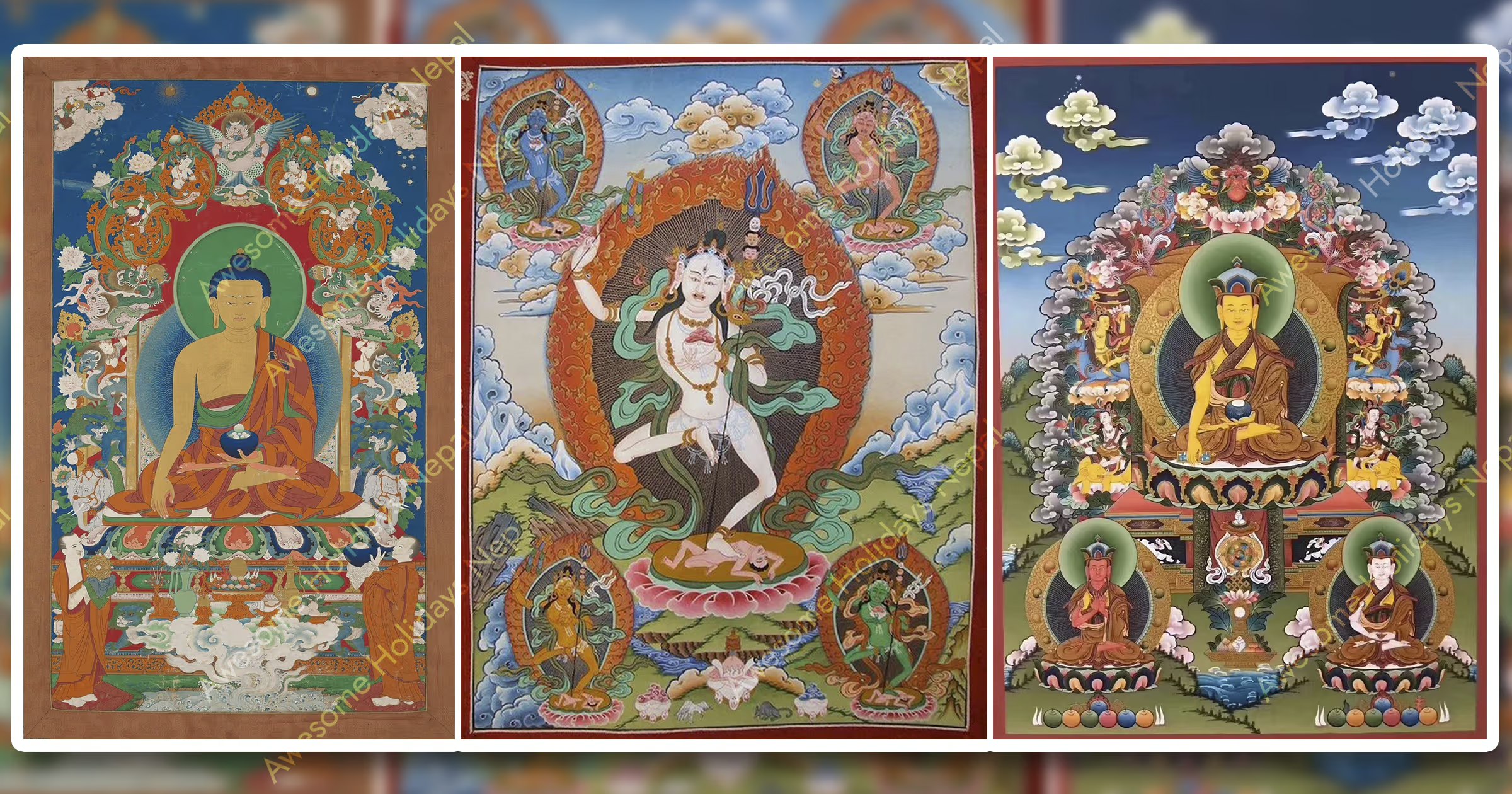
The Thangka painting in Nepal demands the strict set of rules to be followed that has been passed through many generations of artists in terms of spiritual proportion and iconography. Every line, color, and symbol used in Thangka art has its own religious meaning which will help you understand Buddhist philosophy and symbolism with its artistic techniques.
The Thangka paintings are an art form of ancient Nepalese which later got exported to Tibet when daughter of King Licchavis, Bhrikuti married Songtsen Gampo in the 11th century. After that Thangka painting evolved into a highly respected sacred art form with the support of Tibetan kings, monasteries, and Buddhist communities.
Traditional Process of Creating Thangka Art
Canvas Preparation
At first traditional artists started stretching the fabric like cotton or silk in a wooden frame which acted as a canvas. Then, the canvas is later coated with a mixture of natural glue and chalk. This makes the painting materials base smooth and durable.
Selection of Natural Colors and Materials
The Thangka artists select and use pigments, natural dyes, crushed gemstones, and even pure gold to create rich and lasting colors in the fine powder form.
Sometimes, the process involves the mixture of animal glue with natural pigment so that it can form a paintable medium.
Detailed Hand Paintings
The artist used fine brush which is usually made of animal hair for intricate details and follows the sacred proportions and iconographic rules which gets converted into an awe-inspiring Thangka composition at last.
Best Places to take Thangka Painting Classes in Kathmandu Valley
There are a variety of schools which will help you learn Thangka painting in Kathmandu valley. Some of the best location you can visit to take traditional Nepali painting classes are:
Thamel
There are small studios and cultural centers inside the vibrant streets, shops, and cafes of the Thamel. Being one of the most accessible and popular areas in Kathmandu, Thamel offers several places to learn Thangka paintings in Nepal for the beginner artists.
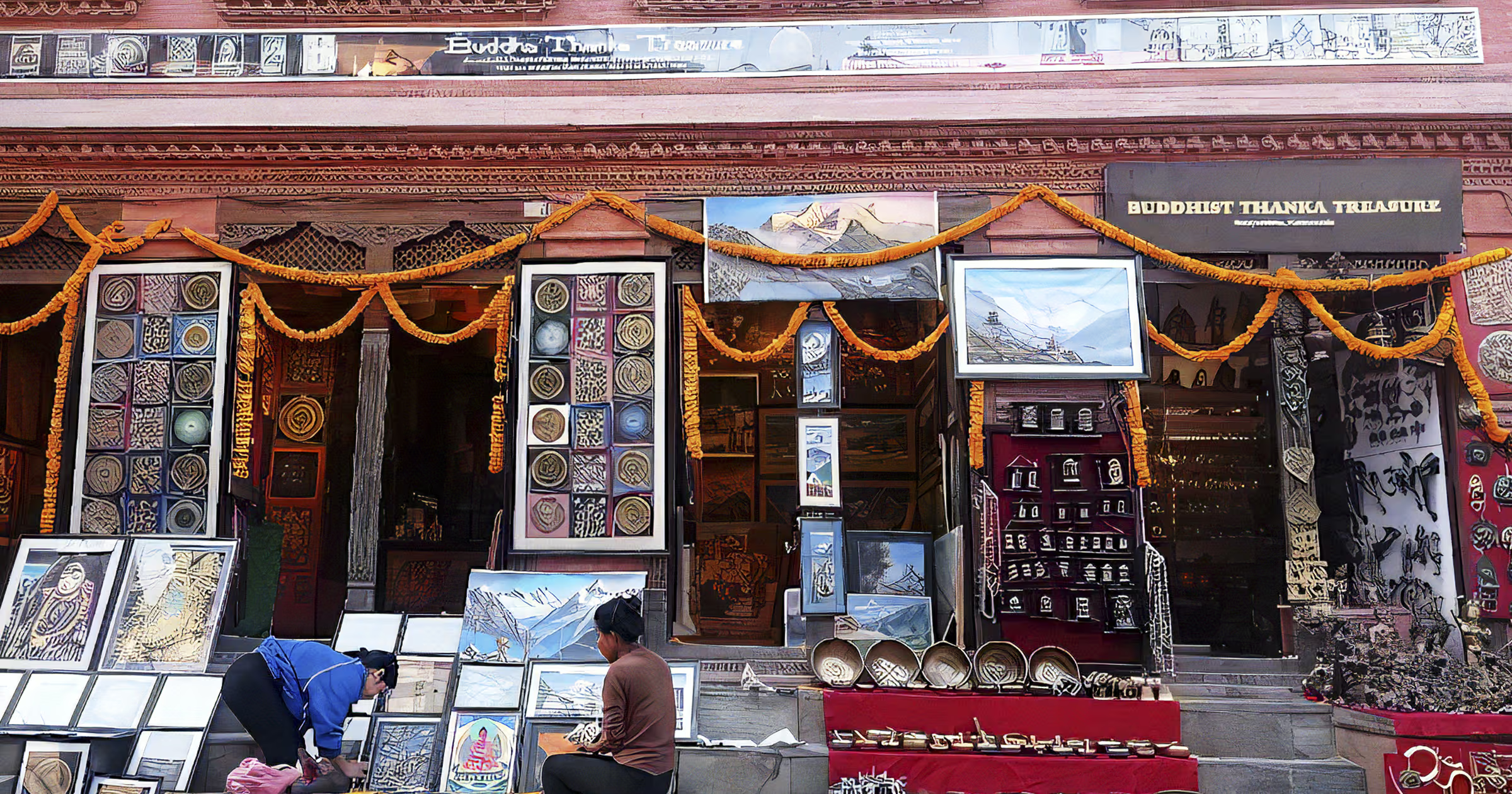
If you have limited time and do not want to waste time on transportation then learning Thangka painting in Thamel will be the best choice for you as you will learn basics of thangka art, including sketching, coloring techniques, and symbolic meanings used in traditional Nepali painting. Popular studios and art center in Thamel which will help you connect with rich artistic heritage of Nepal are:
- Lama Thangka Art Center, Thamel
- Tibetan Lama Thangka Painting school and Art Gallery
Boudhanath
Boudhanath, a popular Buddhist center, is surrounded by many small monasteries, galleries and art studios. Here, you can have varieties of beginner workshops to Advanced Thangka painting courses in Thangka art school of Kathmandu. Some of them are:
- Rincheling Thangka Gallery and Art School, Boudha
- Boudha Stupa Thangka Centre
- Buddha Nature Thangka etc.
You will get to learn basic sketching, color preparation, and sacred symbolism in traditional meditation environments.
Bhaktapur
Bhaktapur is another top destination to learn Thangka art, a traditional Nepali painting. In Bhaktapur, you can experience a typical Thangka painting course which involves:
- Study of geometric proportions
- Creation of Buddhist symbols
- Mixing natural pigments
- Understanding spiritual iconography
- Practicing detailed brushwork
Several respected intuitions offer authentic instruction while focusing on traditional methods that have been passed down through various generations in a quiet and more traditional setting. You can visit following studios and centers for learning Thangka in Bhaktapur:
- Lama Thangka Center
- Tashi Dele Thangka Training Center
- Bajrala Thangka Painting School
- Unity Thangka
- Sunapati Thangka Painting School, Changu Narayan 1, Bhaktapur,
Patan
Patan, also known as Lalitpur, has long been considered the artistic center of the Kathmandu Valley. There are many workshops in Patan which offer the mixture of Tibetan techniques with Nepalese Paubha influences which is best suited for artists who are in search of both cultural exploration and artistic education. You can visit following places to learn traditional Thangka classes in Patan, and they are:
- Tibetan Buddhist Thangka Training School
- Shakya Siddhartha Thangka Painting School
Types of Thangka Painting
There are different types of Thangka painting that are classified on the basis of:
Tradition and Culture
Newari Thangka
Newari Thangka is also known as “Paubha” is an artistic heritage of Nepal which originated from the Newar people of Kathmandu. It portrays Hindu and Buddhist deities, mandalas, and sacred stories with fine lines and enriched patterns.
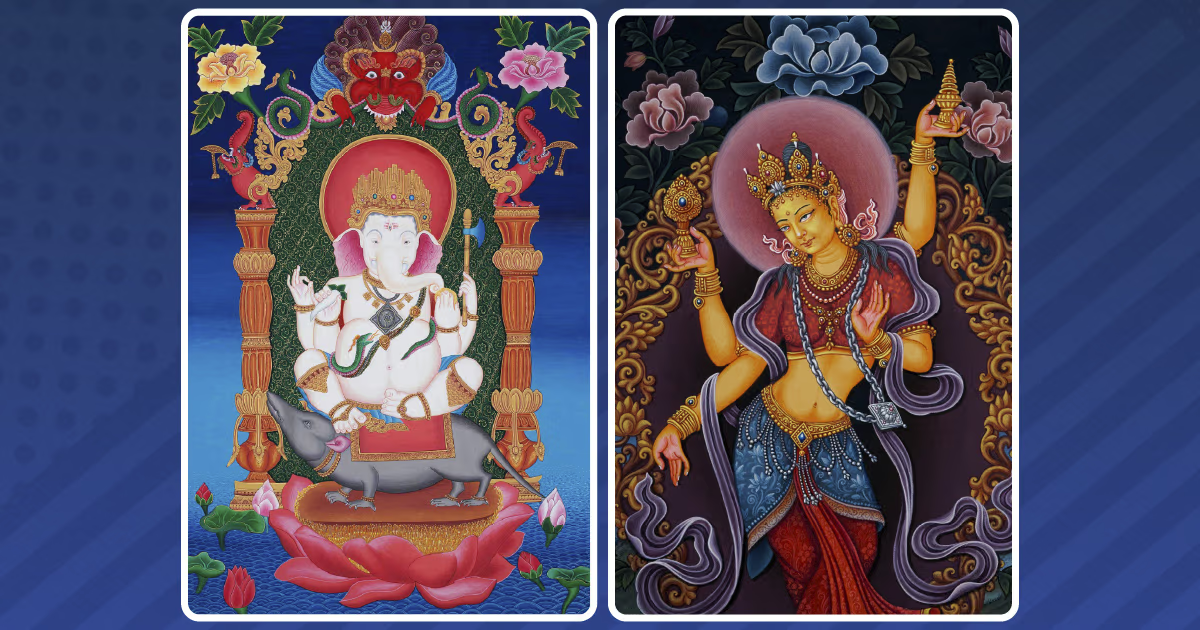
Tibetan Thangka
Tibetan Thangka are quite sacred as it portrays the depiction of Buddhas, Bodhisattvas, protectors, mandalas, and scenes from Buddhist teachings.
Karma Gadri Thangka
The Karma Gadri style was heavily influenced by the Karmapa tradition of Tibetan Buddhism which focuses on open landscapes, softer backgrounds, and balanced compositions. This style combines Tibetan, Chinese, and Indian artistic elements.
Ngor Thangka
Ngor Thangka are recognized for their dense compositions, intricate mandalas, elaborate deity arrangements, and strong use of gold, red, and blue tones.
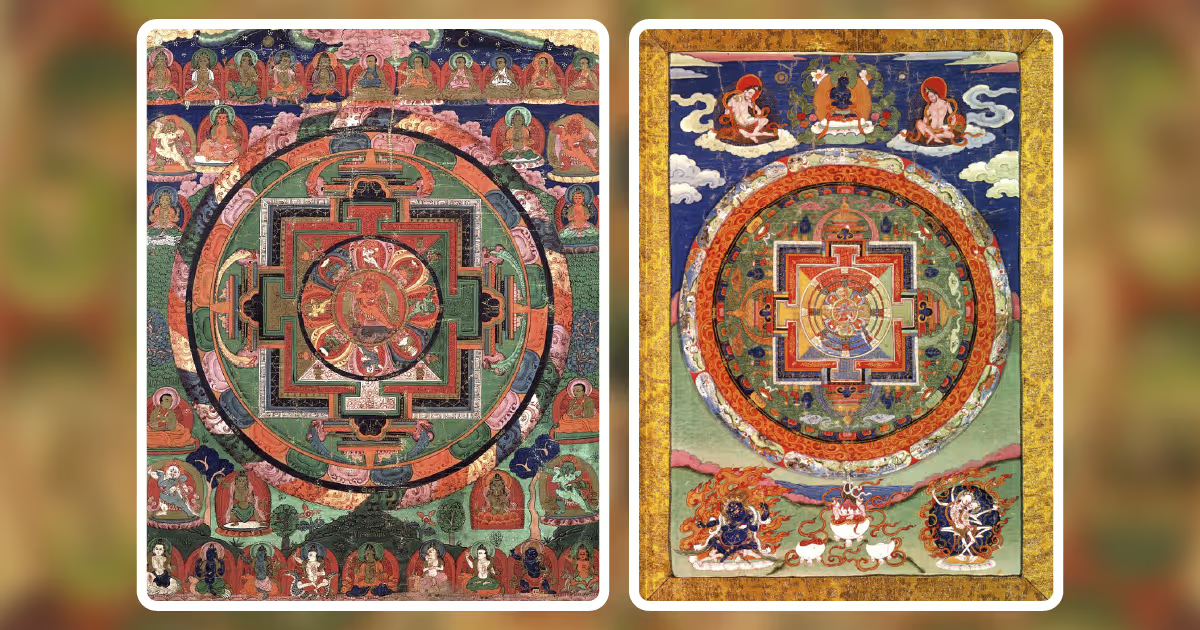
Mandala Thangka
Mandala Thangkas feature geometric patterns representing the structure of the universe in Buddhist philosophy.
Technique Used
According to the technique used at the time of painting, Thangkas are differentiated into:
- Palas Thangka
- Dras-drub-ma/ Applique Thangka
- Dpar Ma/ block Thangka
Background Color
Based on the use of color on background, Thangka painting consists of following types:
- Golden Thangka
- Black Thangka
- Red Thangka
Depiction of Buddhist Deities
Thangka painting is categorized into 6 types according to the depiction of Buddhist deities and they are:
- Wrathful Deities Thangka
- Peaceful Deities Thangka
- Mahakala Thangka
- Buddha Thangka
- Tara Thangka
- Kagyu Thangka
How Long Does It Take to Learn Thangka Painting?
The Thangka painting classes duration depends on your goals from a limited half-day or one-day workshops to long-term advanced thangka painting course in Nepal. However, mastering Thangka Painting is considered a lifelong journey.
The short term workshop focuses on mandala coloring, basic outlines, and introduction of the sacred art while long-term classes make you learn sacred proportions, use of fine brush techniques, detailing of gold, how to prepare mineral pigment along with Buddhist iconography in detail.
Tips Before Joining a Thangka Painting Course Nepal
If you are preparing for Thangka painting course in Nepal, then do follow these tips in 2026:
- Always select short workshop if you want to get introduced with the culture of Nepal.
- Choose multiple week programs if you want to learn everything about it and want to pursue an career.
- Focus on wearing comfortable clothing as you will be spending hours and hours in chair.
- Learning basic Buddhist symbols help you appreciate the deeper meaning behind the Thangka art.
- Always choose respected workshops and studios with high rating in google that preserve authentic traditions and fairly support local artists.
Final Verdict on the Timeless Beauty of Thangka Painting in Kathmandu Valley
Taking classes of the Thangka painting in Kathmandu is more than just a simple teaching of an ancient art form but this is where you will get a chance to immerse in the spiritual traditions, cultural heritage, and timeless craftsmanship of Nepal. No matter which location you choose either it is the peaceful surroundings of Boudhanath, the artistic streets of Patan, the heritage-rich courtyards of Bhaktapur, or the lively traveler hub of Thamel, every artists will have a meaningful connection to traditional Nepali painting and Himalayan Buddhist culture in 2026.
From beginner short term workshops to immersive and long-term thangka painting course, Kathmandu is one of the best destinations in the world to discover authentic thangka art. Get connected with Awesome Holidays Nepal today, if you want to have the unforgettable experience when planning a cultural journey in Nepal in 2026.
FAQs
Expand AllWhere can I learn Thangka painting in Kathmandu?
The traditional art schools and workshops located in Boudhanath, Patan, Bhaktapur, and Thamel are some of the best place you can learn Thangka painting in Kathmandu.
How much do Thangka painting classes cost in Nepal?
The Thangka Painting classes cost varies from affordable half-day workshops to advanced long-term courses depending on the school and duration.
What is the best Thangka art school in Bhaktapur?
The best Thangka art school in Bhaktapur are:
- Lama Thangka Center
- Tashi Dele Thangka Training Center
How long does a Thangka painting course take?
It takes a few hours for beginners to several months or years for advanced students to complete Thangka painting course.
Are there short-term Thangka painting workshops for tourists in Kathmandu?
Yes, many studios in Kathmandu offer short-term Thangka Painting workshops.
Do I need prior art experience to take a Thangka class?
No prior artistic experience is required to take a Thangka class.
Can foreigners study at traditional Thangka schools in Nepal?
Yes. Many traditional Thangka art schools in Nepal accept international students.
Do Thangka schools in Patan provide accommodation?
Yes. Some Thangka schools in Patan provide accommodation.
Can I get a certificate for completing a Thangka course in Nepal?
Yes. You can get a certificate for completing a Thangka course in Nepal.
What are the strict rules of Thangka painting?
Strict guidelines related to sacred proportions, symbolism, color use, and spiritual discipline are required for Thangka painting.
Is Thangka painting Buddhist or Hindu?
Thangka Painting is a Buddhist art form but it includes Hindu spiritual themes and deities.
Why do Thangka paintings take so long to make?
Thangka paintings requires detailed handwork, precise symbolism, and careful layering, so it take so long to make.
Who is allowed to paint a Thangka?
Everyone can learn Thangka painting but traditional sacred paintings are only created by trained artists.
What kind of paint is used in traditional Thangka?
Natural mineral pigments, herbal colors, and sometimes gold dust mixed with animal or plant-based binders are used as paint in traditional Thangka.
How is a Thangka canvas prepared?
A Thangka canvas is prepared by stretching cotton cloth over a wooden frame and coating it with a smooth chalk and glue mixture traditionally.
Do Thangka painters use real gold?
Yes, many Thangka painters use real gold.
What natural pigments are used in Nepali Thangkas?
Minerals, stones, plants, charcoal, and precious materials like lapis lazuli and malachite are some natural pigment which is used in Nepali Thangkas.
Is it disrespectful to hang a Thangka in a bedroom?
Many people prefer to place sacred Thangka paintings in clean and respectful spaces rather than bedrooms.
Do Thangka paintings need to be blessed by a Lama?
Yes, sacred Thangka paintings are often blessed by Buddhist monks or Lamas before being used for religious purposes.
What is the spiritual benefit of painting a Thangka?
The spiritual benefit of painting a Thangka is believed to encourage mindfulness, patience, meditation, and spiritual connection through sacred artistic practice.
Related blog posts
Discover a choice of tourist destinations loved by most of our visitors. Whether you're on a jungle safari to spot rare animals or walking through a world heritage site, these well-planned itineraries cover the major highlights of Nepal.

 call an expert at: