
Ethnic Groups in Nepal: Understanding the Country’s Multi-Ethnic Society
 Sujata Pokhrel
Nepal is known not only for the high Himalayas and breathtaking scenery, but also for its equally rich and diverse culture.
Beneath that dramatic geography lies something just as remarkable: a deeply layered, living mosaic of cultures. In a country that stretches from subtropical plains to some of the highest mountains on Earth, people have adapted not just physically, but culturally, developing distinct identities shaped by language, belief, history, and environment.
To understand Nepal, you have to look beyond the mountains and into the communities that call them home.
What does an Ethnic Group Mean?
An ethnic group is more than just a label. It refers to a community of people who share a common heritage, this could include language, traditions, ancestry, religion, or even a shared sense of history.
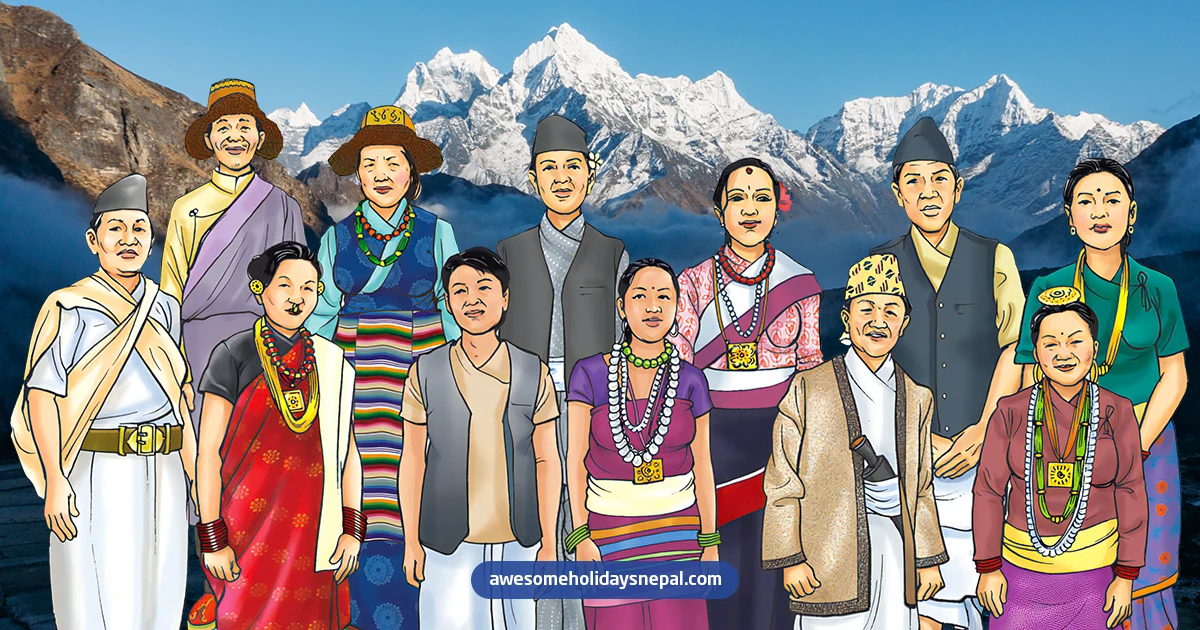
In Nepal, ethnicity is often closely tied to geography and livelihood, which is why cultural practices can vary so dramatically across short distances. It’s also important to distinguish ethnicity from caste.
While caste has historically been linked to social hierarchy, especially among Indo-Aryan communities ethnicity is broader and more rooted in cultural identity. In modern Nepal, both ideas still exist, sometimes overlapping, but increasingly people identify more strongly with their ethnic background than rigid caste divisions.
Major Ethnic Groups in Nepal
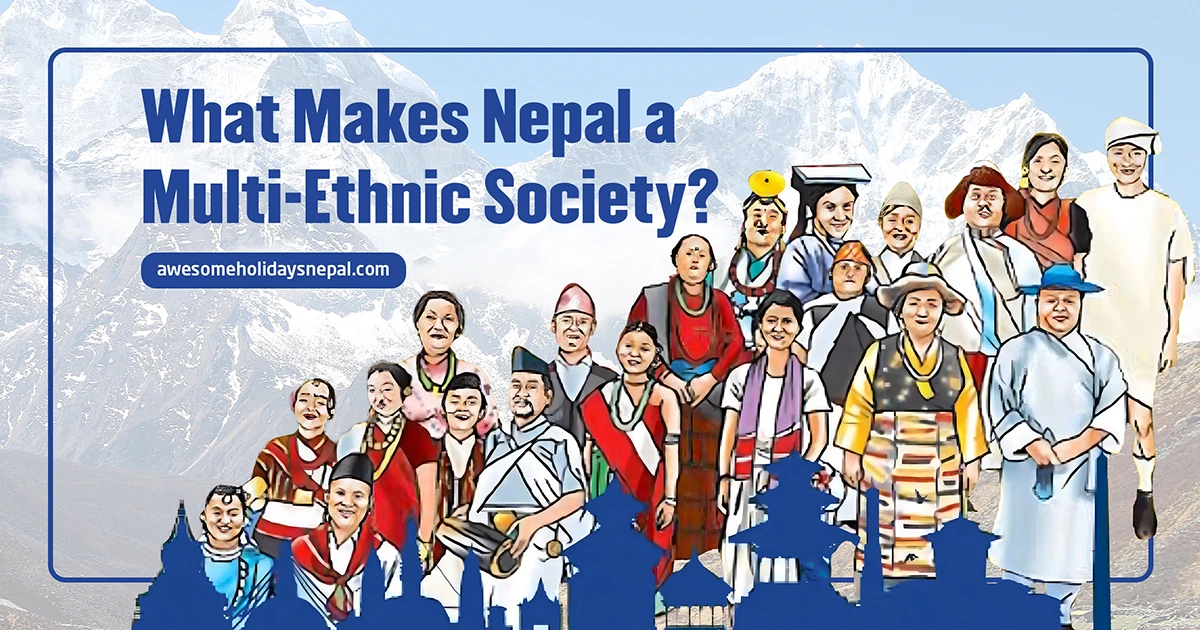
Nepal officially recognizes over 120 ethnic groups, and each brings something unique to the country’s identity. While this diversity can feel overwhelming at first, most groups fall into two broad cultural-linguistic families: Indo-Aryan and Tibeto-Burman.
Indo-Aryan Groups
Indo-Aryan communities are primarily found in the southern plains and parts of the hills. These groups include Brahmin, Chhetri, and various Madhesi communities, among others. Their languages such as Nepali, Maithili, and Bhojpuri belong to the Indo-Aryan language family.
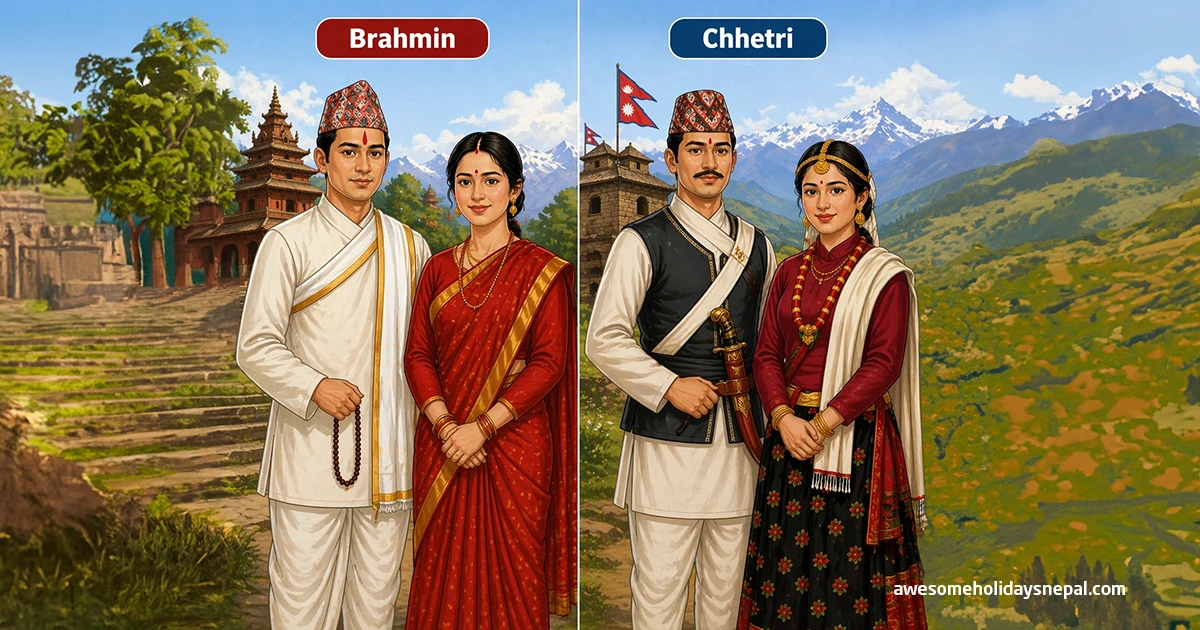
Culturally, many Indo-Aryan groups are influenced by Hindu traditions. Festivals like Dashain and Tihar play a central role in social life, and family structures often emphasize hierarchy and tradition. In the Terai region especially, cultural practices share similarities with communities across the border in northern India, reflecting centuries of interaction.
Tibetan-Burman
In contrast, Tibeto-Burman groups are largely concentrated in the hills and mountainous regions. These include communities such as Gurung, Magar, Tamang, Rai, Limbu, and Sherpa.
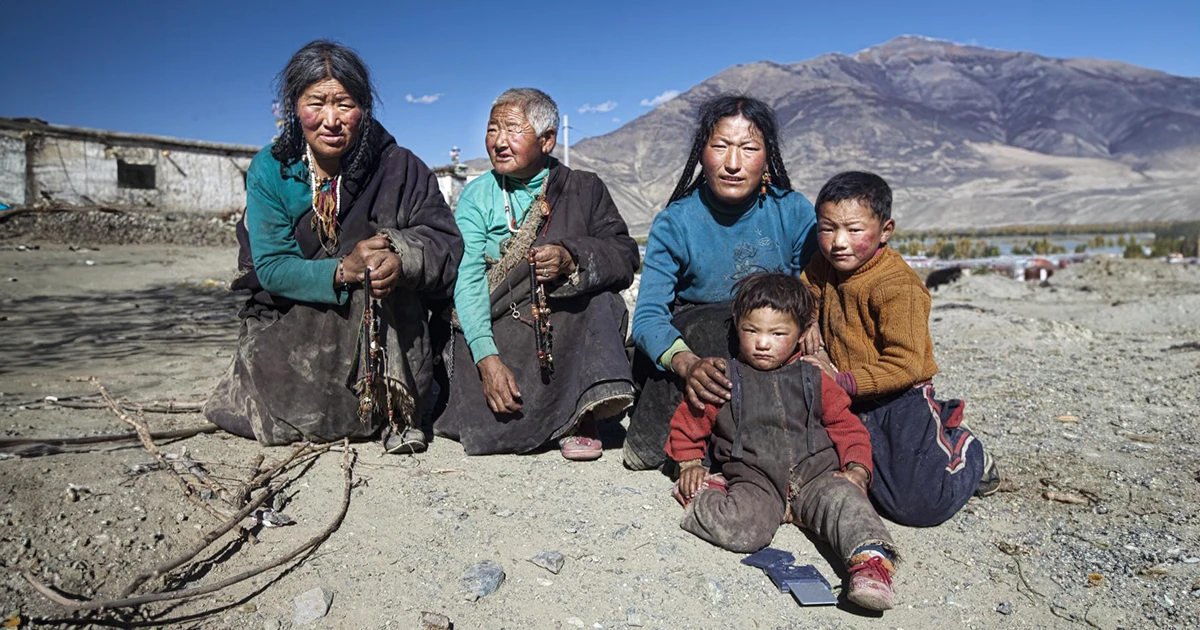
Their languages, customs, and belief systems often differ significantly from Indo-Aryan groups. Many follow Buddhism, Kirat traditions, or a blend of spiritual practices rooted in nature and ancestral worship. Life in these communities has traditionally been shaped by rugged terrain, leading to strong communal ties and unique cultural expressions, from architecture to food to festivals.
Ethnic Groups of Different Geographical Regions
Nepal’s geography isn’t just a backdrop, it plays a defining role in shaping identity. As you move from north to south, you’re not just changing altitude; you’re entering entirely different cultural worlds.
Mountain Region
The mountain region is home to communities that have adapted to extreme altitudes and isolation. Groups such as Sherpa and Thakali are known for their resilience and deep connection to the land.
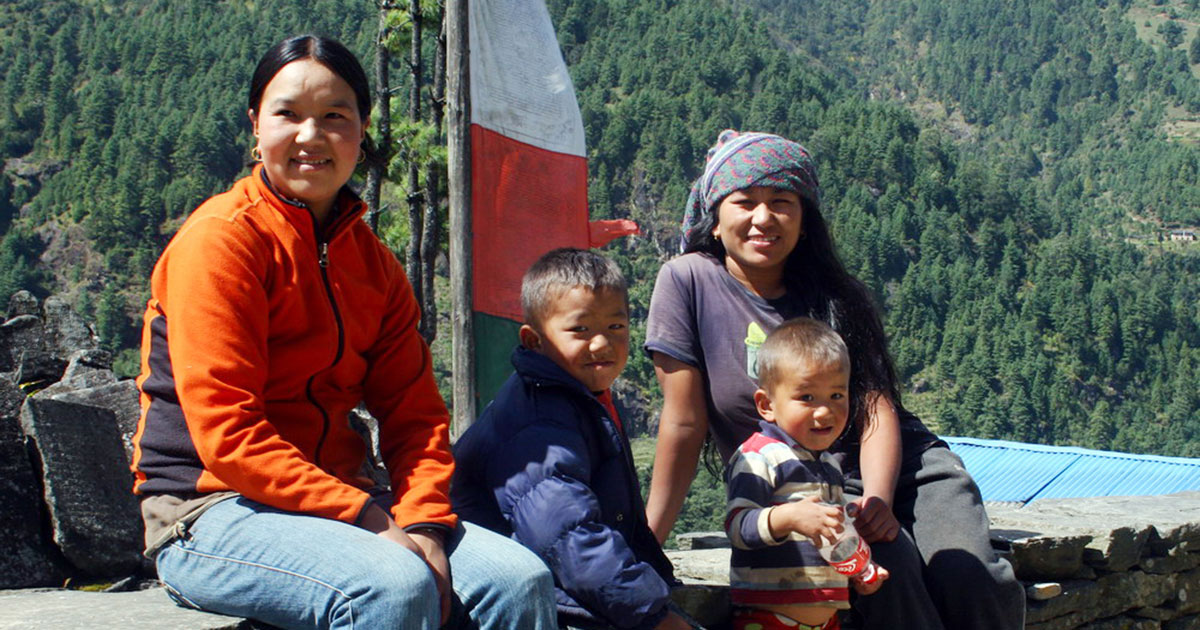
Buddhism is a strong influence here, visible in monasteries, prayer flags, and daily rituals. Life moves at a different pace in the mountains, where survival has historically depended on cooperation and a close relationship with nature. Trade routes, yak herding, and mountaineering have all shaped the identity of these communities.
Hilly Region
The hills are the cultural heartland of Nepal, where a mix of ethnic groups coexist. Gurung, Magar, Tamang, and Newar communities are prominent here, each contributing to a rich blend of traditions.
This region has long been a crossroad, culturally and historically. It’s where you’ll find a balance between old and new, with traditional villages sitting alongside rapidly growing towns. Many hill communities have strong ties to military service, particularly in the famed Gurkha regiments, which has also influenced their social structure and global connections.
Terai Region
Stretching along the southern border, the Terai is Nepal’s agricultural hub and one of its most culturally diverse regions. It is home to Tharu communities as well as Madhesi groups who speak languages like Maithili and Bhojpuri.
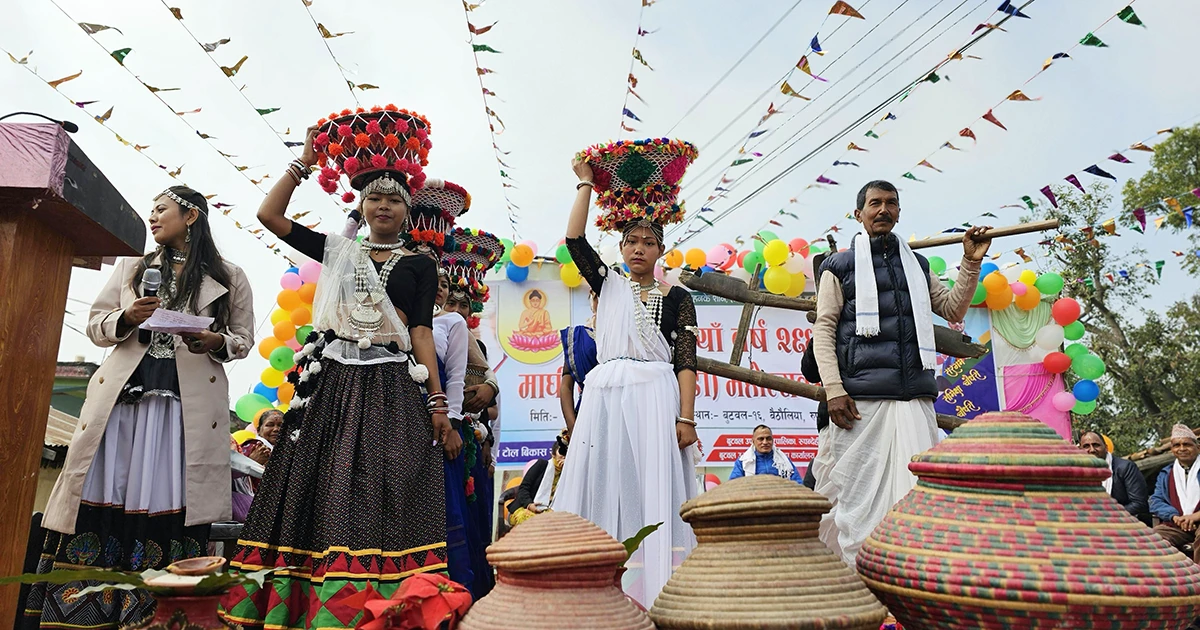
The lifestyle here is closely tied to farming, and the climate allows for year-round agricultural activity. Cultural practices often mirror those found in northern India, but with distinct local variations. Festivals like Chhath, which celebrates the sun god, are especially significant in this region.
Religion and Ethnicity in Nepal
Religion in Nepal is deeply intertwined with ethnicity, though the relationship isn’t always straightforward. Hinduism and Buddhism are the most widely practiced religions, but there are also communities that follow Kirat traditions, Islam, and Christianity.
What makes Nepal particularly interesting is the way these belief systems often blend. It’s not uncommon to see Hindu and Buddhist practices overlapping, especially in communities like the Newars. Rather than strict boundaries, religion here often feels fluid, adapted over generations to fit local cultures and needs
Language Diversity in Nepal
With over 120 languages spoken across the country, Nepal is one of the most linguistically diverse nations in the world. These languages fall mainly into two families: Indo-Aryan and Tibeto-Burman.
Nepali serves as the national language and acts as a common thread that connects different groups. However, many communities continue to use their native languages at home and in cultural settings. This multilingual reality is both a strength and a challenge, as smaller languages face the risk of fading in the face of modernization and migration.
Cultural Practices and Traditions
If there’s one place where Nepal’s diversity truly comes alive, it’s in its cultural practices. Festivals, clothing, food, music, and rituals vary widely across ethnic groups, yet all contribute to a shared national identity.
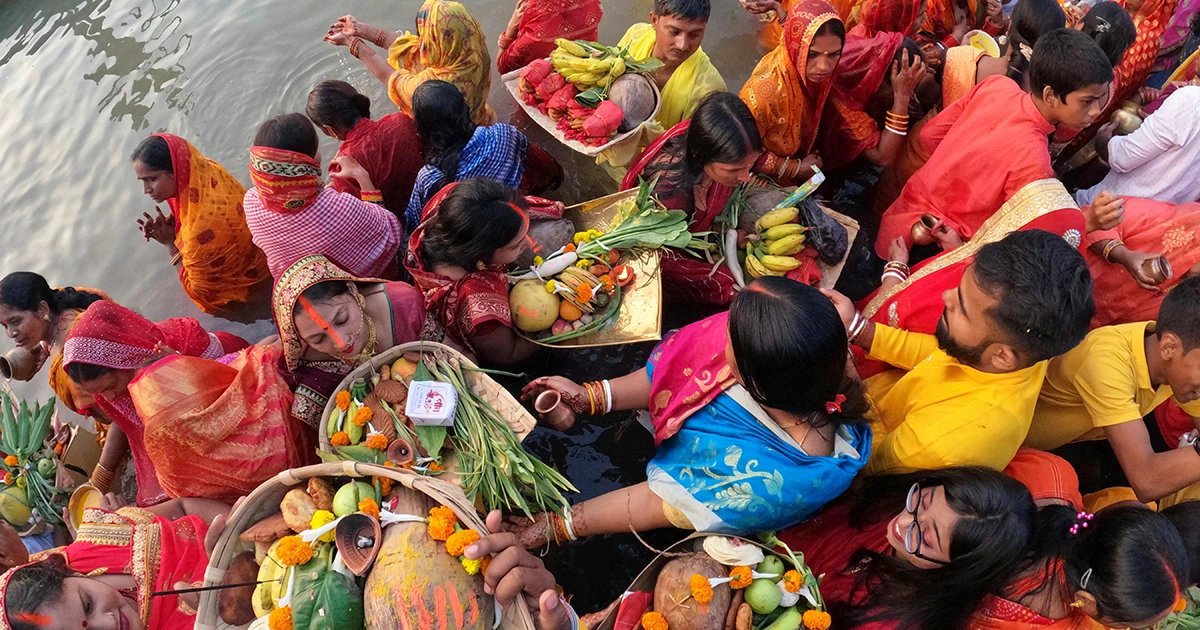
From the vibrant celebrations of Dashain and Tihar to the unique traditions of Lhosar and Chhath, the calendar is filled with occasions that reflect different histories and beliefs. Traditional dress whether it’s a daura suruwal, a gunyo cholo, or region-specific attire, also tells a story of identity and belonging.
Food, too, is deeply cultural. While dishes like dal bhat are widely eaten, each community adds its own flavors and variations, shaped by local ingredients and traditions.
Nepal’s Ethnic Diversity Matter Today
In today’s rapidly changing world, Nepal’s ethnic diversity is both a strength and a responsibility. It enriches the country’s cultural landscape, attracts travelers from around the globe, and offers a deeper sense of identity to its people.
At the same time, it raises important questions about inclusion, representation, and equality. Some communities have historically faced marginalization, and there is ongoing work to ensure that all voices are heard and respected. As Nepal continues to modernize, preserving this diversity while promoting unity remains a delicate but essential balance.
Tips for Travelers and Readers
For those exploring Nepal, whether physically or through reading, understanding its ethnic diversity adds depth to the experience. Respect for local customs goes a long way, especially in rural areas where traditions are more deeply rooted.
Simple gestures matter: dressing modestly, asking before taking photos, and showing interest in local culture can create meaningful connections. It’s also worth remembering that each community has its own norms, so what’s acceptable in one region may not be in another.
Traveling responsibly means not just seeing new places, but engaging with them thoughtfully.
An Experience Worth Everything
Nepal’s identity cannot be captured by a single narrative. It is a country shaped by many voices, many traditions, and many ways of life. From the high mountains to the fertile plains, each ethnic group adds a unique thread to the national fabric.
Understanding this diversity isn’t just about learning facts, it’s about appreciating the depth and complexity of a society that has evolved over centuries. And in doing so, you begin to see Nepal not just as a destination, but as a living, breathing cultural landscape.
Keep adventuring with cultural experiences!
FAQs
Expand AllHow many ethnic groups are there in Nepal?
Nepal officially recognizes more than 120 ethnic groups, according to national census data. Each group has its own language, traditions, and cultural identity, making Nepal one of the most diverse countries in the world for its size.
What is the difference between ethnicity, caste, language, and religion in Nepal?
Ethnicity refers to a group’s shared cultural identity such as traditions, ancestry, and lifestyle. Caste is a historical social hierarchy, mainly within Hindu communities. Language relates to the mother tongue a group speaks, while religion refers to spiritual beliefs and practices.
What are the largest ethnic groups in Nepal?
Some of the largest groups include Chhetri, Brahmin (Hill Brahmin), Magar, Tharu, Tamang, Newar, Kami, and Madhesi communities. However, no single group forms a majority, which is why diversity is so visible across the country.
Which ethnic group is native to the Kathmandu Valley?
The Newar community is indigenous to the Kathmandu Valley and is known for its rich urban culture, architecture, festivals, and cuisine.
Which ethnic communities are common in the Himalaya, hills, and Terai?
In the Himalaya, you’ll commonly find Sherpa and Thakali communities. The hills are home to groups like Gurung, Magar, Tamang, Rai, Limbu, and Newar. The Terai region includes Tharu and Madhesi communities, among others.
Do all Nepalis speak Nepali?
No, not all Nepalis speak Nepali as their first language. While Nepali is the national language and widely understood, many people grow up speaking their own ethnic languages at home.
How many languages are spoken in Nepal?
There are over 120 languages spoken in Nepal, belonging mainly to the Indo-Aryan and Tibeto-Burman language families.
Is Nepal mainly Hindu or Buddhist?
Nepal is predominantly Hindu, but it also has a significant Buddhist population. Both religions have coexisted for centuries and often influence each other.
How do Hindu and Buddhist traditions overlap in Nepal?
In many parts of Nepal, especially in the Kathmandu Valley, people practice a blend of Hindu and Buddhist traditions. It’s common to see shared temples, deities, and festivals, reflecting a unique cultural harmony rather than strict separation.
What is Newar culture known for in Nepal?
Newar culture is known for its intricate festivals, traditional architecture, wood carvings, and rich cuisine. The community has a strong artistic heritage and plays a major role in preserving the cultural identity of the Kathmandu Valley.
What is Tamang culture known for?
Tamang culture is known for its Buddhist traditions, vibrant festivals like Lhosar, traditional music and dance, and strong community bonds. Their lifestyle is closely tied to the hills and mountains.
What makes Sherpa culture distinct?
Sherpa culture stands out for its deep connection to the Himalayas, mountaineering heritage, and strong influence of Tibetan Buddhism. Their resilience and high-altitude lifestyle make them unique.
What is unique about Tharu culture?
Tharu culture is closely tied to the Terai’s forests and plains. Traditionally, Tharu communities lived in harmony with the jungle environment and are known for their distinctive dance, art, and mud-house architecture.
How are Gurung and Magar communities different from each other?
While both are hill communities with strong traditions and military history, they have different languages, cultural practices, and rituals. Each group maintains its own identity despite some similarities in lifestyle.
What is Madhesi identity in Nepal?
Madhesi identity refers to people from the Terai plains who share cultural, linguistic, and social ties with communities across the southern border. It reflects a distinct regional identity within Nepal.
Where can travellers experience Newar culture respectfully?
Travellers can experience Newar culture in the Kathmandu Valley, especially in traditional areas like old town centers, heritage squares, and local festivals.
Where can travellers experience Tamang culture in Nepal?
Tamang culture can be experienced in regions like Langtang, Helambu, and areas around the Kathmandu Valley where Tamang communities live.
Where can travellers experience Tharu culture in Nepal?
Tharu culture is best experienced in the Terai, particularly around Chitwan and Bardiya, where cultural programs and village visits are available.
Which festivals best show Nepal’s cultural diversity?
Festivals like Dashain, Tihar, Lhosar, Chhath, and Indra Jatra showcase the country’s wide cultural and religious diversity.
Can tourists visit villages and homestays in ethnic communities?
Yes, many regions in Nepal offer community homestays where visitors can experience local culture firsthand. These are often well-managed and provide authentic insights into daily life.
What should visitors wear when entering temples or monasteries in Nepal?
Visitors should wear modest clothing that covers shoulders and knees. Shoes must be removed before entering religious sites.
What are the most important etiquette rules in Nepal?
Basic etiquette includes greeting people politely, using the right hand for giving or receiving items, removing shoes indoors, and respecting religious spaces and customs.
Is it respectful to photograph people in villages and festivals?
It’s best to ask for permission before taking photos of people, especially in rural areas or during religious ceremonies.
Do different ethnic groups in Nepal have different foods and dress?
Yes, each ethnic group has its own traditional foods, clothing styles, and culinary practices, often influenced by geography and climate.
Why does Nepal have so much cultural diversity despite its small size?
Nepal’s dramatic geography, historical trade routes, and position between India and Tibet have encouraged the development of many distinct communities over time.
Are ethnic identities in Nepal linked to specific regions?
Yes, many ethnic groups are traditionally associated with particular regions, although migration and urbanization are gradually blending these patterns.
Is Nepal safe for cultural travel outside the main tourist cities?
Yes, Nepal is generally safe for travel, including rural and culturally rich areas, as long as visitors follow basic precautions and respect local customs.
How can travellers support local communities while learning about culture?
Travellers can support communities by staying in local homestays, hiring local guides, buying handmade products, and respecting cultural practices.
Can one trip in Nepal include several different cultural regions?
Yes, it’s possible to experience multiple cultural regions in one trip due to Nepal’s compact geography, especially when combining city visits with trekking or Terai exploration.
What is the best way to understand Nepal’s diversity without stereotyping people?
The best approach is to stay curious, avoid assumptions, and treat each community as unique. Listening, observing, and engaging respectfully will always lead to a deeper and more accurate understanding.
Related blog posts
Discover a choice of tourist destinations loved by most of our visitors. Whether you're on a jungle safari to spot rare animals or walking through a world heritage site, these well-planned itineraries cover the major highlights of Nepal.
 call an expert at: