
Everest View Trek for Seniors in 2026: Everest Scenery Without the Strain of Base Camp

 Sujata Pokhrel
Is the Everest View trek for seniors the same as the regular one? Not exactly!
For many travelers, standing face-to-face with Everest is a lifelong dream. But let’s be honest, trekking all the way to Everest Base Camp isn’t always realistic, especially for older adventurers who prefer a safer and more comfortable experience.
While everyone is allowed to dream of witnessing Everest’s grandeur, the treacherous path and challenging trail aren’t for everyone. Old people need a more elaborate itinerary with more days to acclimatize and adapt to the harsh weather.
Let’s get through the blog to better understand the right preparation for the Everest View trek for Senior travelers.
Overview of the Everest View Trek
The Everest View Trek is a short and scenic journey into the Everest region, designed for those who want the experience without the exhaustion.
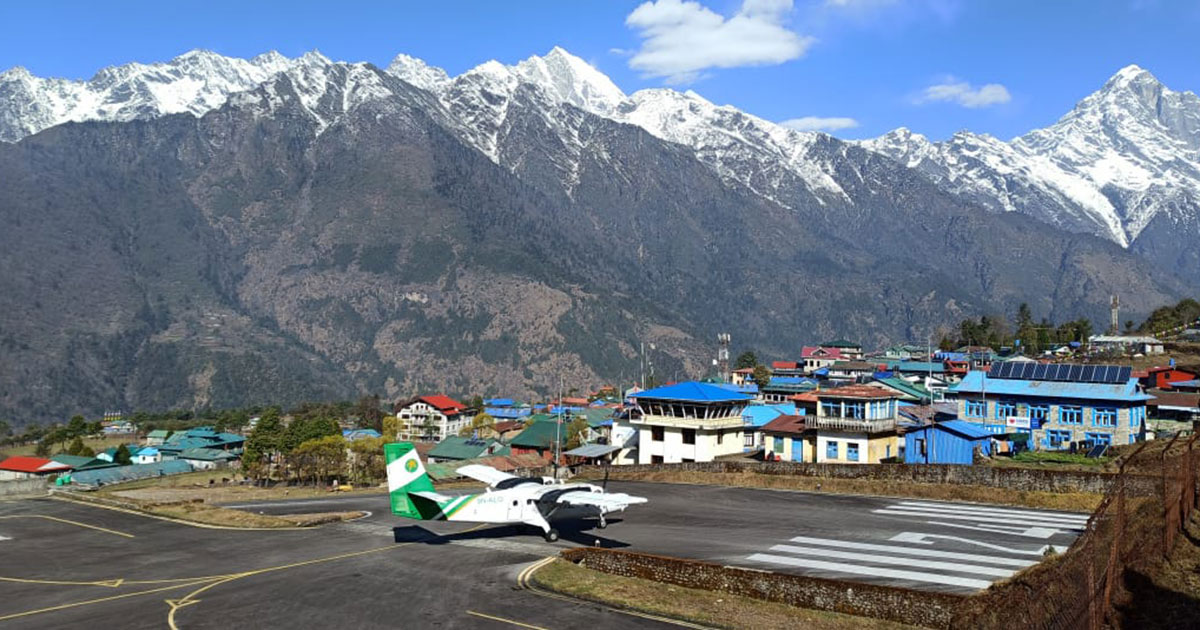
The journey begins with a flight to Lukla Airport, followed by a gentle trek through river valleys and traditional villages. Most itineraries take you as far as Namche Bazaar, the vibrant Sherpa hub, and up to the famous Everest View Hotel, one of the best vantage points in the region.
From here, you’ll enjoy panoramic views of Everest along with surrounding giants like Ama Dablam and Lhotse, without pushing your body to extreme limits.
What Makes the Everest View Trek for Seniors a Good Option?
The Everest view trek is one of the best option for seniors for various reason. Here are some reasons for this:
Lower Physical Demand
Unlike the Base Camp trek, which involves long and often exhausting days, the Everest View Trek is much gentler. Daily walks are typically 3–5 hours, with plenty of breaks.
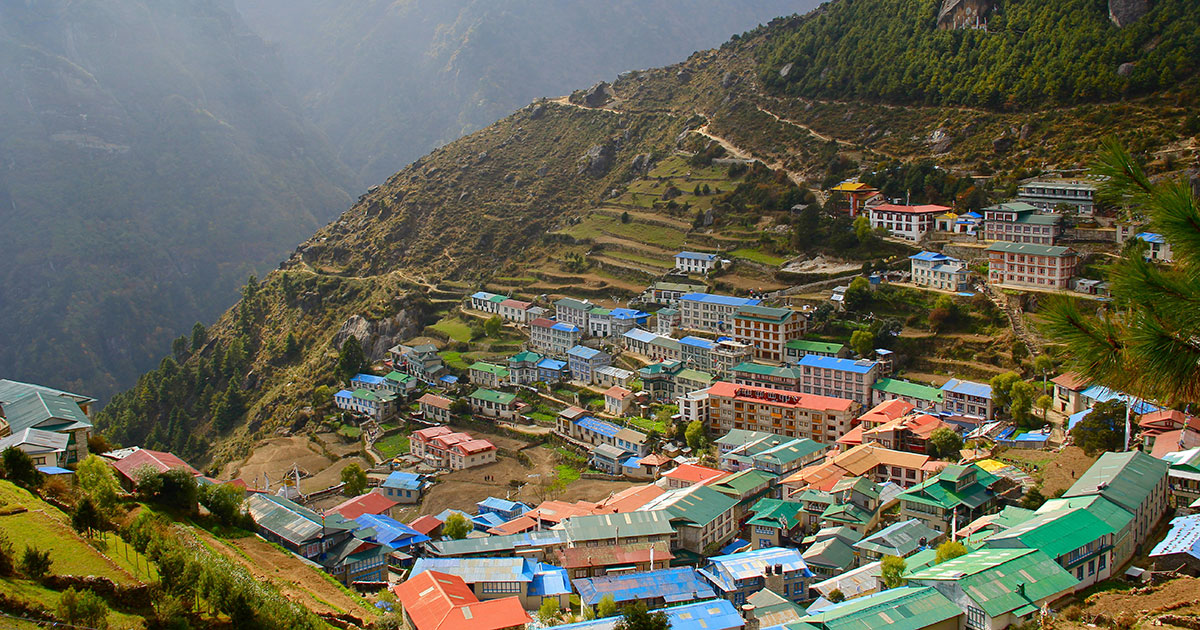
There are still uphill sections, especially the climb to Namche but the pace can be adjusted. For seniors, this makes a huge difference. It’s less about endurance and more about enjoying the journey.
Better Acclimatization
Altitude is one of the biggest concerns in the Himalayas, especially for older trekkers. A senior-friendly itinerary includes additional acclimatization time, often with an extra night in Namche Bazaar. This allows the body to adapt gradually, reducing the risk of Acute Mountain Sickness.
Rather than rushing upward, the journey becomes a slow, intentional climb, something that significantly improves both safety and comfort.
Comfortable Accommodation
Accommodation along this route is more comfortable than many expect. Teahouses in the Everest region offer warm dining areas, basic but clean rooms, and nourishing meals. In places like Namche, the facilities can be surprisingly good, with access to bakeries, cafes, and even hot showers.

For those seeking an extra level of comfort, staying at the Everest View Hotel provides not just better amenities but also one of the finest panoramic viewpoints in the region.
Flexible Itinerary Options
One of the biggest advantages for seniors is flexibility. The itinerary can be extended with rest days, shortened if needed, or even adjusted mid-journey. Helicopter returns are also an option for those who prefer to avoid retracing their steps.

This adaptability ensures that the trek feels like a personal journey rather than a fixed challenge.
How Difficult is the Everest View Trek?
The Everest View Trek is generally considered easy to moderate, but that description deserves some context. The trails are well-marked and frequently used, yet they are not flat. Expect stone steps, gradual climbs, and occasional steep sections.
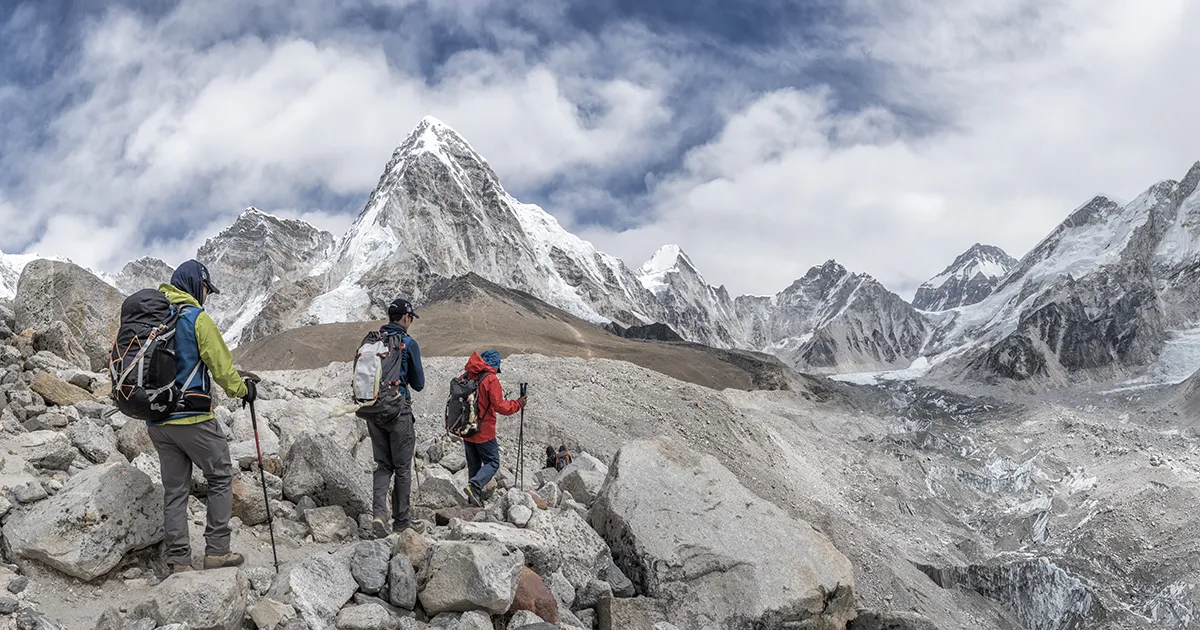
For seniors, the difficulty depends less on age and more on pacing and preparation. Compared to the Everest Base Camp Trek, this route is significantly less demanding in both distance and altitude. However, it still requires a reasonable level of fitness and the willingness to walk for several hours a day.
With a steady approach, most older travellers find it comfortably achievable.
What Older Travelers Should Know
Trekking in the Himalayas is not just about distance; it is about how the body responds to altitude and changing conditions. Even on a shorter trek, the air becomes thinner as you ascend, and energy levels can fluctuate.
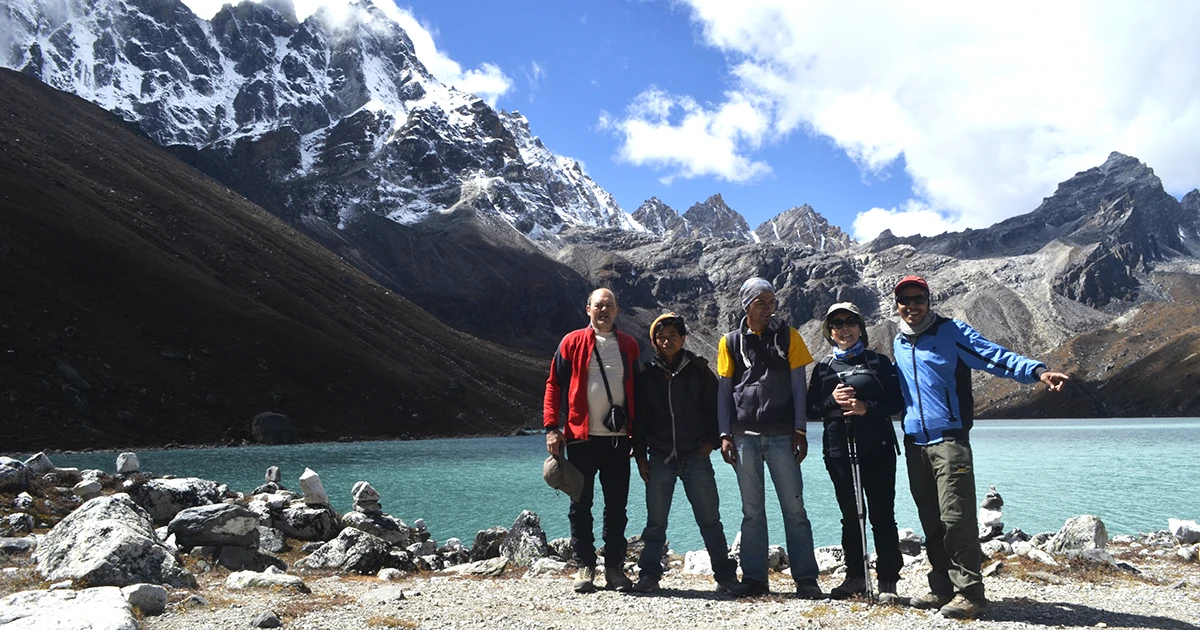
Listening to your body is essential. Fatigue, mild headaches, or shortness of breath are common, but they should never be ignored. Proper hydration, gradual ascent, and open communication with your guide make a significant difference.
Equally important is mindset. This is not a race to a destination but a journey to be experienced at your own rhythm.
Best Time to Do Everest View Trek for Seniors
Choosing the right season can make the entire experience more enjoyable. Spring, from March to May, brings mild temperatures and blooming rhododendron forests, adding color to the landscape. Autumn, from September to November, offers crisp air and some of the clearest mountain views of the year.
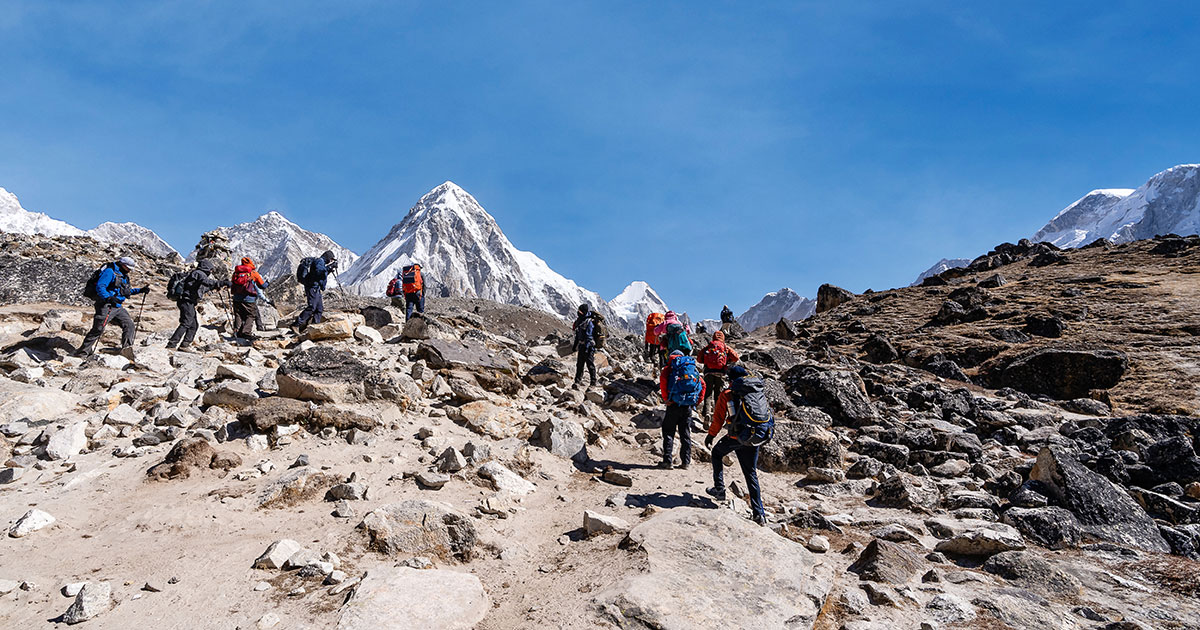
Winter is quieter and less crowded, but colder temperatures can make the trek more challenging, especially for older travellers. The monsoon season, on the other hand, is generally avoided due to rain and limited visibility.
For seniors, stable weather and clear views are often worth prioritizing, making spring and autumn the best choices.
Health and Fitness for Older Trekkers
Preparing for the Everest View Trek does not require extreme training, but it does benefit from consistency. Regular walking, light cardio, and some uphill practice can go a long way in building confidence before the trip.
It is also wise to consult a doctor, especially for those with existing health conditions. Carrying personal medications and having travel insurance that covers high-altitude trekking adds an extra layer of security.
More than anything, success on this trek comes from pacing. Walking slowly, taking breaks, and allowing the body to adjust naturally often matters more than physical strength.
Pros and Cons for Everest View Trek
One of the most appealing aspects of the Everest View Trek is that it delivers breathtaking Himalayan scenery without the physical strain of longer expeditions. It is shorter, safer, and far more accessible, particularly for older travellers who value comfort and flexibility.
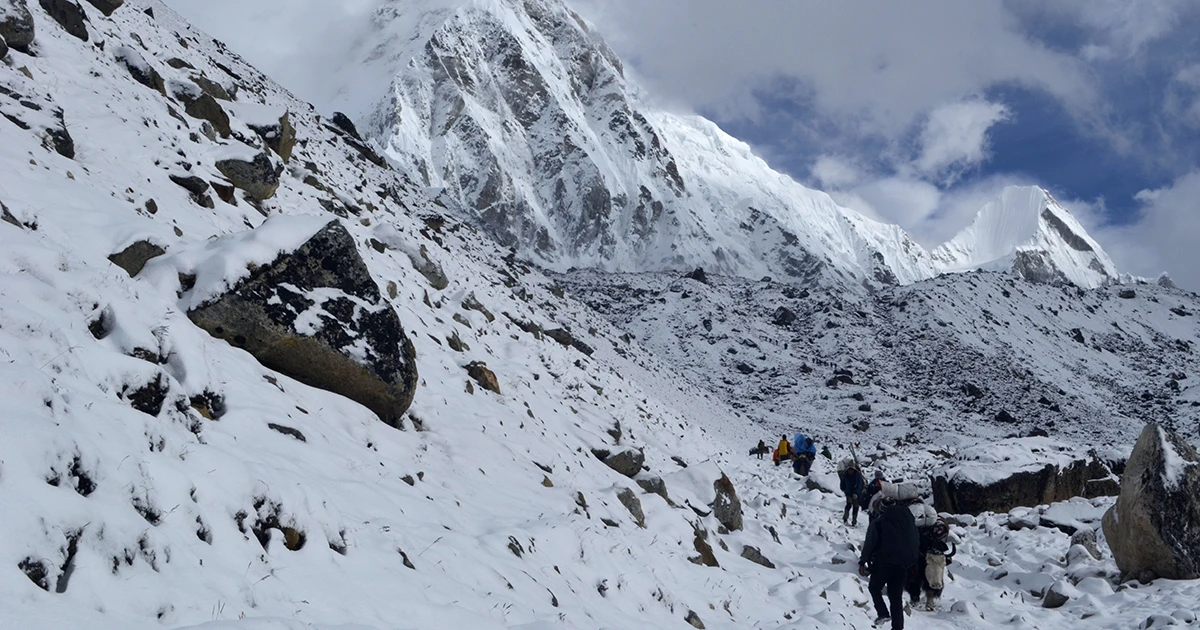
However, it is not entirely without challenges. Altitude is still a factor, and flights to Lukla can be affected by weather conditions. While the experience is rich, it does not offer the same sense of accomplishment as reaching Everest Base Camp, which may matter to some travellers.
Understanding these trade-offs helps set realistic expectations.
Is Everest View Trek Worthy for Seniors?
For many older travellers, the Everest View Trek strikes the perfect balance between adventure and comfort. It allows you to stand in the shadow of the world’s highest peaks, experience Sherpa culture, and enjoy the rhythm of mountain life—without pushing your limits too far.
It is particularly well-suited for those who prioritize scenery over distance and experience over endurance. Rather than proving something physically, the journey becomes about fulfilling a long-held dream in a way that feels achievable and enjoyable.
Don’t Let Your Age Limit Adventure
The Everest region has a way of inspiring people of all ages, but it does not demand the same level of effort from everyone. The Everest View Trek shows that it is possible to experience the magic of the Himalayas without taking on the full challenge of high-altitude expeditions.
For seniors in 2026, the key lies in thoughtful preparation, realistic expectations, and a willingness to move at a comfortable pace. With the right approach, this trek becomes less about the strain and more about the scenery, the culture, and the quiet satisfaction of finally seeing Everest with your own eyes.
Keep adventuring!
FAQs
Expand AllIs the Everest View Trek suitable for seniors?
Yes, the Everest View Trek is one of the most suitable Himalayan treks for seniors. It offers spectacular views of Mount Everest without the long duration and extreme altitude of more demanding routes. With a slower pace and proper planning, many older travellers complete it comfortably.
Can older travellers do the Everest View Trek safely?
Older travellers can absolutely do this trek safely, provided they take acclimatization seriously, walk at a steady pace, and listen to their bodies. Hiring a guide and allowing extra days makes the experience significantly safer and more enjoyable.
What is the maximum altitude on the Everest View Trek?
The highest point is usually around 3,880 meters at Everest View Hotel. This is much lower than the altitude reached on the Everest Base Camp Trek.
How difficult is the Everest View Trek for people over 50?
For people over 50, the trek is generally manageable with a basic level of fitness. Regular walking and light cardio beforehand are usually enough to prepare
How difficult is the Everest View Trek for people over 60?
For those over 60, the trek is still achievable, but it’s important to move slowly, take breaks, and include extra acclimatization days. Many trekkers in their 60s and even 70s complete this route successfully.
Is the Everest View Trek easier than Everest Base Camp?
Yes, significantly easier. It is shorter, reaches a lower altitude, and involves fewer physically demanding days compared to the Everest Base Camp Trek.
How many hours do you walk each day on the Everest View Trek?
Most days involve about 3 to 5 hours of walking. The pace is flexible, which is ideal for seniors.
Is the climb to Namche Bazaar too hard for older travellers?
The climb to Namche Bazaar is the most challenging part of the trek, with a steady uphill section at the end. It can feel demanding, but with slow pacing and rest breaks, most seniors manage it well.
Is the walk to Hotel Everest View steep?
Yes, the hike up to Everest View Hotel is uphill and can feel steep, especially at altitude. However, it is short and can be done slowly, making it achievable for most older trekkers.
Can beginners do the Everest View Trek?
Yes, beginners can do this trek. It is often recommended as a first Himalayan trekking experience.
Do seniors need previous trekking experience for the Everest View Trek?
No prior trekking experience is required. However, being comfortable with walking for several hours a day is important.
What is the best age range for the Everest View Trek?
There is no strict age limit. The trek is suitable for anyone from their 40s to 70s and beyond, depending on fitness and health.
Is the Everest View Trek good for first-time trekkers?
Yes, it is one of the best short treks in Nepal for first-time trekkers who want to experience Everest without a long commitment.
What is the best season for seniors to do the Everest View Trek?
Spring (March–May) and autumn (September–November) are the best seasons, offering stable weather and clear mountain views.
Is spring or autumn better for older trekkers in Everest?
Both are excellent. Spring offers warmer temperatures and blooming landscapes, while autumn provides the clearest skies. Seniors often prefer autumn for visibility and stable conditions.
Can older travellers get altitude sickness on the Everest View Trek?
Yes, even at lower altitudes, there is still a risk of Acute Mountain Sickness. However, the risk is much lower than on longer treks.
How should seniors prepare for altitude on the Everest View Trek?
Preparation includes walking slowly, staying hydrated, avoiding alcohol, and including acclimatization days. Consulting a doctor before the trip is also recommended.
Do seniors need an acclimatization day in Namche Bazaar?
Yes, absolutely. Spending an extra night in Namche Bazaar is one of the most important steps for safe trekking.
Are trekking poles useful for the Everest View Trek?
Yes, trekking poles are highly recommended. They reduce strain on the knees and improve balance, especially on descents.
Should older travellers hire a porter for the Everest View Trek?
Hiring a porter is strongly recommended. It allows seniors to walk comfortably without carrying heavy loads.
Are there private bathrooms on the Everest View Trek?
In lower areas, some lodges offer private bathrooms. However, shared bathrooms are more common as you go higher.
What food can seniors expect on the Everest View Trek?
Meals are simple but nourishing. Expect dishes like rice, lentils, noodles, soups, potatoes, and some Western options such as pasta and pancakes.
Are Lukla flights a problem for older travellers?
Flights to Lukla Airport can be delayed due to weather. While generally safe, they require flexibility and patience.
Should seniors keep extra buffer days for the Everest View Trek?
Yes, keeping 1–2 extra days is highly recommended in case of flight delays or the need for additional rest.
What permits are needed for the Everest View Trek?
You need the Sagarmatha National Park Permit and the Khumbu Pasang Lhamu Rural Municipality Permit.
Is travel insurance necessary for seniors trekking in Everest?
Yes, travel insurance is essential. It should cover high-altitude trekking and emergency evacuation.
Can the Everest View Trek be done as a private trip for older couples?
Yes, it is very popular as a private trek. This allows complete flexibility in pace, itinerary, and comfort.
Is the Everest View Trek the best short Everest trek for seniors?
For most seniors, yes. It offers the perfect balance of accessibility, comfort, and unforgettable Himalayan views without the strain of longer treks.
Related blog posts
Discover a choice of tourist destinations loved by most of our visitors. Whether you're on a jungle safari to spot rare animals or walking through a world heritage site, these well-planned itineraries cover the major highlights of Nepal.

 call an expert at: