
Mardi Himal Trek Cost in 2026: Guide Fees, Transport, and the Hidden Costs Trekkers Forget

 Sujata Pokhrel
The Mardi Himal trek cost in 2026 is surprisingly affordable, especially when compared to other Himalayan routes. But, only if you can understand where your money actually goes.
On paper, you might hear numbers like $300 or $500, and yes, that’s possible. But once you factor in food, transport, guides, and those sneaky little extras, the real cost starts to look different.
Let’s get through the blog to better understand the factors behind the Mardi Himal trek cost in 2026.
Mardi Himal Trek Overview
The Mardi Himal Trek is a relatively short and less crowded trekking route in Nepal, usually completed in 5 to 7 days. Starting near Pokhara, the trail climbs through dense forests, ridgelines, and alpine landscapes before reaching Mardi Himal Base Camp at around 4,500 meters.

What makes this trek stand out is its balance: it offers close-up Himalayan views without the long duration or high cost of bigger expeditions. For many travelers, it’s the perfect introduction to trekking in the Annapurna Region.
Overview of Mardi Himal Trek Cost in 2026
In 2026, the total cost of the Mardi Himal trek depends heavily on how you travel. A solo budget trekker can complete it for around $300–$450, while someone hiring a guide and seeking more comfort may spend $500–$800. Those opting for a more premium, organized experience could easily cross $1,000.
On a daily basis, most trekkers spend somewhere between $30 and $120. The shorter duration of the trek helps keep the total cost low, but daily expenses, especially food and small extras can quickly push the budget upward.
Transportation Costs
Your journey typically begins in Kathmandu and moves toward Pokhara, the gateway to the trek.
The most budget-friendly option is a tourist bus, which costs around $10–$20. It’s a long ride, often 6 to 8 hours, but manageable if you’re not in a rush. Flights are quicker, taking about 25 minutes, but cost between $80 and $120 depending on the season.
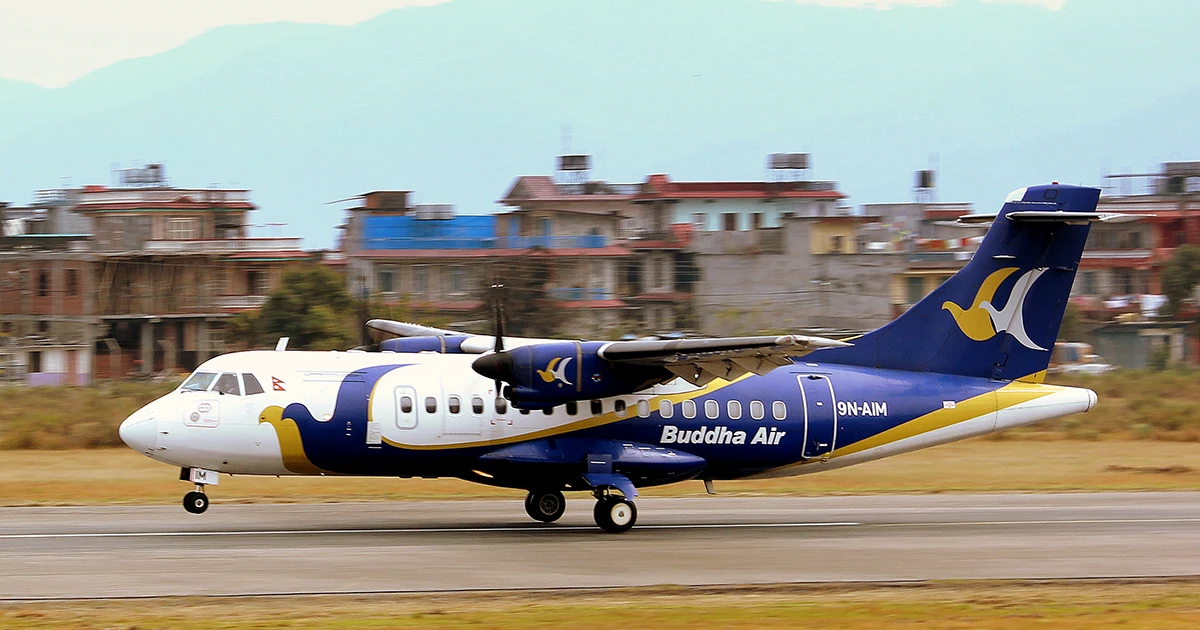
From Pokhara, you’ll need to reach the trailhead, usually Kande or Sidhing. Local jeeps or shared rides cost a few dollars, while a private vehicle may cost $30 or more. It’s a small expense compared to flights, but still something that adds up if you’re not sharing.
Permits Costs
To trek in the Annapurna region, you need two permits: the Annapurna Conservation Area Permit and the TIMS card.
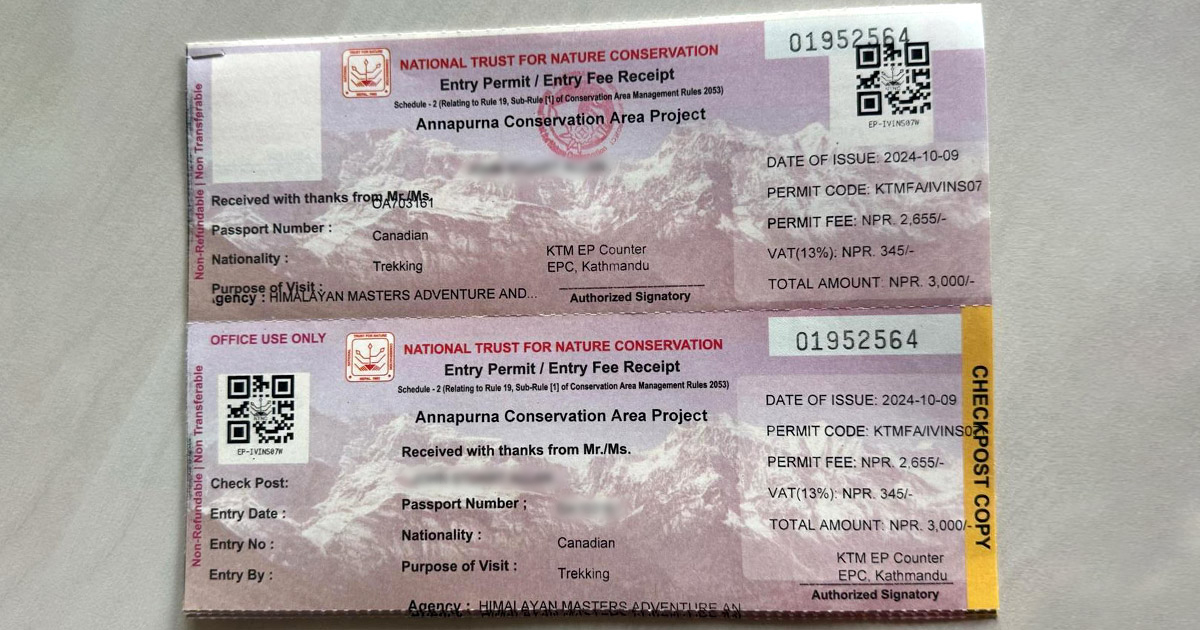
Together, these cost roughly $30–$40 for international trekkers in 2026. Compared to other trekking regions in Nepal, this is quite reasonable. The process is straightforward and can be completed either in Kathmandu or Pokhara.
Accommodation Costs on Trail
Accommodation on the Mardi Himal trek is based on teahouses, simple lodges run by local families.
Rooms are inexpensive, usually ranging from $3 to $10 per night at lower elevations. As you climb higher, prices increase slightly due to the difficulty of transporting supplies. Even then, it rarely exceeds $15 unless you’re choosing the best available rooms at popular stops like High Camp.
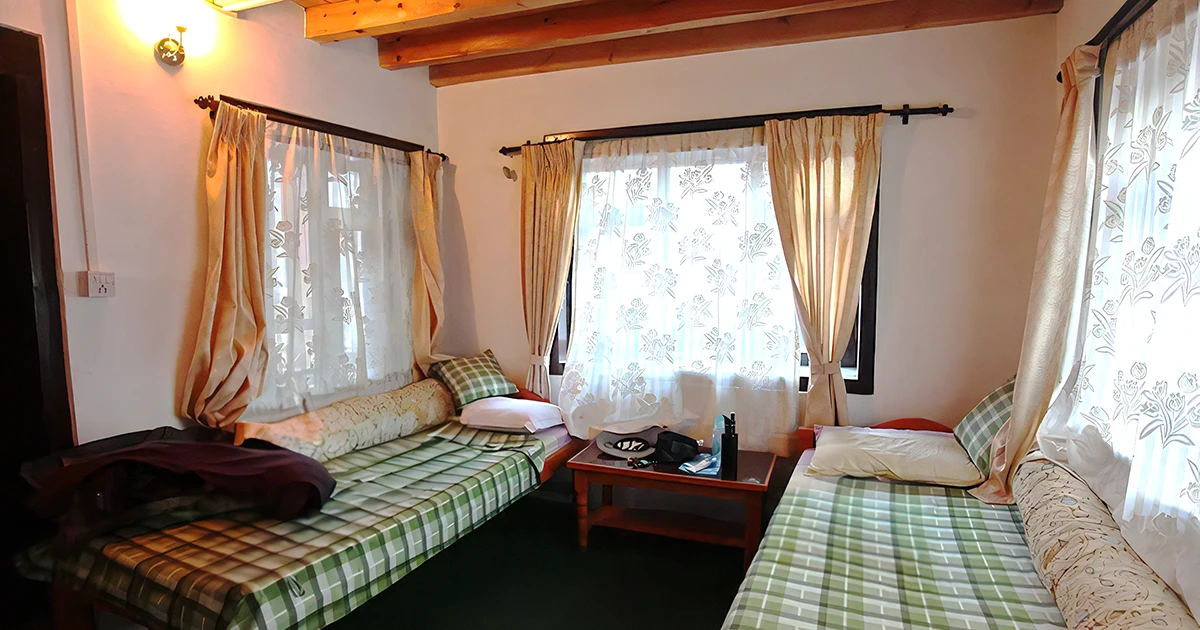
The catch is that cheap rooms often come with an expectation: you’ll eat your meals at the same teahouse. That’s where the real spending begins.
Food and Drinks Costs
Food is the biggest daily expense on the trek, and it surprises many first-time trekkers.
A typical meal costs $4–$8 at lower altitudes and can go up to $10–$15 higher up. Simple dishes like dal bhat, noodles, pasta, and fried rice dominate the menus. While the food is filling and often delicious, the prices reflect the effort needed to carry ingredients up the mountain.
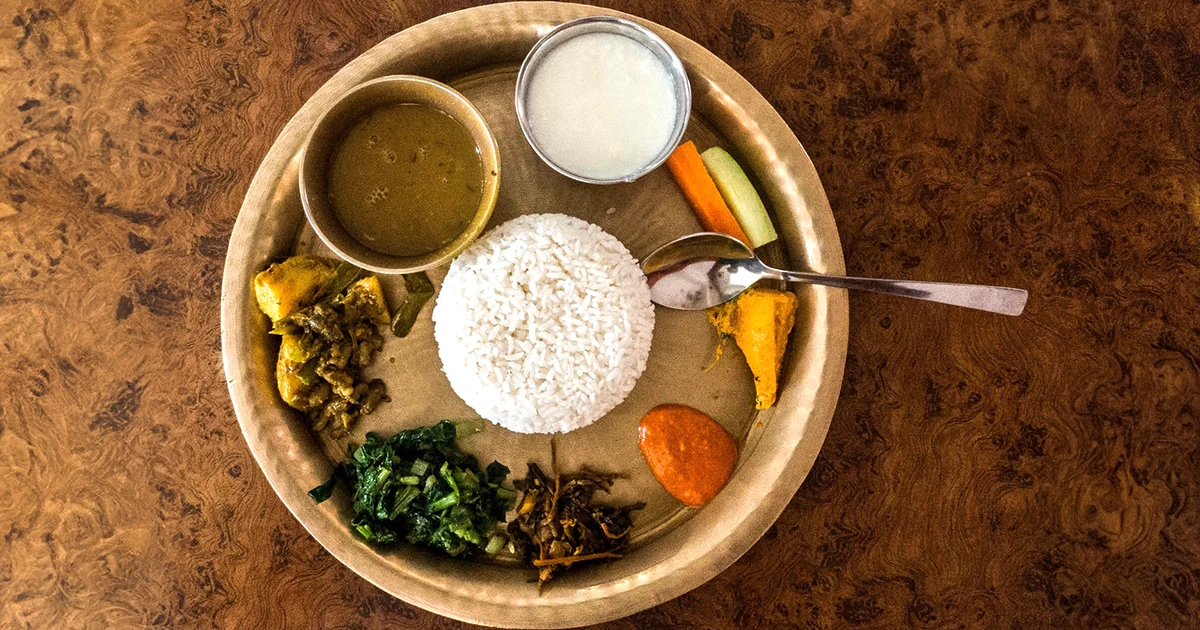
Drinks and extras quietly increase your daily spend. Tea, coffee, bottled water, and snacks can easily add another $5–$10 per day. Over a 5–7 day trek, this becomes a noticeable portion of your budget.
Guide and Porter Fees
Hiring a guide is not mandatory for the Mardi Himal trek, but it is increasingly recommended, especially for first-time trekkers.
A licensed guide typically charges $25–$35 per day. For a 5-day trek, that’s around $125–$175. Porters, who carry your heavier gear, cost about $15–$25 per day.
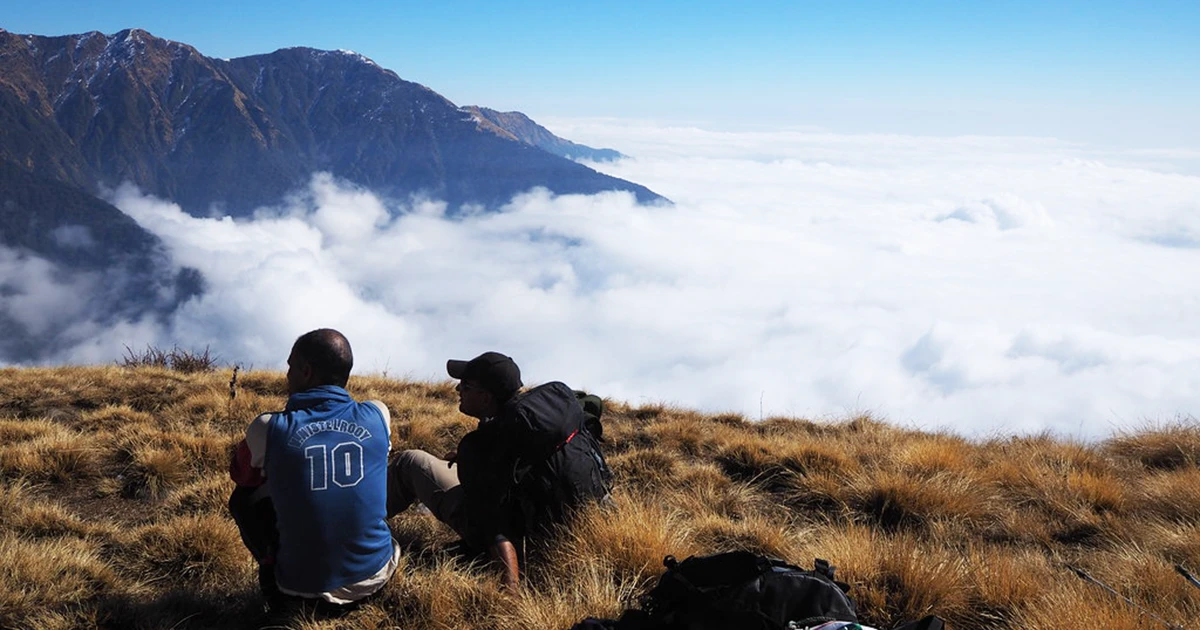
While these costs may seem optional, they provide significant value. A guide handles navigation, helps with logistics, and adds a layer of safety. A porter, meanwhile, allows you to trek more comfortably, especially at higher altitudes.
Sharing a guide or porter with other trekkers is a common way to reduce costs.
Hidden Costs That Trekkers Forget
This is where many budgets go wrong.
Small charges along the trail, charging your phone, using Wi-Fi, or taking a hot shower, often cost $1–$5 each time. Individually, they seem insignificant. Over several days, they add up quickly.
Travel insurance is another essential cost that people sometimes overlook. High-altitude trekking comes with risks, and helicopter evacuation in Nepal can be extremely expensive without coverage.
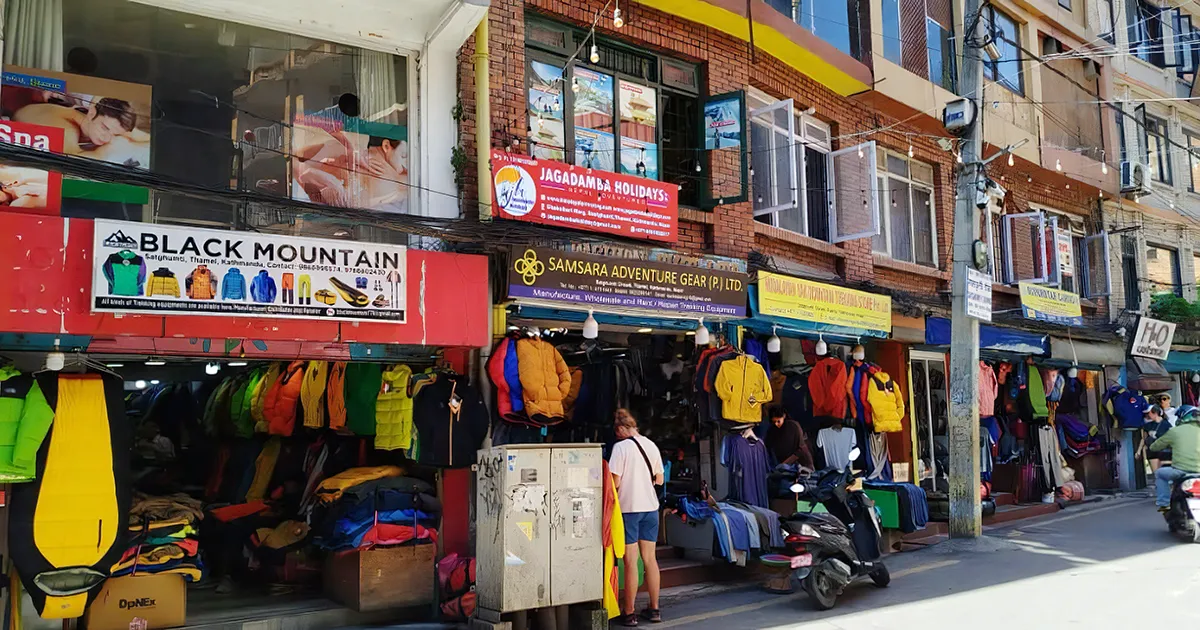
Then there are tips for guides and porters, which are customary and expected. Add to that gear rental (jackets, sleeping bags), last-minute purchases in Pokhara, and unexpected delays due to weather or health.
These “invisible” costs can easily add $100–$200 to your total without you realizing it.
Seasonal Cost Differences of Mardi Himal Trek
The time of year you choose to trek has a noticeable impact on cost.
During peak seasons, spring (March to May) and autumn (September to November), prices are slightly higher due to demand. Flights, accommodation in Pokhara, and guide availability can all become more expensive.
In contrast, winter and monsoon seasons are quieter and often cheaper. You might save 20–30%, but you’ll need to deal with colder temperatures or reduced visibility.
Budget Comparison of Mardi Himal vs Other Treks
Compared to larger treks in Nepal, Mardi Himal stands out as a budget-friendly option.
The Everest Base Camp Trek can cost $1,200–$2,500 or more, largely due to flights to Lukla and longer duration. Similarly, the Annapurna Base Camp Trek typically costs more than Mardi Himal because it takes longer and involves more logistics.
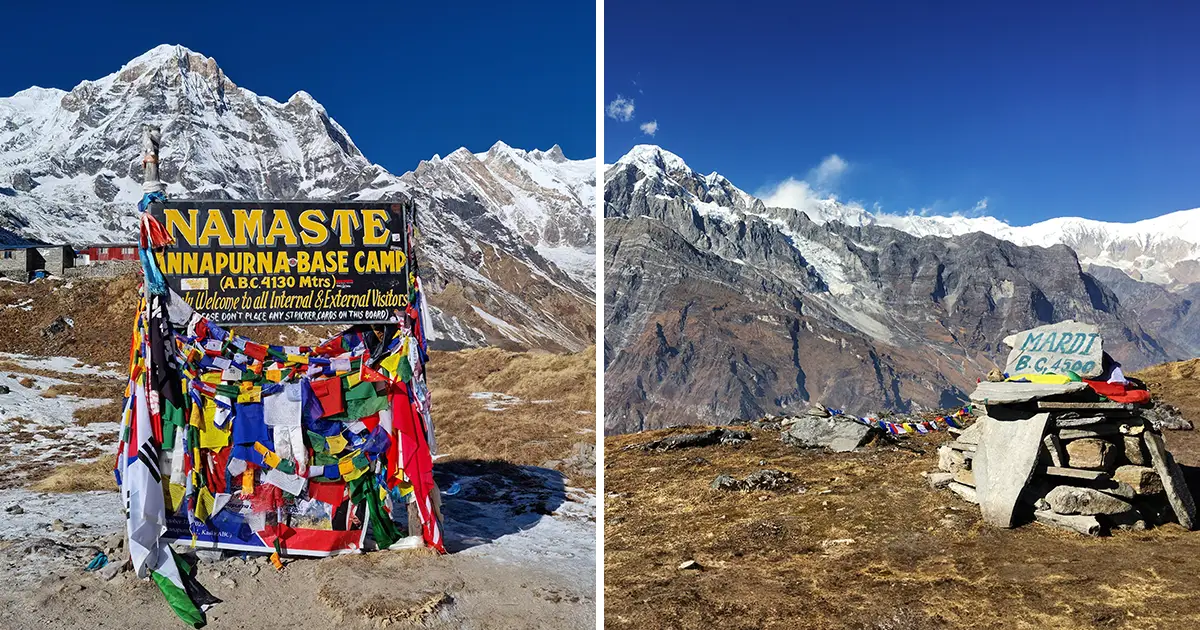
Mardi Himal, on the other hand, keeps things simple. Shorter duration, fewer logistics, and lower daily costs make it ideal for travelers who want a Himalayan experience without a heavy financial commitment.
How Much Budget Do You Have?
In the end, the cost of the Mardi Himal trek in 2026 comes down to your travel style.
If you’re keeping things simple and trekking independently, you can complete the journey for around $300–$450. A more comfortable experience with a guide will likely cost $500–$800. And if you prefer convenience, flexibility, and added comfort, your budget could go beyond $1,000.
A safe and realistic budget for most trekkers sits somewhere in the middle, around $600–$800. This gives you enough flexibility to handle unexpected expenses, enjoy the experience, and avoid unnecessary stress.
Because in the mountains, it’s rarely the big costs that catch you off guard, it’s the small ones you didn’t plan for.
FAQs
Expand AllHow much does the Mardi Himal Trek cost in 2026?
Most trekkers spend between $300 and $800 in total. A basic independent trek sits on the lower end, while hiring a guide, adding comfort, or flying between Kathmandu and Pokhara pushes costs higher.
Is the Mardi Himal Trek cheaper from Pokhara or from Kathmandu?
Starting from Pokhara is definitely cheaper. If you begin in Kathmandu, you’ll need to add transport costs (bus or flight), which can increase your budget by $20–$120 depending on how you travel.
Do I need a guide for the Mardi Himal Trek in 2026?
A guide is not mandatory, but it’s strongly recommended, especially if you’re trekking solo or it’s your first time in the Annapurna Region. Trails are generally clear, but weather and altitude can complicate things.
Do I need both ACAP and TIMS for the Mardi Himal Trek?
Yes, you typically need both, Annapurna Conservation Area Permit (ACAP) and TIMS card. Together, they cost around $30–$40 for international trekkers.
How much does a licensed guide cost per day on the Mardi Himal Trek?
A licensed guide usually charges $25–$35 per day. This often includes their food, accommodation, and insurance.
How much does a porter cost per day on the Mardi Himal Trek?
Porters typically charge $15–$25 per day, depending on experience and load weight.
Can two trekkers share one porter on the Mardi Himal Trek?
Yes, and it’s very common. One porter usually carries up to 20–25 kg, which is ideal for two trekkers sharing.
How much cash should I carry for the Mardi Himal Trek?
Carry at least $200–$400 in cash, depending on your style. There are no reliable digital payment options once you leave Pokhara.
Are there ATMs on the Mardi Himal route?
No, there are no ATMs on the trail. The last reliable ATMs are in Pokhara.
How much does transport from Pokhara to Kande cost?
A shared jeep or local ride costs around $3–$10 per person, while a private vehicle may cost $25–$40.
How much does a jeep from Siding to Pokhara cost?
A shared jeep usually costs $10–$20 per person, depending on availability and group size.
Is the return transport from Siding included in most Mardi Himal packages?
Yes, most trekking packages include return transport from Siding to Pokhara, but always confirm this before booking.
What is usually included in a Mardi Himal Trek package?
Most packages includes permits (ACAP & TIMS), guide (sometimes porter), accommodation during the trek, meals (in full-board packages) and transport to/from trailheads.
What is usually excluded from a Mardi Himal Trek package?
Usually, international flights, travel insurance, drinks, snacks, tips for staff, and personal gear expenses aren’t included in the Mardi Himal trek package.
How much do teahouses cost on the Mardi Himal route?
Rooms usually cost $3–$10 per night, sometimes more at higher altitudes. Prices are low because teahouses expect you to eat meals there.
How much should I budget per day for food and drinks on the Mardi Himal Trek?
A realistic budget is $15–$30 per day. Costs increase with altitude, especially for drinks and bottled water.
Do teahouses charge extra for hot showers on the Mardi Himal Trek?
Yes, hot showers usually cost $2–$5 per use, depending on the location.
Do teahouses charge extra for Wi-Fi and charging on the Mardi Himal Trek?
Yes, both are charged separately. Expect $1–$3 per device for charging and similar for Wi-Fi.
Is boiled drinking water included or extra on the Mardi Himal Trek?
Boiled water is usually not included. You’ll pay a small fee, which increases at higher elevations.
Do I need travel insurance for the Mardi Himal Trek?
Yes, it’s highly recommended. Your policy should cover high-altitude trekking and emergency evacuation.
Is tipping expected for guides and porters on the Mardi Himal Trek?
Yes, tipping is expected. A common guideline is 10–15% of the total cost, depending on service.
What is a realistic budget for a 5-day Mardi Himal Trek?
A realistic budget is $300–$700, depending on whether you hire a guide and your comfort level.
What is a realistic budget for a 7-day Mardi Himal Trek?
Expect around $400–$900, since extra days increase food, accommodation, and guide costs.
Is Mardi Himal still cheaper than Annapurna Base Camp?
Yes, the Mardi Himal Trek is still cheaper than the Annapurna Base Camp Trek due to its shorter duration and simpler logistics.
When is the Mardi Himal Trek most expensive?
Costs are highest during spring (March–May) and autumn (September–November) when demand is at its peak.
Can I do the Mardi Himal Trek without a porter?
Yes, many trekkers carry their own backpacks. A porter is optional but helps reduce physical strain.
What gear should I rent instead of buy for the Mardi Himal Trek?
It’s better to rent items like, down jacket, sleeping bag, trekking poles. These are easily available in Pokhara at low cost.
Are card payments available on the Mardi Himal trail?
No, card payments are generally not accepted. Cash is essential throughout the trek.
What extra costs do trekkers forget on the Mardi Himal Trek?
Commonly overlooked costs include, charging and Wi-Fi, hot showers, snacks and drinks, and tips. These can easily add $100–$200 to your budget.
How do I avoid under-budgeting for the Mardi Himal Trek?
Plan for more than just the basics. Add a buffer of at least $100–$200, carry enough cash, and assume daily expenses will be slightly higher than expected—especially at higher altitudes.
Related blog posts
Discover a choice of tourist destinations loved by most of our visitors. Whether you're on a jungle safari to spot rare animals or walking through a world heritage site, these well-planned itineraries cover the major highlights of Nepal.



 call an expert at: