
Langtang Valley Trek Cost in 2026: Real Budget, Guide and Porter Rates, and Jeep vs Bus
Budget trekking in Nepal is finally getting the attention it deserves, and for good reason. Not everyone wants to spend thousands of dollars on flights and luxury lodges when the Himalayas can be experienced in a much simpler, more grounded way.
That’s exactly where the Langtang Valley stands out. The Langtang Valley trek cost in 2026 remains one of the most reasonable in Nepal
But, like any trip, your final budget depends on how you travel, what you eat, and whether you hire support staff such as guides or porters.
Let’s get through the blog to understand things that impact the Langtang Valley trek cost in 2026.
Overview of Langtang Valley Trek
Langtang Valley Trek is a popular teahouse trek that starts from Kathmandu and, within 8 hours, reaches Syabrubesi, where the walking begins. The trail’s closeness to Kathmandu makes it a popular choice for trekkers seeking an adventure in the Himalayas without the length of other treks.
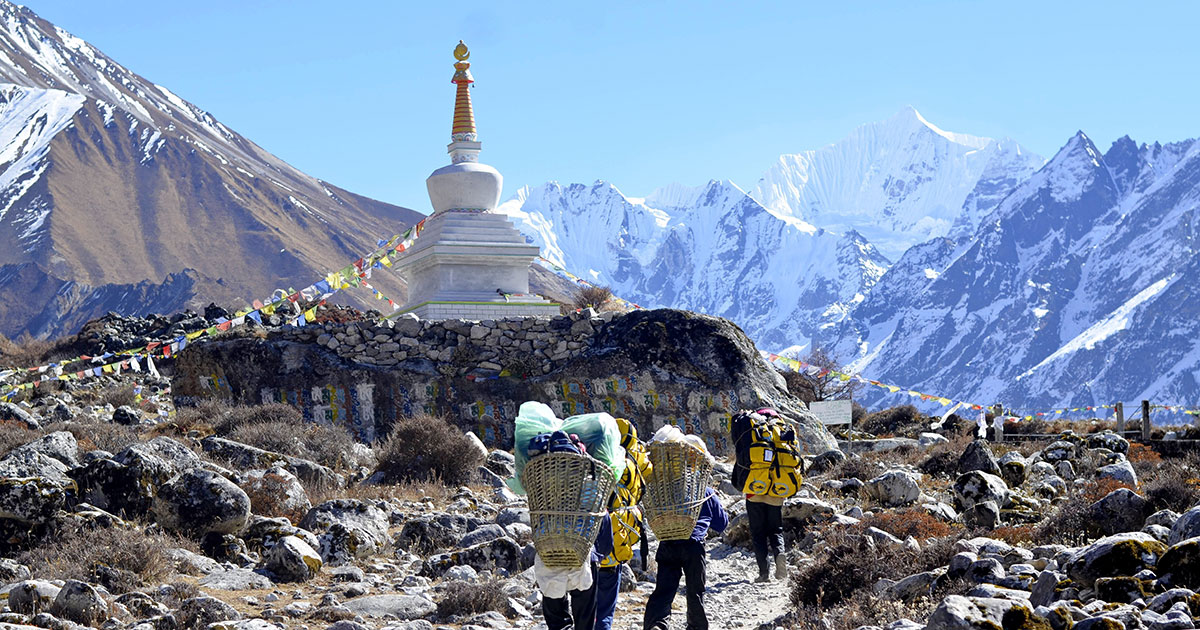
It is often described as the “closest Himalayan experience from Kathmandu.” Within a day’s drive, you leave behind city noise and step into a quiet valley surrounded by snow-covered peaks, forests, and traditional Tamang villages.
Unlike Everest or Annapurna, Langtang valley has no expensive flights, very fewer crowd and lower daily expenses. The trek usually takes 7 to 10 days, depending on your pace and itinerary. And because it’s shorter and logistically simpler, it naturally costs less.
Factors Affecting Langtang Valley Trek Cost in 2026
When people ask how much the trek costs, the honest answer is: it depends.
Your total expense is shaped by a few key decisions. Are you trekking independently or hiring a guide? Taking a local bus or a private jeep? Eating basic meals or indulging in extras like coffee, snacks, and hot showers?
On average, most trekkers in 2026 spend anywhere between $700 and $1,500 for the entire trek. Budget travelers can go lower, while those seeking comfort or private services will naturally spend more.
Understanding where your money goes is what helps you stay in control.
Permits and Government Fees
Before you even set foot on the trail, there are two essential permits you’ll need.
The Langtang National Park entry permit costs around $30, and a TIMS (Trekkers’ Information Management System) card costs about $15 to $20. Together, you’re looking at roughly $45 to $50.
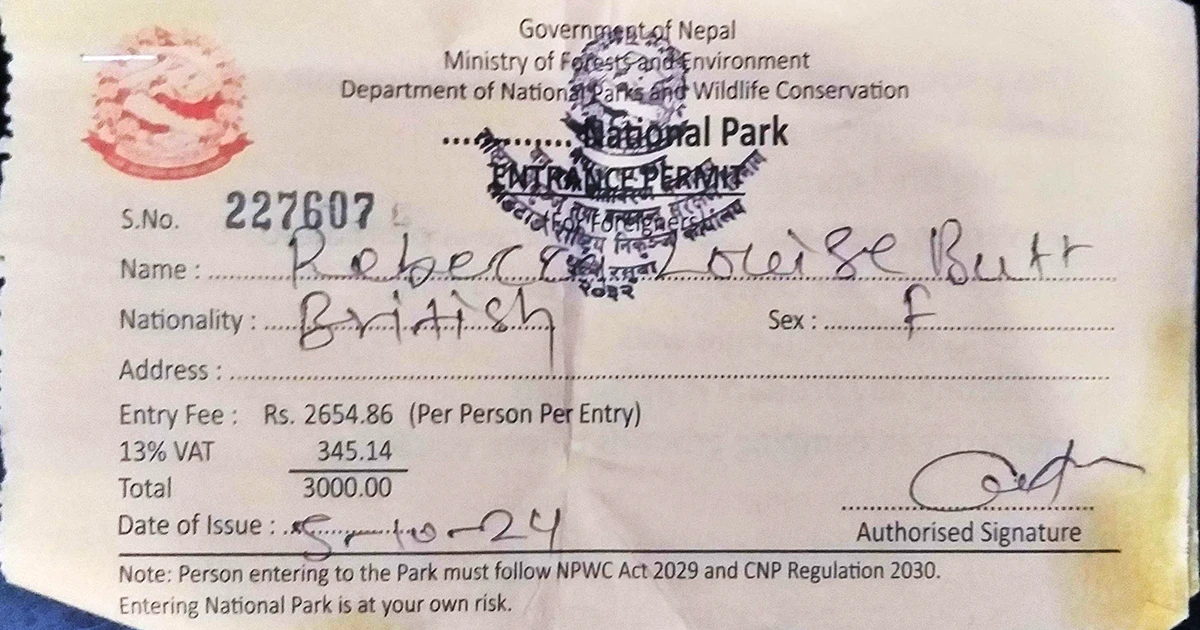
These fees are fixed, so there’s no real way around them. The good part is that they are relatively affordable compared to other trekking regions in Nepal.
Transportation Cost
Getting to the starting point, Syabrubesi, is one of the first decisions that affects your budget.
The cheapest option is the local bus from Kathmandu. It costs around $8 to $15 one way, but the journey can be long, crowded, and uncomfortable, especially on rough mountain roads.
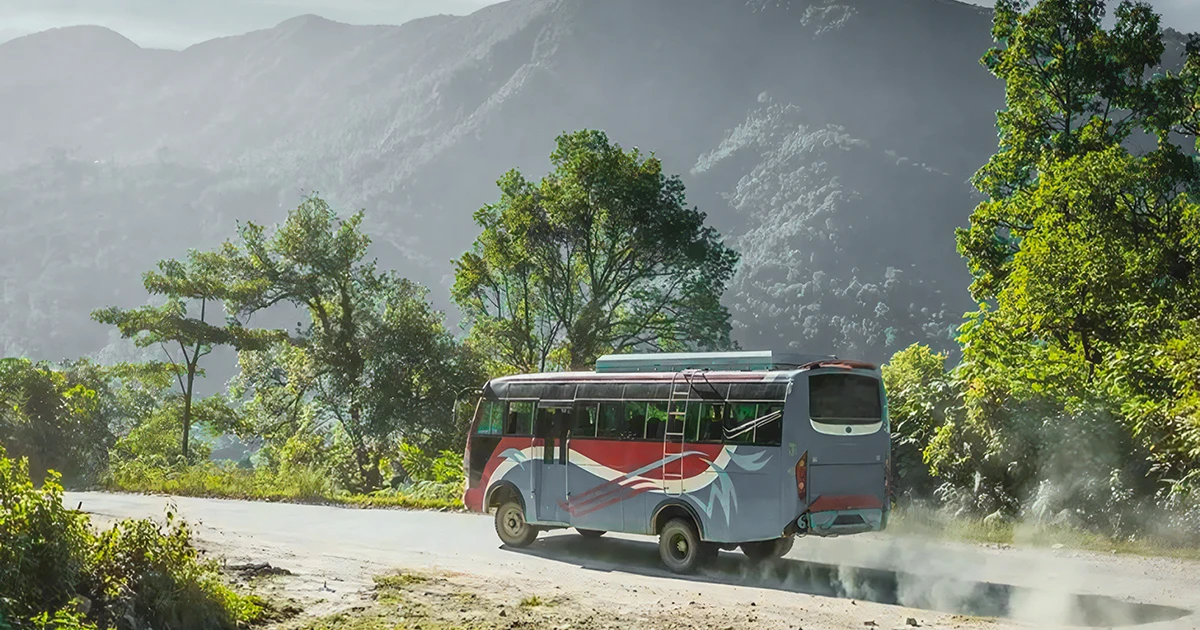
Shared jeeps have become the most popular choice in recent years. They cost between $15 and $35 per person and are significantly faster and more comfortable than buses. For many trekkers, this is the sweet spot between cost and convenience.
If you prefer flexibility and comfort, a private jeep is the best option. It typically costs $120 to $200 for the whole vehicle. This makes sense if you’re traveling in a group and can split the cost, but it’s expensive for solo trekkers.
In simple terms, buses save money, jeeps save time and energy.
Trekking Gears
If you already own trekking gear, this part won’t cost much. But if you’re starting from scratch, expenses can add up quickly.
In Kathmandu, renting gear is common and affordable. You can rent essentials like a down jacket, sleeping bag, and trekking poles for a total of around $30 to $60 for the entire trip.
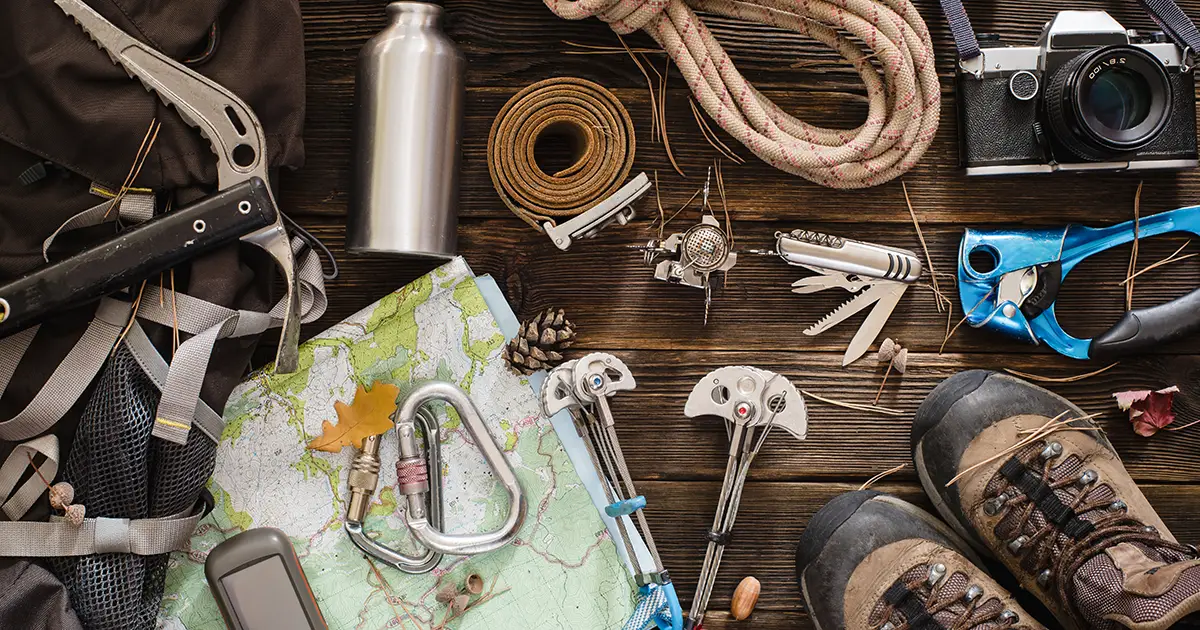
Buying new gear is obviously more expensive, but for a one-time trek, renting makes much more sense. The key is to focus on essentials rather than overpacking unnecessary items.
Food and Accommodation Costs
Food and accommodation form the core of your daily spending on the trek.
Teahouse rooms are surprisingly cheap, often costing between $3 and $10 per night. In many places, the room becomes almost free if you eat your meals there.
Food, however, is where the costs add up. Expect to spend around $20 to $35 per day. Prices increase as you go higher because everything has to be transported by porters or animals.
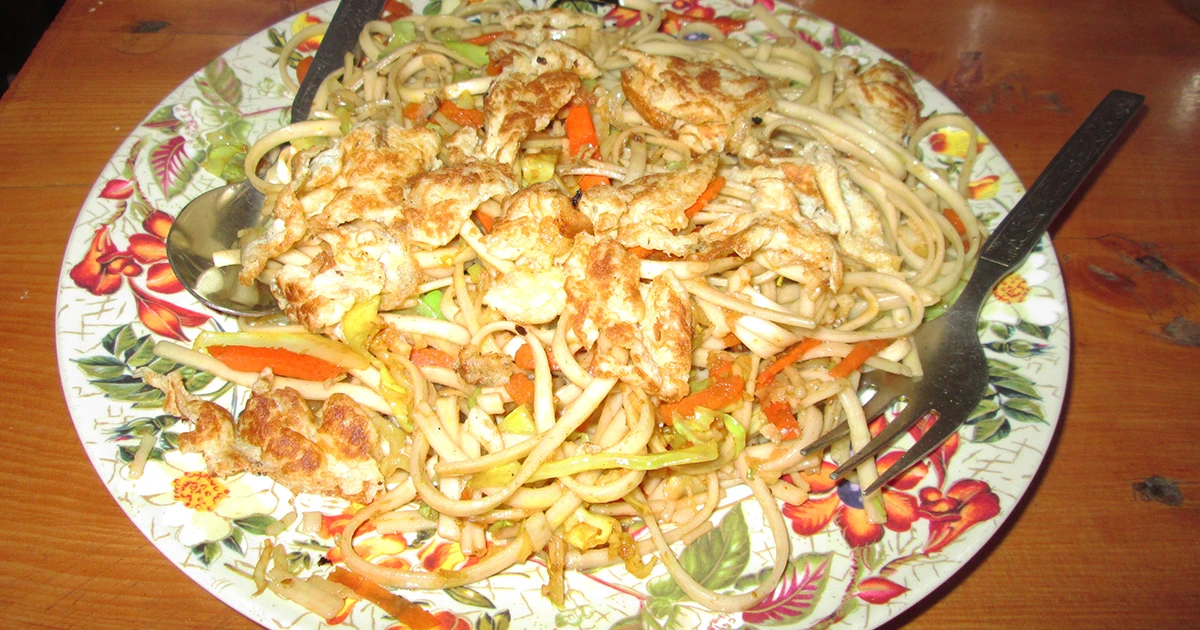
Simple meals like dal bhat are not only affordable but also filling and often come with unlimited refills. Western dishes, snacks, and drinks like coffee or beer will quickly push your daily budget higher.
Small extras, charging your phone, using Wi-Fi, or taking a hot shower, also come at a price. Individually they seem minor, but over several days, they can make a noticeable difference.
Guide and Porter Costs
Hiring a guide or porter isn’t mandatory in Langtang, but it can significantly improve your experience.
A guide in 2026 typically costs around $25 to $35 per day. This usually includes their food, accommodation, and insurance. Beyond navigation, a good guide adds cultural insights, safety support, and peace of mind.
Porters cost slightly less, around $18 to $25 per day. They carry your heavy backpack, allowing you to enjoy the trek with less physical strain. Usually, one porter can carry baggage for two trekkers.
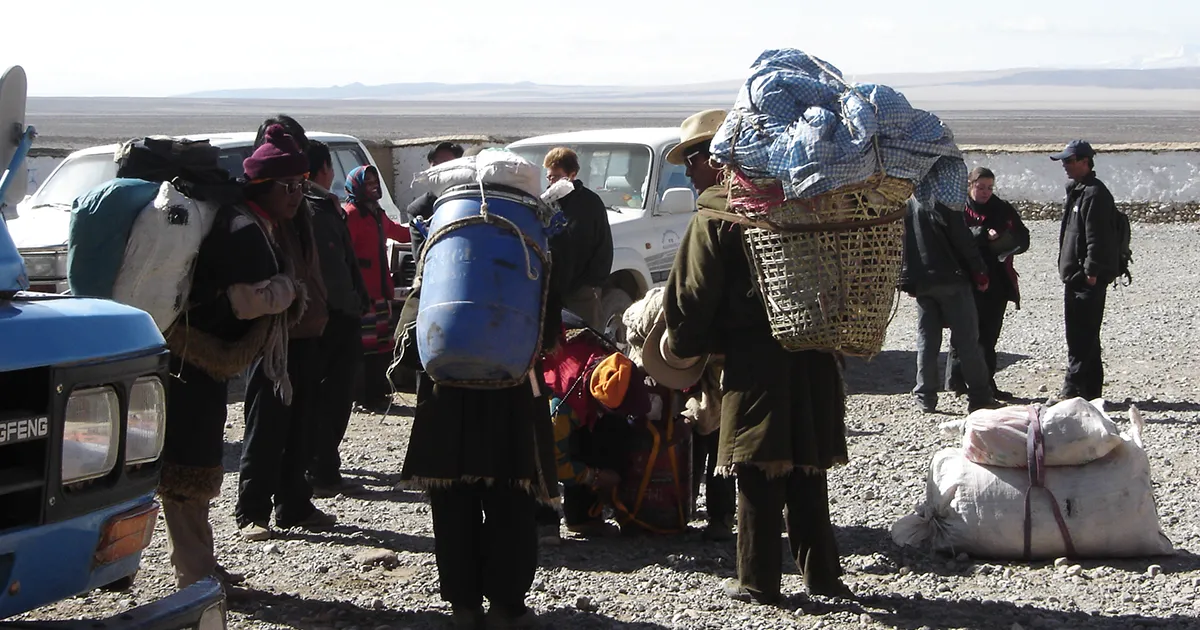
There’s also the option of a porter-guide, someone who does both roles at a lower cost, though with less specialization.
If you’re trekking solo and confident, you can go without either. But for many, especially first-time trekkers, having at least a guide is worth the extra cost
Hidden Costs of Langtang Trek
This is where many budgets quietly go off track.
Tips for guides and porters are expected and should be factored in. Charging devices, Wi-Fi access, hot showers, and snacks all add up over time. Even something as simple as bottled water can become expensive at higher altitudes.
Travel insurance is another essential that many overlook. It’s not part of the trek cost itself, but it’s crucial for safety.
It’s always wise to carry an extra $100 to $150 as a buffer. You may not need it, but it gives you flexibility if plans change or unexpected expenses come up.
Tips to Save Money in Langtang Trek 2926
Saving money on this trek isn’t about cutting corners, it’s about making smarter choices.
Traveling with others helps you share costs like jeeps and porters. Choosing local meals like dal bhat instead of imported dishes keeps your food expenses low. Carrying a reusable water bottle with purification tablets can save you a surprising amount over a week.
Booking services locally instead of through international agencies also reduces costs significantly. And perhaps most importantly, avoiding unnecessary luxuries along the trail keeps your budget in check without taking away from the experience.
Final Verdict
So, how much should you realistically budget for the Langtang Valley Trek in 2026?
If you’re careful with spending and trek independently, you can complete it for around $700 to $900. A more comfortable experience with a guide and better transport options will likely cost between $1,000 and $1,500.
What makes Langtang special is that even at the lower end of the budget, the experience doesn’t feel compromised. You still walk through breathtaking landscapes, meet welcoming locals, and immerse yourself in the rhythm of the mountains.
In a country known for trekking, Langtang quietly proves that you don’t have to spend a fortune to experience something unforgettable.
FAQs
Expand AllHow much does the Langtang Valley Trek cost in 2026 for an international traveller?
For most international trekkers, the total cost in 2026 typically falls between $700 and $1,500. Budget travelers who go independently and keep spending low can stay closer to the lower end, while those hiring guides, using private transport, or choosing more comfort can easily reach the higher range.
What is the average budget for the Langtang Valley Trek in 2026?
A realistic average budget is around $900 to $1,200 for a standard 7–10 day trek with a guide, shared transport, and moderate spending on food and extras.
How much should I budget per day for the Langtang Valley Trek?
Most trekkers spend about $25 to $40 per day without a guide, and $50 to $90 per day if they include guide/porter costs and a few comforts.
Is Langtang Valley Trek cheaper than Everest Base Camp or Annapurna Base Camp?
Yes, Langtang is generally cheaper than both Everest Base Camp and Annapurna Base Camp. The main reason is simple: no flights are required, and overall logistics are more straightforward and affordable.
What permits do I need for the Langtang Valley Trek in 2026?
You’ll need two permits:
- Langtang National Park Entry Permit
- TIMS (Trekkers’ Information Management System) Card
Is a guide mandatory for the Langtang Valley Trek in 2026?
As of recent regulations in Nepal, hiring a guide is strongly recommended and often required for foreign trekkers, though enforcement can vary. Even when not strictly enforced, having a guide is considered safer and more responsible.
How much does a guide cost for the Langtang Valley Trek?
A licensed guide typically costs $25 to $35 per day, which usually includes their food, accommodation, and insurance.
How much does a porter cost for the Langtang Valley Trek?
Porters generally cost $18 to $25 per day and can carry around 20–25 kg, usually shared between two trekkers.
Do I need both a guide and a porter for the Langtang Valley Trek?
Not necessarily but many trekkers choose to have guide only for navigation and porter only if they are confident but want help to carry their belongings. Some want both for maximum comfort depending on experience, budget, and fitness level.
How much should I tip a guide and porter on the Langtang trek?
A common guideline for tipping guides and porter on a Langtang valley trek look like this:
- Guide: $5–10 per day (shared among group)
- Porter: $3–6 per day (shared among group)
What is included in a Langtang Valley Trek package price?
The Langtang valley trek package includes permits, guide and porter fees, accommodations, meals and transportation costs.
What costs are usually not included in a Langtang Valley Trek package?
The Langtang valley trek package cost includes travel insurance, personal expenses, tips, gear rental or purchases, and international flights.
How much does transport from Kathmandu to Syabrubesi cost?
The cost of transport from Kathmandu to Syabrubesi depends on modes of transport. For eg., local bus costs 8 to 15 dollar one way, the shared jeep ride costs 15 to 35 USD, a private jeep ride can cost 120 to 200 USD in total.
Is it better to go to Syabrubesi by local bus, shared jeep, or private jeep?
It depends on your priority. Buses are cheapest but less comfortable. Shared jeeps offer the best balance of cost and comfort, while private jeeps are ideal for convenience, especially in groups.
How rough is the road from Kathmandu to Syabrubesi?
The road is quite rough and bumpy, especially in the final section. Landslides and weather conditions can affect travel time, so expect a long and sometimes tiring journey.
Does the road transfer to Syabrubesi affect the total trek budget a lot?
Not significantly. Even upgrading from a bus to a shared jeep only adds a small amount compared to overall trek costs, but it can greatly improve comfort.
How much do teahouses cost on the Langtang Valley Trek?
Rooms usually cost $3 to $10 per night, and in many cases are discounted or free if you eat at the same teahouse.
How much should I budget for food and drinks during the Langtang trek?
Expect to spend around $20 to $35 per day on meals and drinks, depending on your choices.
Do teahouse prices increase at higher elevations in Langtang?
Yes, prices increase as you go higher because supplies are transported manually or by animals.
How much extra should I budget for hot showers, charging, and Wi-Fi?
Set aside about $5 to $10 per day for these extras. Individually small, they add up over the trek.
How much cash should I carry for the Langtang Valley Trek?
Carrying $300 to $600 in cash is usually sufficient, depending on your trekking style and whether you’ve prepaid any services.
Are there ATMs available on the Langtang route?
No, there are no reliable ATMs along the trekking route, so you need to withdraw cash in Kathmandu before starting.
Does the Langtang Valley Trek cost more in spring and autumn?
Slightly, yes. These are peak seasons, so prices for guides, transport, and accommodation can be a bit higher, though not dramatically.
Can I do the Langtang Valley Trek on a tight budget?
Yes, it’s one of the best treks in Nepal for budget travelers. With careful spending, you can complete it for around $700 or even less.
How much does a private Langtang trek cost compared with a group trek?
Private treks are more expensive, usually $1,200 to $2,500+, while group treks reduce costs through shared transport, guides, and porters.
Is travel insurance necessary for the Langtang Valley Trek?
Yes, travel insurance is highly recommended. It should cover high-altitude trekking and emergency evacuation.
What hidden costs do trekkers often forget when budgeting for Langtang?
Commonly overlooked costs include tips, snacks, drinks, charging, WiFi, hot showers, and small daily extras that accumulate over time.
How many days should I budget for when calculating the Langtang Valley Trek cost?
Most itineraries range from 7 to 10 days, so your total cost should be calculated based on this duration.
Related blog posts
Discover a choice of tourist destinations loved by most of our visitors. Whether you're on a jungle safari to spot rare animals or walking through a world heritage site, these well-planned itineraries cover the major highlights of Nepal.

 call an expert at: