
Sacred Sites Along the Kali Gandaki Corridor: From Kagbeni to Muktinath and Damodar Kunda
 Sristi Adhikari
Are you planning a pilgrimage along the Kali Gandaki Corridor? Imagine beginning your journey beside the holy Kali Gandaki River, where every step through the Kali Gandaki Corridor is believed to cleanse the soul and guide you toward spiritual liberation.
From performing ancestral rituals in Kagbeni to seeking moksha at the revered Muktinath Temple, and continuing onward to the divine waters of Damodar Kunda, this journey through the Kali Gandaki Corridor is more than a trek; it is a deeply spiritual journey that is filled with devotion, faith, and transformation.
If you are planning to explore this sacred corridor, prepare yourself not just for the physical path ahead, but for a journey that touches the heart and uplifts the soul. Continue reading the blog for more details on the sacred sites along the Kali Gandaki corridor.
What is the Kali Gandaki Corridor?
The Kali Gandaki corridor is a highway plan which follows one of the major sacred river, the Kali Gandaki river. Kali Gandaki River is one of the largest river which forms one of the world’s deepest gorges, Kali Gandaki Gorge and has historically served as a trade and pilgrimage route linking the Tibetan plateau with the plains of South Asia.
It’s designed is made in such a way that it will connect the border (Korala) with the Indian border. The Kali Gandaki Project will connect the Muktinath temple with Lumbini which will surely help rise of religious and cultural tourism in Nepal. The Kali Gandaki Corridor highway plan will be 430–495 km North-South.
This corridor was planned 24 years ago and is progressing in a rapid speed. It is being developed in two key sections:
- The 224-kilometer: Gaidakot-Ramdi-Maldhunga segment.
- The 255-kilometer: Maldhunga-Beni-Jomsom segment.
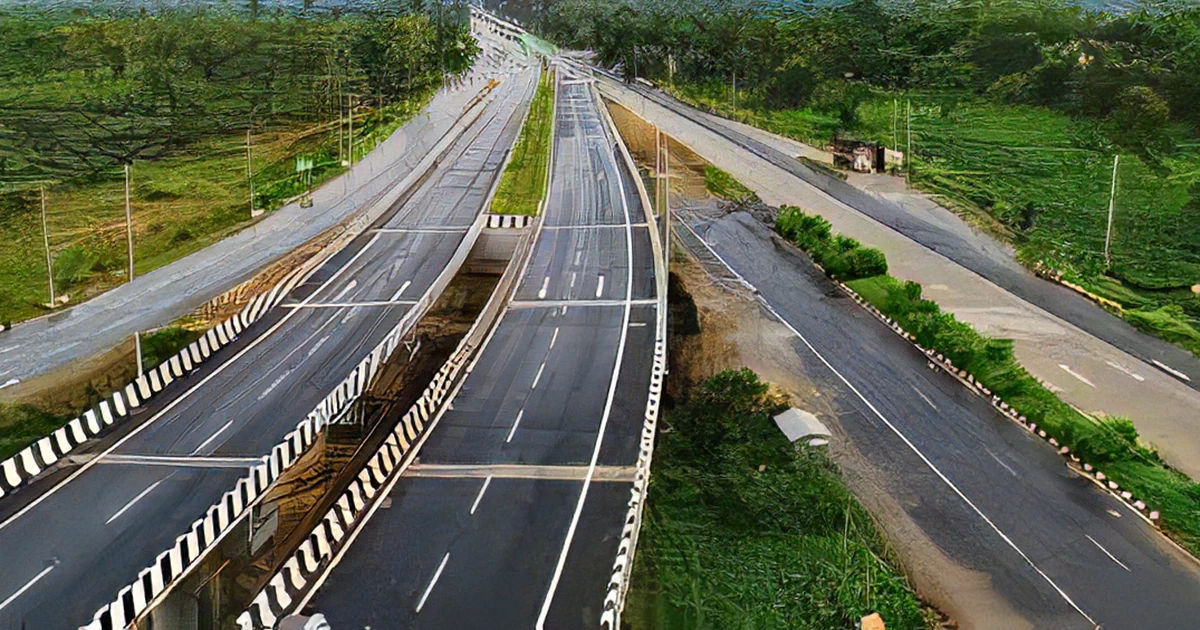
It has been reported that about 67 percent, of the Gaidakot-Maldhunga segment has already been blacktopped. The benefits of this corridor is:
- It helped in simplification of the route to Mansarovar from Lumbini via Muktinath.
- The route also connects visitors from the Kaligandaki coastal region to Lumbini, birth place of Gautam Budhha.
- Indian Pilgrims are travelling to the Muktinath region from Ruru region is increasing.
- Large cargo truck and tourist bus are reaching Muktinath from Gaindakot through Jaiminidham, Baglung Kalika, and Panchakot.
- It will become one of the shortest route for Indian visitors, when exploring Baglung, Myagdi, and Mustang.
Sacred Sites Along the Kali Gandaki Corridor
The dramatic landscapes of the Kali Gandaki corridor holds deeper spiritual imporatnce as the river is famous for Shaligram stones, sacred fossils worshipped as manifestations of Lord Vishnu, making the entire valley a living sacred landscape. This Kali Gandaki Corridor consist of following sacred sites which you should visit as a pilgrimage in Nepal:
Muktinath Temple
Muktinath temple is a sacred pilgrimage site for Hindus and Buddhists. It is located at an elevation of 3,800 m in the Mustang district within the Kali Gandaki valley which can be accessed easily when the Kaligandaki Corridor plan gets completed.
Muktinath Temple is an ancient Lord Vishnu temple and locals believes to grant liberation (moksha) to devotees. Pilgrims all around the world visit Muktinath temple to take a holy bathe under the 108 water spouts as it is a symbol of purification and release from the cycle of rebirth.
Kagbeni
Kagbeni word is derived from “Kag” and “Beni” where “Kag” refers to Kali rivers and “Ga” refers to Gandaki river. Kagbeni means the confluence of the Kali Gandaki and Jhong Khola rivers.
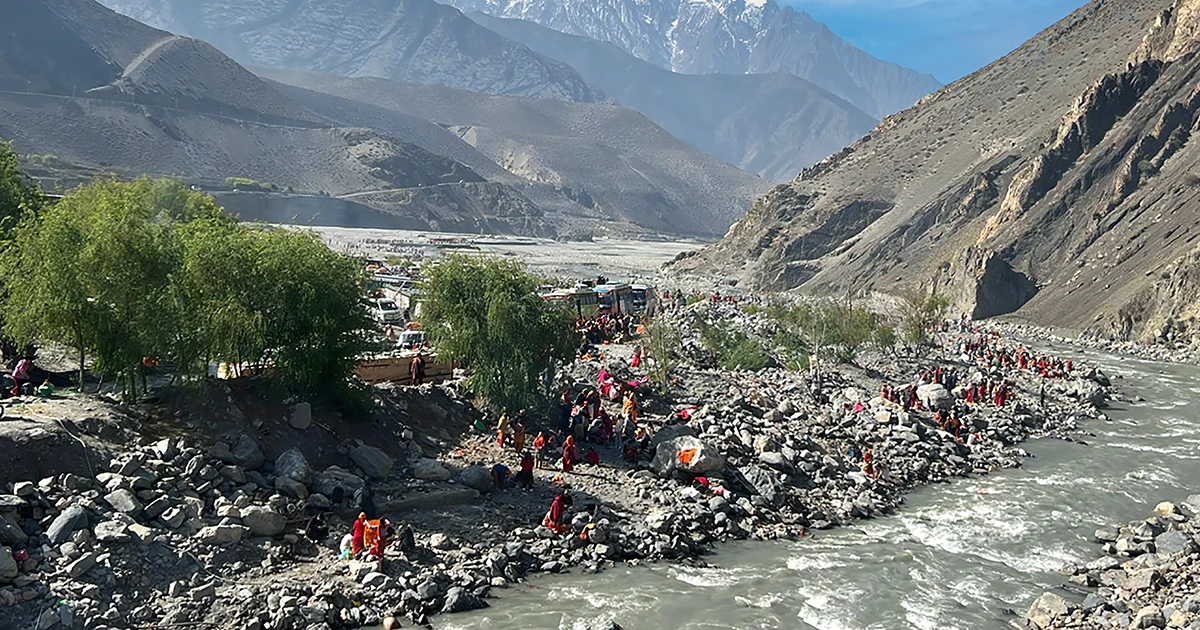
It serves as a gateway to Upper Mustang and is considered a sacred place for performing ancestral rituals (श्राद्ध). Locals believes performing rituals to dead one is supposed to bring peace to departed souls. It is also renowned for yielding Shaligrams (ammonite fossils), a manifestations of Lord Vishnu.
Ruru Kshetra (Ridi)
Ruru Kshetra, located in the trijunction of Gulmi, Palpa, and Synagja is a sacred confluence site along the Kali Gandaki River and Ridi Khola. It is one of the Char Dham of Nepal which gets busy during Maghe Sankranti, as thousands of pilgrims gather to take holy dips.
Taking a holy bath is believed to cleanse sins and bring spiritual merit among locals. Lucky pilgrims can only spot and collect the Saligram, an ammonite fossils which is considered as the symbol of Lord Vishnu.
Many people visit Rishikesh temple of Ruru Kshetra to achieve Moksha. When visiting this complex, you will witness the last rites performed for the deceased at the Aryanaghat along the banks of the Kali Gandaki River.
Setibeni Dham
Setibeni Dham is another Hindu pilgrimage site which is popular for occurence of world’s largest Shaligram. Located at the confluence of the Kali Gandaki River, this site connects Galyang Municipality-5 (Syangja), Kaligandaki Rural Municipality (Gulmi), and sections of Parbat district.
Setibeni is spiritually significant for ritual bathing and पूजा.
Devghat Dham
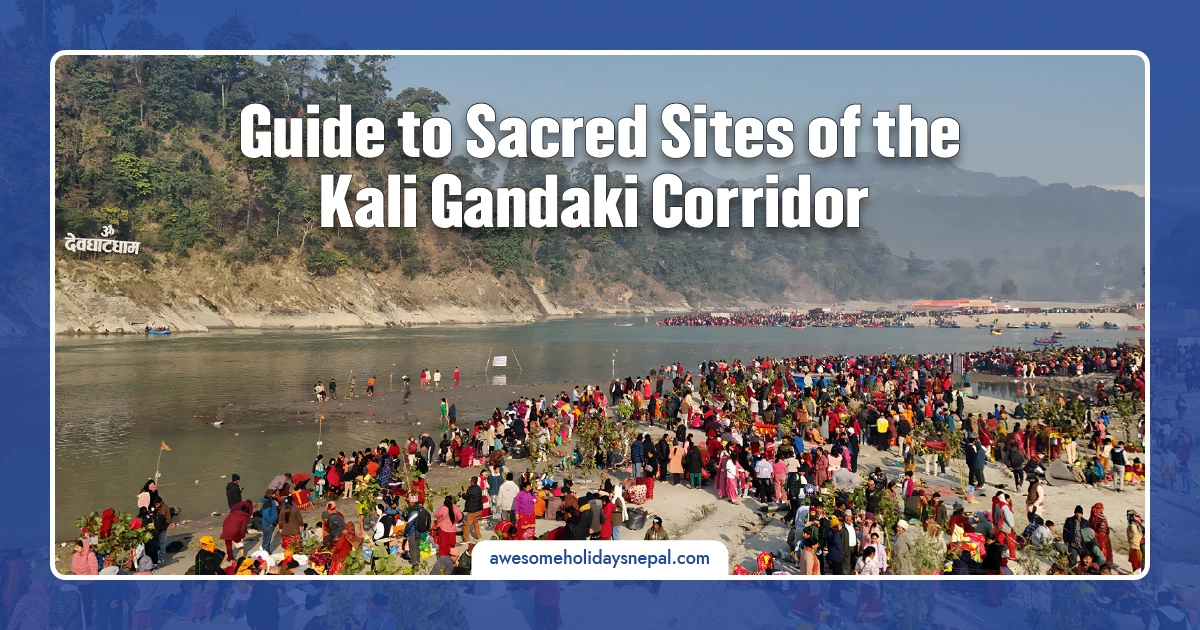
Devghat lies at the confluence of the Kali Gandaki and Trishuli rivers and is one of the most popular pilgrimages sites of Nepal. It is believed that performing rituals here ensures peace for ancestors and spiritual upliftment and is located 5 km northwest of Narayanghat, Chitwan.
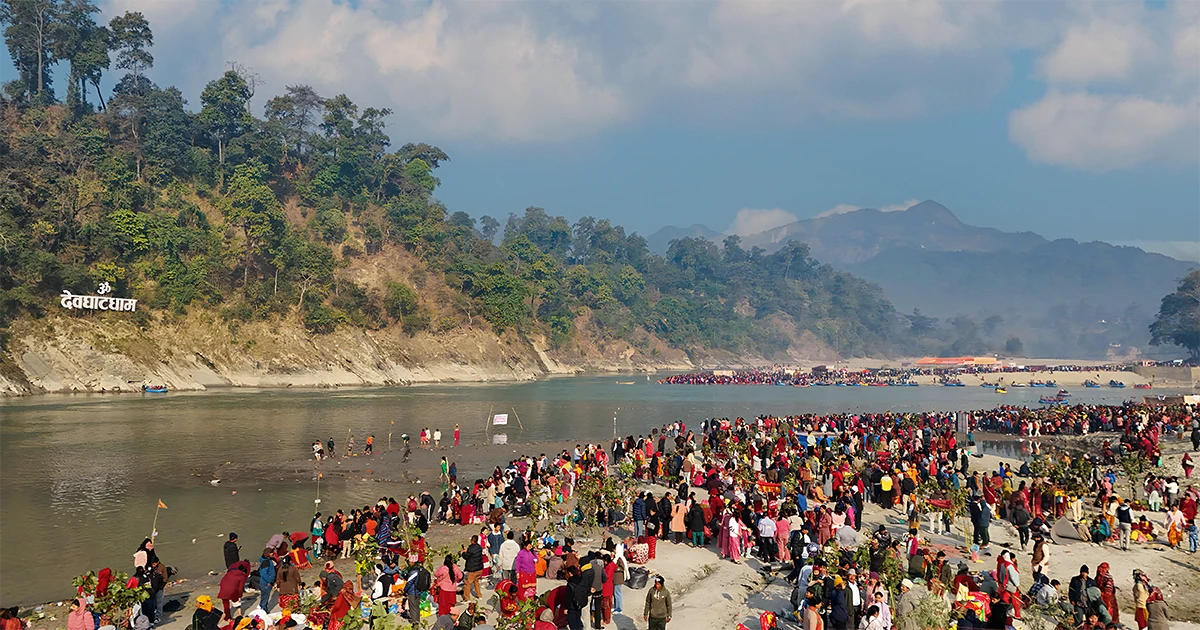
Many old ages people choose to stay in this sacred sites as they believe that, they will get a better place in heaven after death. The calm atmosphere of Devghat Dham like ringing of bells and the singing of hymns, or bhajans, in the temples and ashrams will relax the mind, reduce stress, and guide individuals toward inner peace by resetting the nervous system.
Triveni Dham
Triveni Dham located in Nawalparasi, represents a sacred meeting point of three holy rivers like the Gandaki, Sona, and Purni. Like other “Triveni” sites in Hindu tradition, it symbolizes spiritual purification and is associated with religious fairs and pilgrimages.
Pilgrims often take ritual baths in the river, believing it to cleanse sins and bring blessings and large mela is organised during Maghe Sakranti and Shivaratri.
Damodar Kunda
Damodar Kunda is an important pilgrimage site for Hindus which is located in the Upper Mustang region. Locals believe that, Lord Vishnu dwells in Saligram stones in Kaligandaki River near the lake. Every year on the occasion of Janai Purnima, devotee from all around the nation come to take a bath, worship, and perform their puja.
Keladi Dham and Ramdighat
Keladi Dham is situated in between Syangja and Palpa district is another sacred pilgrimage sites of Nepal. During, festivals like Maghe sankranti, Haribodhni ekadashi, Teej, many pilgrims arrive here for doing their rituals. Keladidham is also famous for Shaligram Sheela which Hindu devotees worship as an incarnation of Lord Bishnu.
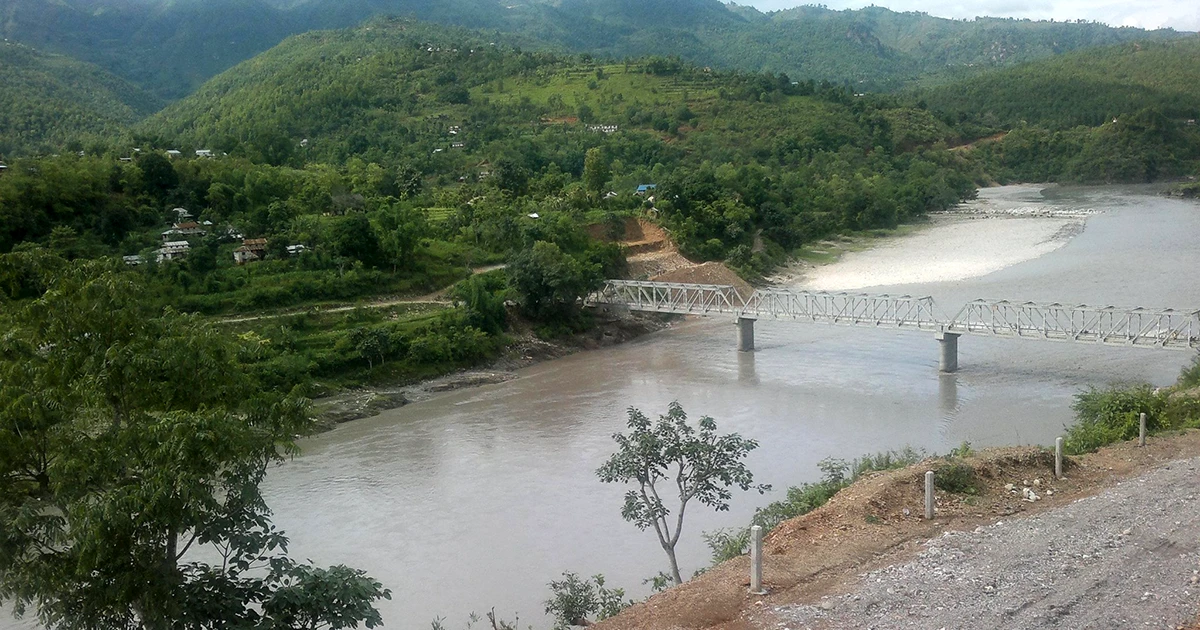
Ramdighat is Hindu pilgrimage sites in the Palpa district. It serves as a significant stop for pilgrims visiting places like Muktinath and Devghat. Ramdighat is on the Kaligandaki Corridor which connects India and China. You can gather Shaligram stones and nearby historical sites when doing the pilgrimage tour in this region.
Ranighat
Ranighat is known as the “Taj Mahal of Nepal,” is loacted in Palpa, Tansen. It is a historic palace complex located on the banks of the Kali Gandaki river. It is popular for its architectural beauty and also holds spiritual significance.
Rudrabeni
Rudrabeni is another sacred confluence associated with Lord Shiva is situated in Satyawati Rural Municipality -1, Gulmi. It is considered as an auspicious place for performing rituals and calming and peaceful nature of this sites is best place to do meditation among devotees.
Purti Ghat
Purti Ghat is a serene religious site along the Kali Gandaki river. It connects major pilgrimage sites like Triveni Dham, Devghat Dham, and Muktinath. Every year, thousands of pilgrims from all around visit this Dham seeking quiet spiritual reflection and connection with nature.
Jyamrighat and Galeshwor Dham
Jyamrighat is a lesser-known but culturally important sacred site in Nepal. It connects the southern border (Triveni/Lumbini) with the northern border (Korala) where local religious practices and traditions continue to thrive along the riverbanks.
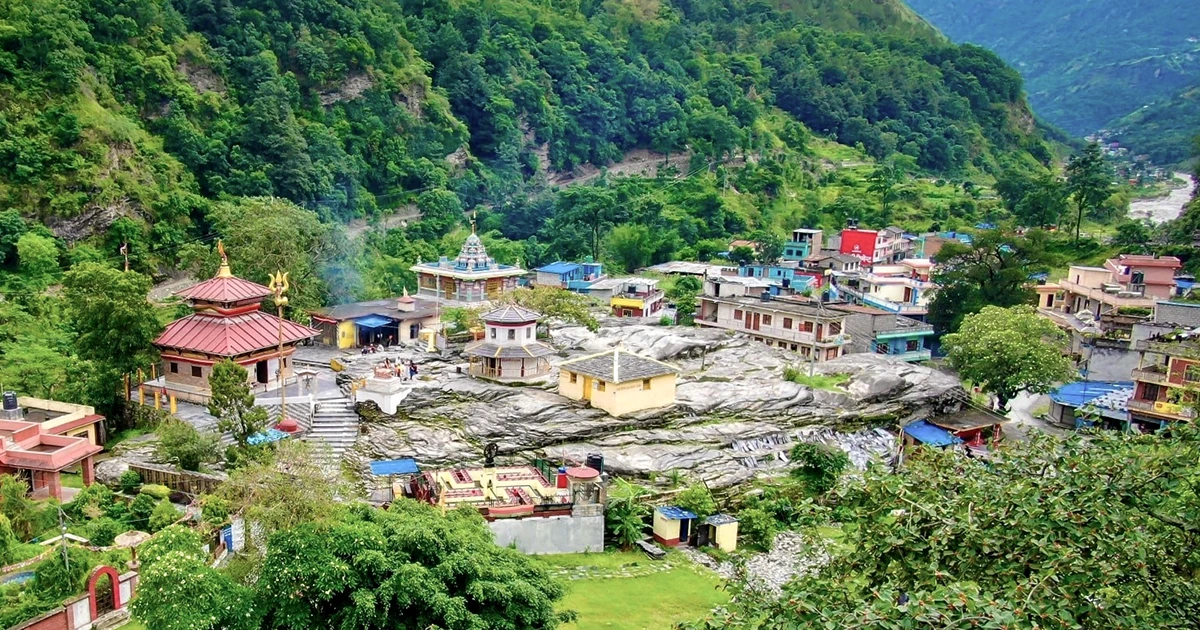
Galeshwor Dham is a sacred sites situated near the confluence of the Kali Gandaki and Myagdi rivers. This sacred sites is also dedicated to Lord Shiva and every pilgrims who are going to Mustang make sure that they will stop here for taking blessing and to perform the religious rituals.
Palpa Bhairabhsthan
Located in Palpa district, Bhairabhsthan is a holy temple dedicated to Lord Bhairav. It attracts devotees seeking शक्ति (power) and protection and when visiting this sites do not forget to have “Rot”, a prasad which is offered to Bhairav at first and then given to devotees.
Baglung Kalika
Baglung Kalika is one of the most famous temples which is dedicated to Goddess Kali. It is located in the Baglung district which becomes crowded with devotees during Dashain when devotees offer prayers and do animal sacrifices.
Practical Travel Tips for Pilgrims
- Always book your trips on Spring (March–May) and autumn (September–November) as this season is the peak season which offer the best weather and mountain visibility.
- When travelling to the remote region of Nepal like Damodar Kunda or Upper Mustang, you must have restricted Area permit and must hire a certified trekking or touring guide.
- Always walk in your own pace when trekking and focus on acclimatization, as altitude sickness is a real risk.
- Make sure to wear a proper clothing which covers your knees and sleeves followed by showing respect to the local customs and traditions.
Final Verdicts on the Sacred Sites of the Kali Gandaki Corridor
The Kali Gandaki Corridor is not just a route but it is a sacred routes which connects diverse spiritual traditions, landscapes, and communities of Nepal. From the ancient village of Kagbeni to the liberating waters of Muktinath and the remote sanctity of Damodar Kunda, each site offers a unique spiritual experience which you should witness once in a lifetime.
Visiting these sacred sites of Nepal demands you to follow a proper pilgrimage etiquette. These spiritual sites of the Kali Gandaki corridor represents the powerful blend of nature, devotion, and faith beyond life among the Hindu Pilgrims. If you are searching for certified travel agency, to explore along the Kali Gandaki corridor no matter you are religious or for adventure, contact Awesome Holidays Nepal for expert-led tours with guided tours, logistics for expeditions, and cultural tours in 2026.
FAQs
Expand AllWhat is the Kali Gandaki Corridor?
The Kali Gandaki Corridor is a sacred pilgrimage route that follows the Kali Gandaki River of Nepal.
Why is the Kali Gandaki River considered sacred?
The Kali Gandaki River is considered sacred because it is believed to carry divine energy and is the natural source of Shaligram stones, which symbolises Lord Vishnu.
Which sacred sites are found along the Kali Gandaki Corridor?
Muktinath, Kagbeni, Damodar Kunda, Devghat, Ruru Kshetra, Galeshwor, and Baglung Kalika, etc are some sacred sites found along the Kali Gandaki Corridor.
Why is Kagbeni important for pilgrims?
Kagbeni is important for pilgrims because it is a holy site for performing ancestral rituals. They believed that doing this will bring peace to departed souls.
What rituals are performed in Kagbeni?
Rituals like shraddha (ancestral rites), pind daan, and river bathing rituals are performed in Kagbeni.
Why is Muktinath one of the most important sacred sites in the corridor?
Muktinath is one of the most important sacred sites in the corridor because it is believed to grant moksha, or liberation from the cycle of birth and death.
Is Muktinath sacred to both Hindus and Buddhists?
Yes, Muktinath is sacred to both Hindus and Buddhists.
How is Damodar Kunda connected to the Kali Gandaki River?
Damodar Kunda is the primary source of the sacred Kali Gandaki River.
Where are Shaligram stones found along the Kali Gandaki?
Shaligram stones are found especially in the Upper Mustang region along the Kali Gandaki corridor.
Are the sacred sites along the corridor only for pilgrims?
No. Sacred sites along the corridor is not only for pilgrims and it is open to trekkers, cultural travelers, and spiritual seekers.
What is the spiritual connection between Kagbeni, Muktinath, and Damodar Kunda?
The spiritual connection between Kagbeni, Muktinath, and Damodar Kunda is a spiritual journey of purification, liberation, and divine origin along the river.
Are there Buddhist monasteries and symbols along the corridor as well?
Yes, there are Buddhist monasteries and symbols along the corridor as well.
Which sacred site is easiest to visit along the corridor?
Devghat Dham is the most easiest sacred sites to visit along the corridor.
Which sacred site is the most remote?
Damodar Kunda is the most remote sacred sites along the Kali Gandaki Corridor.
Can you visit all the main sacred sites in one trip?
Yes, with proper planning and preparation you can visit all the main sacred sites in one trip.
What is the best time to explore the Kali Gandaki Corridor?
Spring (March–May) and autumn (September–November) is the best time to explore the Kali Gandaki Corridor.
Is Upper Mustang included in the sacred corridor journey?
Yes, Upper Mustang is included in the sacred corridor journey.
Can foreign travellers visit Muktinath?
Yes, foreign travelers can visit Muktinath.
Is the Kali Gandaki Corridor suitable for first-time visitors to Nepal?
Yes, the Kali Gandaki Corridor suitable for first-time visitors with proper planning.
What makes this corridor spiritually meaningful even for non-religious visitors?
The combination of breathtaking landscapes, ancient traditions, and peaceful atmosphere makes this corridor spiritually meaningful even for non-religious visitors.
Related blog posts
Discover a choice of tourist destinations loved by most of our visitors. Whether you're on a jungle safari to spot rare animals or walking through a world heritage site, these well-planned itineraries cover the major highlights of Nepal.

 call an expert at: