
Dolma La Pass: Altitude, Route and Difficulty
 Amrit K. Aryal
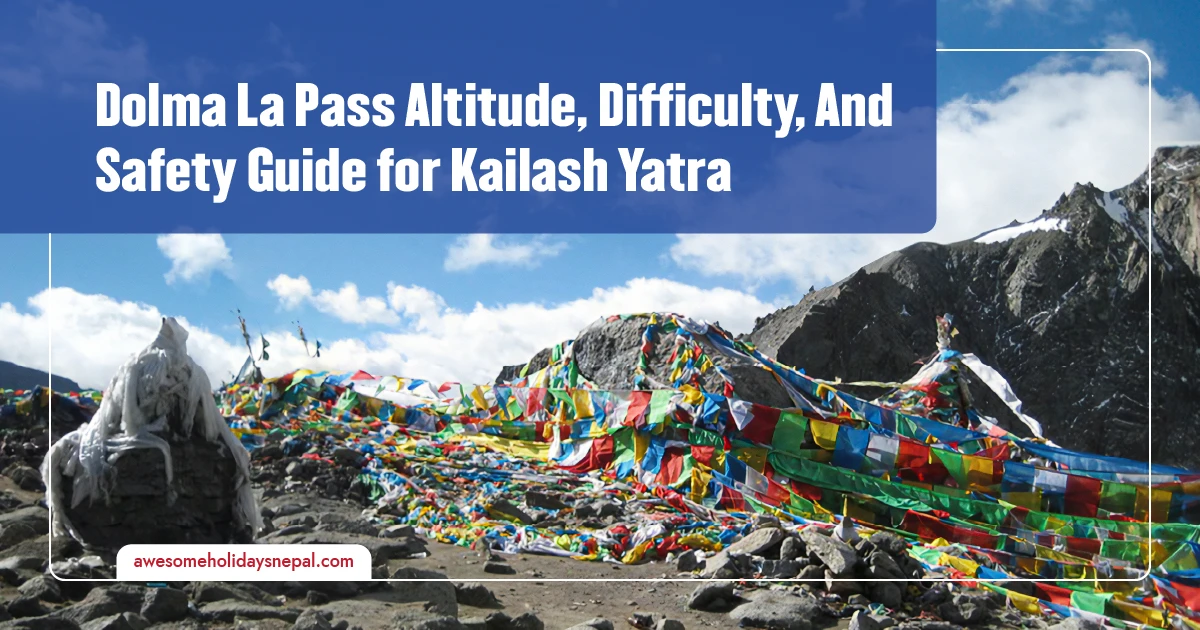
Travelling to Kailash Mansarovar Yatra and reaching 5,630 meters is probably the most difficult part of the trek. Dolma La Pass is more than just the highest point of Mount Kailash Kora.
It is where pilgrims feel the real journey to Mount Kailash and Mansarovar Lake. The air is thin, the slippery and rocky trails pull your legs back, and every step demands both physical strength and mental endurance.
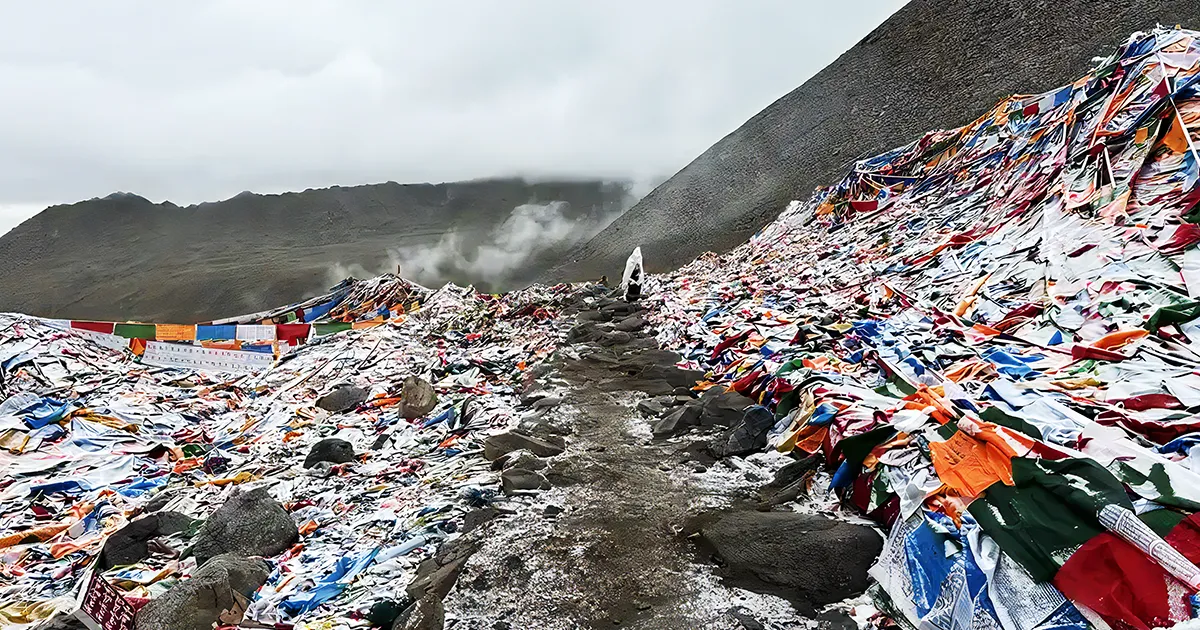
Spending the night at Dirapuk, pilgrims begin early before sunrise, moving slowly through the cold and slippery path, knowing that the day ahead will test their limits. Many pilgrims will feel that the trek to Dolma La Pass is the deepest and toughest physically challenging journey of their lives.
And for others, this journey becomes a deeply spiritual crossing, symbolizing death, rebirth, and release. For many, crossing Dolma La is not just a trek; it is a moment of transformation.
Facts About Dolma La Pass
- Altitude: Approx. 5,630 meters (18,471 ft)
- Location: On the way to Zuthulpuk from Dirapuk on the Outer Kailash Kora
- Difficulty Level: Very challenging,
- Trekking Duration: 8–10 hours
- Day to reach Dolma La Pass: Second day of Kora
- Best Time to Visit: May to September
- Significance: The highest and most sacred point of the Kailash Kora
What is Dolma La Pass?
Dolma La Pass is the highest point along the sacred circumambulation (Kora) of Mount Kailash in Tibet. It connects the northern valley of Dirapuk with the eastern side toward Zuthulpuk. For every pilgrim and trekker, it is the most demanding and adventurous section of the journey.
Though it lies above 5500m, crossing the Dolma La Pass does not require climbing skills. However, the combination of high altitude, steep ascent, and extreme weather conditions makes it one of the toughest high-altitude crossings in the Himalayas.
Why Dolma La Pass is the Hardest Part of Kailash Kora
-
Extreme Altitude
At over 5,600 meters, the air thins and oxygen levels drop significantly. Experienced and multiple trekkers also struggle sometimes to breathe in such thin air. Fatigue, dizziness and headache are the most common symptoms at high altitude. Let your body move slowly and with a constant pace.
-
Steep and Relentless Ascent
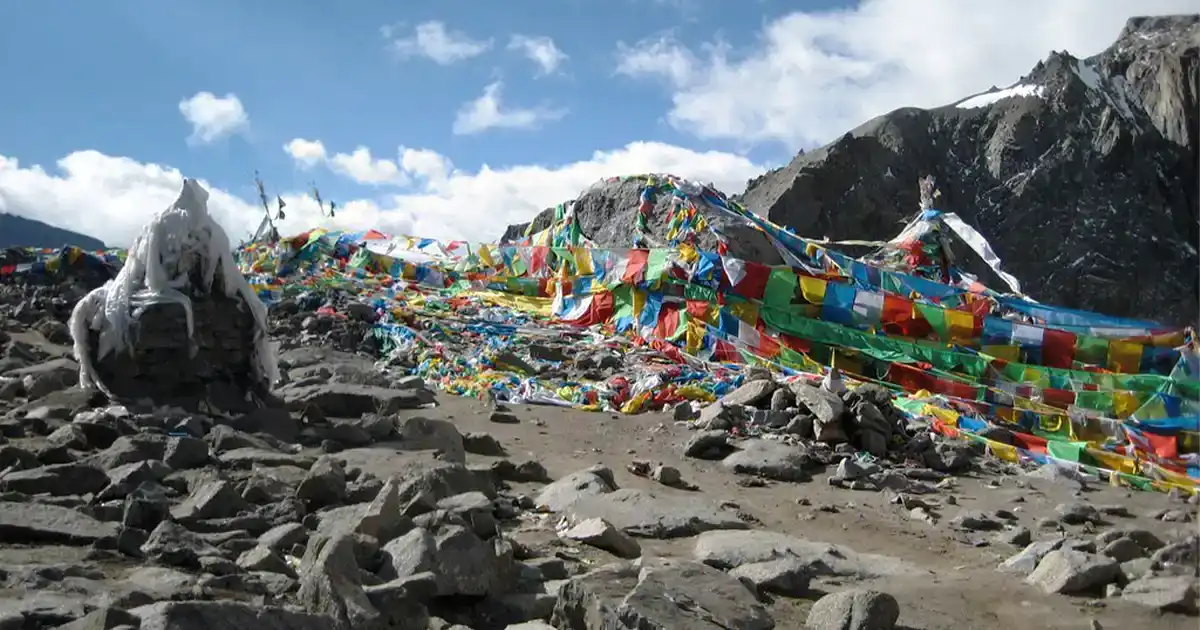
Walking from Dirapuk to Dolma La Pass takes a steady altitude gain. The trail to Dolma La Pass is steep and continuous and often described as a “never-ending ascent”. This section of the trail pushes both stamina and mental strength and tests the endurance of individuals.
-
Long Trekking Hours
The Kailash Kora to circumambulate Mount Kailash is a three-day journey. The second day of Kora is the longest walking day with an average of 8–10 hours, crossing the Dolma La pass, descending to Gauri Kunda and slowly towards Zutulpuk valley, where pilgrims stay at the ancient Zutulpuk Monastery, preparing for the final push.
-
Unpredictable Weather
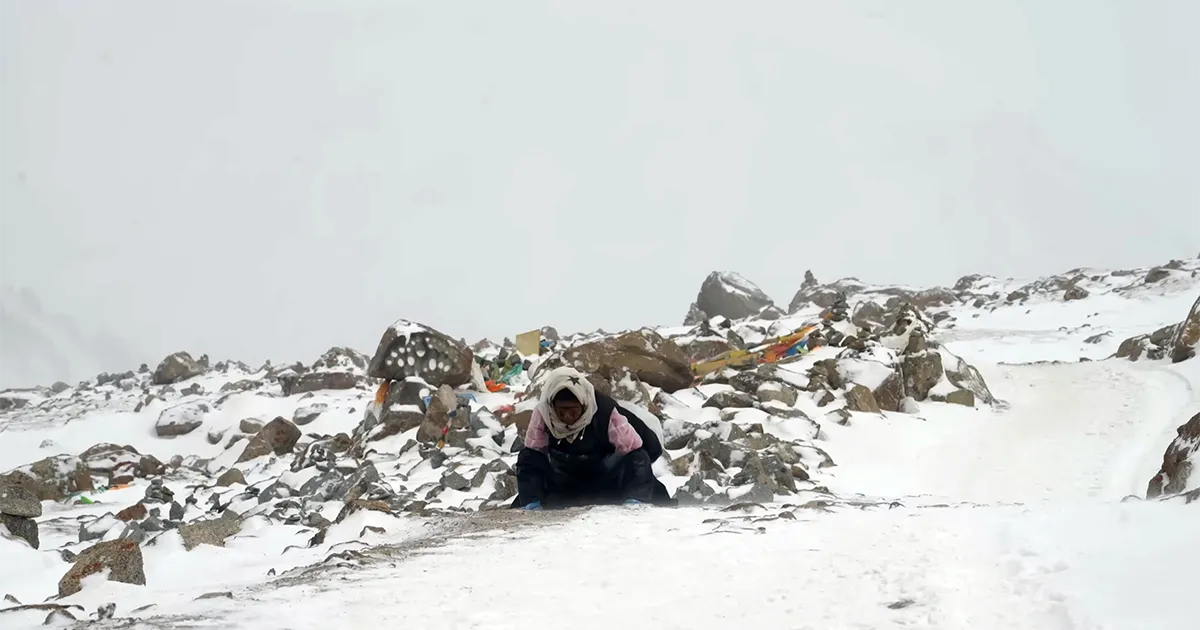
One thing is sure in the mountains, that is, the weather can change at any time. The weather conditions can change rapidly with strong winds, sudden snowfall, and freezing temperatures. Pilgrims often encounter rainfall even during peak trekking months.
-
Risk of altitude sickness
At an altitude above 4,500m, there is always the risk of altitude sickness. Altitude sickness occurs due to thin air and low oxygen in the air. The best preventive methods to acclimate with planning and staying hydrated.
Staying hydrated all the time keeps the blood flowing smoothly and balances oxygen supply. Many experienced trekking operators, including Awesome Holidays Nepal, emphasize gradual acclimatization as the key to a safe journey.
Route Breakdown: Dirapuk to Zuthulpuk via Dolma La
Before travelling to Kailash, you must know the basics of the route to help you mentally prepare for the challenge coming and prepare for the best solution.
Ascending from Dirapuk to Dolma La Pass
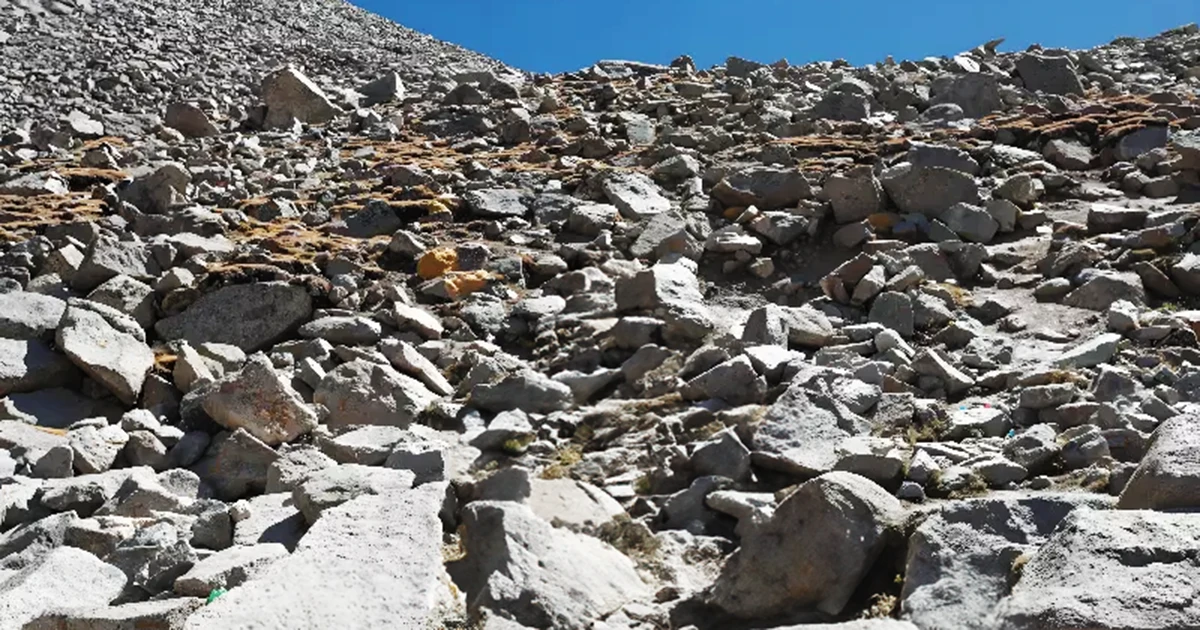
Walking from Dirapuk to Dolma La begins early, often before sunrise. The trail gradually ascends with smoothness before becoming steep and rocky. The pace slowly decreases with an increase in altitude. Air becomes thinner, and that can be felt in the speed and breathing of pilgrims. It is to be noted that the energy is to be conserved, maintaining a smooth and steady rhythm.
Crossing the Dolma La
Reaching the top is both physically exhausting and emotionally powerful. Dolma La Pass is distinguished by the sacred Dolma Stones. Legend tells that when Master Gotsangpa first set out to establish the pilgrimage route in the valley, he was lost.
He was then led back to the correct trail by 21 wolves, believed to be manifestations of the goddess Tara, the guardian of the pass. It is believed that when he finally reached Dolma La, the 21 wolves united and transformed into a rock now called Dolma Stone.
Descent to Zuthulpuk
The descent is even harder than expected. People often feel shaking in their legs while descending. The trail is rocky and sometimes slippery. After observing the Parvati Kunda (or Gauri Kund), the path leads into a narrow valley toward the Zuthulpuk Monastery.

Spiritual Significance of Dolma La Pass
Dolma La is not just a physical crossing but holds deep spiritual meaning in Tibetan Buddhism and Hinduism. The pass is associated with Goddess Dolma (Tara). Goddess Tara is worshipped by both Hindus and Buddhists as the representation of compassion and transformation.
Pilgrims often symbolize the crossing with letting go of past sins, spiritual rebirth and a fresh beginning. Pilgrims often leave behind symbolic and personal items as they cross the pass. The experience is often described as emotional, humbling, and deeply personal.
Preparing for Dolma La Pass
Before reaching and crossing the Dolma La Pass, well-planned preparation is crucial for the successful journey of the Kailash Mansarovar Yatra.
Physical Preparation
- Build endurance through hiking, cardio, and long walks
- Kailash Yatra demands physical stamina rather than speed
- One must practice walking at a steady pace rather than running like in a race.
- Remember, everyone has their own pace. Kailash Mansarovar Yatra is not a race.

Mental Preparation
Physical as well as mental preparation are equally important for completing the Kailash Mansarovar.
- Physical pain, discomfort and fatigue are a part of the journey
- Learn to stay patient, humble and positive throughout the journey.
- Break the entire journey into small, manageable steps. Enjoy every success of the journey.
Essential Packing List
What are the things you need to carry before travelling to the Kailash Mansarovar Yatra?
The Kailash Mansarovar Yatra is a sacred journey of a lifetime. Pilgrims need to carry some warm layered clothes, good-quality trekking boots and other gear. Here is a detailed blog to guide you through the essential Packing list for Kailash.
Push Yourself Beyond Limits
Crossing Dolma La Pass is not just about reaching the highest point during Mount Kailash Kora. It is about pushing beyond your limits, embracing the struggle, and experiencing something far greater than the physical journey.
Whether you come for adventure or spirituality, Dolma La leaves a lasting impression, one that stays with you long after the journey ends.
FAQs
Expand AllHow difficult is Dolma La Pass?
It is considered very difficult due to high altitude, long trekking hours, and steep terrain. However, with proper preparation, it is achievable for most trekkers.
Can beginners cross Dolma La Pass?
Yes, but only with good physical preparation and proper acclimatization.
How long does it take to cross Dolma La?
Typically, it takes 8–10 hours to cross the Dolma La Pass, including ascent and descent.
Is altitude sickness common?
Yes, it is common due to extreme altitude. Taking preventive measures is essential.
What is Dolma La Pass?
Dolma La Pass is the highest point of the Kailash Kora, at an elevation of 5,630 meters. It is a high pass that pilgrims must cross during the trek.
Is Dolma La Pass part of the Kailash Yatra?
Yes, Dolma La pass is a prime destination during the Kailash Yatra if you are doing the full Kailash Kora (parikrama).
Is Dolma La the hardest part of the Kailash Kora?
Yes, most pilgrims think that crossing the Dolma La is the toughest part of the entire journey.
Why is Dolma La so difficult?
The major reason is the altitude of Dolma La. Thin air, steep climb, and sometimes harsh weather are other reasons for the difficulty.
Is altitude the main risk at Dolma La?
Yes, altitude is the root cause of all other difficulties at Dolma La. High altitudes make the air thin, increasing the risk of altitude sickness.
Can fit people still get altitude sickness?
Yes. Even experienced people doing multiple trekking can get altitude sickness. Being physically fit does not protect you from altitude sickness.
What are the early symptoms of altitude sickness?
The early symptoms of altitude sickness, such as headache, dizziness, nausea, tiredness, loss of appetite, and trouble sleeping, are common early signs.
When can altitude sickness symptoms start?
Altitude sickness can start within a few hours after reaching high altitude, or sometimes the next day.
What should I do if I get mild symptoms at altitude?
The first thing to do is to stop, rest and descend. Staying hydrated might also reduce the impact but descending is the only way left.
When should someone go to a lower altitude?
If the symptoms of altitude sickness do not improve even after resting and it is even getting worse, the only way left is to descend.
What symptoms mean urgent medical help is needed?
Severe breathlessness, confusion, inability to walk properly, or chest tightness are some of the emergency times needed for medical help.
Can altitude illness become life threatening?
Yes, if the altitude sickness is not treated in time, it can become dangerous and life-threatening.
Does gradual ascent help reduce risk?
Yes, walking slowly at high altitude gives your body enough time to adjust to the changing height and thin air.
What acclimatisation pattern is commonly recommended above 3,000 m?
Walking slowly, acclimatizing, increasing sleeping hours, resting and staying hydrated are some of the common tasks to adopt adobe 3000 m.
If I handled altitude well before, am I definitely safe this time?
No. Every time you reach the mountains, you are new to the mountains. Though you have previous experiences, you might still get altitude sickness.
Should travellers avoid heavy exercise when they first arrive high?
You are on a spiritual journey to the mountain. Take it easy on the first day. Save energy for the rest of the journey.
Can acetazolamide help with acclimatisation?
Yes, it is considered as the best medicine against altitude sickness.
Is dexamethasone the standard first choice prevention medicine?
No, dexamethasone is usually used for more serious cases, not as the first basic prevention.
Can oxygen be used for more serious altitude illness?
Yes, additional oxygen can help in more serious altitude situations.
Is there a Kailash option that avoids crossing Dolma La?
Yes, some people do a partial Kora or just observe the mountain from a distance, visit Lake Mansarovar, and return from Darchen.
Can beginners do the Kailash Kora?
Yes, with proper planning and preparation, beginners too can complete the Kailash Kora.
How long is the Kailash Kora?
The Kailash Kora is a 52 kilometres trail to be completed in three days.
Are accommodation standards basic on the Kora?
Yes, the guesthouses are very basic with simple food options.
Related blog posts
Discover a choice of tourist destinations loved by most of our visitors. Whether you're on a jungle safari to spot rare animals or walking through a world heritage site, these well-planned itineraries cover the major highlights of Nepal.



 call an expert at: