
Traditional Wood Carving in Patan: Where to See Newar Craft in Lalitpur

 Sujata Pokhrel
Have you ever paused in front of an old wooden window and wondered what stories it might be holding?
In Patan, those stories are everywhere etched into doorways, hidden in temple struts, and woven into the very fabric of daily life. Traditional wood carving here is not just decoration; it is history, belief, and identity carved into timber by generations of Newar artisans.
To truly understand this refined craft, you have to look beyond the patterns and into the lives of the people who created and preserved it. Patan is not a museum of the past; it is a living city where this ancient art still breathes.
Let’s get through the blog to get deeper insights into traditional wood carving in Patan.
Overview of Patan: The City of Arts
Often referred to as Lalitpur, meaning “City of Beauty,” Patan has long been the artistic soul of the Kathmandu Valley. While nearby cities boast grand monuments, Patan feels more intimate as its artistry is embedded in everyday spaces.

Walk through its narrow lanes, you’ll often come across carved wooden balconies overlooking courtyards, ancient doors framed with delicate patterns, and temples layered with detailed struts and beams.
What sets Patan apart is not just the quantity of art, but its continuity. The same techniques used centuries ago are still practiced today, often within family lineages.
What Does Newar Wood Carving Mean?
Newar wood carving is the artistic expression of the Newar community, the indigenous inhabitants of the Kathmandu Valley. But calling it simply “art” doesn’t do it justice.
It is:
- Spiritual – Many carvings depict deities, guardians, and sacred symbols
- Architectural – It forms an integral part of buildings, not just decoration
- Symbolic – Every motif carries meaning, from protection to prosperity
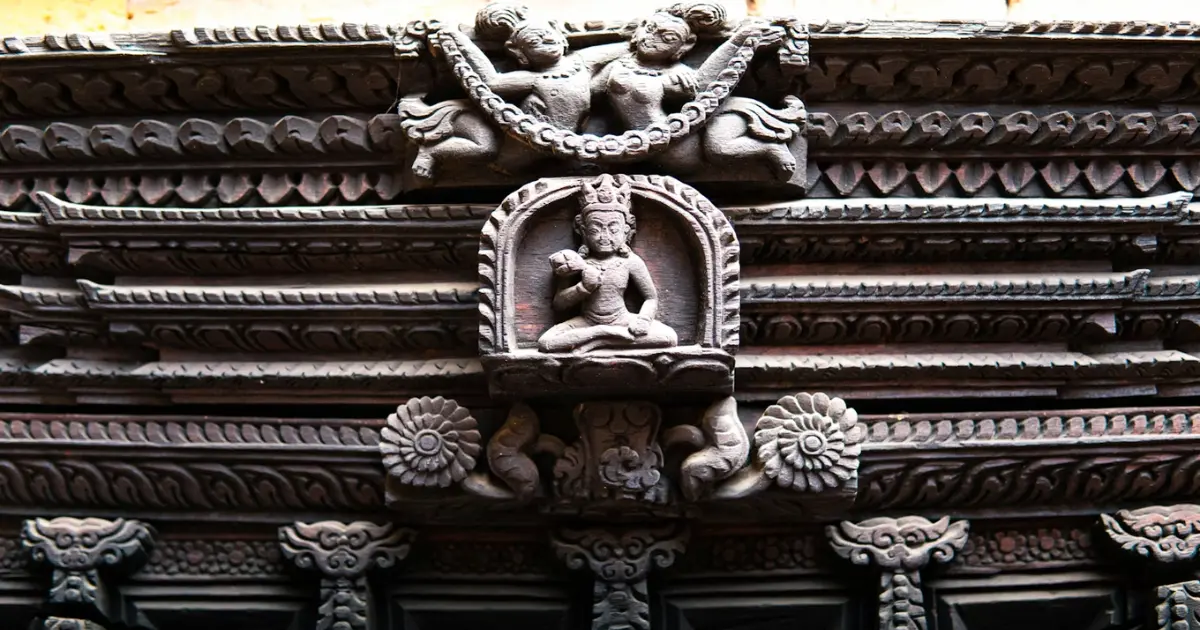
A carved window, for instance, is not just a window. It is a statement of craftsmanship, devotion, and cultural pride. Even the smallest detail is intentional, nothing is random.
A Brief History of Wood Carving
The roots of wood carving in Patan stretch back over a thousand years, but it was during the Malla Period that the craft truly flourished.
Malla kings were great patrons of art. They didn’t just commission buildings, they encouraged artisans to innovate, refine, and perfect their skills. This brought about intricately carved palace windows, temple struts illustrating mythological narratives and courtyards rich with symbolic woodwork.
Despite earthquakes and modernization, much of this heritage still stands today. Restoration efforts have helped preserve not just the structures, but the knowledge behind them.
What Makes Patan Best Destination to Witness Wood Craft?
While wood carving exists across Nepal, Patan offers something unique, a balance between preservation and everyday life.
Here’s why it stands out:
- Authenticity: Unlike heavily commercialized areas, Patan still feels lived-in
- Density of craftsmanship: Carvings are not limited to monuments; they’re part of homes and streets
- Living tradition: Artisans continue to practice traditional techniques
- Accessibility: Most key sites are within walking distance
Compared to Bhaktapur or Kathmandu, Patan feels quieter, allowing you to observe details without distraction.
Where to Witness Traditional Wood Carving in Patan?
Being a city of arts, Patan has several heritages that reflect the traditional wood carving
Patan Durbar Square
At the heart of the city lies Patan Durbar Square, a UNESCO World Heritage Site and a treasure trove of craftsmanship.
Here, you’ll find palace windows with intricate lattice (tikijhya) designs and wooden struts supporting temple roofs, often carved with deities. You will also see doorways crowned with beautifully detailed torana.
Take your time here as the beauty of Patan is in slowing down and noticing the details.
Hiranya Varna Mahavihar
Tucked away in a quiet courtyard is Hiranya Varna Mahavihar, often called the Golden Temple.
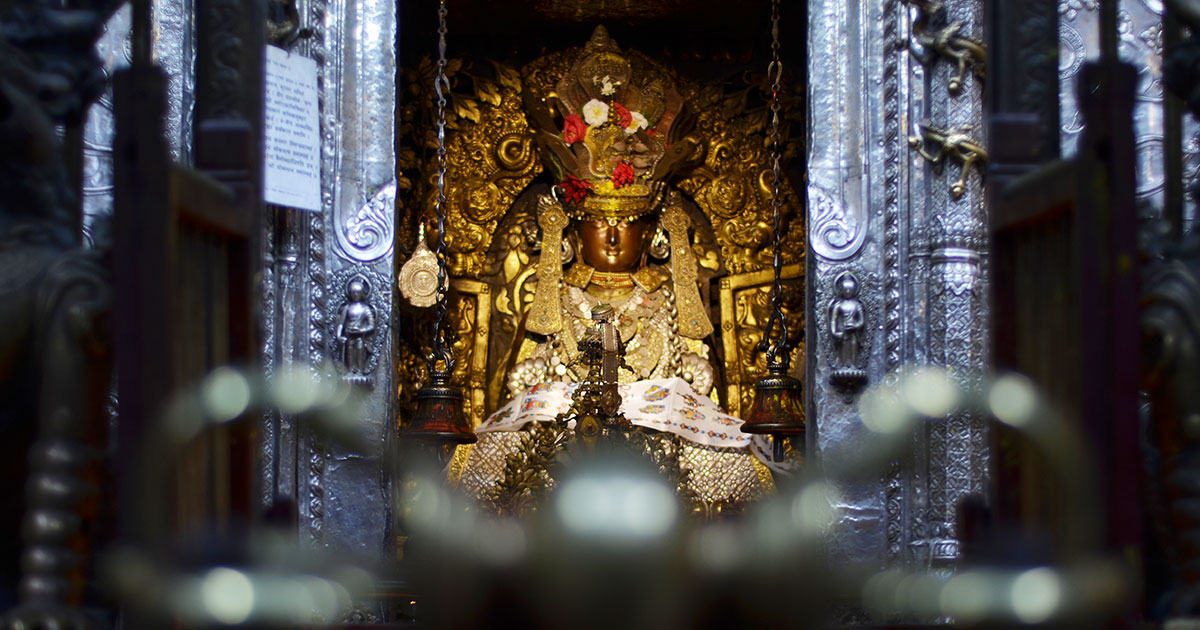
While famous for its metalwork, the surrounding wooden elements add warmth and depth. Carved beams and windows complement the golden surfaces, creating a harmonious blend of materials and styles.
It’s a reminder that in Newar craftsmanship, no element stands alone.
Kwa Bahal Courtyards
If you step away from the main routes, you’ll discover places like Kwa Bahal.

These courtyards feel almost private, as if you’ve stumbled into a space not meant for hurried visitors. Here, wood carving becomes part of daily life as windows overlooking shared spaces and doors opening into quiet homes. The details that reveal themselves only if you take your time
There’s something deeply human about these spaces. They don’t try to impress, they simply exist.
Mahabouddha Temple Area
Near Mahabouddha Temple, known for its terracotta design, the surrounding neighborhood offers a softer, more subtle display of craftsmanship.
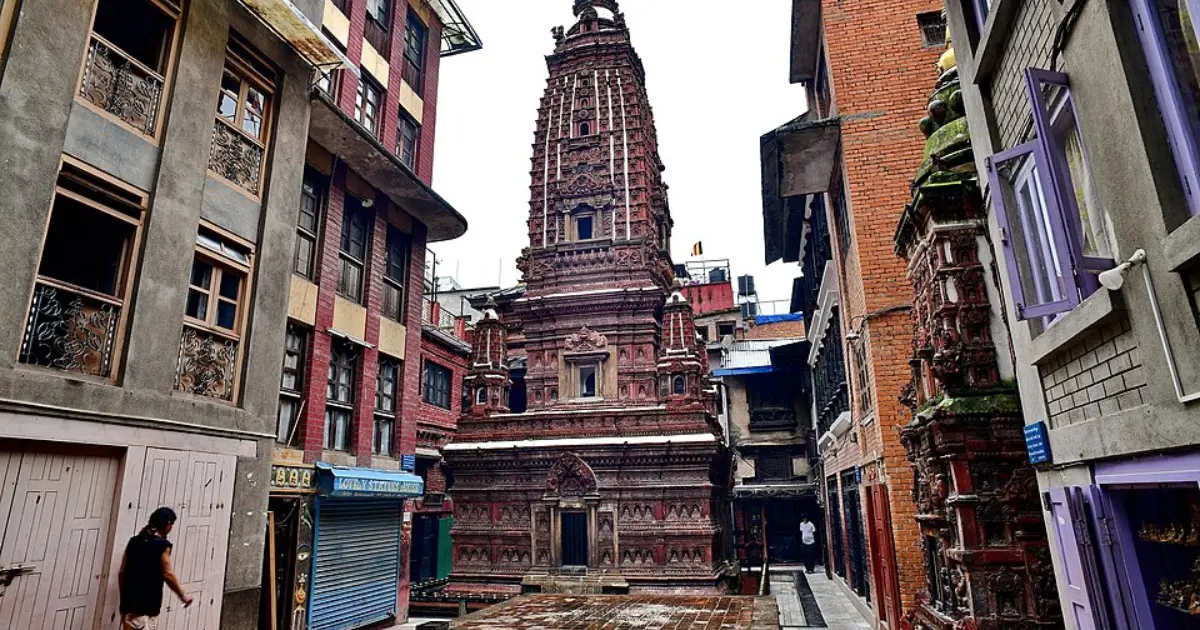
Here, wood carving blends into residential architecture. It’s less about grandeur and more about continuity, how tradition carries on in everyday spaces.
Notable Elements of Newar Wood Carving
As you walk through Patan, certain details begin to stand out not because they demand attention, but because they reward it.
- Torana – Decorative arches above doors, often rich with symbolism
- Tundal – Wooden struts that support roofs while telling visual stories
- Tikijhya windows – Intricate lattice designs that filter light beautifully
- Floral and animal motifs – Subtle reminders of nature woven into architecture
Once you start noticing these elements, you’ll see them everywhere.
Visiting Local Workshops and Artisans
Beyond the temples and courtyards, there’s another side to this story, the people who continue to keep the craft alive.
In quieter parts of Patan, you may hear the soft rhythm of tools against wood. Small workshops, often tucked into family homes, are where tradition continues in its most genuine form.
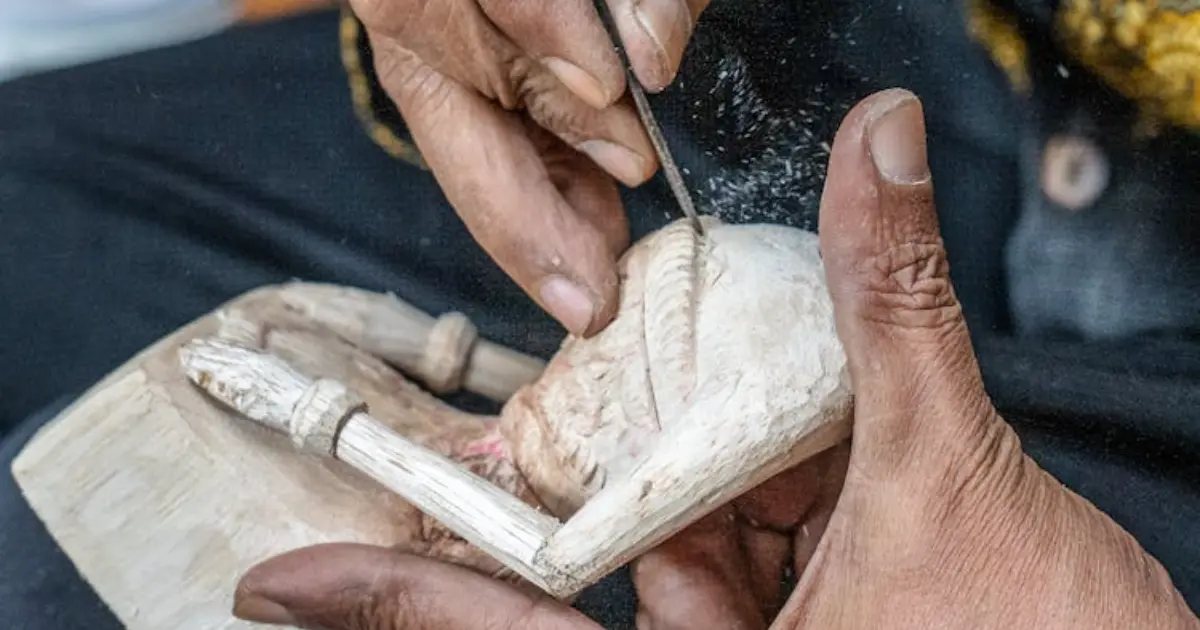
Here you can see artisans work patiently, shaping each piece by hand. These follow
Tips for Visitors
A visit to Patan is less about ticking off landmarks and more about how you experience them. Follow these tips for the best experience:
- Go early, when the light is soft and the streets are calm
- Don’t rush—let yourself wander without a fixed plan
- Look closely; the smallest details often hold the most meaning
- Be respectful—many places are still in use, not just for display
- Consider a local guide if you want deeper insight into symbolism
Wrapping Up
Traditional wood carving in Patan isn’t something you simply “see.” It’s something you begin to notice, then appreciate, and eventually feel connected to.
In Lalitpur, this craft continues quietly through weathered windows, restored temples, and the steady hands of artisans who refuse to let it fade.
And maybe that’s what makes it so special.
Not the grandeur, not the history but the fact that it’s still here, woven into everyday life, waiting for anyone willing to pause and look a little closer.
FAQs
Expand AllWhat makes Patan famous for traditional wood carving?
Patan is famous because wood carving here is deeply woven into everyday architecture. From palace courtyards to private homes, the craft is not just preserved as it’s still actively used and maintained by local artisans.
Where can you see the best wood carvings in Patan?
The finest examples are found around Patan Durbar Square, historic courtyards, temples, and traditional residential areas with carved windows and doors.
Is Patan Durbar Square the best place to start a wood-carving walk?
Yes, it’s the ideal starting point. It offers a dense collection of temples, palace structures, and courtyards where you can immediately see high-quality craftsmanship.
Which courtyards in Patan have the most intricate carved details?
Courtyards like Kwa Bahal and palace courtyards such as Sundari Chowk are known for their fine woodwork and detailed architectural elements.
Why is Sundari Chowk important for wood carving in Patan?
Sundari Chowk is one of the most refined palace courtyards, showcasing exceptional craftsmanship in windows, doors, and surrounding structures, reflecting the peak of Malla-era artistry.
What should you look for in Newar wood carving when visiting Patan?
Look closely at lattice windows (tikijhya), carved struts (tundal), torana above doorways, and small symbolic details that often go unnoticed at first glance.
What do the carved windows and doors in Patan represent?
They often represent protection, spirituality, and status. Many include depictions of deities, mythical figures, and symbolic patterns tied to Hindu and Buddhist beliefs.
How is Newar wood carving different from other traditional art forms in Nepal?
Unlike standalone art, Newar wood carving is integrated into architecture. It serves both functional and symbolic purposes, blending design with daily life.
Are the wood carvings in Patan mainly religious, decorative, or both?
They are both. Many carvings carry religious meaning, but they also enhance the beauty of buildings and reflect the identity of the household or structure.
Which temples in Patan are best known for fine wood carving?
Temples around Patan Durbar Square and areas near Mahabouddha Temple are especially known for detailed wooden elements.
Is the Golden Temple in Patan worth visiting for wood-carving lovers?
Yes. Hiranya Varna Mahavihar combines metal and wood craftsmanship beautifully, offering a different perspective on traditional artistry.
How much time do you need to explore Patan for its wood-carving heritage?
A relaxed half-day to full day is ideal, depending on how deeply you want to explore courtyards, museums, and surrounding neighborhoods.
Can you visit the main wood-carving highlights in Patan in half a day?
Yes, a half-day is enough to cover the main highlights, especially if you focus on the Durbar Square and nearby courtyards.
What is the best route for a self-guided wood-carving walk in Patan?
Start at Patan Durbar Square, explore palace courtyards, walk toward Hiranya Varna Mahavihar, then continue into surrounding bahals like Kwa Bahal.
When is the best time of day to see and photograph carved details in Patan?
Early morning or late afternoon offers softer light, which highlights the depth and texture of carvings beautifully.
Is Patan better than Bhaktapur for visitors interested in wood carving?
Patan feels more intimate and less crowded, while Bhaktapur offers grander but more touristic settings. Both are excellent, but Patan is often preferred for a quieter experience.
What is the difference between wood carving in Patan and Bhaktapur?
Patan’s carvings are often more subtle and integrated into daily life, while Bhaktapur’s are more prominent and displayed in larger, more open squares.
Are there still traditional wood carvers working in Patan today?
Yes, traditional artisans still practice the craft, often continuing family traditions that go back generations.
Can tourists watch artisans working on wood carving in Patan?
In some areas, yes. Small workshops allow visitors to observe artisans at work, especially if approached respectfully.
Can visitors join a wood-carving workshop in Patan?
Some local studios and cultural centers offer short workshops or demonstrations, though availability varies.
What is the entry fee for Patan Durbar Square?
There is an entry fee for foreign visitors at Patan Durbar Square, which helps fund conservation.
Is Patan Museum included in the main entry ticket?
Yes, entry to Patan Museum is generally included within the Durbar Square ticket.
Do you need a separate ticket for the Golden Temple in Patan?
Hiranya Varna Mahavihar may require a small separate entrance fee.
What are the opening hours for Patan Museum and nearby heritage sites?
Most sites open in the morning and close by late afternoon, though timings can vary slightly depending on the season.
What are the most photogenic wood-carving details in Patan?
Lattice windows, temple struts, carved doorways, and shadow patterns created by sunlight on wood surfaces are especially striking.
Are there any rules for photographing temples, courtyards, or religious spaces in Patan?
Yes. Always be respectful, avoid photographing inside shrines without permission and be mindful of local customs.
What etiquette should visitors follow when exploring heritage sites in Patan?
Dress modestly, remove shoes where required, avoid touching carvings, and respect private homes and religious practices.
Where can you buy authentic handmade wood carvings in Patan?
Local artisan shops and small workshops around Patan offer authentic handmade pieces.
How can you tell whether a wood carving in Patan is handmade or mass-produced?
Handmade carvings usually show slight imperfections, finer detailing, and a unique character, while mass-produced items often look uniform and machine-finished.
Is a wood-carving themed visit to Patan worth adding to a Kathmandu itinerary?
Absolutely! Exploring Patan offers a deeper cultural experience and a chance to see one of Nepal’s most refined traditional crafts up close.
Related blog posts
Discover a choice of tourist destinations loved by most of our visitors. Whether you're on a jungle safari to spot rare animals or walking through a world heritage site, these well-planned itineraries cover the major highlights of Nepal.



 call an expert at: