
What Is Saga Dawa? Meaning, Rituals, and What Pilgrims Experience at Mount Kailash
 Amrit K. Aryal
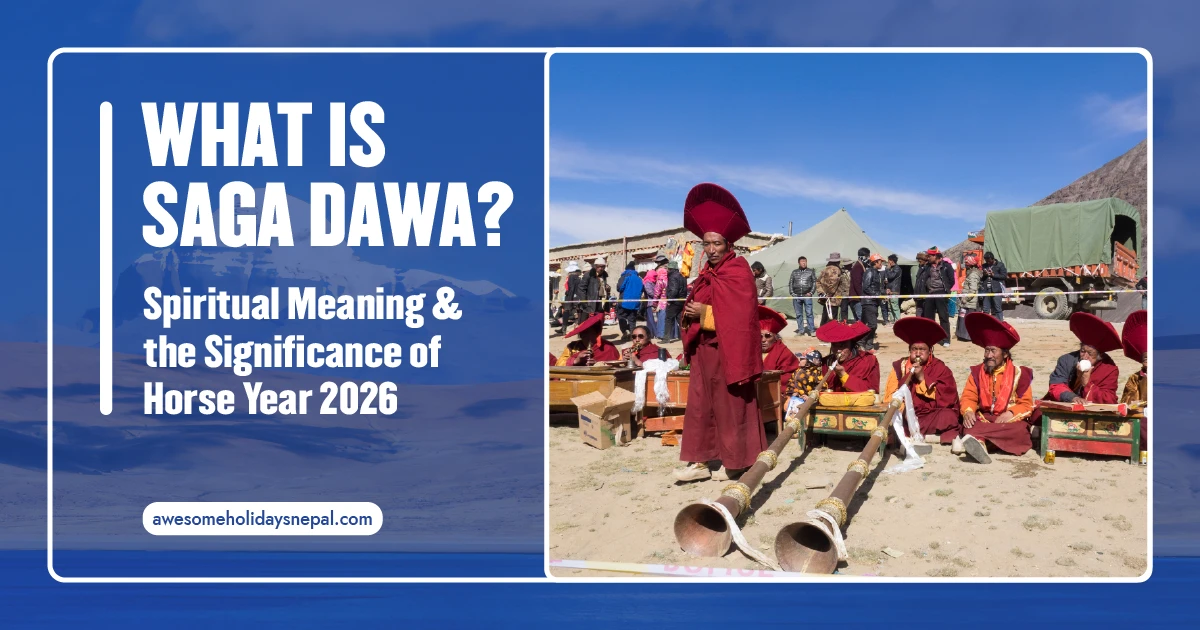
Saga Dawa is one of the most revered festivals among the Buddhist community, celebrated over the course of a year. The Saga Dawa falls in the fourth month of the Tibetan lunar calendar. For Buddhists all over the world, Saga Dawa or Saka Dawa is the holiest month of the year.
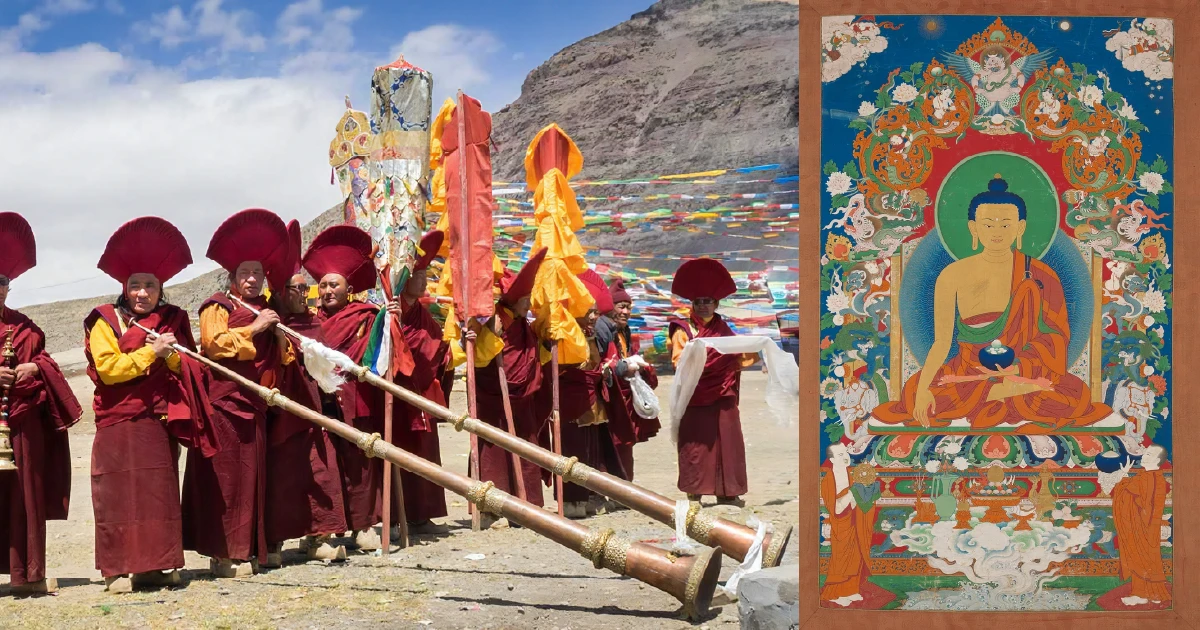
And especially the full moon, the most important day in the year, is called Saga Dawa Düchen, as it commemorates three pivotal events in the life of Gautam Buddha:
- Birth of Gautam Buddha
- His enlightenment under the Bodhi tree
- His Maha Parinirvana
The meaning of Duchen is “great occasion,” and this year falls on the full moon day, May 31, 2026. Often it is compared with the Vesak in Theravada Buddhism. Three events in the life of Buddha, converging at birth, awakening, and departure, give this month an extraordinary weight.
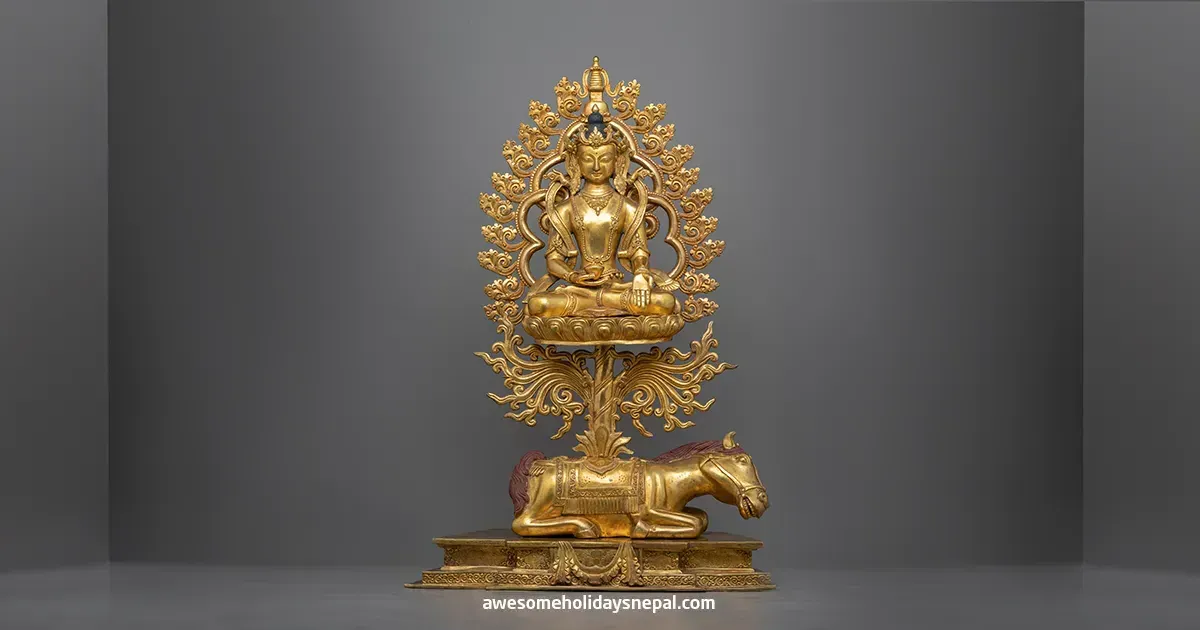
According to traditional belief, the karmic effects of actions performed during Saga Dawa are multiplied several-fold. And this year, in 2026, this multiplication is believed to be folded 13 times and clean all your sins for life. This is the central idea of the Saga Dawa in Buddhism.
It is a month of intensified merit with Pilgrims increasing prayer, generosity, compassion, vegetarian practice, mantra recitation, and pilgrimage. This month is the month of devotion and spiritual focus amplified, not superstition.
Why Is Mount Kailash Sacred Across Religions?
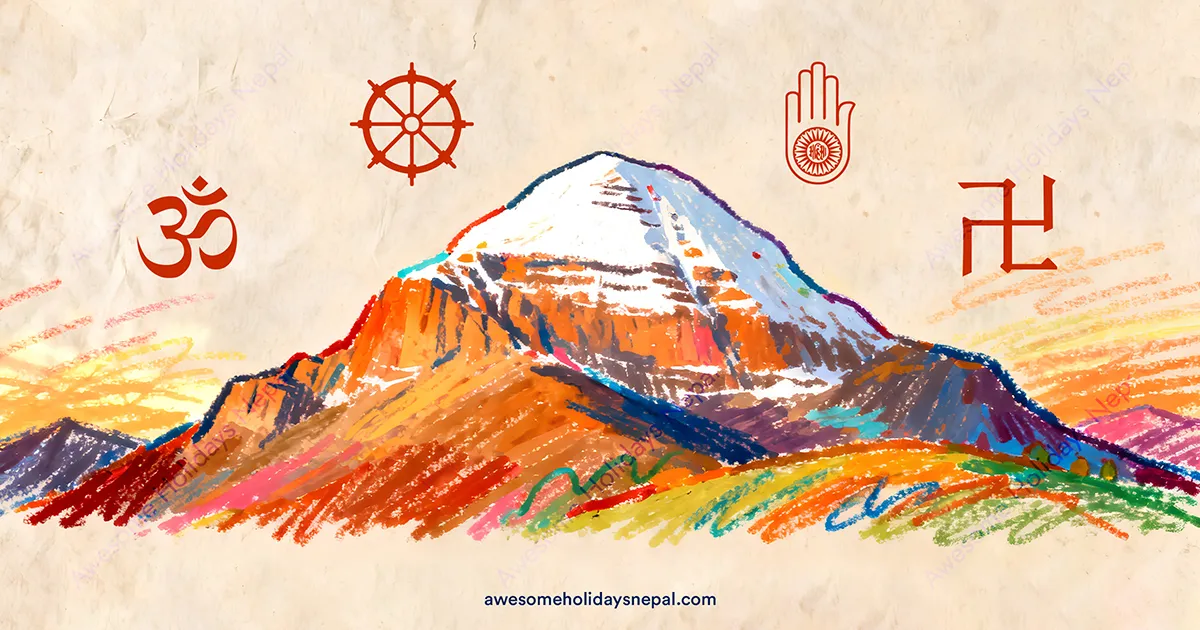
Mount Kailash is important for all the pilgrims travelling here. It is spiritually significant to all Hindus, Buddhists, Bons and Jains. To understand the spiritual significance of Mount Kailash, we must step beyond one tradition.
Four religions in Mount Kailash: Four major spiritual traditions revere Mount Kailash. For Buddhists, Mount Kailash is the home of Demchok (Chakrasamvar), and the Mountain is the representation of Mount Meru. It is the centre of the cosmic universe and the supreme bliss and the union of wisdom and compassion, known as Pragya Paramita.
Has Anyone Climbed Mount Kailash?
Not any humans have ever climbed Mount Kailash. The mountain is spiritually significant and is believed to have supernatural power stopping human to climb over it.
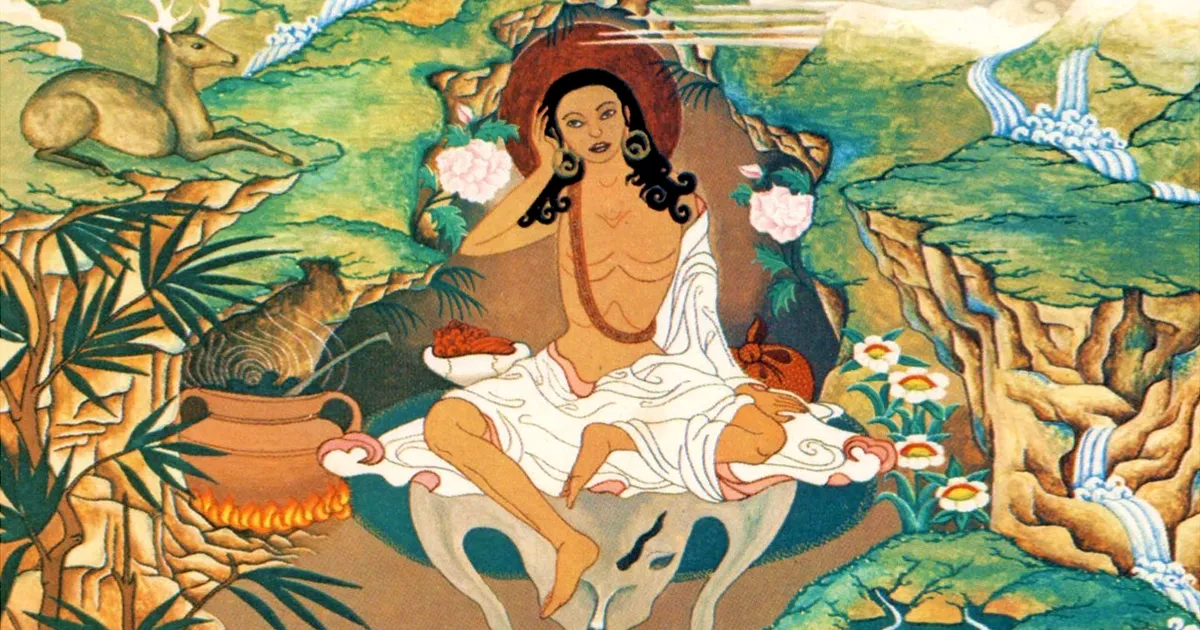
The legend also says that, in the 11th century, a Buddhist tantric teacher, Milarepa, reached the top of Mount Kailash, defeating the Bonpo master Naro Bön-chung in a magical race. It is believed he climbed over a beam of light and travelled with it to reach the top using his Tantra from the Tibetan Tantric Buddhism.
Mount Kailash During Saga Dawa Festival
During Saga Dawa, Kailash transforms from a remote sacred geography into a living field of devotion, with pilgrims from all over the world. Thousands of pilgrims gather around the Tarboche region, close to the starting point of the Kora.
During Saga Dawa, the largest ritual takes place here at the Tarboche. Here, a large prayer flagpole is ceremonially raised or replaced by a new one. This pole is symbolically believed to be connecting to the earth with Heaven.
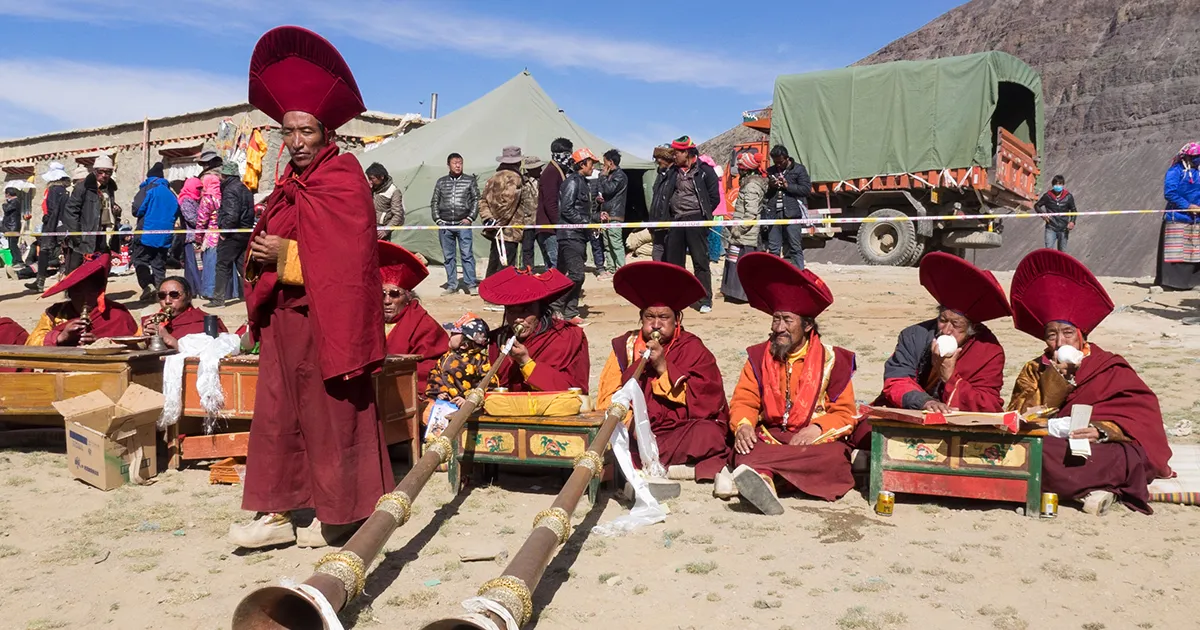
When it rises, people cheer, dance, and some even cry, being overwhelmed. When the pole is changed, it symbolises renewal of vows, compassion, intention and love for humanity.
What Is the Kailash Kora (Parikrama)?
Kora simply means circumambulation. The Kailash Kora is a 52 km round circuit trek around Mount Kailash. Most pilgrims complete the kora in three days. The Kailash Kora during Saga Dawa becomes more significant and carries more value.
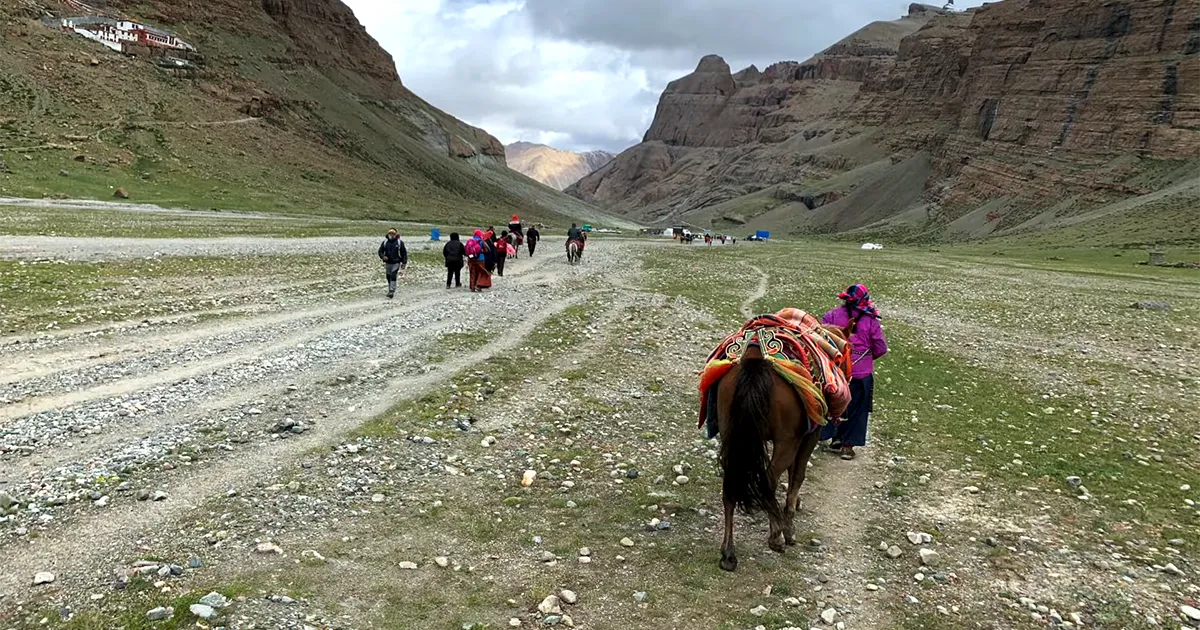
The trails to Kailash Kora include high altitude terrain, rocky stretches, river crossings, and one of the most challenging altitudes at the Dolma La Pass, at an altitude of 6500m. This is the most difficult section of the Kailash Kora with physically demanding terrain and risk of altitude sickness. The air in the area is so thin that even experienced trekkers get exhausted and might get altitude sickness.
And yet, many pilgrims walk with a string of beads in hand and whispering mantras. Some perform full-body prostrations along the entire circuit, measuring their body length against the sacred earth repeatedly. Buddhists, Jains and Hindus perform the prostration in a clockwise direction, but Bons perform the kora in an anticlockwise direction.
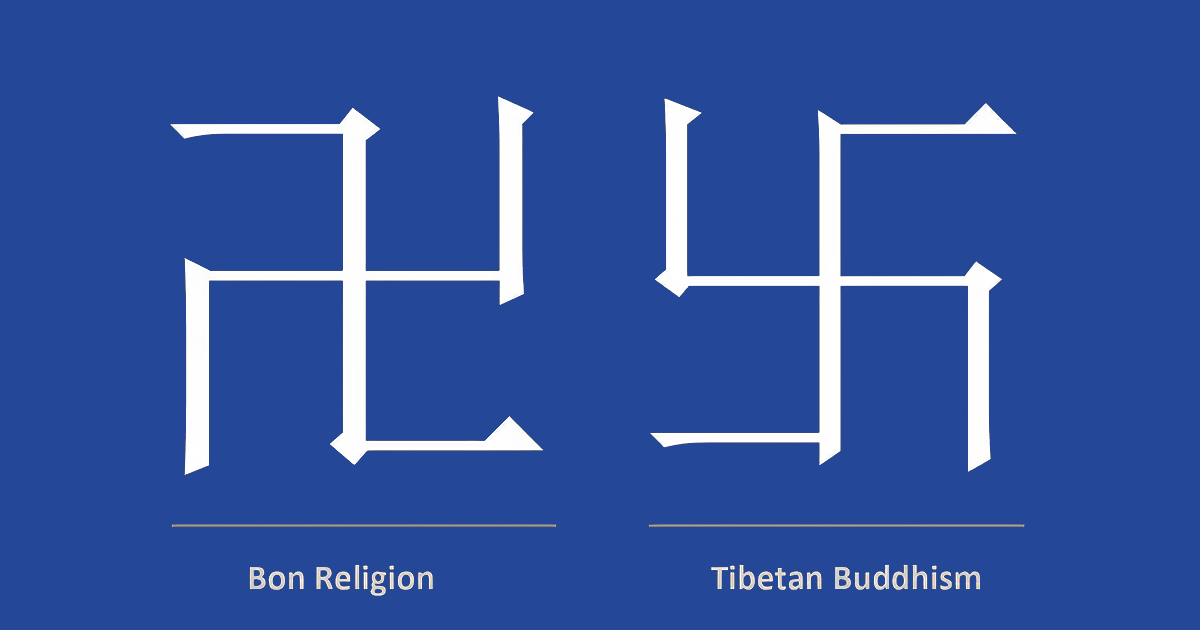
For all, in ordinary years, one kora is believed to cleanse a lifetime of negative karma. But during the Tibetan Year of the Horse in 2026, it is believed that the merit of one kora is multiplied by or is equivalent to 13 koras. This is why pilgrims are willing to complete the Kailash kora in 2026, and it is gaining a lot of attention.
Significance of the Year of the Horse 2026
In Tibetan astrology, the horse symbolises movement, strength, endurance, and spiritual momentum. The year returns every 12 years. And when it aligns with powerful spiritual timing, such as Saga Dawa, the pilgrimage takes on additional meaning. This year, in 2026, the Horse Year overlaps with Saga Dawa, creating a powerful, symbolically amplifying period for the Kailash Kora.

Lake Mansarovar: Purification During Saga Dawa
For many undertaking the Kailash Mansarovar Yatra during Saga Dawa, visiting this lake is deeply emotional. Many pilgrims like to take baths, cleansing the body, offering prayers at the shore, or meditating silently. Mansarovar reflects clarity of mind. During Saga Dawa, these acts are believed to generate multiplied merit.
Tibet Travel Permit and Planning: Reality Check
While planning about travelling to Tibet, it is important to be realistic and understand the depth of the administrative system. Travellers from abroad must get a Tibet Travel Permit and must travel through authorised tour arrangements, with the visa granted in a group. Independent travellers are not allowed to go for Kailash Yatra. For the Tibet Travel Permit, during the Saga Dawa, it must be planned and requires early coordination.
This year, it is assumed to have a crowd on the route to Kora. There is going to be a higher demand for guesthouses and other logistics. This is why pilgrims must apply in advance for an earlier permit. Also, there are other issues involved with the high altitude to Kailash, which can be solved by
- Carrying oxygen cylinders/Cans against the Acute Mountain Sickness (AMS)
- Frequent hydration
- Taking enough food and resting well to avoid severe fatigue
- Walk is a slow and steady pace, breathe with the nose only to avoid breathlessness
- And most importantly, plan for the gradual acclimatisation.
Why Pilgrims Choose Saga Dawa 2026
The Tarboche ceremony during the Saga Dawa draws a large gathering. For some pilgrims, this collective energy enhances devotion. For others, it can be religious, and some feel spirituality without religion. The output of the journey depends on what you seek and how you perceive the festival.
If you came to Kailash during the Saga Dawa, searching for peace, you know it is not simply a Buddhist festival. It is a sacred month centered on awakening. Saga Dawa in 2026, also the horse year, one must understand that it is going to be an easy and spiritual Journey with Awesome Holidays Nepal.
FAQs
Expand AllWhat is Saga Dawa?
Saga Dawa is a major festival for Buddhist people, which falls on the fourth month of the Tibetan lunar calendar. It is the month that commemorates the birth, enlightenment, and Parinirvana of Gautama Buddha. During this month, Buddhists believe that the karma of the actions you do during this month is multiplied.
What does “Saga Dawa Düchen” mean?
Düchen literally means “great occasion” in the Tibetan dialect. Saga Dawa Düchen is the fullmoon day of the Saga Dawa month, symbolizing the birth, death, and enlightenment of Buddha.
What events does Saga Dawa commemorate in Tibetan Buddhism?
Saga Dawa commemorates three major events in the life of the Buddha. They are birth, his enlightenment under the Bodhi tree, and his Maha Parinirvana. All these events fall on the same lunar date.
Is Saga Dawa celebrated only in Tibet?
No. Saga Dawa is celebrated all over the world. But in Tibet, it has a different significance and is celebrated in Tarboche with ceremonies. The festival is widely observed in Nepal, Bhutan, parts of India such as Ladakh, and among Tibetan Buddhist practitioners worldwide.
Why is Saga Dawa considering a sacred month for Buddhist practice?
It is believed that during Saga Dawa, the merits of positive karma are multiplying with several folds. Practitioners increase prayer, generosity, mantra recitation, pilgrimage, and acts of compassion during this month.
Why do pilgrims try to visit Mount Kailash during Saga Dawa?
Mount Kailash holds immense spiritual power during the Saga Dawa. This month, people believe that the merit gained from performing the Kailash Kora is multiplied. When Saga Dawa coincides with the Tibetan Year of the Horse in 2026, tradition holds that spiritual benefit is even greater.
Is Mount Kailash sacred only to Buddhists?
No. Mount Kailash is sacred to Buddhists, Hindus, Jains, and followers of the Bon religion. Each tradition has a unique story related to Kailash and assigns its own spiritual meaning to the mountain.
Why is Mount Kailash considered sacred across multiple religions?
In Buddhism, Mount Kailash is associated with the Lord Demchok or Chakrasamvara. In Hinduism, it is believed to be the abode of Lord Shiva. In Jainism, it is linked to the liberation of their first Tirthankar, Rishabhdev. In Bon, it is the center of their spiritual cosmology.
Where is Mount Kailash located?
Mount Kailash is in the Ngari region of the Tibet Autonomous Region of China, close to the borders of Nepal and India.
What is the elevation of Mount Kailash?
Mount Kailash stands at a height of approximately 6,638 meters above sea level.
What is the Kailash kora (parikrama/circumambulation)?
The Kailash Kora is a sacred circumambulation of the mountain, performed by walking around its base. Buddhists circumambulate in a clockwise direction, and Bon followers walk counterclockwise.
How long does the Kailash Kora usually take?
Most pilgrims complete the kora in three days. Some of the locals have been found completing the kora in just one day, starting early in the morning till late evening.
Is the kora physically difficult?
Yes. The route includes high altitude terrain, rocky paths, steep ascents, and unpredictable weather. This is why proper acclimatization, hydration, and physical preparation are important.
What is Dolma La Pass and why is it challenging?
Dolma La Pass is the highest point during the Kailash Kora. It involves a steep ascent from Dhiraphuk on the second day and descent to Zutulphuk. This is the most difficult day during the kora.
What is the Tarboche ceremony and how is it connected to Saga Dawa?
Tarboche ceremony is a month-long ceremony that takes place near the start of the kora route during Saga Dawa. A large prayer flagpole is ceremonially raised or renewed, symbolizing renewal of blessings and spiritual connection between heaven and earth.
Can foreigners visit the Kailash region during Saga Dawa?
Yes, with a group permit and group visa, foreigners too can go to Kailash through authorized operators in Nepal and Tibet.
Can you travel independently in Tibet’s Kailash region?
No. Foreign travelers are not allowed to go alone and must join an organized group tour with proper permits and a licensed guide.
How far in advance should permits and logistics be planned for peak periods?
In Saga Dawa, Horse Year in 2026, one must travel with planning 3–6 months is advised to avoid the rush and get the permit on time.
Related blog posts
Discover a choice of tourist destinations loved by most of our visitors. Whether you're on a jungle safari to spot rare animals or walking through a world heritage site, these well-planned itineraries cover the major highlights of Nepal.
 call an expert at: