
Kailash Yatra vs Char Dham Yatra: Which Pilgrimage Is Tougher?
 Amrit K. Aryal
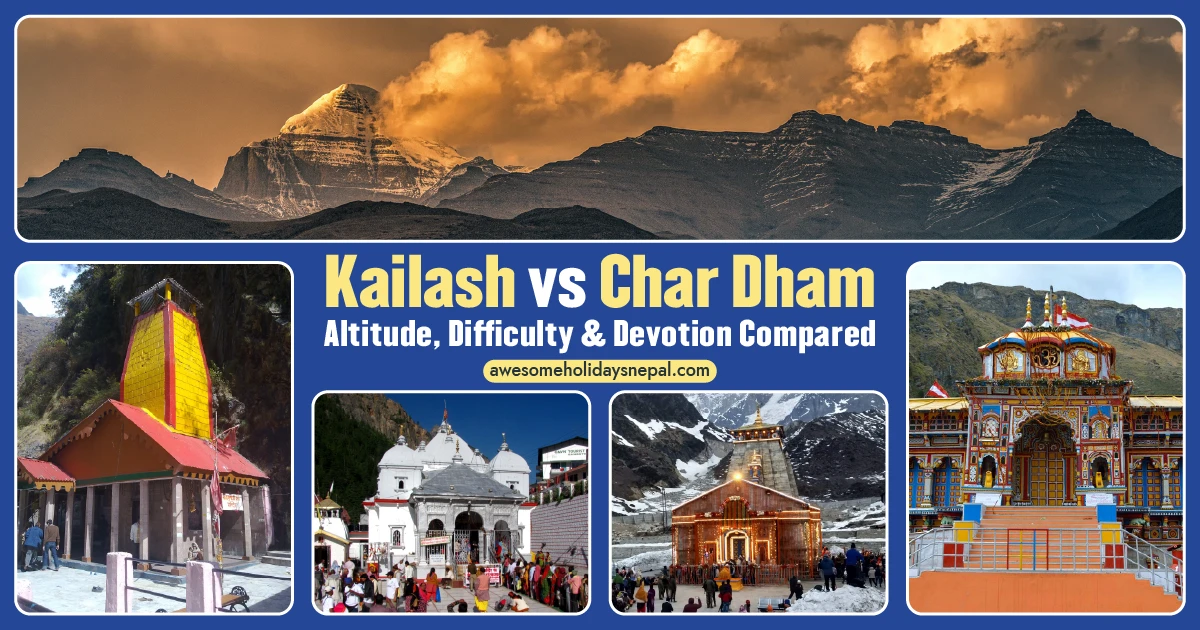
There are two of the most sacred pilgrimages in the Himalayas, yet they are very different in experience. Have you ever wondered, if you ever wonder which pilgrimage is harder, Kailash or Char Dham Yatra?
Then this post is for you. Both journeys offer immense spiritual rewards, but one will test your physical limits more than the other. Let’s dig into altitude, difficulty, walking, safety, permits, and even tips for beginners and seniors.
Geography and Altitude
Kailash Yatra: Trek to Remoteness
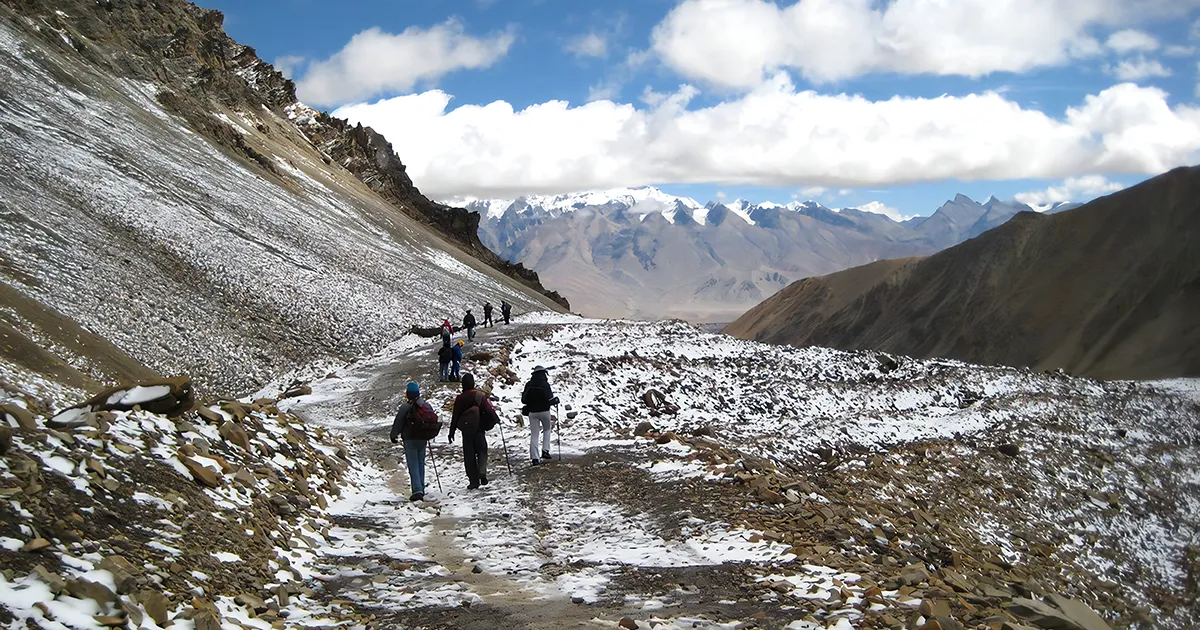
The highest point on the Trek to Kailash Mansarovar Yatra goes to the Dolma La Pass, at a height of 5,636 m above sea level. Trekking to Kailash Mansarovar Yatra is tough due to the thin air. Walking here feels like climbing nonstop up the high stairs.
Many pilgrims who have done both the Kailash and Everest Base Camp Trek say that the Kailash trek is much more difficult than the trek to Everest Base Camp. Here, the temperatures are low at night, and the sun is harsh during the day, so even the healthiest and fit trekkers get exhausted. As the trek goes above 4500m, there is always a risk of altitude sickness.
Char Dham Yatra: Accessible Pilgrimage
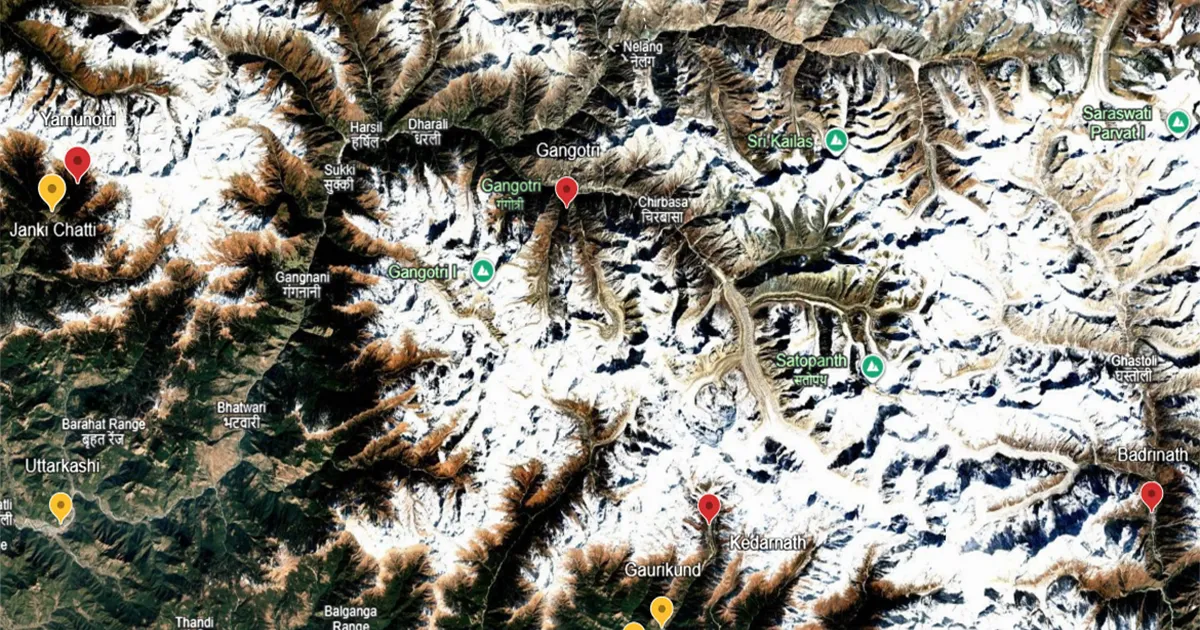
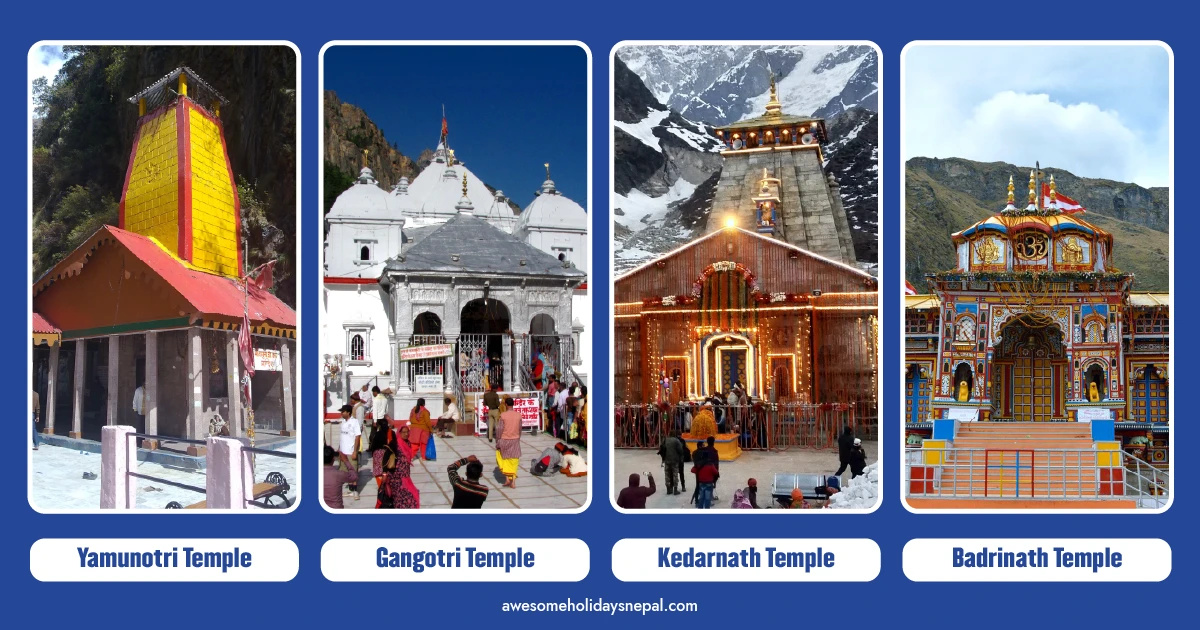
The name Char Dham suggests a group of four most precious Hindu sites comprising Yamunotri, Gangotri, Kedarnath, and Badrinath situated in Uttarakhand, India. Here lies the administrative difference. The highest point during the Char Dham is Kedarnath at a height of 3,583 meters above sea level, which is quite lower than the Dolma La pass.
Most of the sites in Chardham can be travelled on wheels with short treks at Yamamura and Kedarnath. But the entire Kailash Kora must be covered on foot, walking for three days. There is little risk of altitude sickness, but not completely risk-free.
Difficulty Level
Walking and Trekking
The complete Kailash Kora is a 52 km parikrama, over a span of 3 days. The steep climbs, rocky and slippery trails, and high altitude make every step heavy. Trekking in the high altitude of Kailash requires a high level of fitness. So, it is often seen that the Kailash Kora is not for everyone. The trials in Kailash are more strenuous than the trail to Char Dham.
Char Dham
Most of the roads in Char Dham are accessible. Among them, the trek to Kedarnath is the longest at 16 km, and the trek to Yamunotri is 6 km. Trek to Pony and Doli are also accessible to reduce effort. The daily walks are shorter and more predictable with rest.
Weather and Season
The temperature in Kailash falls below the freezing point. The nights are very chilling, whereas the days feels extreme dryness due to direct overhead sunlight with extreme UV. So, the best time to go for the Kailash Mansarovar yatra is from May to September. These months are a little bit more comfortable than walking in the core winter. But sometimes, the unpredictable weather adds difficulty.
Whereas walking to Char Dham in the monsoon is full of the risk of landslides. The travel is closed for the pilgrimage due to snow. So, the best time for going to Char Dham is from April to June or September to November.
Duration and Logistics
The full itinerary for Kailash Mansarovar Yatra is a 14-day trip, starting from Kathmandu. Travelling via Kerung along the long road and a three-day kora around Kailash. Char Dham Yatra is a 10–12-day journey from Kathmandu, and travelling mostly via roads, and you can even opt helicopter trip to Kedarnath. The journey to Chardham is also organised as Kailash.
Altitude Sickness & Health
Kailash Yatra
Trek to Kailash and completing the Kora come with a high risk of headaches, dizziness, and nausea. The trekkers must be well fit with higher stamina. The seniors and people with some disease must consult a doctor and submit the health clearance certificate before even starting the trek. The trekking crew also need to carry oxygen cylinders for the safety of the members in case of a high altitude emergency.

Char Dham Yatra
Comparatively, the Char Dham has a lower risk of altitude sickness. Trek to Kedarnath and Yamunotri can have a little chance of altitude sickness due to the height. People with some pre-existing health issues need to be more aware. So, yes, even the new trekkers and enthusiasts can do both trekking, but Kailash requires more awareness.
Kailash Yatra Safety
Since the Kailash Mansarovar Yatra is a journey to the restricted area of Tibet, you need to have permits and a visa applied for in a group.
Other important safety tips are as follows.
- Plan an effective acclimatisation
- Get enough warm clothing in layers and sun protection
- Travel insurance is highly recommended
Char Dham Yatra Safety
- Avoid travelling during the night
- Avoid the monsoon for flood and landslide risk
- Know about the medical facilities en route
- Helicopters are an optional choice for Kedarnath
Kailash Yatra vs Char Dham Yatra
| Feature | Kailash Yatra | Char Dham Yatra |
| Highest Point | Dolma La, 5,636 m | Kedarnath, 3,583 m |
| Duration | 12–14 days | 10–12 days |
| Walking / Trek | 52 km, steep inclines | 6–16 km treks, mostly road |
| Altitude Sickness | High | Low–Moderate |
| Physical Difficulty | Very strenuous | Moderate |
| Remote Areas | Very remote | Less remote |
| Safety | Limited medical points | Better medical facilities, helicopters |
| Permits | Required | Registration required |
Kailash Yatra is one of the challenging treks in the remote land of Tibet, to the high-altitude, with very strenuous slopes and trails. This trek is suitable for fit and healthy people, irrespective of any religion, adventurous as well as spiritual persons.
Kailash Mansarovar Yatra Itinerary
Char Dham Yatra Itinerary Outline
The traditional order followed is:
Day 1: Arrival in Haridwar / Rishikesh
Day 2: Haridwar → Barkot (Yamunotri Base)
Day 3: Barkot → Yamunotri → Barkot
Day 4: Barkot → Uttarkashi
Day 5: Uttarkashi → Gangotri → Uttarkashi
Day 6: Uttarkashi → Guptkashi / Sitapur
Day 7: Guptkashi → Kedarnath
Day 8: Kedarnath → Guptkashi
Day 9: Guptkashi → Badrinath
Day 10: Badrinath → Rishikesh / Haridwar
Final Words,
Kailash Yatra is one of the challenging treks in the remote land of Tibet to the high altitude, with very strenuous slopes and trails. This trek is suitable for fit and healthy people, irrespective of any religion, adventurous as well as spiritual persons.
On the other hand, the Char Dham Yatra is a moderate and safer yatra, mostly covered by bus with a helicopter as an additional service.
For beginners and highly spiritual Hindu people, Char Dham could be a better option. And for non-religious people seeking more adventure, the Kailash Yatra could be a better choice.
FAQs
Expand AllIs Kailash Yatra harder than Char Dham Yatra?
Yes, Kailash is considered much tougher because of the higher altitude, longer trekking days, and remoteness of the area. On the other hand, the Char Dham Yatra is moderate, accessible by road, and easier for most pilgrims.
What makes Kailash Yatra more difficult?
The high altitude, steep trails, during the three days of parikrama, unpredictable weather, and limited medical facilities make the Kailash Yatra more difficult.
What makes Char Dham Yatra challenging?
Kedarnath and Yamunotri stand at high altitudes where the risks associated with monsoon, such as occasional landslides, make it challenging. But an organised tour can reduce the risks and make the yatra spiritual.
Which pilgrimage has higher altitude exposure?
The Kailash Mansarovar Yatra goes to the highest altitude at Dolma La Pass at 5,636 meters, much higher than any Char Dham site.
How high is Dolma La Pass?
Dolma La Pass is at an altitude of 5,636 meters above sea level.
What is the altitude of Kedarnath?
The altitude of Kedarnath is 3,583 meters, much lower than the Dolma La Pass.
Is altitude sickness common in Kailash Yatra?
Yes, very common. Headaches, nausea, and dizziness are frequent. Acclimatisation is critical.
Can altitude sickness occur during Char Dham Yatra?
There is less risk of altitude sickness, at Possible but rare. Only the Kedarnath and Yamunotri treks pose a mild risk.
How long does Kailash Parikrama take?
It takes three days to cover the 52 km long Kailash Kora, if the weather remains good.
How many days are required for Char Dham Yatra?
It takes around 10–12 days for the Char Dham Yatra, starting from Haridwar. This also depends on the weather.
Is Kedarnath trek mandatory?
Yes, from Gauri kund, one must trek 16 km to reach Kedarnath.
How difficult is Yamunotri trek?
Trekking for about 6 km uphill is necessary to reach. It is a moderate trek with the availability of Ponies for luggage.
Can seniors do Kailash Yatra safely?
Yes, seniors and the elderly can do the Kailash Yatra safely, but one must be physically fit, acclimatised, and medically certified without any potential risks.
Is Char Dham safer for elderly travellers?
Yes, talking about the altitude and altitude sickness, the treks are shorter, and the roads are accessible. There are more medical facilities on the way to Char Dham.
Does Kailash Yatra require special permits?
Yes, there are certain permits one needs to travel to Kailash such as Tibet Travel Permits and a Chinese group visa.
Which pilgrimage involves more walking?
Comparing Kailash Yatra vs Char Dham Yatra, Kailash consists of a longer trekking distance.
Can Kailash Yatra be done without trekking?
No, Trekking cannot be avoided on the Kailash parikrama.
Can Char Dham be done without trekking?
Yes, almost every part of the Char Dham Yatra can be completed without walking. Even trekking to Kedarnath and Yamunotri treks can be avoided with a helicopter ride.
Related blog posts
Discover a choice of tourist destinations loved by most of our visitors. Whether you're on a jungle safari to spot rare animals or walking through a world heritage site, these well-planned itineraries cover the major highlights of Nepal.



 call an expert at: