
Is the Annapurna Circuit Still Worth It? Why It Feels Different Than 10 Years Ago
 Sujata Pokhrel
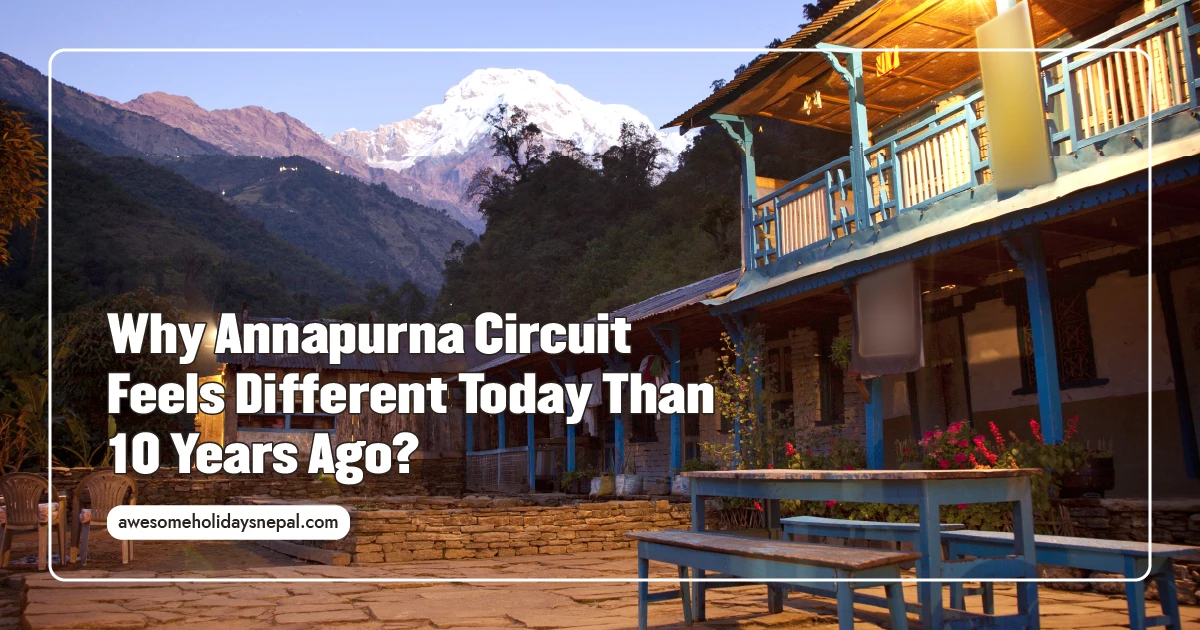
Is the Annapurna Circuit still worth it? That’s a question many seasoned trekkers ask before revisiting the trail today.
Over the past decade, the Annapurna region has evolved drastically. With ever-changing trek rules, the growing popularity of the Annapurna region, and additional settlements, the Annapurna Circuit trails have become modern.
Trekking regulations have shifted, roads have extended deeper into the valleys, and new settlements have appeared where once there were only mule trails. Stories from those who walked the circuit 10 or 15 years ago often carry a nostalgic tone: longer days, fewer comforts, deeper isolation.
But change does not automatically mean decline!
To fairly answer whether the Annapurna Circuit is still worth it, we need to look closely at what has changed, and what hasn’t.
Let’s review the blog to better understand the transformation of this legendary Himalayan journey!
Annapurna Circuit Trek Overview
The Annapurna Circuit is one of Nepal’s classic long-distance treks, traditionally taking 15–20 days to complete in full. The route circles the vast Annapurna massif, gradually climbing from lush river valleys to high alpine terrain before crossing the dramatic Thorong La Pass at 5,416 meters.
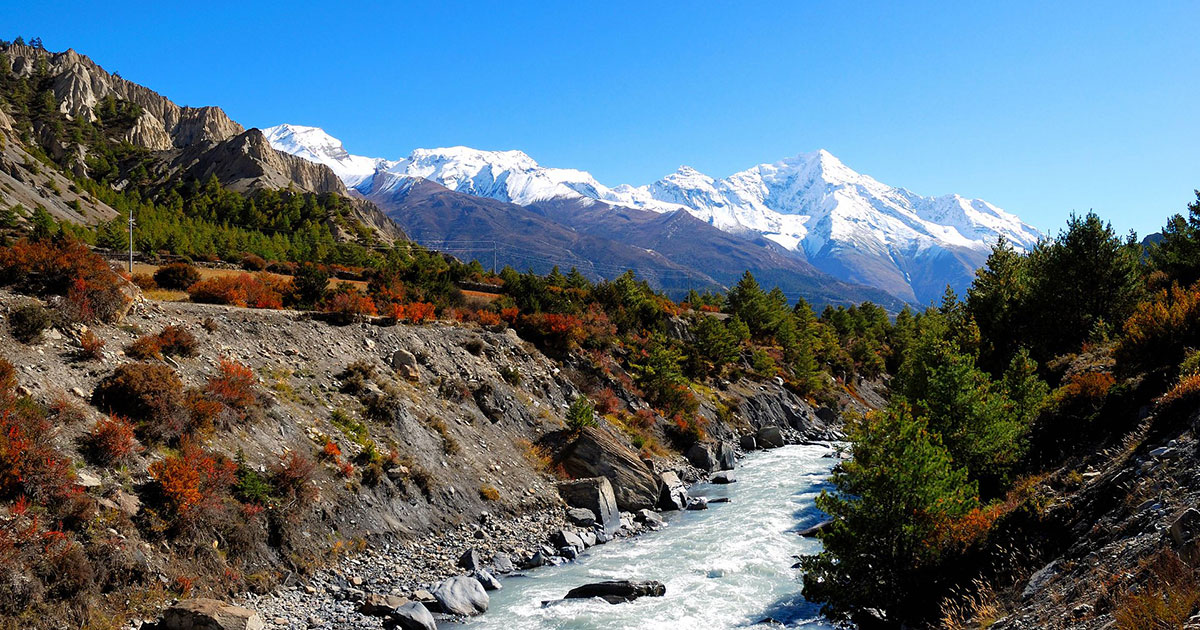
What makes this trek unique is the sheer variety. Within a couple of weeks, you pass through subtropical forests, terraced farmland, deep gorges, windswept plateaus, and high-altitude deserts. Villages shift from Hindu lowland communities to Tibetan-influenced settlements as you approach places like Manang and eventually descend toward the sacred pilgrimage site of Muktinath.
Few treks in the world offer such dramatic geographical and cultural contrast in one continuous journey.
What made the Annapurna Circuit Special Before 1o Years Ago?
A decade ago, the Annapurna Circuit had a different rhythm.
Trekkers typically walked the entire length from the lower valleys, often starting in remote villages with limited vehicle access. The journey felt long, not just in distance, but in immersion. You earned the mountains slowly. Each day unfolded at walking pace, with little interruption from the outside world.
There were fewer lodges, simpler menus, and fewer modern comforts. Electricity was unreliable, wi-fi was rare, and communication with home was limited to occasional satellite calls.
Most importantly, the sense of remoteness was stronger. You could walk for hours hearing only wind, river, and mule bells. Crossing Thorong La felt like a genuine expedition accomplishment, the culmination of many days spent steadily gaining altitude.
The circuit had a reputation as one of the world’s great wilderness treks.
How has Annapurna Circuit Changed Over Time?
Annapurna Circuit has changed gradually and often noticeably over a period of time. From modern infrastructures to services on the trail, the whole experience has revolved. Let’s understand how trail of the Annapurna circuit has changed:
Road and Infrastructure of the Trail
The most talked-about transformation is road construction. Jeep roads now extend into areas that were once accessible only on foot, reaching villages such as Manang on the eastern side and connecting to Muktinath on the western side.
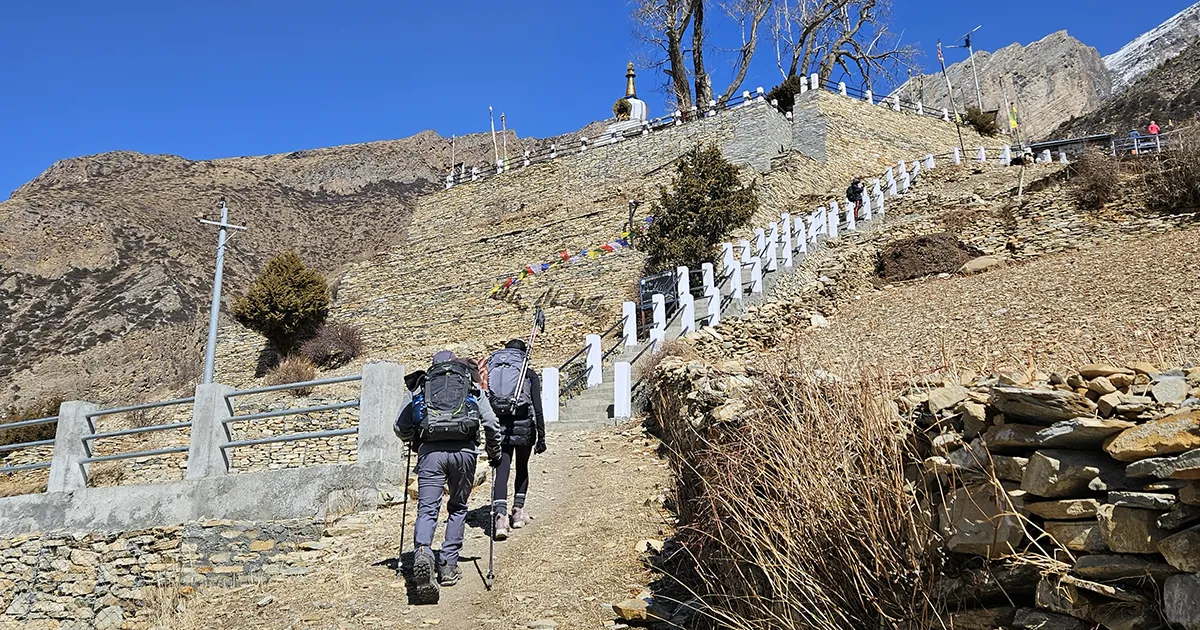
This has shortened itineraries. Many trekkers now choose to drive certain sections and focus on the higher, more scenic portions of the trail. For some, this flexibility is a benefit. For others, it alters the traditional sense of continuity.
Roads have introduced occasional dust and vehicle traffic in lower sections. However, alternative walking trails still exist, and experienced guides often route trekkers along quieter side paths whenever possible.
Teahouses and Lodges
Accommodation has improved significantly.
Where once rooms were extremely basic, many teahouses now offer attached bathrooms, comfortable bedding, better insulation, and even Wi-Fi access. Charging facilities and hot showers are more widely available.
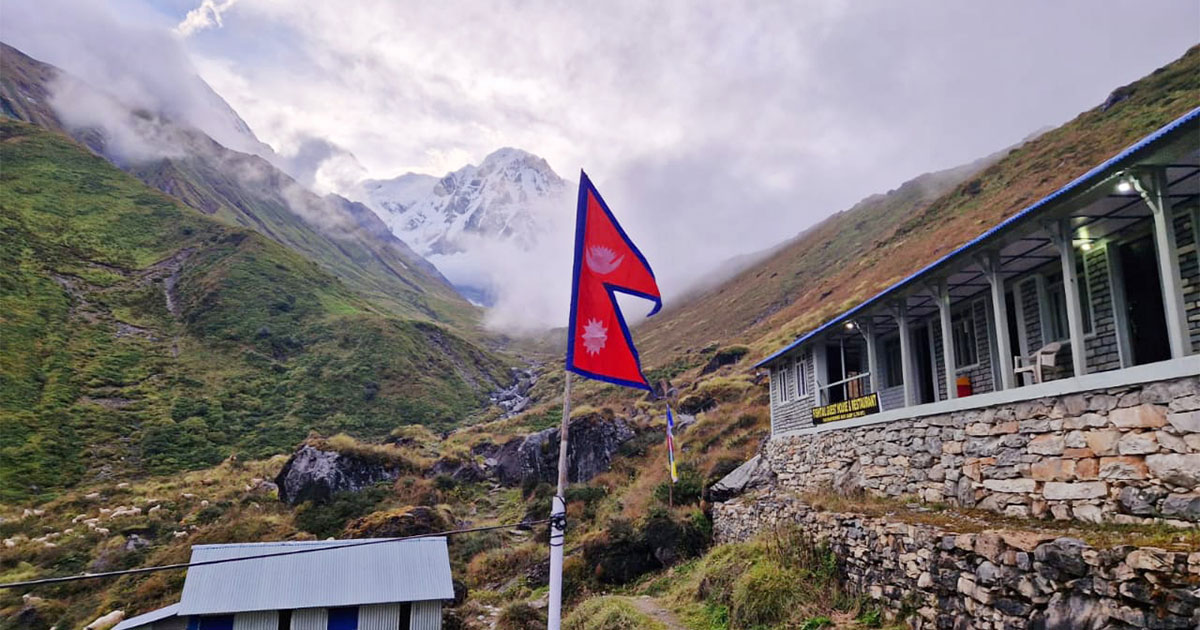
This increased comfort has made the trek accessible to a broader range of travelers, including older trekkers and those attempting high-altitude trekking for the first time.
While some miss the raw simplicity of earlier days, others appreciate that a long Himalayan journey no longer requires sacrificing basic comfort.
Trekking Style
Trekking culture itself has evolved.
Shorter itineraries are now common. Instead of 18–20 days, many complete a condensed 10–12 day version by skipping road-accessible sections. Guided groups have increased, and logistics are more streamlined.
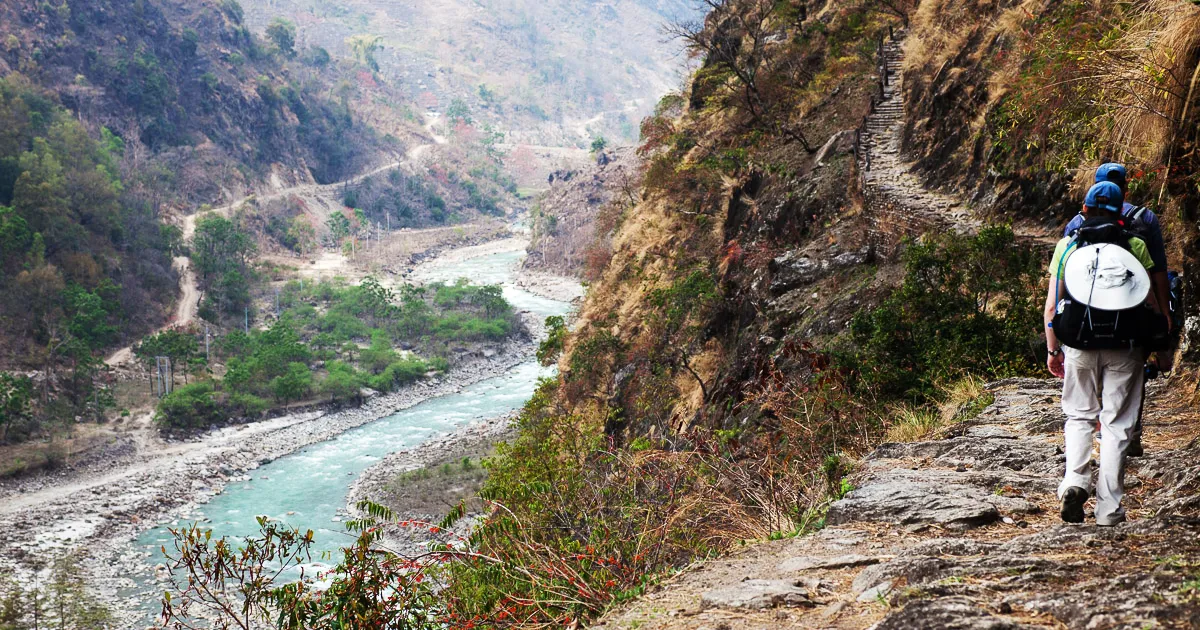
There is also greater awareness around altitude safety, acclimatization schedules, and professional guiding standards. In many ways, trekking has become safer and more organized.
The experience may feel less isolated, but it is also more structured and accessible.
Food, Amenities and Services on the Trail
Menus have expanded beyond traditional dal bhat and noodle soup. You can now find pancakes, pasta, bakery items, coffee machines, and a wider range of snacks even at considerable altitude.
Medical posts and communication facilities have improved. Emergency evacuation coordination is faster than it was a decade ago.
While purists may feel the trail has become more commercial, these developments also reflect the growing maturity of Nepal’s trekking industry.
Cultural Shifts
As infrastructure improves, villages inevitably change.
You’ll notice concrete buildings alongside traditional stone houses. Younger generations are more connected to the outside world. Tourism has become a primary source of income for many families.

Yet the core traditions remain visible, prayer wheels turning in the wind, mani walls lining the paths, and monasteries standing quietly above the villages. The cultural landscape is adapting, not disappearing.
Things That Still Remains Intact in Annapurna Circuit
Despite modernization, the heart of the trek remains surprisingly unchanged. These are the things that have remained intact in Annapurna circuit.
Spectacular Mountain Views
No road can diminish the grandeur of the Himalayas.

The towering presence of Annapurna I and the dramatic bulk of Dhaulagiri still dominate the skyline. Snow-capped peaks rise abruptly above deep valleys, glaciers shimmer in morning light, and sunrises paint the high ridges in gold.
The scale of the landscape is as humbling today as it was decades ago.
Rewarding High Passes
Crossing Thorong La remains a physical and emotional milestone. The thin air, early morning start, crunch of frost beneath your boots, and the prayer flags fluttering at the top, these moments are timeless.

No amount of infrastructure in lower sections changes the feeling of standing at over 5,000 meters, surrounded by Himalayan giants.
Diverse Cultural Experience
From Hindu farming communities in the lower valleys to Tibetan-influenced settlements in Manang and Mustang, the circuit still offers one of the richest cultural journeys in Nepal.
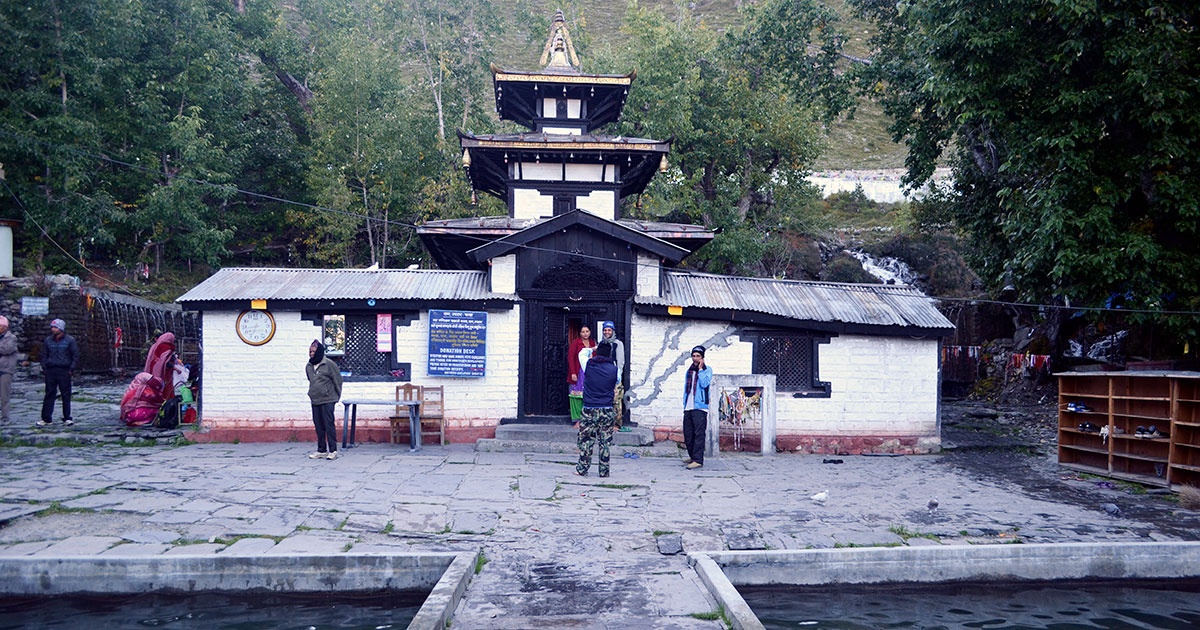
Sacred sites like Muktinath continue to draw pilgrims, blending spiritual devotion with trekking adventure.
The Essence of Himalayas
Above all, the essence of the Himalayas remains intact. The vastness, the silence at altitude, and the slow rhythm of walking from village to village.
Even with roads and Wi-Fi, the mountains ultimately dictate the pace. Weather shifts without warning. Altitude demands respect. The journey still requires patience and resilience.
Those fundamental truths haven’t changed.
So, is the Annapurna Circuit still worth it?
Yes, it has certainly revolutionized for better. But perhaps for slightly different reasons than before.
It may no longer feel like an untouched expedition route from decades past. It is more accessible, more comfortable, and more flexible. The trail has adapted to modern trekking realities.
Yet the diversity of landscapes, the challenge of high altitude, the depth of cultural experience, and the overwhelming presence of the Himalayas remain as powerful as ever.
In truth, the Annapurna Circuit hasn’t lost its magic.
It has simply evolved.
For trekkers willing to look beyond nostalgia and embrace both tradition and transformation, the journey around the Annapurna massif continues to be one of the most rewarding adventures in Nepal and still very much worth it.
FAQs
Expand AllIs the Annapurna Circuit still worth it?
Yes, the Annapurna is definitely worth it. Despite infrastructure changes, it remains one of Nepal’s most diverse and rewarding treks, offering dramatic landscapes, high-altitude adventure, and deep cultural immersion.
Why does the Annapurna Circuit feel different than 10 years ago?
Road expansion, improved teahouses, shorter itineraries, and updated trekking regulations have changed the trekking rhythm. It feels more accessible and connected than it once did.
Has road construction affected parts of the Annapurna Circuit?
Yes, it has. Jeep roads now reach areas like Manang and Muktinath, reducing walking distance in some sections and introducing occasional vehicle traffic.
Can I avoid road walking on the Annapurna Circuit?
Mostly, yes. Alternative trekking trails exist above or away from the main road. A knowledgeable guide can help you follow quieter, more scenic paths.
Do I need a guide for the Annapurna Circuit?
Currently, Nepal requires trekkers in many regions to hire a licensed guide. Regulations can evolve, so it’s important to check updated rules before planning.
What is the TIMS card and do I need it for Annapurna Circuit?
TIMS (Trekkers’ Information Management System) was introduced for safety and trekker tracking. However, current rules have shifted in some areas, and TIMS may not always be required if trekking with a registered guide. Always confirm current regulations before departure.
Is solo trekking allowed on the Annapurna Circuit?
Regulations have tightened in recent years. Independent trekking policies can change, so check the latest government guidelines before planning a solo trip.
What permits do I need for the Annapurna Circuit?
You need the ACAP (Annapurna Conservation Area Permit). Depending on updated regulations, TIMS may or may not be required.
Can I get the ACAP permit online?
Currently, ACAP permits are typically obtained in Kathmandu or Pokhara through authorized offices or agencies. Online systems are gradually improving but may not be fully implemented.
How much does the ACAP permit cost?
The ACAP permit generally costs around NPR 3,000 per foreign trekker (subject to change). SAARC nationals usually pay a reduced fee.
Where are permits checked on the Annapurna Circuit?
Permits are checked at multiple checkpoints along the route, especially near entry points and key villages such as Manang and near the conservation boundaries.
Is the Annapurna Circuit more crowded now than before?
It can feel busier during peak seasons, especially in autumn. However, because of flexible starting points, trekkers are often spread out along the trail.
What season is the Annapurna Circuit busiest?
Autumn (September–November) is typically the busiest season due to clear skies and stable weather.
Are teahouses more comfortable now than they used to be?
Yes. Many teahouses now offer attached bathrooms, better bedding, Wi-Fi, charging stations, and expanded menus compared to a decade ago.
Is the Annapurna Circuit “ruined” by roads?
No, the Annapurna circuit isn’t ruined by roads. While roads have altered some lower sections, the high-altitude landscapes and the crossing of Thorong La Pass remain as spectacular and challenging as ever.
What’s the best way to experience the Annapurna Circuit today?
Choose alternative trails to avoid roads, allow proper acclimatization, consider side trips, and trek during shoulder seasons for fewer crowds.
How many days does the Annapurna Circuit usually take now?
Most modern itineraries range from 10 to 14 days, though the full classic version can still take 18–20 days.
Does the Annapurna Circuit still include Thorong La Pass?
Yes, crossing Thorong La at 5,416 meters remains the highlight and defining challenge of the trek.
What does “current conditions” mean for this trek?
It refers to updated trekking regulations, road access, weather patterns, lodge availability, and seasonal trail conditions.
Are jeeps commonly used on the Annapurna Circuit now?
Yes, jeeps are frequently used in lower sections and for access to Manang or from Muktinath, depending on itinerary choices.
Is the Annapurna Circuit still culturally rich?
Absolutely! The trek still passes through diverse Hindu and Tibetan-influenced communities, especially around Manang and Mustang.
Does hiring a guide change the experience a lot?
A good guide often enhances the experience by improving safety, offering cultural insights, and helping avoid road sections.
Do I still need permits if I trek with a guide?
Yes, hiring a guide does not replace required conservation permits such as ACAP.
Is the Annapurna Circuit safe for first-time high-altitude trekkers?
With proper acclimatization, pacing, and guidance, it is considered suitable for fit first-time high-altitude trekkers.
Why did Nepal change trekking rules around guides/TIMS?
The changes aim to improve trekker safety, ensure better tracking, and support local tourism economies.
Is the Annapurna Circuit better now or 10 years ago?
It depends on perspective. It was more remote before; today it is more comfortable and accessible. The mountains themselves remain unchanged.
Can I still walk an “original” Annapurna Circuit trail route?
Yes, by carefully choosing alternative trails and starting from traditional entry points.
Should I do the Annapurna Circuit again if I trekked it years ago?
Yes. Even returning trekkers often find the experience different due to seasonal variation, infrastructure changes, and personal growth.
Do I need travel insurance for the Annapurna Circuit?
Yes. Comprehensive travel insurance covering high-altitude trekking and emergency evacuation is strongly recommended.
Will I have phone signal or Wi-Fi on the Annapurna Circuit?
In many villages, yes. Connectivity has improved, though it may be unreliable at higher elevations.
Does the Annapurna Circuit still have great scenery despite the roads?
Absolutely! The views of Annapurna I, Dhaulagiri, and the dramatic Himalayan landscape remain breathtaking.
What’s the biggest planning mistake people make on the Annapurna Circuit today?
Rushing the itinerary and underestimating acclimatization needs, especially when shortening the trek.
Is the Annapurna Circuit more expensive than it used to be?
Costs have gradually increased due to inflation, improved services, and infrastructure development.
Where should I start the Annapurna Circuit trek now?
Common starting points include lower villages for the full route or Manang for a shorter version, depending on your time and preference.
What should I check before booking an Annapurna Circuit trek?
Confirm current trekking regulations, permit requirements, seasonal weather, guide policies, insurance coverage, and itinerary details to ensure a smooth experience.
Related blog posts
Discover a choice of tourist destinations loved by most of our visitors. Whether you're on a jungle safari to spot rare animals or walking through a world heritage site, these well-planned itineraries cover the major highlights of Nepal.


 call an expert at: