
Are Trekking Seasons Changing in Nepal Due to Climate Change?
 Sristi Adhikari
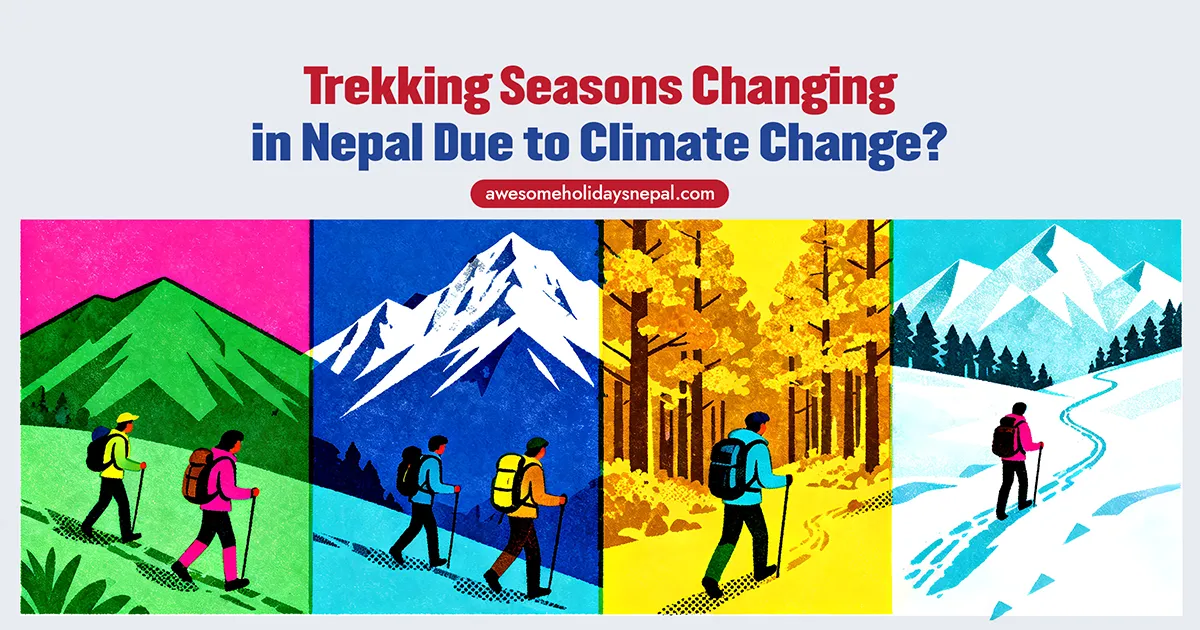
Are Trekking Seasons Changing in Nepal?
The answer is Yes!
Every year, thousands of global adventurers visit Nepal to explore its snow-capped mountain ranges, deep valleys, and be enchanted by towering peaks, pristine trails, and ancient cultures woven into Himalayan landscapes.
The trekking patterns and seasons are transforming due to rising temperatures, unpredictable weather patterns, and shifting snowlines from the majestic trails of the Annapurna circuit to the iconic trekking trails of EBC.
In this blog, we will describe in detail Are Trekking Seasons Changing in Nepal? So that travel adventure can be planned wisely in the upcoming days.
Traditional Trekking Seasons in Nepal
Historically, Nepal’s trekking has two main or peak seasons.
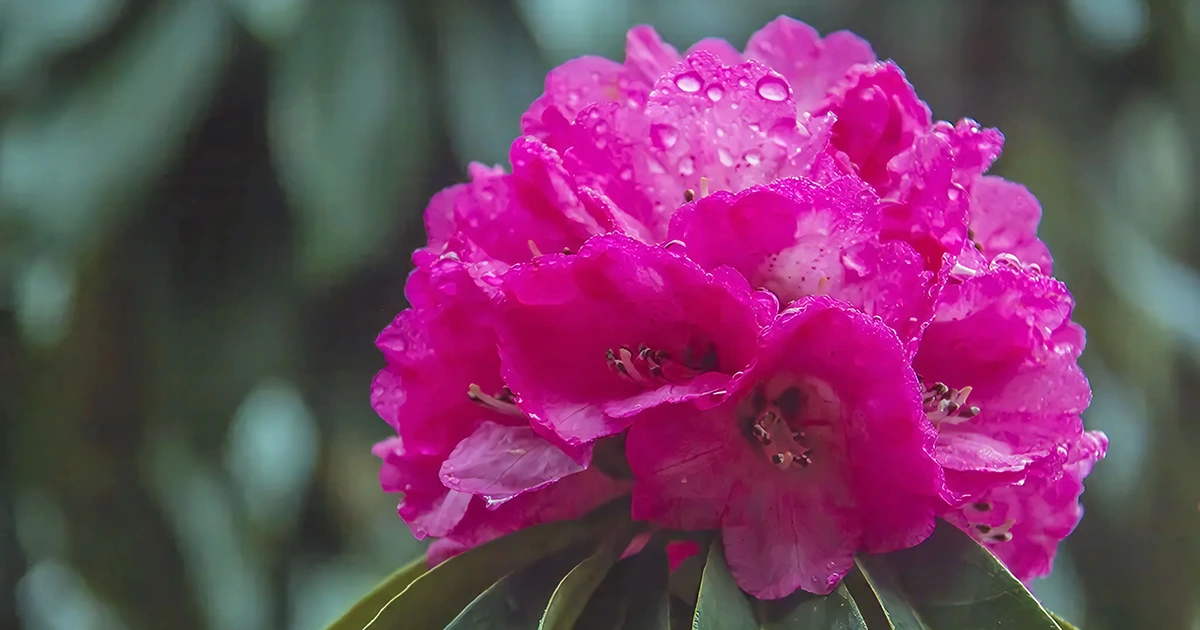
Spring (March to May)
This season is characterized by clear skies, blooming rhododendrons, and moderate temperatures.
Autumn (September to November)
In this season, there is stable weather and dramatic mountain views, which make it a peak tourist season.
During this season, planning a trek is predictable and safe. But today, we must again ask: Are trekking seasons changing in Nepal? The evidence suggests directly that it’s tied to climate change.
Off-Season Trekking in Nepal
The off-season trekking is not favorable as there are high chances of snowfall and rain-soaked trails. This will make you suffer from ankle pain, sprain, and leg injury from slippery trails, followed by being more susceptible to altitude sickness.
- Winter (December to February)
- Monsoon (June to August)
Are Trekking Seasons Changing in Nepal and How?
The climate of the Himalayas is warming faster than many other regions in the world. It’s been reported that glaciers are retreating, snowfall patterns are also shifting, and monsoon rains are arriving at unexpected times. These alarming changes in warming don’t just impact snow and ice; they also affect the pristine trails of the Himalayas with an unpredictable weather shift.
Also, it affected the flow of rivers, which increases the risk of landslides and soil erosion, which will surely risk the lives of trekkers and the experience they want to get from the trekking trails of the Himalayas.
As these environmental changes gain momentum, so too does the pressing question: Are trekking seasons changing in Nepal? and how it is reshaping the trekking season in the Himalayas is mentioned below:
Warmer Temperatures at High Altitude
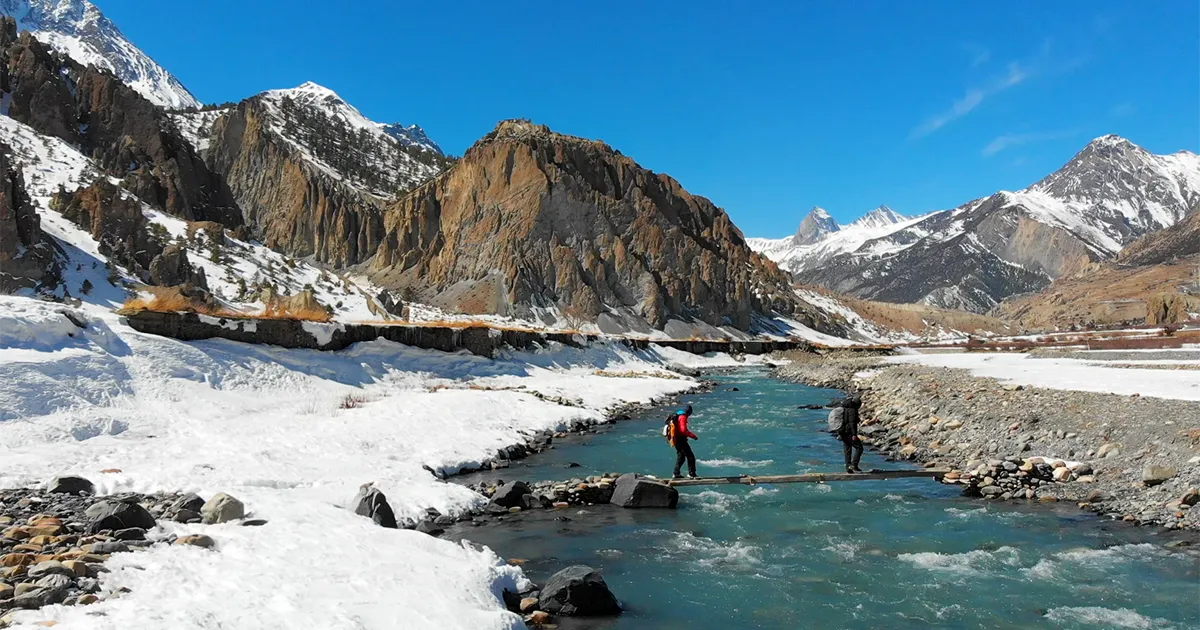
Trekking seasons are changing in Nepal, as you can see, there is an increasing temperature at high elevations, like the upper region of the EBC trek, or in the Upper Mustang Trek. Due to the melting of glaciers, there are shorter snow seasons, and earlier snowline retreats are resulting in unpredictable trail conditions.
Similarly, the unstable terrain makes increased chances of rockfall, soil erosion, and landslides which will surely impact when and how trekkers can safely traverse key regions of the Himalayan trekking trails.
Altered Monsoon and Rainfall Patterns
Traditionally, the monsoon season (June to August) is considered as a clear off-season. But now, rainfall timing and intensity are shifting which make it harder to define safe trekking windows and raise a crucial concern: Are trekking seasons changing in Nepal due to an unpredictable monsoon?
According to the Mountaineering guides, the late monsoon rains starts creeping into autumn season while there is shorter winter snow cover. You may even experience a sporadic rainfall during spring season. This will suddenly impact the old trekking boundaries in Nepal.
Retreating Glaciers and Snowline Changes
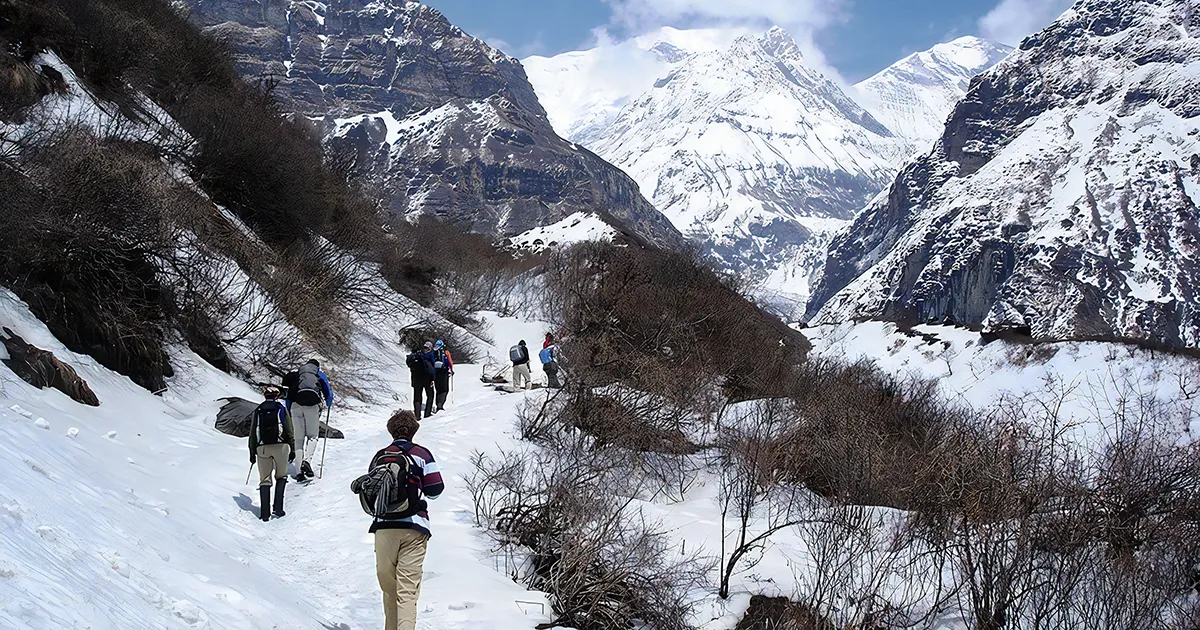
There is an alarming rate of melting of glaciers in the Himalayas. This changes snow coverage on high-altitude routes, as you can see snow-free trails when arriving earlier in spring, followed by the reduction of snowpack that once protected trails from avalanches.
There is an increased risk of outburst flood as glacial lakes are growing larger. The landscape is also playing a role when talking about the rising question again: Are trekking seasons changing in Nepal?
Trail and Pass Accessibility
There is blockage of trails due to ice even in early Spring in the high passes like Thorong La, Cho La, and Renjo La. It used to get blocked only in the early winter before, which proves that spring trekking windows are shifting.
The Autumn trekking windows are becoming less predictable so you have to adjust your trekking season while communicating with local communities and guides.
This shift directly answers: Are Trekking Seasons Changing in Nepal? The evidence on the ground directly gives the confirmation.
Real Impacts on Popular Routes
The unpredictable weather changes is impacting following Nepal trekking routes and trekkers may experiences following things:
Everest Base Camp and Gokyo Trails
The iconic Himalayan routes like EBC and Gokyo are experiencing shifting weather patterns, with melting glaciers and unpredictable snowfall affecting trekking seasons in Nepal. Local lodges and communities are adapting to protect fragile mountain ecosystems while maintaining safe access for trekkers in the high altitude.
Annapurna Circuits
Changing weather of Nepal Himalayas, have altered traditional trekking windows, bringing heavier rains and occasional trail damage. Due to this, conservation efforts are increasingly in demand which ask for the preservation of the biodiversity for the sustainable tourism.
Langtang Valley
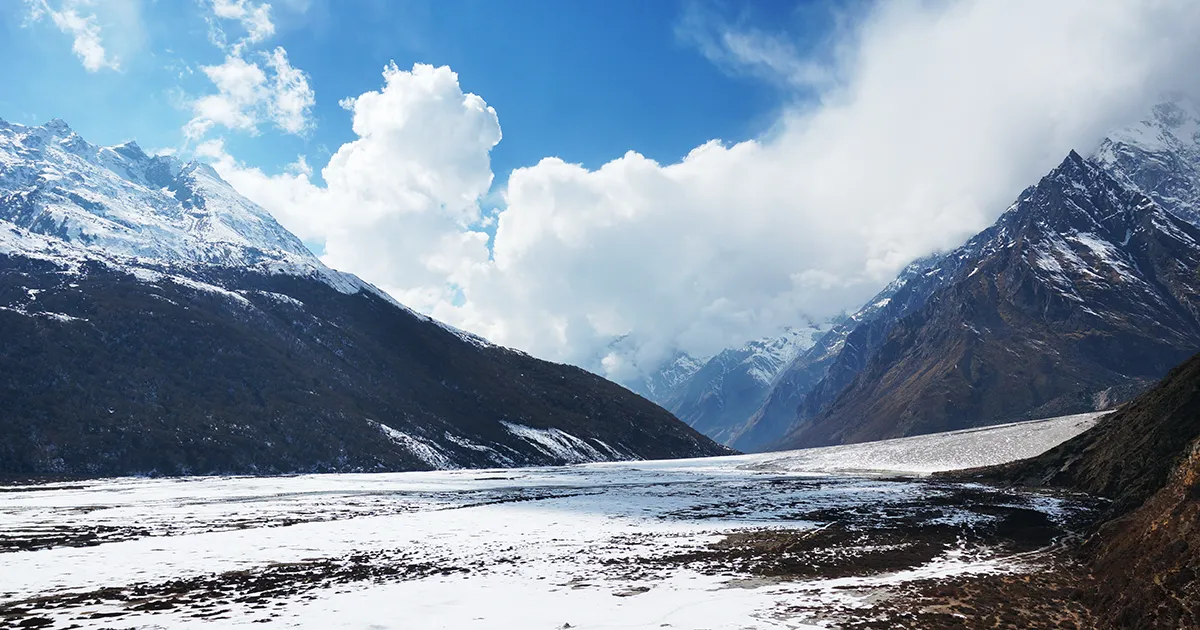
Langtang Valley are still recovering from devastating 2015 earthquake and there is an additional environmental pressures from glacial retreat and landslide risks. Similarly, they are focusing on the community-led rebuilding and eco-tourism initiatives are helping strengthen resilience in this scenic valley as of 2026.
Scientific Insights
The research of Himalayan climatology believes that there is rise of temperature in high altitude region, glaciers have been retreating, followed by the changing pattern of precipitation every year. These effects confirm that trekking seasons are changing in Nepal, and that the Himalayas are on the frontline of climate change impacts.
Changes in Trekking Experiences after 10 Years
A decade from now that in 2036, trekking will retain its timeless appeal, yet the overall experience will continue to transform in Nepal. Climate change impact on trekking seasons with a shifting of spring and autumn arriving earlier or lasting longer, while routes in lower elevations and rain-shadow regions such as Mustang and Dolpo attract more visitors due to stable conditions which will favor the trekking.
At the same time, tea houses and lodges are more likely to adopt renewable energy, improved waste systems, and digital weather updates to support responsible travel enthusiast. Safety and cultural connection will also shape the future of trekking in Himalayas of Nepal.
In addition to this, the advanced tools like satellite communication, drones, and real-time navigation will enhance security on remote trails, while community lodges and homestays will offer deeper cultural engagement. With growing eco-initiatives led by local entrepreneurs, Nepal’s trekking landscape will become more sustainable, resilient, and focused on meaningful experiences for both travelers and local communities.
Practical Tips for Trekkers in 2026
If you are planning to trek to the remote Himalayas of Nepal in the upcoming season and want to help in answering the question, Are trekking season changing in Nepal make sure to keep these things in mind so that you can be a responsible trekkers:
- Always be flexible in terms of booking flights and permits dates. The sudden weather changes might delay your trek.
- You should always plan with local guides as they know more about the global forecasts than you.
- Trekkers should be prepared for snow, wind and rain even in peak season.
- Always monitor with real-time weather apps and local intel as it can prevent dangerous situations.
- Trekkers should always practices a sustainable travel approach like avoiding littering, minimize the use of plastic waste, and proper management to human waste.

Final Thoughts on Shift of Nepal Trekking due to Climate Change
So, are trekking season changing in Nepal answers Yes. The historical peak trekking season like spring and autumn are becoming less predictable due to rise in temperatures, irregular monsoon patterns, reduced snowfall, glacial retreat, and a growing frequency of extreme weather events across the Himalayas of Nepal.
This also affects the local livelihood of the remote reason whose day to day life runs from the tourism and to minimize this adverse effects everyone should focus on sustainable tourism practices, and environmental conservation efforts. Everyone who are planning to visit Nepal in 2026, you should also be aware about these things and should plan according.
If you want better experience in Nepal, Contact Awesome Holidays Nepal, as our certified team member will make sure that, you will have a unforgettable memories.
FAQs
Expand AllAre trekking seasons changing in Nepal?
Yes, trekking season are changing in Nepal.
Does climate change affect visibility and mountain views?
Yes, climate change affect visibility and mountain views.
Can heavier rain increase landslide risk on trekking routes?
Yes, heavier rain can increase landslide risk on trekking routes.
Which trekking conditions become riskier after intense rainfall?
Yes, trekking conditions become riskier after intense rainfall as trails become muddy and slippery.
Can climate change affect domestic flight reliability in the Everest region?
Yes, climate change affect domestic flight reliability in the Everest region.
What are the most common weather-related causes of trek delays?
Low visibility, fog, heavy rainfall and snow, high winds and storms are the most common weather-related causes of trek delays.
Are shoulder seasons becoming more popular for Nepal trekking?
Yes, shoulder seasons trekking in Nepal is becoming more popular. You should trek in late November to early December or late February to early March for more favorable and predictable weather conditions.
Can snowfall timing change the difficulty of high passes?
Yes, snowfall timing certainly changes the difficulty of high passes.
What gear helps most when conditions swing between warm, wet, and cold?
The versatile, moisture management, and rapid adaptability with 3-layer system made up of synthetic or merino wool materials gear will helps most when conditions swing between warm, wet, and cold.
When is rain gear essential even outside the monsoon period?
You will need rain gear if you are exposed to conditions that could lead to rapid cooling of the body, even if the rain is light or unexpected.
What is a rain-shadow trekking area, and why does it matter?
The region located on the leeward side of major Himalayan ranges like Annapurna or Dhaulagiri which stays almost dry, arid, and accessible during the June-to-August monsoon season is called rain-shadow trekking area. It matters because this area make trekking possible even in monsoon season.
Are Upper Mustang and Dolpo suitable when other regions are wetter?
Yes, Upper Mustang and Dolpo suitable when other regions are wetter because it is a rain-shadow area of Nepal.
Should I choose a flexible itinerary over a fixed itinerary?
Yes, choosing a flexible itinerary over a fixed itinerary is very recommended in Nepal.
What travel insurance features matter for weather disruption?
You travel insurance must features Trip Cancellation/Interruption policy to get reimbursed in case of weather disruption.
What is the safest response if landslides block a trail segment?
The safest response if landslides block a trail segment is you should move uphill and do not try to cross the landslide segment.
How can I reduce my environmental impact while trekking in Nepal?
You can reduce environmental impact while trekking in Nepal by:
- Zero use of plastic waste.
- Avoid littering in the trekking trails.
- Always pass human secretion only in designated areas.
- Do not pollute the rivers, streams, and lakes.
Are there official Nepal sources for climate trends and publications?
Department of Hydrology and Meteorology (DHM), Nepal Climate Change & Development Portal,
Nepal Climate Change Knowledge Management Center (NCCKMC) Central Bureau of Statistics (CBS) are some of the official Nepal sources for climate trends and publications.
Why do buffer days matter more now for Himalayan treks?
Buffer days matter more now for Himalayan treks because there is increased climate unpredictability, and there is more frequent, severe weather disruptions to remote airstrips like Lukla, followed by the higher risks of trail-blocking landslides or snow. Also you should add extra 2 to 3 days for proper acclimatisation.
How can I balance clear-sky goals with lower-crowd timing?
Travelling in shoulder season (late November to early December or late February to early March) help you balance clear-sky goals with lower-crowd timing in Nepal.
How do trail conditions change after repeated rain events?
The repeated rainfall makes trails slippery, there will be higher chances of soil erosion, and your gear will get damaged easily. Also, heavy rain bring down the trees and limbs, resulting in blockages of the trekking trails.
Related blog posts
Discover a choice of tourist destinations loved by most of our visitors. Whether you're on a jungle safari to spot rare animals or walking through a world heritage site, these well-planned itineraries cover the major highlights of Nepal.
 call an expert at: