
Trekking Permits in Nepal: 15 Common Mistakes That Delay Your Trek
 Sujata Pokhrel
Trekking permits in Nepal are mandatory to explore the country’s biodiversity, culture, and heritage. If your trekking route crosses any of these, obtain your permits before you start the trek.
Permits in Nepal aren’t just a formality but also a legal requirement and a measure to protect the country’s extraordinary biodiversity, culture, and heritage. From fragile alpine ecosystems to centuries-old monasteries tucked into high valleys, many trekking routes pass through protected zones.
If your route crosses any of these areas, you must obtain the proper permits before you begin your trek. Skipping this step not only risks fines but can also delay your entire journey.
Whether you’re heading toward the glaciers of the Everest Region, circling the diverse landscapes of the Annapurna Region, or venturing into the remote trails of the Manaslu Region, understanding trekking permits is the first step toward a smooth adventure.
Let’s get through the blog to better understand all the different types of trekking permits in Nepal.
Different Types of Trekking Permits in Nepal
Nepal’s permit system may seem complicated at first glance, but each permit serves a specific purpose: conservation, heritage protection, safety tracking, or border regulation.
TIMS Card
Also known as the Trekkers Information Management System, this card was introduced to maintain a record of trekkers for safety and management purposes. It helps authorities track trekkers in case of emergencies and ensures regulated tourism practices.

While some regions have replaced TIMS with local permits, it is still required for certain routes depending on the latest regulations.
National Park Permits
Many popular trekking trails pass through protected national parks. If your trek enters these zones, you must obtain an entry permit. For example, trekking in the Everest region requires entry to Sagarmatha National Park, while other areas may fall under different conservation frameworks.
These permits support conservation efforts, wildlife protection, and environmental sustainability.
Heritage Tour Permits
Some trekking routes cross culturally sensitive heritage sites, ancient monasteries, sacred landscapes, or historically significant areas. Heritage permits ensure that tourism remains respectful and controlled in these regions.
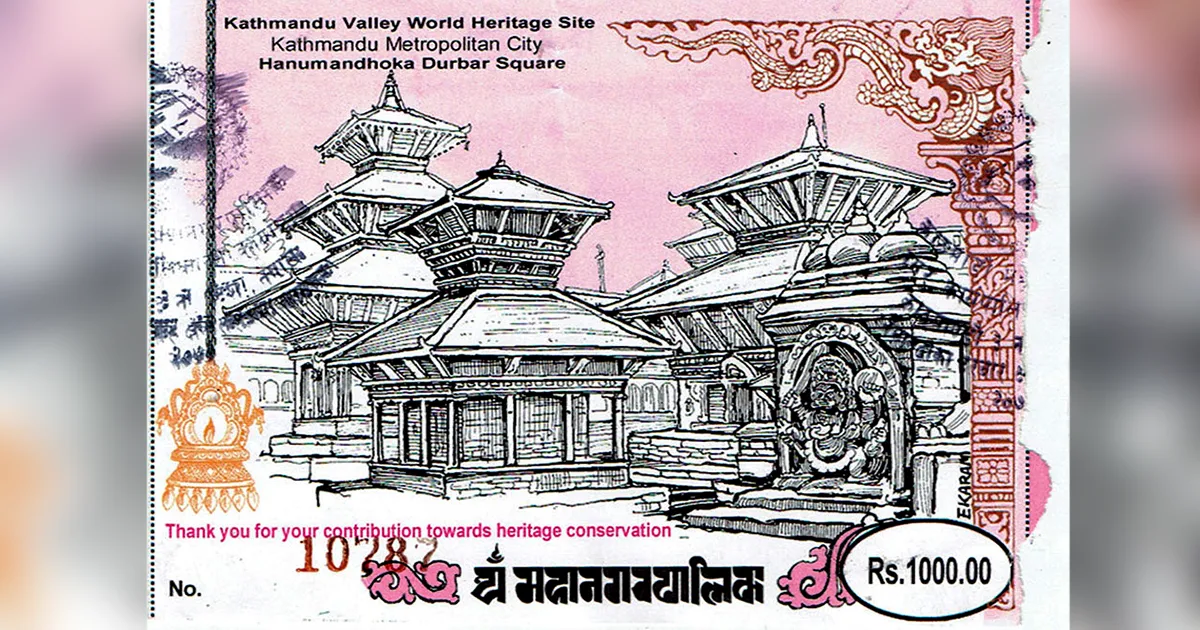
They help preserve Nepal’s living traditions and architectural treasures.
Restricted Area Permits
Certain border areas and remote regions require a Restricted Area Permit. These include destinations like Upper Mustang and Upper Dolpo.
Restricted permits are issued for a fixed number of days and typically require:
- A licensed guide
- A minimum group size
- Processing through a registered trekking agency
These rules exist to protect sensitive border regions and maintain controlled tourism.
Rural Area Entry Permit
Some rural municipalities have introduced local entry permits. These are separate from national park or TIMS requirements and are collected to support local infrastructure and community development.
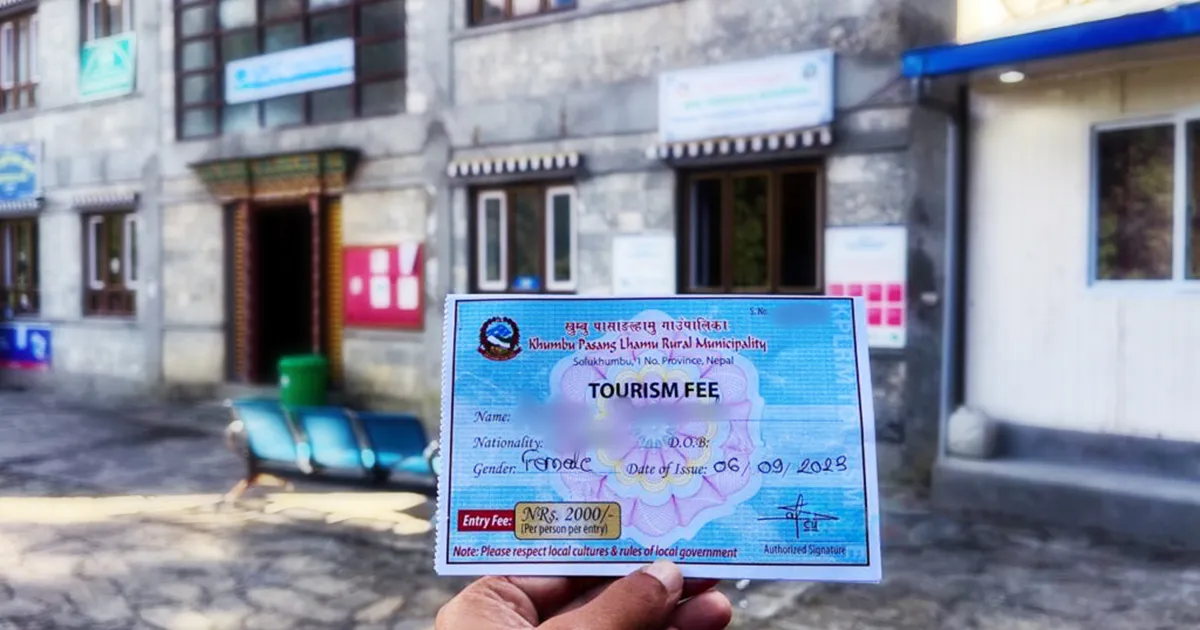
Trekkers are often unaware of these local permits until they reach checkpoints, which can cause unnecessary delays.
Who Issues Trekking Permits in Nepal?
Most trekking permits in Nepal are issued through the Nepal Tourism Board, national park offices, and registered trekking agencies.
For restricted areas, permits must be processed through a government-authorized trekking agency. Solo application is not permitted for these zones. Most trekkers arrange their permits in Kathmandu before heading to the trailhead.
15 Common Mistakes That Delay Your Trek
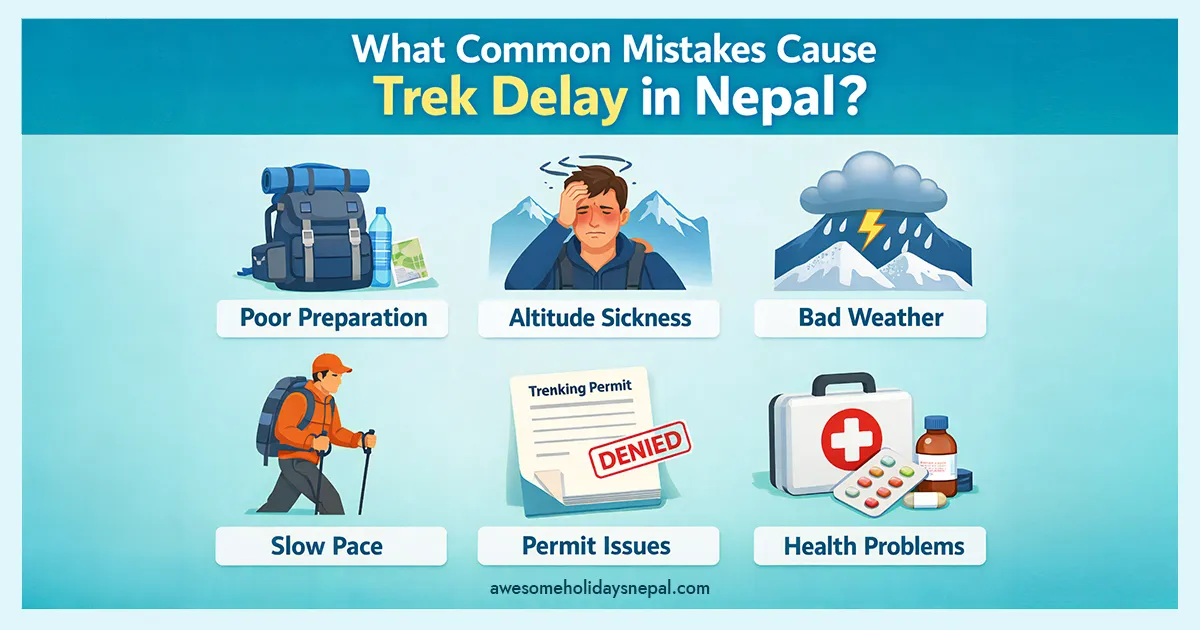
Below are the most frequent permit-related mistakes trekkers make before heading into the mountains. These issues may seem minor in Kathmandu, but they can quickly turn into serious delays once you’re on the trail.
1. Assuming One Permit Works for All
Many trekkers assume that once they obtain a trekking permit, they are covered for the entire country. In reality, Nepal’s trekking regions operate under different administrative systems.
A permit valid in one area may not apply in another. This misunderstanding often leads trekkers to reach the first checkpoint only to discover they are missing a required document.
2. Skipping to Check for Restricted Areas
Some trekking routes pass through restricted or partially restricted zones without trekkers realizing it. Failing to check whether your itinerary enters a restricted area can create last-minute complications.
Restricted permits cannot always be issued instantly and often require special processing through authorized agencies.
3. Forgetting to Carry Passport-Sized Photos
Although Nepal has modernized parts of its permit system, passport-sized photos are still required for certain applications.

Many trekkers arrive at permit offices without photos, assuming digital copies will suffice. This oversight may force you to search for a photo studio, delaying your permit processing.
4. Providing Incorrect Passport Details While Booking
Even small errors, such as a missing letter, incorrect passport number, or wrong nationality, can create administrative problems. Permit documents must exactly match your passport information. Incorrect details may require reissuing permits, costing both time and additional fees.
5. Applying Later During Peak Season
Spring and autumn are Nepal’s busiest trekking seasons. Permit offices can become crowded, and processing may take longer than expected.
Trekkers who apply the day before departure often find themselves waiting in long queues, potentially postponing their planned start date.
6. Trying to Trek Solo in a Restricted Area
Restricted regions legally require trekkers to be accompanied by a licensed guide and, in many cases, to travel in a minimum group size. Attempting to enter such areas alone can result in denied entry at checkpoints, forcing trekkers to return and reorganize their plans.
7. Missing Out on Local Municipality Permits
Some rural municipalities have introduced their own entry permits in addition to national-level requirements. Trekkers unaware of these local permits may be stopped mid-route and required to pay or obtain documentation before proceeding, causing unexpected interruptions.
8. Not Carrying Printed Copies of Permits
Relying solely on digital copies stored on a phone can be risky, especially in remote areas with limited battery charging or network access. Some checkpoints require physical copies.
Without printed documents, trekkers may face delays while officials verify information.
9. Confuse National Park and Conservation Area Permits
National parks and conservation areas operate under different authorities and may require separate permits. Trekkers sometimes assume one permit covers both categories. Discovering otherwise at a checkpoint can mean backtracking to obtain the missing document.
10. Overstaying Restricted Area Permit Validity
Restricted Area Permits are issued for a fixed number of days based on your itinerary. Underestimating trekking time, adding side trips, or encountering weather delays can result in overstaying the permit’s validity, potentially leading to fines or administrative complications.
11. Not Taking Enough Cash
Some permit offices and local checkpoints operate on a cash-only basis. Trekkers who rely entirely on cards may struggle to pay required fees, especially in smaller towns where ATMs are limited or unreliable.
12. Understating Permit Processing Time
Certain permits, especially restricted ones, require document verification and official approval. Assuming they can be processed instantly can disrupt your schedule, particularly if you plan to start trekking immediately after arrival.
13. Processing Through Unregistered or Fake Agencies
Choosing an unverified or unofficial trekking agency to save money can result in improperly processed permits. Invalid documentation may not be accepted at checkpoints, potentially forcing trekkers to return to Kathmandu to correct the issue.
14. Leaving Everything to Your Guide
While guides often assist with permit arrangements, assuming everything has been handled without confirmation can be risky. Miscommunication or misunderstandings about responsibilities may leave important documents incomplete.
15. Not Checking Updated Regulations
Trekking regulations in Nepal can change., periodically, especially those regarding local permits and restricted areas. Relying on outdated blogs, forums, or secondhand information may lead to incorrect assumptions about permit requirements. Arriving unprepared due to outdated knowledge can cause unnecessary delays.
How To Avoid Trekking Permits-Related Mistakes?
Preparation is what separates a smooth trekking experience from a stressful start. Most permit-related problems in Nepal do not happen because the system is overly complicated; they happen because of assumptions, rushed planning, or incomplete information. A little organization before your trek can save you hours, and sometimes even days, of unnecessary delay.
Here is a practical and realistic checklist to help you stay ahead:
- Confirm all required permits for your route
- Bring passport photos
- Double-check passport details
- Carry enough local currency

- Print all permit copies
- Allow time in Kathmandu for processing
- Work with registered agencies when required
Not Obstacle But Safeguards
Trekking permits in Nepal are not obstacles; they are safeguards. They protect fragile ecosystems, preserve cultural heritage, regulate tourism, and ensure your safety in remote terrain.
Yes, the system may feel layered at first. But once you understand which permits apply to your trek and plan accordingly, the process becomes straightforward.
Handle your paperwork properly, and you’ll avoid unnecessary stress, leaving you free to focus on what truly matters: mountain air, dramatic landscapes, welcoming villages, and the unforgettable experience of trekking in Nepal.
Stay prepared, trek safe!
FAQs
Expand AllWhat trekking permits are required in Nepal?
The required permits depend entirely on your trekking route. Some routes require only one permit, while others require multiple. In general, trekkers may need:
- A TIMS card (where applicable)
- A National Park or Conservation Area Entry Permit
- A Restricted Area Permit (RAP) for controlled zones
- A local or rural municipality permit in certain regions
What’s the difference between a national park entry permit and a restricted area permit?
A national park entry permit allows you to enter protected environmental zones and supports conservation efforts. A restricted area permit is issued for sensitive border or culturally protected regions and is subject to stricter rules, including guide requirements and limited duration validity.
What is TIMS and who issues it?
TIMS (Trekkers’ Information Management System) is a tracking system designed to monitor trekkers for safety and administrative purposes. It is issued through the Nepal Tourism Board or through registered trekking agencies.
Is TIMS required on all trekking routes?
No. Some regions have replaced TIMS with local entry permits. Requirements vary depending on current regulations and the specific trekking area.
Can I get a TIMS card without going through a trekking agency?
For routes where independent trekking is permitted, individual TIMS cards can sometimes be obtained directly from the permit office. However, for restricted regions or certain routes requiring guides, TIMS is processed through registered agencies.
What documents are commonly required for permit processing?
You typically need a valid passport, a Nepal visa, passport-sized photographs, and sometimes your trekking itinerary details for processing your permit.
How many passport photos should I carry for permits?
It is advisable to carry at least 2–4 recent passport-sized photos to cover different permit applications.
Where do I apply for trekking permits in Kathmandu?
Most permits are issued through the Nepal Tourism Board office in Kathmandu. Restricted area permits are processed through registered trekking agencies and approved by the relevant government department.
Where do I apply for trekking permits in Pokhara?
Some conservation area permits and TIMS cards can also be issued in Pokhara at designated tourism offices or through registered agencies operating there.
Can I apply for any trekking permits online?
Most trekking permits in Nepal still require in-person processing or agency handling. Fully independent online applications are limited and not available for restricted area permits.
Which permits must be carried on the trail and shown at checkpoints?
All permits relevant to your trekking region must be carried physically and shown at checkpoints. This includes park entry permits, restricted permits, and local entry permits.
What happens if I arrive at a checkpoint without the correct permit?
You may be denied entry, fined, or required to return to the nearest administrative center to obtain the correct documentation, causing significant delays.
Can trekking permits be transferred to another person?
No, you can’t. Trekking permits are non-transferable and are issued specifically under your passport details.
Are trekking permits refundable if my plans change?
Generally, trekking permits are non-refundable once issued, even if your itinerary changes or you cancel your trek.
What’s a common mistake with permit dates for restricted areas?
Trekkers often underestimate the number of days required and exceed the permitted duration. Restricted permits are issued for fixed dates, and overstaying can result in fines.
Do restricted area permits require a registered trekking agency?
Yes. Restricted area permits must be processed through a government-registered trekking agency and require a licensed guide.
Where are restricted area trekking permits issued in Nepal?
Restricted permits are typically issued through authorized agencies in Kathmandu and approved by relevant government departments.
What is the most common documentation error that causes a permit delay?
Incorrect passport numbers or spelling errors in names are among the most frequent causes of processing delays.
What should match exactly across passport, visa, and permit forms?
Your full name, passport number, nationality, and validity dates must match exactly on all documents.
Do I need to pay permit fees in Nepalese currency?
Yes, many permit offices and checkpoints require payment in Nepalese rupees, especially outside major cities.
Can public holidays delay permit issuance?
Yes. Government offices close on public holidays and certain weekends, which can delay permit processing.
Can I buy park entry permits at entry points?
In some national parks, entry permits may be available at park gates. However, this is not guaranteed for all regions, and restricted permits cannot be issued at entry points.
What’s the risk of relying on outdated permit info from forums?
Regulations change periodically. Outdated information may cause you to obtain incorrect permits or miss new requirements, leading to delays at checkpoints.
What is the guide requirement linked to TIMS issuance on many routes?
On many routes, TIMS is tied to whether you are trekking independently or with a guide. In restricted areas, a licensed guide is mandatory for permit issuance.
What’s the best time buffer to allow for permit fixes before departure?
It is wise to allow at least one full working day in Kathmandu to resolve any documentation errors or missing permits before departure.
Do I need different permits if I add side trips to my itinerary?
Yes, if side trips enter additional protected or restricted zones, separate permits may be required.
What’s the difference between local permits and national park permits in the Everest region?
In the Everest area, trekkers typically require a national park permit for Sagarmatha National Park and may also need a local municipal permit issued by the Khumbu local authority. These are separate and serve different administrative purposes.
What permits are commonly referenced for Everest-area trekking?
Trekkers commonly require a Sagarmatha National Park entry permit and a local Khumbu area permit.
What permits are commonly required for the Manaslu region?
Manaslu typically requires a Restricted Area Permit, the Manaslu Conservation Area Permit, and sometimes the Annapurna Conservation Area Permit depending on the route.
Does Manaslu require TIMS according to AHN’s permit guidance?
According to current guidance commonly referenced by agencies, TIMS is generally not required for Manaslu when a Restricted Area Permit is issued through a registered agency.
What should I do if my permit details are wrong after issuance?
Report the error immediately to the issuing office or agency before starting your trek. Corrections are much easier to resolve in Kathmandu than on the trail.
What backup copies should I carry (paper vs digital) for checkpoints?
Carry printed copies of all permits in a waterproof folder, along with digital backups stored securely on your phone.
Who can legally request to see my trekking permit during the trek?
Authorized officials at park checkpoints, conservation offices, immigration or security posts, and designated local authorities can legally request to verify your permits.
What is considered a violation regarding trekking outside the permitted route area?
Entering a restricted zone without authorization, deviating significantly from the declared itinerary in controlled areas, or overstaying the permitted dates may be considered violations under trekking regulations.
Related blog posts
Discover a choice of tourist destinations loved by most of our visitors. Whether you're on a jungle safari to spot rare animals or walking through a world heritage site, these well-planned itineraries cover the major highlights of Nepal.



 call an expert at: