
How Much Money to Carry on The Annapurna Trek: Hidden Costs You Should Know
 Sristi Adhikari
When planning for the exploration of the Annapurna region, one of the most popular questions every trekking enthusiasts ask is: How much money to carry on the Annapurna trek?
Most trekking packages include permits, meals, and accommodation during the trek with a licensed guide, but there are hidden costs trekkers should consider, such as buying drinking water, snacks, tipping, and other services at teahouses and lodges. Having extra money is very important, as it helps you buy everything during the trails, from snacks to souvenirs from local handicraft shops in the Annapurna region.
Also, when exploring the remote region around Annapurna, you should budget appropriately, as there are no ATMs at higher altitudes, and those that are in service may be out of order. Let’s break down how much money to carry on the Annapurna trek, with a detailed discussion to uncover hidden costs and help you prepare your budget wisely for 2026.
Hidden Costs Of the Annapurna Trek
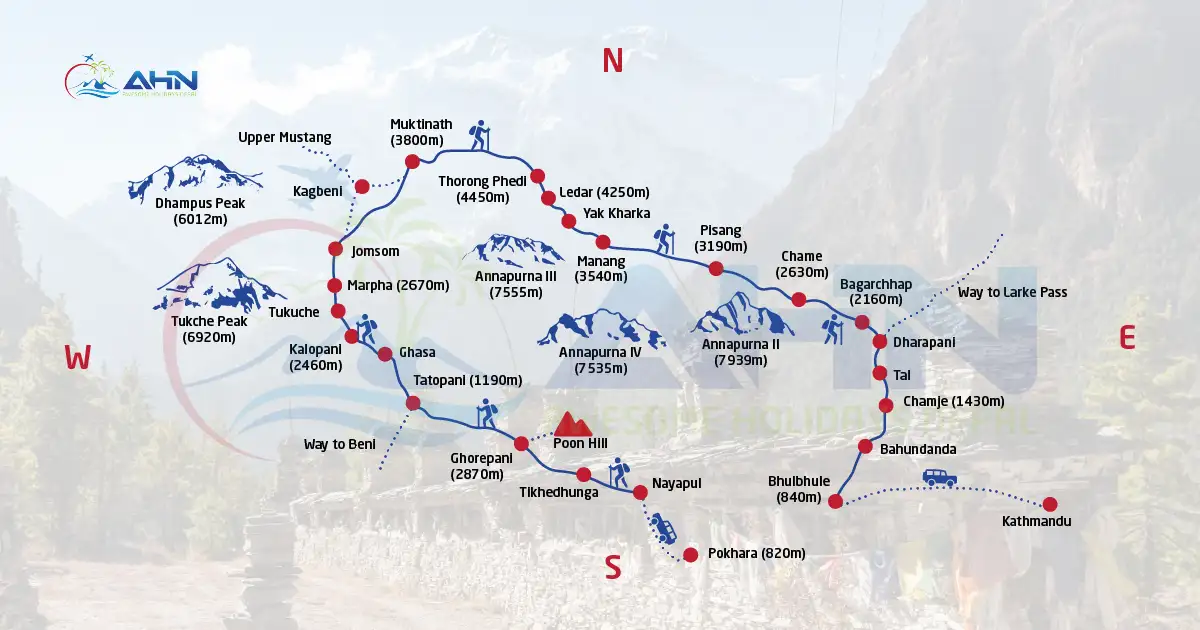
When estimating how much money to carry on the Annapurna trek, many trekkers only think about permits and accommodation. However, the hidden costs can quickly add up. The Annapurna regions offer trekking areas like:
- Annapurna Base Camp Trek
- Classic Annapurna Circuit Trek
- Mardi Himal Trek
- Ghorepani Poon Hill Trek
You should pay extra charges for services like charging electronic devices, Wi-Fi access, hot showers, extra snacks, donations, and tips. You should know about these extra expenses when calculating how much money to carry on the Annapurna trek realistically in 2026.
Tipping and Gratitude
Tipping is customary in the trekking culture of Nepal. When hiring a licensed trekking guide or porter in the Annapurna Conservation Area, every trekker should show appreciation to their companion through tips.
Also, tipping the teahouse’s staff is highly recommended. So, when planning how much money to carry on the Annapurna trek, don’t forget to include tipping as a significant hidden expense.
- Tipping rates for guides: USD $25 to $35 per day.
- Tipping rates for Porters: USD $15 to$25 per day.
- Tipping rates for the teahouse’s staff: NPR 100 to 200 per day.
Drinking Water and Snacks
Hydration is key to the success of trekking in the Annapurna region, whether it is for the ABC trek or Annapurna Circuit trek, and so on. You have to buy water bottles to quench your thirst, and even though you are not thirsty, walking at high altitude makes you dehydrated easily.
Snacks like chocolate bars, energy bars, and chips are also expensive in the Annapurna trekking trails. To estimate how much money to carry on the Annapurna trek, allocate $7–$12 per day for water and snacks unless you carry purification tablets or a filter.
- Bottled water costs at lower altitudes (Pokhara, Besisahar, Ghorepani, etc.): NPR 100 to 150
- Bottled water costs at higher altitudes(Thorong La Pass, Tilicho, etc.): NPR 200+
- Snack costs: NPR 100+

Hot Showers, Wi-Fi, Mobile Data, and Charging
In the Annapurna region, hot showers and device charging are considered paid extras rather than included amenities in most teahouses. A hot shower costs, and phone charging fees in teahouses, cameras, or power banks also rise with the altitude.
Also, you have to pay for Wi-Fi fees on the Annapurna trek, but the access can be slow or unreliable at higher elevations like Annapurna Base Camp or Thorong Phedi.
Although these fees may seem small, they add up quickly on longer treks. You can also use a data network, where you have to pay NPR 200 to300, and data packs range from 5GB for NPR 300 to 10GB for NPR 500, valid for 30 days.
If you shower and charge devices daily, this can significantly increase your total trekking budget.
There are no ATMs once you’re on the trail, so you have to have sufficient amount of money for the trekking period. Trekkers should allocate the following amount for:
- Teahouse Hot shower price in Annapurna: NPR 200 – 500+ per shower (USD $2 to $4)
- Wi-Fi: NPR 200 to 500 for a day (USD$2 to $4)
- Charging: NPR 100- 400 (USD $1 to $3) per device.
- Mobile data: 5GB for NPR 300 to 10GB for NPR 500
Cultural Contributions
In villages near sacred areas like Muktinath Temple, trekkers sometimes offer small donations as per their choice. If you are interested, you can donate to the construction of the Monasteries, schools, and local projects, which accept voluntary contributions.
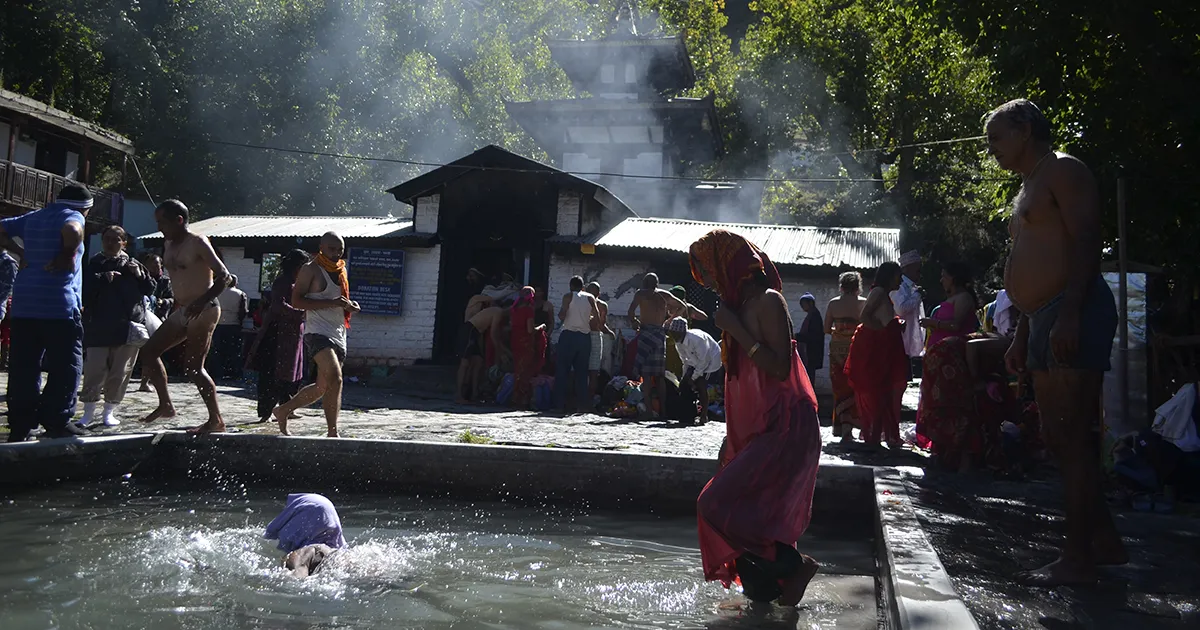
Trekkers should estimate an additional budget of USD $10 to $30 for cultural contributions when calculating how much money to carry on the Annapurna trek.
Currency and ATM Limitations
ATMs are available in towns like Pokhara and Besisahar, but once you ascend higher, access becomes limited or nonexistent. Trekkers should also consider that there may be certain limits on ATM withdrawals.
Sometimes, the ATM may run out of cash, and there is no acceptance of payment via card or online transaction. Therefore, when deciding how much money to carry on the Annapurna trek, it’s safer to carry enough Nepalese rupees in cash before starting.
Gear Purchase and Rental
When trekking to the remote region of Annapurna, it demands the need proper trekking gear. So, you have to buy or rent trekking gear in Kathmandu or Pokhara. Himalayan weather is uncertain; you have to pack everything, like a down jacket, a sleeping bag, trekking poles, rain gear, and gloves, when trekking to the Annapurna.
If you are a regular trekking enthusiast, you will have your own gear, but those who enjoy trekking once in a while, you should rent the gear. Allocate the USD $30–$100 for gear rental or last-minute purchases when calculating how much money to carry on the Annapurna trek in 2026.
Domestic Flights Cancellations and Delays
If you are doing the Annapurna trekking and want to return via flights from Jomsom, then Flights between Kathmandu and Jomsom are frequently delayed or canceled due to strong winds and unpredictable mountain weather.
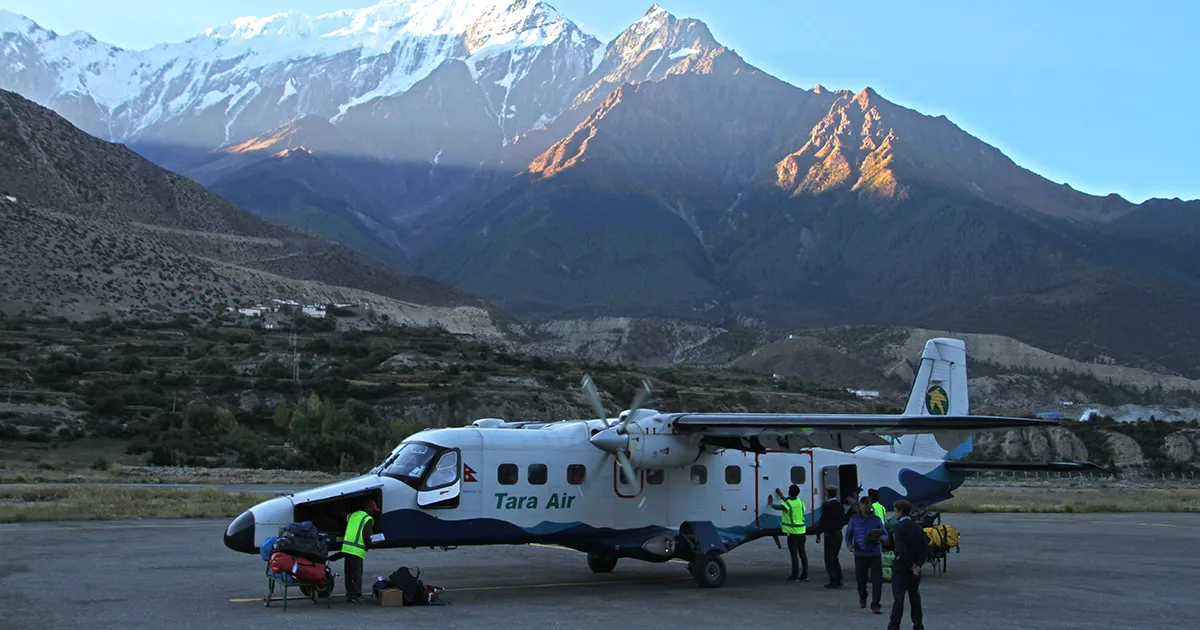
Trekkers have to face unexpected costs such as extra hotel nights, additional meals, and last-minute rebooking fees. Sometimes, you have to pay for alternative transport like a jeep ride, which can be significantly more expensive and time-consuming. These weather-related disruptions are a common hidden cost on the Annapurna trek; every trekkers should consider if they are returning via flights.
How much money to carry on the Annapurna trek in total?
You should carry enough for your daily expenses plus a safety buffer for emergencies, especially if weather delays your descent. In total, trekkers should allocate a budget of around USD $800 to $1000+ per person for multiple-week treks to the Annapurna region.
It also depends on how much money you like to spend on extra services and munching habits during the trek.
Summing Up the Hidden Cost of the Annapurna Trek
When trekking to the mountain of the Annapurna, you will get breathtaking views of the remote trails, insights into the culture and traditions of local communities, followed by the unique and friendly hospitality.
Besides these, there are things you need to consider when trekking to the remote trails, as small expenses quickly add up, and poor planning can create stress during your adventure.
Trekkers should consider trek duration, hiring a guide or porters, comfort level, and extra emergency expenses, which determine how much money to carry on the Annapurna trek. Allocation of extra USD $800 to $1000+ per person will help you cover the hidden expenses of the trip.
Your journey will be filled with an unforgettable Himalayan experience and good memories if you book a trek to the Annapurna region with us, Awesome Holidays Nepal, in 2026.
FAQs
Expand AllWhat are the most common hidden costs when trekking in Annapurna?
The most common hidden costs when trekking in Annapurna are:
- Tipping culture
- Wi-Fi and Charging Devices
- Hot showers
- Flight delays and Cancellation
- Drinking water and snacks
How much money should I carry for an Annapurna trek each day?
You should carry USD $50+ per person for each day of the Annapurna trek.
Are Annapurna trek permits included in most trekking packages?
Yes, Annapurna trek packages include required permits such as the Annapurna Conservation Area Permit (ACAP) and the Trekkers’ Information Management System (TIMS) card.
How much do hot showers cost on the Annapurna trails?
Hot showers on the Annapurna trails typically cost between NPR 200 to NPR 500 +.
Is Wi-Fi free in teahouses on the Annapurna Circuit and ABC trek?
No. Wi-Fi is not free in the teahouses of the Annapurna Circuit and ABC trek.
Why is bottled water so expensive on the Annapurna trek?
Bottled water is so expensive on the Annapurna trek because all supplies must be transported to high altitud which makes the price high.
Are there cheaper alternatives to bottled water on Annapurna treks?
Yes, there are cheaper alternatives to bottled water on Annapurna treks, like using a water purification tablet, using portable water filters, buying hot water, and refilling your bottle.
How expensive is food and snacks at higher altitudes in Annapurna?
The food costs NPR 400-800, and snacks cost NPR 100+ at higher altitudes in Annapurna.
Do teahouses charge extra for blankets or room heating?
Yes. Teahouses charges extra for blankets or room heating.
Are there ATM facilities on the Annapurna trekking routes?
Yes, there are ATM facilities on the Annapurna trekking routes, like in Besishahar, Jomsom, and Chame. In comparison to Besishshar, Chame, and Jomsom, ATM are very unreliable.
Is travel insurance mandatory for trekking in the Annapurna region?
Yes, travel insurance is mandatory for trekking in the Annapurna region.
Does trekking insurance need to include helicopter rescue coverage?
Yes, trekking insurance needs to include helicopter rescue coverage over 6000 m.
How much does helicopter rescue cost if insurance doesn’t cover it?
The helicopter rescue costs USD $10,000 to $15,000 if insurance doesn’t cover it.
How much extra should I budget for contingency or rest days?
You should budget USD $30–$50 per day for contingency or rest days.
What are the hidden costs of hiring a guide or porter in Annapurna?
The hidden cost of hiring a guide is around USD $5 to $10 USD per day per guide.
How much should I tip guides and porters on an Annapurna trek?
You should tip guides around USD $25 to $35 per day, and for porters give USD $15 to$25 per day as a tip.
Are there extra costs for solo trekkers in the Annapurna region?
Yes, there are extra costs for solo trekkers in the Annapurna region.
Is trekking Annapurna independently cheaper than a guided trek?
Trekking in Annapurna independently is rectricted and you have to hire a guide even though you want to do a solo trek.
Are Annapurna treks more expensive in October and November?
Yes, Annapurna treks are generally more expensive in October and November as it is considered peak season.
Do trekking packages include meals on travel days?
No. Trekking packages do not include meals on travel days, but they offer them only on trekking days and in the arrival and farewell dinner.
Related blog posts
Discover a choice of tourist destinations loved by most of our visitors. Whether you're on a jungle safari to spot rare animals or walking through a world heritage site, these well-planned itineraries cover the major highlights of Nepal.



 call an expert at: