
Cultural Experiences Along Nepal’s Trekking Routes: What You’ll See, Do, and How to Do It Respectfully
 Sujata Pokhrel
Trekking routes in the Himalayas aren’t just about crossing suspension bridges, climbing stone staircases, or reaching a dramatic viewpoint above the clouds. The cultural experiences along Nepal’s trekking routes are just as powerful as the mountain panoramas themselves. In many ways, they are what make a trek in Nepal unforgettable.
Whether you are walking through the alpine villages of the Khumbu region or passing terraced hillsides in the Annapurna region, you are stepping into living communities with deep-rooted traditions. In the lowlands of southern Nepal, Tharu culture shapes daily life. In the mid-hills, you’ll encounter a blend of ethnic groups with distinct customs.
As you ascend to higher elevations, Tibetan-influenced Sherpa culture becomes increasingly visible in architecture, religion, clothing, and everyday rhythms. Let’s review the blog to better understand how to enjoy cultural experiences along Nepal’s trekking routes.
Cultural Diversity Along Nepal’s Trekking Routes
Nepal is small in size but astonishingly diverse. Within a single trekking itinerary, you might move through several ethnic communities, each with its own language, attire, beliefs, and traditions. The country officially recognizes over 100 ethnic groups and more than 120 languages.
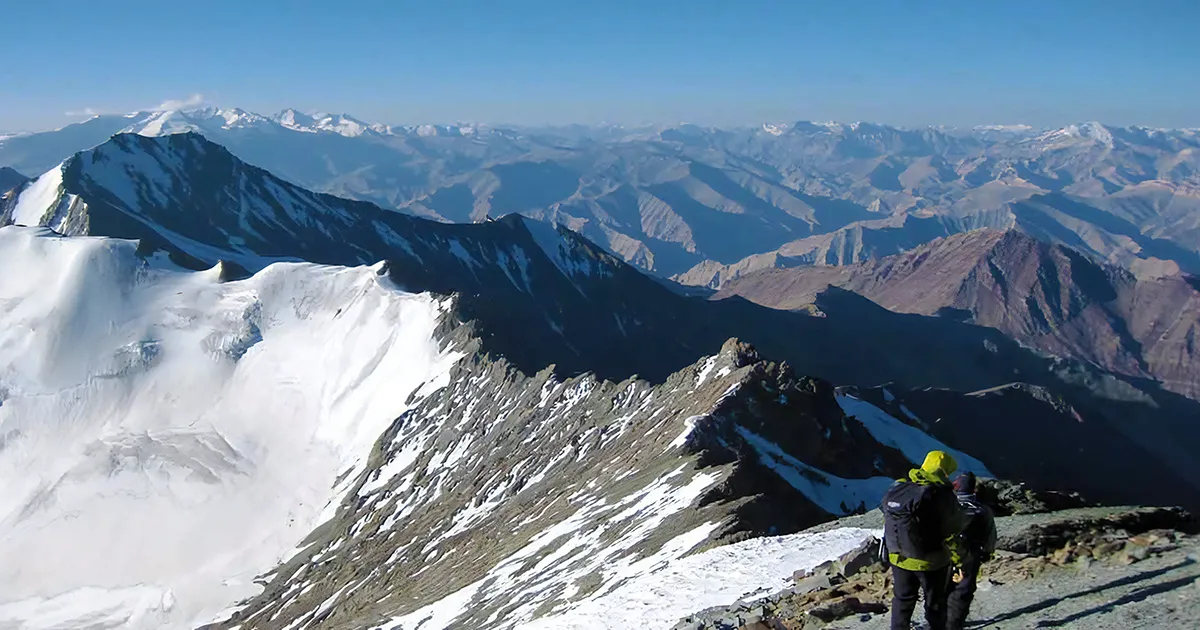
This diversity is especially visible along trekking corridors, where geography has shaped culture for centuries. Mountain isolation preserved certain traditions, while trade routes introduced others. As a result, trekking in Nepal often feels like traveling through different cultural worlds layered across altitude.
Ethnic Communities in Different Regions
The ethnic communities in different regions along the trekking trails in Nepal are as diverse as the landscapes, biodiversity, and the experiences. Here’s how the ethnic communities are spread out along the trail:
Tharu (Lowland Terai)
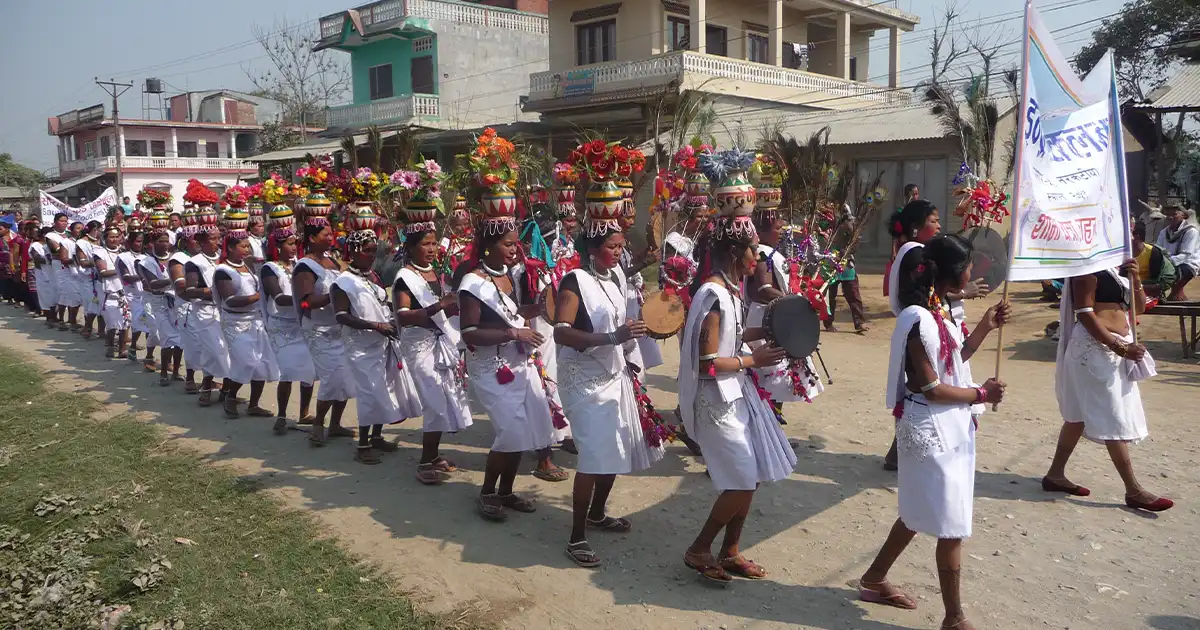
In the southern plains near Chitwan and Bardiya, the Tharu people have a rich cultural identity tied to agriculture and forest life. Their mud houses, vibrant murals, and traditional stick dances are distinctive features of the region.
Gurung & Magar (Annapurna and Mid-Hills)
In the Annapurna region and surrounding hills, Gurung and Magar communities are prominent. Known historically for their service in the Gurkha regiments, they also maintain strong village traditions, communal gatherings, and seasonal festivals.
Sherpa (Everest/Khumbu Region)
Higher up in the Khumbu, Sherpa culture dominates. Of Tibetan origin, Sherpas practice Tibetan Buddhism and have a strong spiritual connection to the mountains.
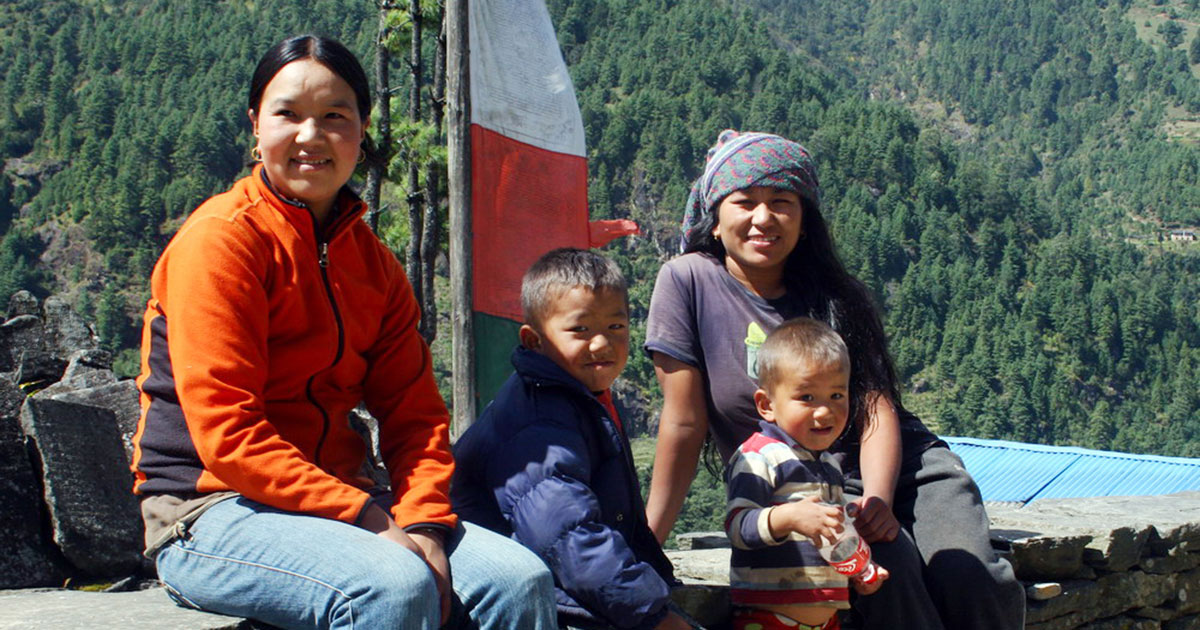
Their monasteries, prayer flags, and carved mani stones define the landscape.
Tamang (Langtang Region)
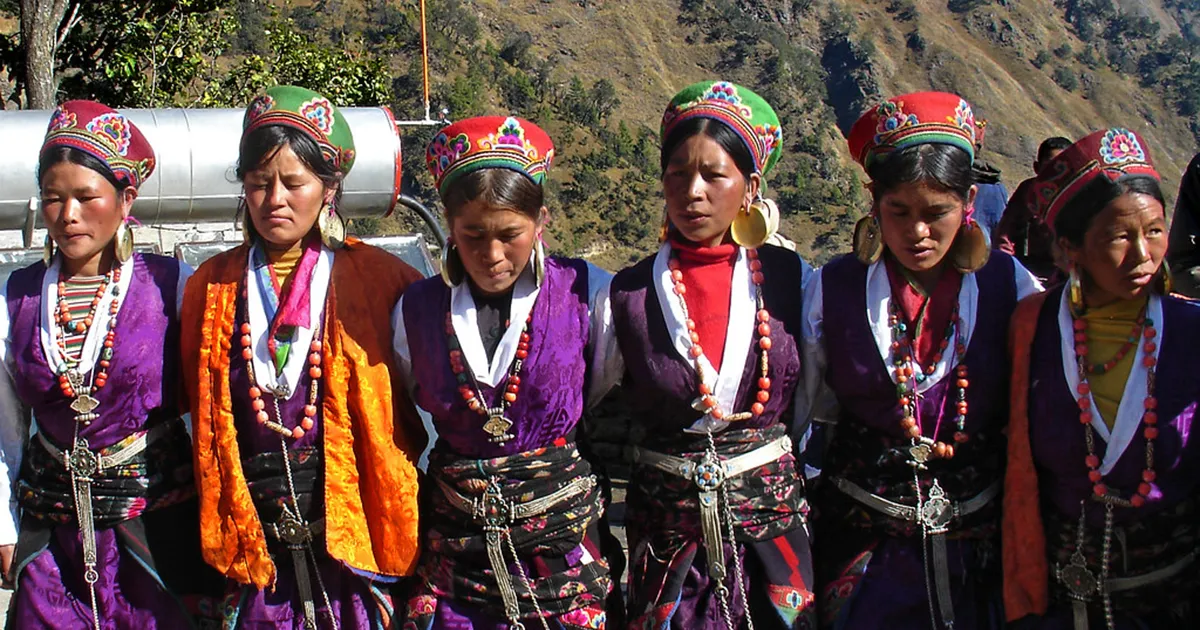
The Tamang people, found in Langtang and nearby areas, share close cultural and linguistic ties with Tibetan communities. Their Buddhist traditions, traditional songs, and circular stone villages are distinctive.
Thakali (Mustang and Kali Gandaki Valley)
The Thakali community is known not only for its entrepreneurial spirit but also for its renowned cuisine. Their cultural identity reflects centuries of trade between Tibet and Nepal.
Tibetan-Influenced Communities (Manaslu, Upper Mustang, Dolpo)
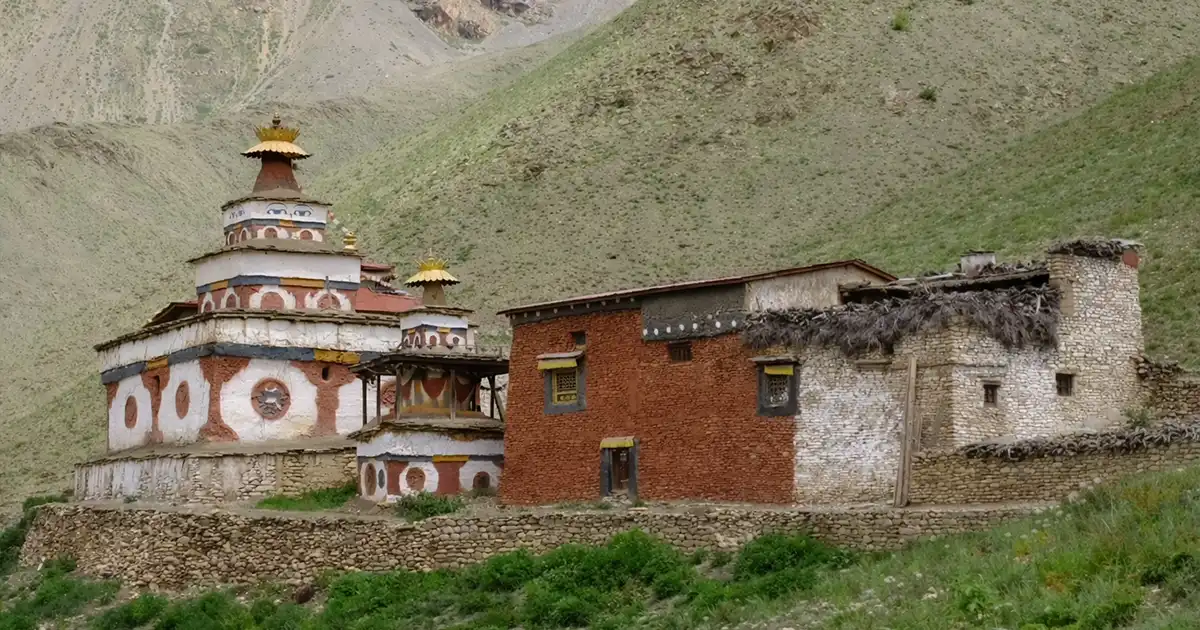
In more remote regions like Upper Mustang and Dolpo, you’ll experience preserved Tibetan culture, ancient monasteries, and a way of life that has changed little over generations.
Lifestyle, Languages and Dresses of People
One of the most enriching aspects of the cultural experiences along Nepal’s trekking routes is observing daily life unfold naturally.
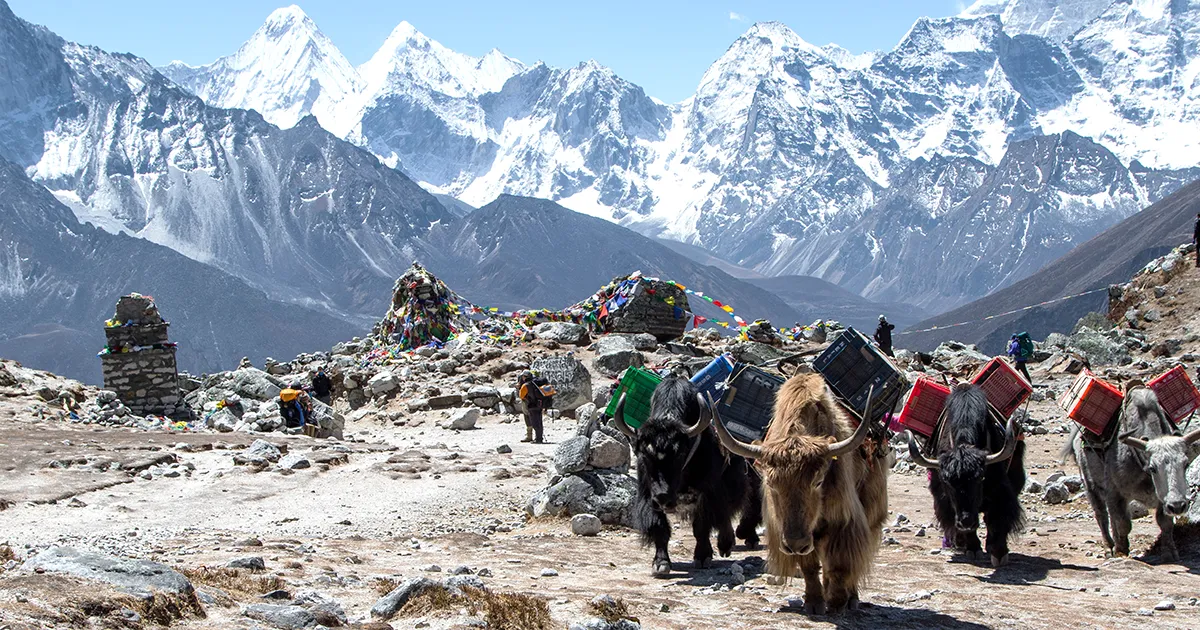
In lower hills, farmers work terraced fields of rice, millet, and maize. Women carry woven baskets (dokos) supported by head straps, while men tend livestock or manage tea houses. Higher up, yaks replace buffalo, and fields give way to alpine pastures.
Traditional attire varies by region. Gurung women may wear colorful blouses and heavy silver jewelry. Sherpa women often wear striped aprons (pangden) over long dresses, symbolizing marital status. Tamang communities feature distinct ornaments and layered clothing suited to mountain climates.
Languages shift with altitude, too. Nepali is widely spoken, but local dialects dominate household conversations. A simple “Namaste” works almost everywhere, while in Sherpa regions, you may hear “Tashi Delek” as a greeting.
Festivals One Encounters on the Trekking Trails
If you are trekking to Nepal during the fall seasons, during the months of October and November, you are most likely to have a number of festive encounters along the way and in the capital city itself.
But make sure to remember that you are a guest while witnessing these and pay sincere respect to the customs. Observe quietly, ask before taking photographs, and follow the guidance of local hosts.
Here are some festivals that you might come across to be lucky enough:
Dashain and Tihar (nationwide): Celebrated with family gatherings, blessings, and colorful decorations.
Mani Rimdu (Everest region): A vibrant Buddhist festival held at Tengboche Monastery, featuring masked dances and ritual ceremonies.
Tiji Festival (Upper Mustang): A dramatic three-day celebration symbolizing the victory of good over evil.
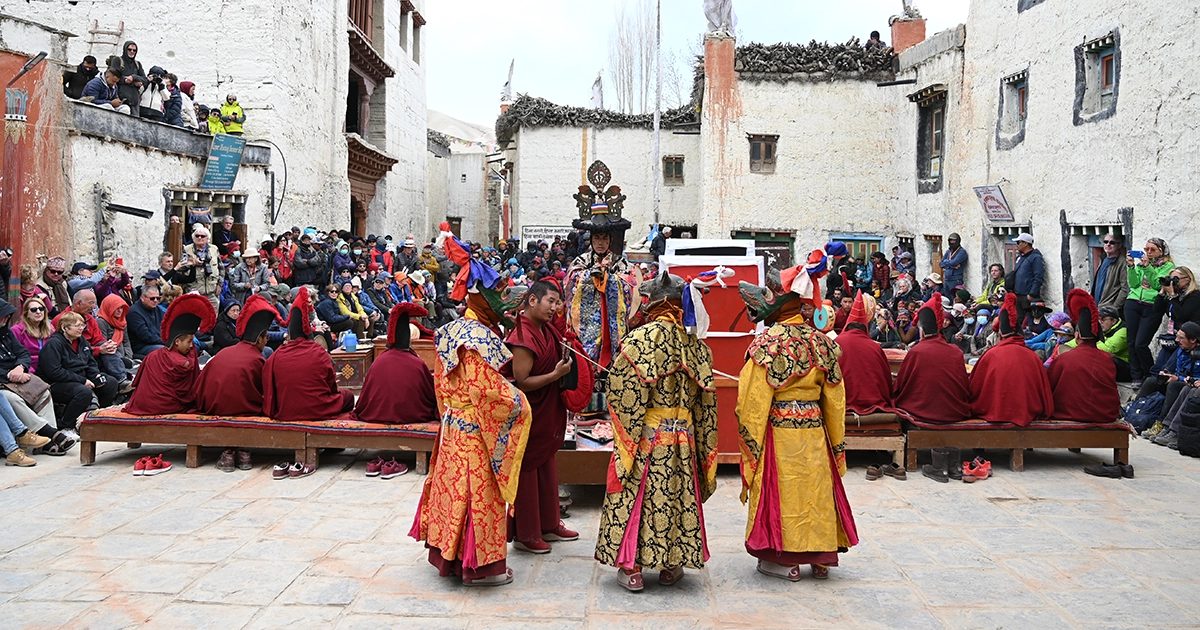
Local harvest festivals: Often quieter but equally meaningful, marked by communal feasts and dances.
Spiritual Landmarks on the Trails
Religion is woven deep into the everyday life of settlers in the Himalayas. As you walk, you will pass through Chortens, Mani wall carved with Buddhist prayers, Prayer wheels and sacred monasteries.
If you witness them on your path, make a stop to pray as Even small gestures of respect are deeply appreciated. Remember always to walk clockwise around religious monuments and remove your shoes before entering monasteries.
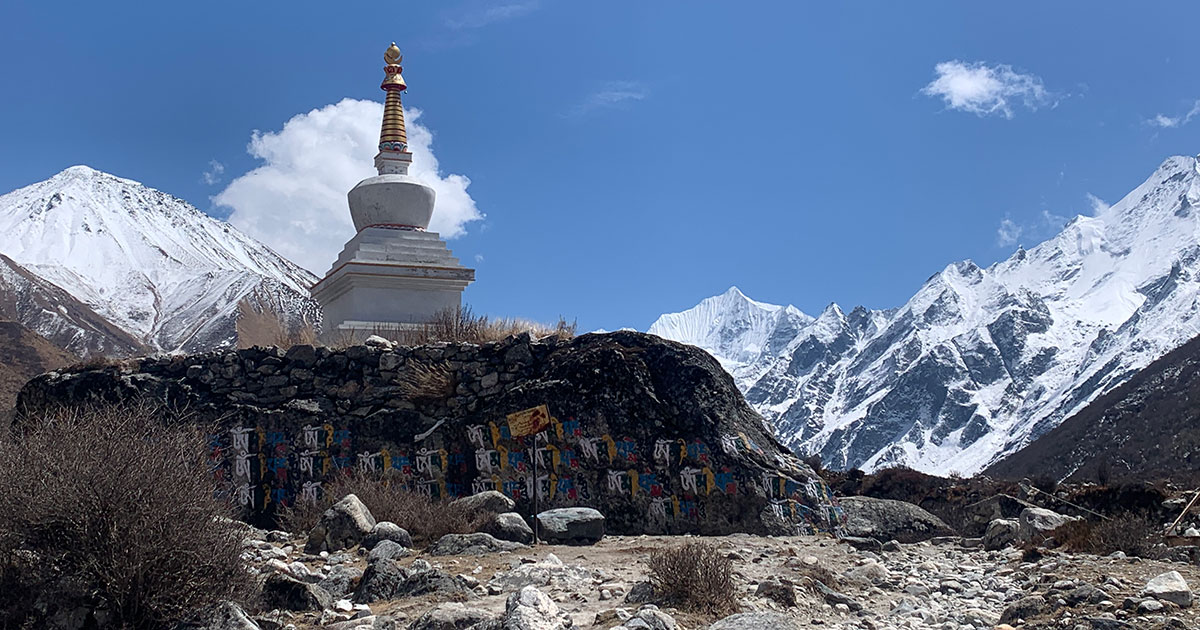
In lower regions, Hindu shrines and temples also appear along trails, often adorned with marigolds and incense. These sacred landmarks are not tourist attractions; they are living spaces of devotion.
Cultural Highlights of Different Trekking Regions
Since the communities residing in different trekking regions vary, their cultural practices, traditions, and festivals varies too. Here’s a brief description of cultural highlights of different trekking regions:
Everest/ Khumbu Region
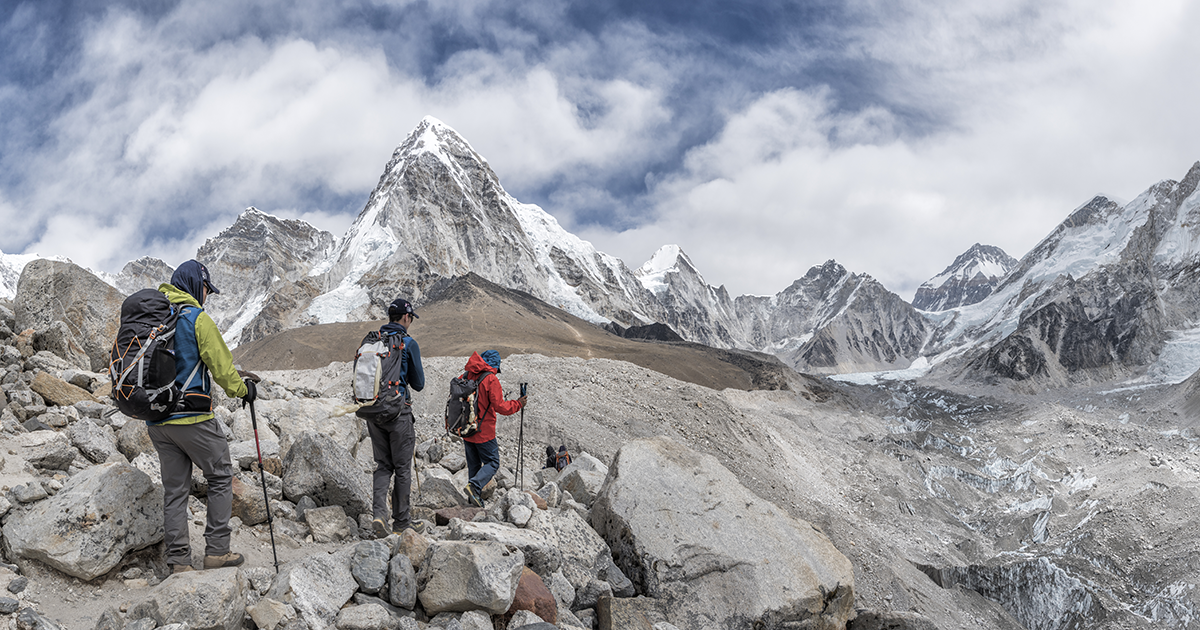
The Khumbu region offers perhaps the most well-known cultural experience in Nepal. Monasteries like Tengboche sit against a backdrop of Everest and Ama Dablam. Sherpa hospitality, butter tea, and mountaineering heritage create a unique blend of spirituality and adventure.
Annapurna Region
Here, culture changes dramatically from subtropical villages to high mountain settlements. Gurung museums in villages like Ghandruk showcase local history, while the Kali Gandaki corridor reflects centuries of trade and Thakali influence.
Manaslu Region
Less commercialized than Everest or Annapurna, Manaslu feels culturally immersive. Tibetan-style homes, prayer flags fluttering over narrow trails, and restricted-area regulations have helped preserve traditions.
Langtang Region
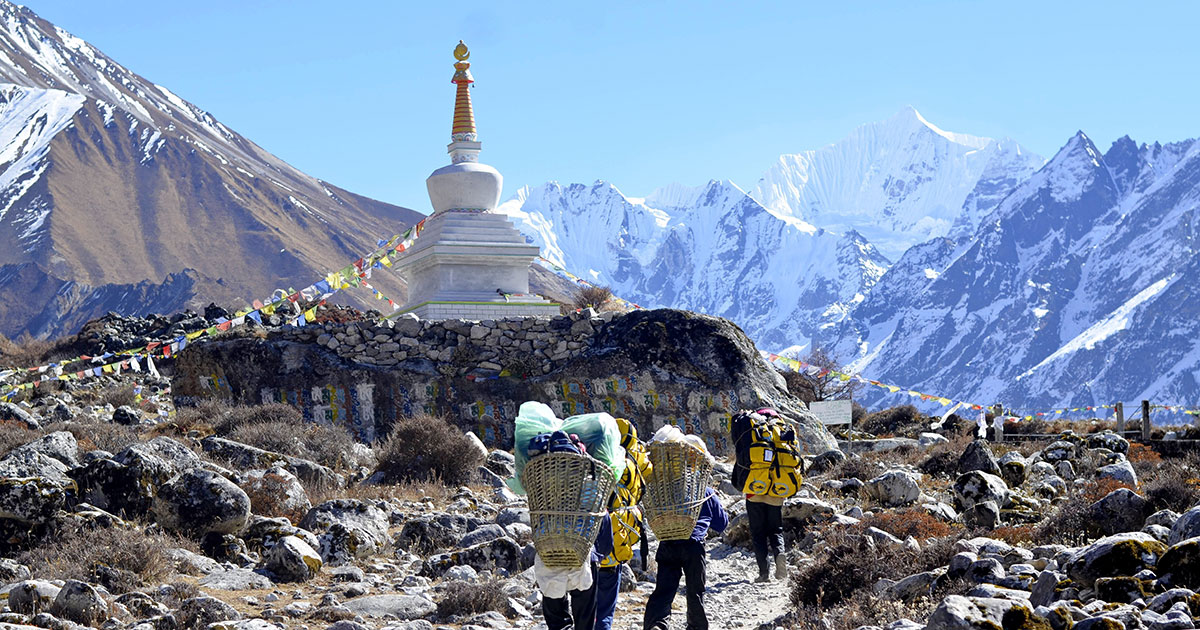
Close to Kathmandu yet culturally distinct, Langtang Valley offers Tamang heritage blended with Tibetan Buddhism. Rebuilt monasteries stand as symbols of resilience after the 2015 earthquake.
Upper Mustang and Dolpo Region
These remote areas resemble the Tibetan plateau. Ancient cave dwellings, walled cities like Lo Manthang, and centuries-old monasteries provide some of the most profound cultural experiences along Nepal’s trekking routes.
Cultural Etiquettes a Visitor Should Follow on Trek
Experiencing culture also comes with responsibility. Make sure to be aware ot these cultural etiquettes while trekking in the Himalayas:
1. Respect the Rules and Norms
Ask before photographing people. Avoid public displays of affection. Follow local guidance in religious spaces.
2. Dressing Up Right
Modest clothing is appreciated, especially in villages and monasteries. Shoulders and knees should be covered when entering sacred sites.
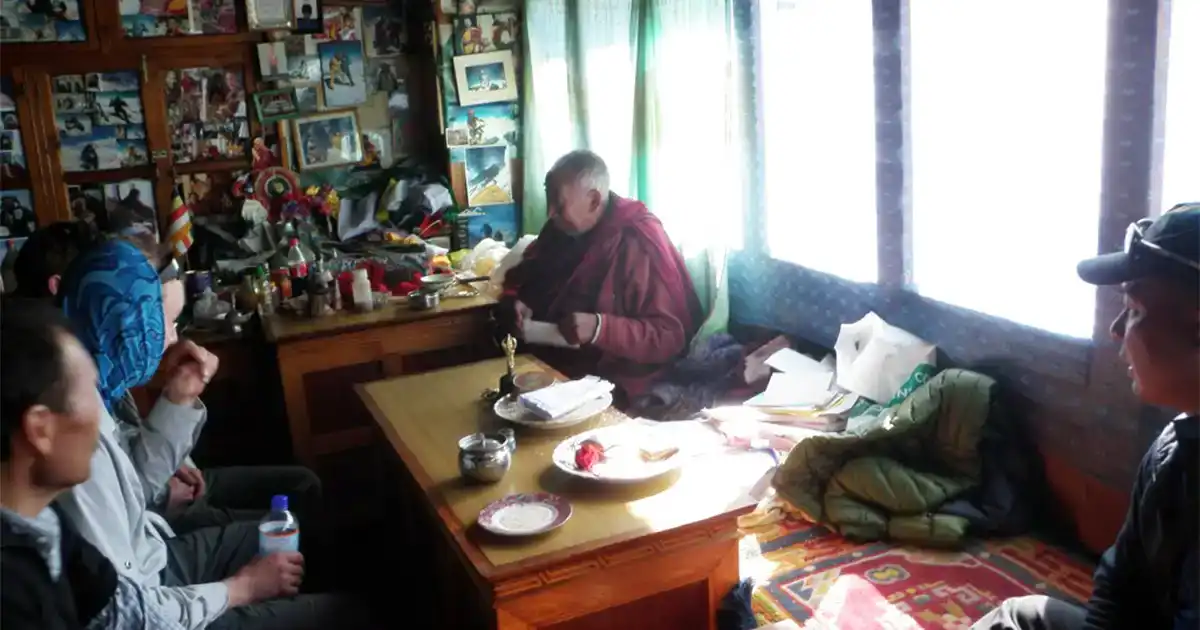
3. Be Aware of Cultural Sensitivity
Avoid stepping over prayer items or pointing your feet toward religious objects. Use your right hand (or both hands) when giving or receiving items.
Responsible Cultural Tourism in Nepal
The mountains may be what draw you to Nepal, but the people are what you will remember. The cultural experiences along Nepal’s trekking routes transform a physical journey into a meaningful one.
Traveling responsibly means supporting local tea houses, hiring local guides, minimizing waste, and engaging with communities thoughtfully. It means understanding that you are not just passing through scenic terrain—you are entering someone’s home.
When you walk away from a trek in Nepal, the peaks might fade into memory. But the sound of monastery chants at dawn, the warmth of a shared meal in a mountain lodge, and the quiet dignity of village life will stay with you long after the journey ends.
And that is the true beauty of trekking in Nepal.
FAQs
Expand AllWhat cultural experiences can you have while trekking in Nepal?
You can experience village life, stay in family-run teahouses, visit monasteries, observe daily farming and herding practices, taste traditional foods like dal bhat, witness local festivals, and walk past spiritual landmarks such as chortens, mani walls, and prayer flags.
Which Nepal trekking routes have the most village interaction
Routes like the Everest Region, Annapurna Region, Langtang Valley, and Manaslu Circuit offer regular village interaction because you pass through settlements almost daily. Annapurna is particularly rich in varied ethnic communities, while Everest offers deep immersion in Sherpa culture.
What is teahouse culture in Nepal?
Teahouse culture refers to the system of small, family-run lodges along trekking trails. Trekkers eat, sleep, and socialize in these shared spaces. Evenings often revolve around the dining room stove, where stories are exchanged over hot meals.
Are teahouses usually locally owned?
Yes. Most teahouses are owned and operated by local families. Staying in them directly supports the community economy.
What should you say when greeting locals on the trail?
“Namaste” (with palms pressed together) is universally respectful. In higher Himalayan regions, especially among Sherpa communities, “Tashi Delek” is also common.
Is it okay to enter monasteries during treks?
Yes, visitors are generally welcome, but always enter quietly and respectfully. If unsure, ask your guide or a local before stepping inside.
What should you wear when visiting a monastery on a trek?
Dress modestly while visiting your monastery during your trek. Avoid tight or revealing clothing.
Do you need to remove shoes in homes or monasteries?
Yes. Always remove shoes before entering monasteries and private homes unless told otherwise.
How do you pass mani walls and chortens correctly?
Always pass them on your left, keeping the structure to your right. This follows the clockwise direction of Buddhist practice.
Why do people walk clockwise around stupas and chortens in Nepal?
In Tibetan Buddhism, clockwise movement symbolizes harmony with the natural order and respect for sacred energy.
What are prayer flags and why are they on trekking routes?
Prayer flags are colorful cloth banners printed with mantras and symbols. Hung across passes and near villages, they are believed to spread blessings and compassion with the wind.
What are mani stones and what do they represent?
Mani stones are carved rocks inscribed with sacred Buddhist mantras, most commonly “Om Mani Padme Hum.” They symbolize compassion and spiritual protection.
Can trekkers spin prayer wheels, and how should it be done respectfully?
Yes, you may spin them gently in a clockwise direction while walking past. There’s no need for dramatic gestures, quiet mindfulness is enough.
Is it rude to touch religious objects like mani walls or chortens?
Avoid climbing, sitting on, or leaning against them. Lightly touching while passing respectfully is generally fine, but never treat them casually.
Can you take photos inside monasteries?
Sometimes, but always ask first. Photography during active prayer ceremonies is often discouraged.
Is it rude to photograph people in villages without asking?
Yes, it is rude. Always ask before taking close-up photos of individuals. Smiling and making eye contact while gesturing toward your camera usually works.
What’s the polite way to ask for a portrait photo in Nepal?
Smile and say, “Photo?” or “Tasbir lina milcha?” (May I take a picture?). If they decline, respect their answer.
Are public displays of affection acceptable on trekking routes?
Keep affection minimal. Holding hands is generally fine, but kissing or intimate gestures are considered inappropriate in rural communities.
What are common cultural mistakes trekkers make in Nepal villages?
Common mistakes include dressing immodestly, pointing feet toward religious objects, stepping over prayer items, giving sweets to children, and taking photos without permission.
Is it appropriate to give sweets or money to children in trekking villages?
No, it encourages dependency and disrupts community norms. If you wish to help, support schools or community projects instead.
How can trekkers support local communities ethically?
Stay in local teahouses, hire local guides and porters, buy locally made goods, minimize plastic waste, and respect customs.
What’s considered respectful behavior in teahouses at meal times?
Wait to be served, eat what you order without wasting food, and thank the host. Meals are prepared with care, often from limited supplies carried up the mountains.
What foods are common on teahouse treks, and how should you behave when eating?
Dal bhat (rice, lentils, vegetables), noodles, potatoes, soups, and Tibetan bread are common. Eat with your right hand if not using utensils, and avoid touching shared food with your used utensils.
What does “dal bhat” mean culturally for trekking life?
Dal bhat is more than a meal, it’s the backbone of trekking life. Nutritious and refillable, it fuels both locals and trekkers. The phrase “Dal bhat power, 24 hour” is commonly heard on the trails.
What is “jutho” and why does it matter when sharing food?
“Jutho” refers to food or items contaminated by someone’s mouth. In Nepali culture, sharing jutho is avoided, so don’t dip used utensils into shared dishes.
How do you behave during prayers or rituals you encounter on the trail?
Pause quietly, avoid walking through the middle of ceremonies, remove hats, and observe respectfully without interrupting.
What’s the difference between cultural experiences in Everest vs Annapurna?
In the Everest Region, Sherpa Buddhist culture is dominant, with strong monastery traditions. In the Annapurna Region, you experience a mix of Gurung, Magar, and Thakali communities, creating more ethnic diversity within one trek.
What cultural experiences are typical on the Langtang route?
In Langtang Valley, Tamang culture blends with Tibetan Buddhist traditions. Expect stone villages, prayer flags, yak herding, and monastery visits.
What cultural experiences are typical on the Manaslu route?
The Manaslu Circuit offers preserved Tibetan-influenced culture, ancient monasteries, and less commercialized village life.
Are homestays available on trekking routes in Nepal?
Yes, particularly in lower Annapurna, Ghale Gaun, and some community-based trekking areas. Homestays allow deeper cultural immersion.
What’s the best way to learn a few useful Nepali phrases for trekking?
Practice basic greetings before your trip, use language apps, or ask your guide to teach you simple daily phrases along the way.
Do you need a guide to understand local culture better?
Not mandatory everywhere, but a local guide greatly enriches cultural understanding by explaining traditions, rituals, and local stories.
How do you avoid being intrusive when asking locals questions?
Be patient, ask open-ended but gentle questions, and respect short answers. If someone seems busy, let them continue their work.
What’s the respectful way to tip or thank teahouse staff?
Offer tips discreetly at the end of your stay. A sincere “Dhanyabad” (thank you) with a smile goes a long way.
What should you do if you accidentally break a cultural rule?
Apologize sincerely. A simple “Sorry” or “Maaf garnus” (please forgive me) is usually enough. Nepalese hospitality is forgiving when intentions are respectful.
Related blog posts
Discover a choice of tourist destinations loved by most of our visitors. Whether you're on a jungle safari to spot rare animals or walking through a world heritage site, these well-planned itineraries cover the major highlights of Nepal.



 call an expert at: