
Offerings and Donations: What Travellers Commonly Bring for Monasteries in Kailash
 Amrit K. Aryal
During your Kailash Mansarovar Yatra 2026, there will come a moment after walking for hours, a moment of silence and prayer, when you enter a monastery. The monasteries of Dhiraphuk, Zutulphuk, and other monasteries on the way.
Inside the monasteries, there is silence, butter-lamp light, and centuries-old walls that breathe the mantra of the Buddha and his teachings. As pilgrims enter the monasteries, they often wonder, “What offerings and donations should we offer in the monasteries?”
Offerings in monasteries and temples are not always about donating money. It is more about devotion, intention, respect, and humility. Monasteries in the Kailash region are always open to visitors, regardless of religion.
Whether you follow Buddhism, Hinduism, Christianity, or simply walk without any faith, the monasteries always welcome you. Knowing what to bring and how to donate to the helps you move with respect through sacred space. This guide explains which offerings to bring to monasteries on the Kailash yatra, how donations work, what etiquette to follow inside monasteries, and what not to offer.
Why Offerings Matter in Kailash Monasteries
In Tibet, particularly within Buddhist and Bonpo traditions, offerings in monasteries symbolize generosity, gratitude, and letting go of ego. Pilgrims offer not for compulsion, but because giving is part of inner peace. During the Kailash kora, monasteries like Dirapuk, Zuthulphuk, Chiu, and other Monasteries around Kailash. Pilgrims roam around the monasteries, pray, and quietly contribute something. The size does not matter what you offer, but the spiritual value is meaningful when given with sincerity.
What Offerings Travelers Commonly Bring
What are the common offerings in monasteries during the Kailash Kora? Here is a simple list of offerings preferred by the pilgrims in Kailash and monasteries.
Khada (White Ceremonial Scarf)
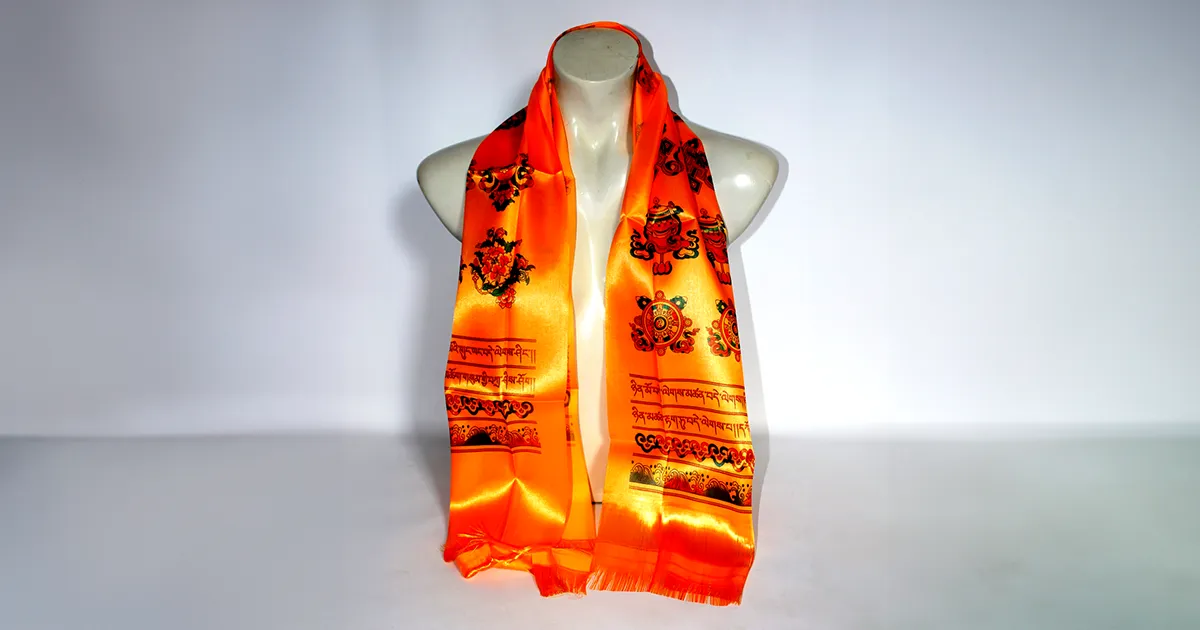
The Tibetan White Khada or Khata is a traditional ceremonial silk scarf, ornamented with the eight auspicious Lucky symbols. Different colors of the Khada are also available and considered auspicious. The Khada is a symbol of purity and goodwill. Khata is offered as an altar, a statue, or to a monk. It is silky, lightweight, and easy to carry.
How to offer Khada?
The Khada is held with two hands, bowed, and gently offered to the neck of a monk or altar as a garland.
Butter Lamp
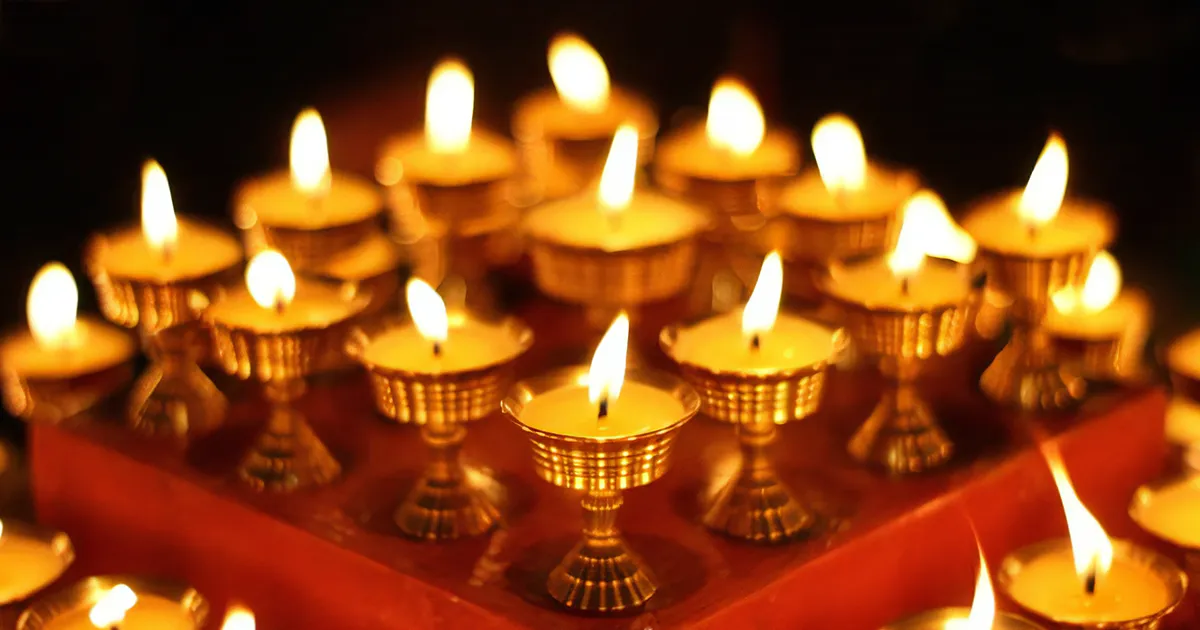
Butter lamps are lit as a representation of light over ignorance. Pilgrims offer lamps for blessings and liberalization of their deceased ancestors’ souls. They are easily available near the monasteries and can be get in a minimum price. It is one of the most common and popular offerings in monasteries and Buddhist pilgrimage sites.
Incense Sticks
Incense symbolizes purification and prayer rising upward. A small packet of Incense can bring a calm, aromatic environment. Bring natural Incense to protect nature and health.
Cash Donation
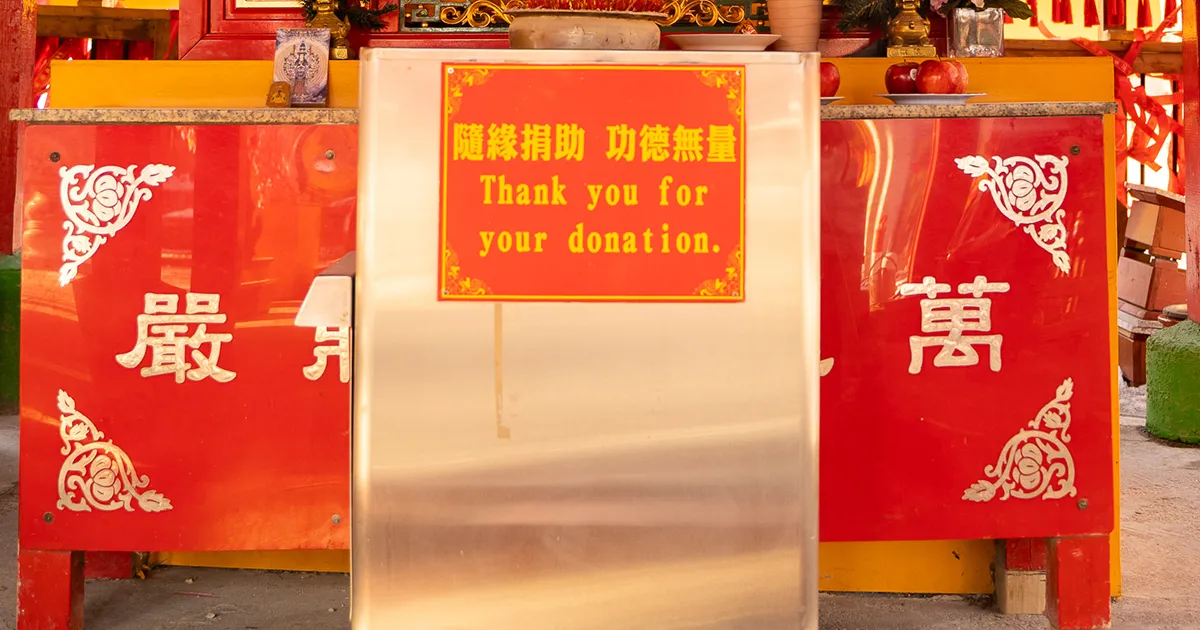
Cash donations are also common to help monasteries maintain their prayer halls, foods and other facilities for visitors, monks, and students. Cash is also considered respectful if given with respect.
How Much Money to Donate at the Kailash Monasteries?
You can decide the amount of cash on the size of the monks and disciples staying there. More people need more cash to manage the logistics for them. There is no fixed rule or amount specified for donation. It’s on your free will, what makes you comfortable.
Prayer Flags
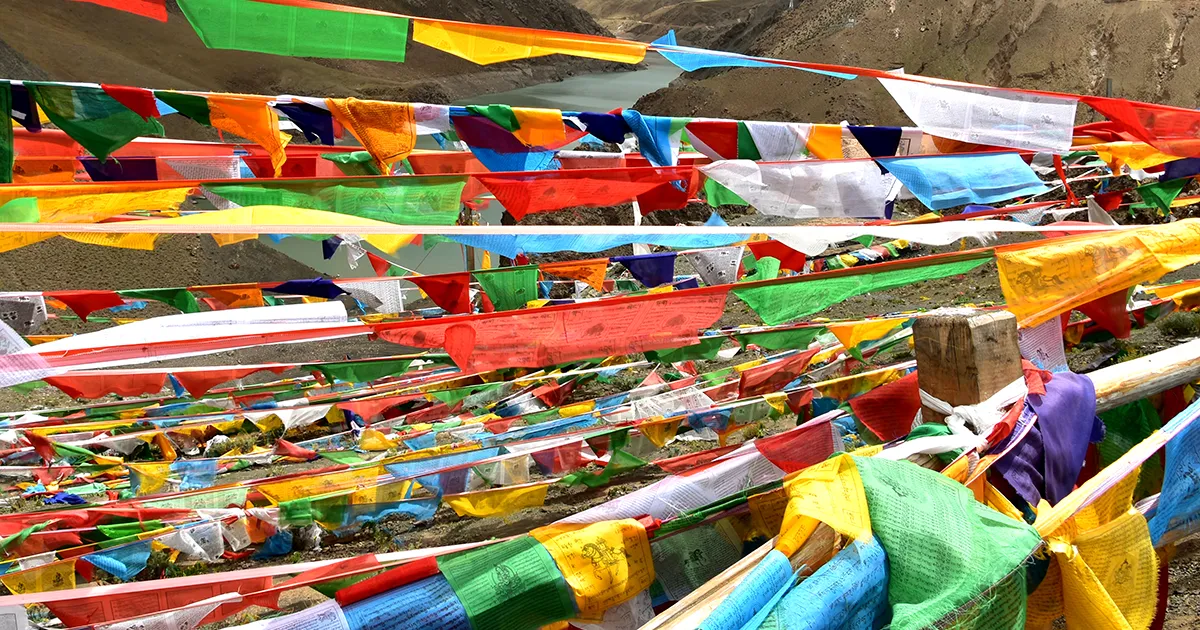
Prayer flags or lungs are offered near monasteries or sacred places. They are also offered at points like Yamadwar, Dolma La Pass. The praying flags represent spreading blessings when the flags flutter in the wind. But before offering the praying flags, ask monks or your guide, as they are sometimes not eco-friendly.
Practical Tips to Carry offerings in monasteries, During Kailash Kora
The Kailash journey is an altitude pilgrimage, physically demanding and challenging. Hence, the offerings and donations you carry must be light, practical, and usable.
- Carry a small folded Khada or scarf.
- Keep small denominations of cash.
- Bring a lightweight incense pack
- Avoid heavy or bulky ritual objects
Donation Box Etiquette in Gompas
Most monasteries have a donation box near the entrance or altar.
- Place donation quietly, without display
- Do not throw coins loudly
- Do not ask for a blessing in exchange
- Donations are voluntary, not compulsory
Sometimes monks may accept an offering directly, but usually a donation box is preferred.
What Currency is Best for Donations in the Kailash Region?
Chinese Yuan is the most practical currency in Tibet. Some monasteries might accept US$ as well. But digital QR does not work at all in such remote places. Hence, always carry cash. Not only to offer but also for food and other stuff on the way.
Environmentally Responsible Offerings
You can offer the above mentioned materials abut do not offer the following at all.
- Plastic-wrapped items
- Synthetic decorations
- Large materials produce wastage.
What NOT to Offer at Tibetan Monasteries
Without much awareness, people carry some wrong items. Monasteries, being a religious and spiritual place, do not offer the following items.
- Alcohol
- Tobacco
- Non- Veg products
- Loud or flashy items
- Large packaged food waste

What Every Visitor Must Know: Monastery Etiquette
Visiting a monastery involves different dimensions. Offerings and donations are only a smaller portion of the process. Your behavior and manner also make a difference. Some other etiquette to be followed around a monastery are:
-
Hat Removal Etiquette
Remove any type of hat while entering the main prayer hall. It is a respect for the monks and the lord.
-
Dress Code
The dress you are wearing must cover your shoulders and knees. So, do not wear shorts or sleeveless tops. Present yourself as a modest person.
-
Clockwise walking etiquette
Hindus, Buddhists, and Jains revolve around the temples and monasteries in a clockwise direction, but Bons circumambulate the temples. Monasteries and Kailash in an anti-clockwise direction. Spin the praying wheels gently and do not rush, play, or make loud noise.
-
Photography Rules
Watch out for the signs and rules to avoid photography. Especially around the military area and monasteries, there are certain restrictions. Not all the monasteries allow photography inside the main praying hall. Do not take any photographs without permission.
Donations for Good Faith
During the Kailash Mansarovar yatra, offerings and donations are not limited to offering money or expensive goods. It is the moment of feeling spirituality and humility when pilgrims become aware of the happiness of giving.
A small Khada or scarf, lighting a small butter lamp, or making a monetary donation in silence, sometimes feels larger than the journey itself.
FAQs
Expand AllWhat offerings do travellers commonly bring to monasteries around Mount Kailash?
Travellers and pilgrims usually bring simple and useful offerings such as a khata, scarf, butter lamp, prayer flags, incense sticks, and some cash donation to offer to the monks of the monasteries.
What is the most respectful offering for a first-time visitor to a Tibetan monastery?
A white or colourful khata scarf or butter lamp offering is considered one of the simplest and most respectful offerings in monasteries. If you are unsure, a small, quiet cash donation is always appreciated.
Is a khata scarf required when visiting monasteries on the Kailash route?
It is a good choice, but not necessarily required. It is a symbol of goodwill and purity, but not all monasteries expect it.
How do you offer a khata scarf correctly at a monastery?
Hold the khata with both hands, bow slightly, and gently place it on the altar or offer it to a monk with respect. Or it can be placed on the hands of the person if inconvenient to offer.
Can non-Buddhists make offerings at Tibetan monasteries near Kailash?
Yes. Monasteries welcome spiritual pilgrims and visitors without any discrimination. Respectful offerings are welcomed with humility.
Are cash donations acceptable at monasteries around Kailash?
Yes. Cash donations are common and help monasteries maintain logistics for prayer halls, monks, and butter lamps. Donations are voluntary, and there are no fixed rules or limitations.
How much donation is considered polite at small monasteries on the Kailash kora?
There is no fixed amount or any rules if the offering is made with respect and devotion. The intention behind the donation matters a lot.
Should donations be placed in a donation box or handed to a monk?
It is accepted if you silently keep the donation in the donation box. Some monasteries might keep a record of the amount collected for transparency.
What currency is best for donations on the Tibet side?
Chinese Yuan is practically good to donate to the monasteries in Tibet. Some monasteries also accept US $, but digital or QR payments are rarely available in the remote area.
Do monasteries around Kailash accept digital or QRcode payments?
No, the monasteries in the remote areas do not accept digital money.
What are butter lamps, and why do people offer them at monasteries?
Butter lamps are simple lamps made of butter and can be used only once. It symbolizes light, wisdom, and the removal of ignorance.
Where can travellers offer butter lamps during the Kailash trip?
Butter lamps are easily found around the monasteries, usually offered inside monasteries such as Dirapuk, Zutulpuk, and Chiu. Some of the monasteries have a designated area for lighting the lamp due to fire risk.
Can visitors buy butter lamp offerings at the monastery?
Yes. shops and monasteries sell butter lamps at a low cost for offering. A small contribution from you can sometimes help the local seller.
Are incense sticks a suitable offering at Kailash monasteries?
Yes. Incense is a traditional and respectful offering symbolizing purification and prayer. Make sure the incense are nature friendly.
Are flowers appropriate offerings at highaltitude monasteries near Kailash?
It is difficult to get fresh flowers in Tibet due to the harsh climate. If you can take fresh flowers from Kathmandu without damaging them, it would be great.
Is it respectful to offer packaged food or snacks to monks?
It is not a good idea to offer packaged or processed items to monks.
Are sweets acceptable as offerings at monasteries?
Sometimes small sweets may be acceptable, but they should be simple and respectful. Avoid excessive or packaged items.
What items should you avoid offering at Tibetan monasteries?
Avoid alcohol, tobacco, meat products, plastic-wrapped items, or anything culturally inappropriate or wasteful.
Related blog posts
Discover a choice of tourist destinations loved by most of our visitors. Whether you're on a jungle safari to spot rare animals or walking through a world heritage site, these well-planned itineraries cover the major highlights of Nepal.


 call an expert at: