If you opened this blog, this means you are a first-time trekker and are planning for the Himalayas in 2026, but are concerned about altitude sickness symptoms and their possible outcomes. Thinking of whether you could handle the altitude is very important for a safe journey to the Himalayas of Nepal.
Nepal offers a wide range of trekking adventures, and some of the most popular trekking destinations are the EBC trek, ABC trek, Manaslu trek, Dolpo, and Mustang trek, etc. Altitude sickness is real for both first-time trekkers and experienced ones, as there is less oxygen in the air above 2500 meters, and your body finds it difficult to adapt, which results in subtle dizziness, mild headache, or unusual fatigue, loss of appetite, sleepless nights, and nausea often felt within the first 24–48 hours at altitude.
All of these treks are suitable for every mountain enthusiasts but it requires certain planning and fitness and planning a trip with us, Awesome Holidays Nepal, your journey will be full of lifetime memories as we provide an essential guide on altitude sickness symptoms, an acclimatization plan, and packing and preparation tips.
Altitude sickness is also known as Acute Mountain Sickness (AMS), which starts to feel when your body doesn’t adapt quickly enough to lower oxygen levels at high elevation. It can affect anyone, fit or not, experienced or beginner.
Most altitude sickness symptoms are mild at first, but ignoring them can lead to serious conditions like HAPE or HACE.
How does Altitude Feel?
Altitude feels so different because your body has to adjust to a lower oxygen level. The lower air pressure makes you deliver fewer oxygen molecules, which your body notices immediately. Secondly, due to oxygen drops, blood vessels in the brain expand, and pressure increases slightly, which can cause headaches and brain fog. This makes your heart rate increase as blood circulates, also becomes faster.
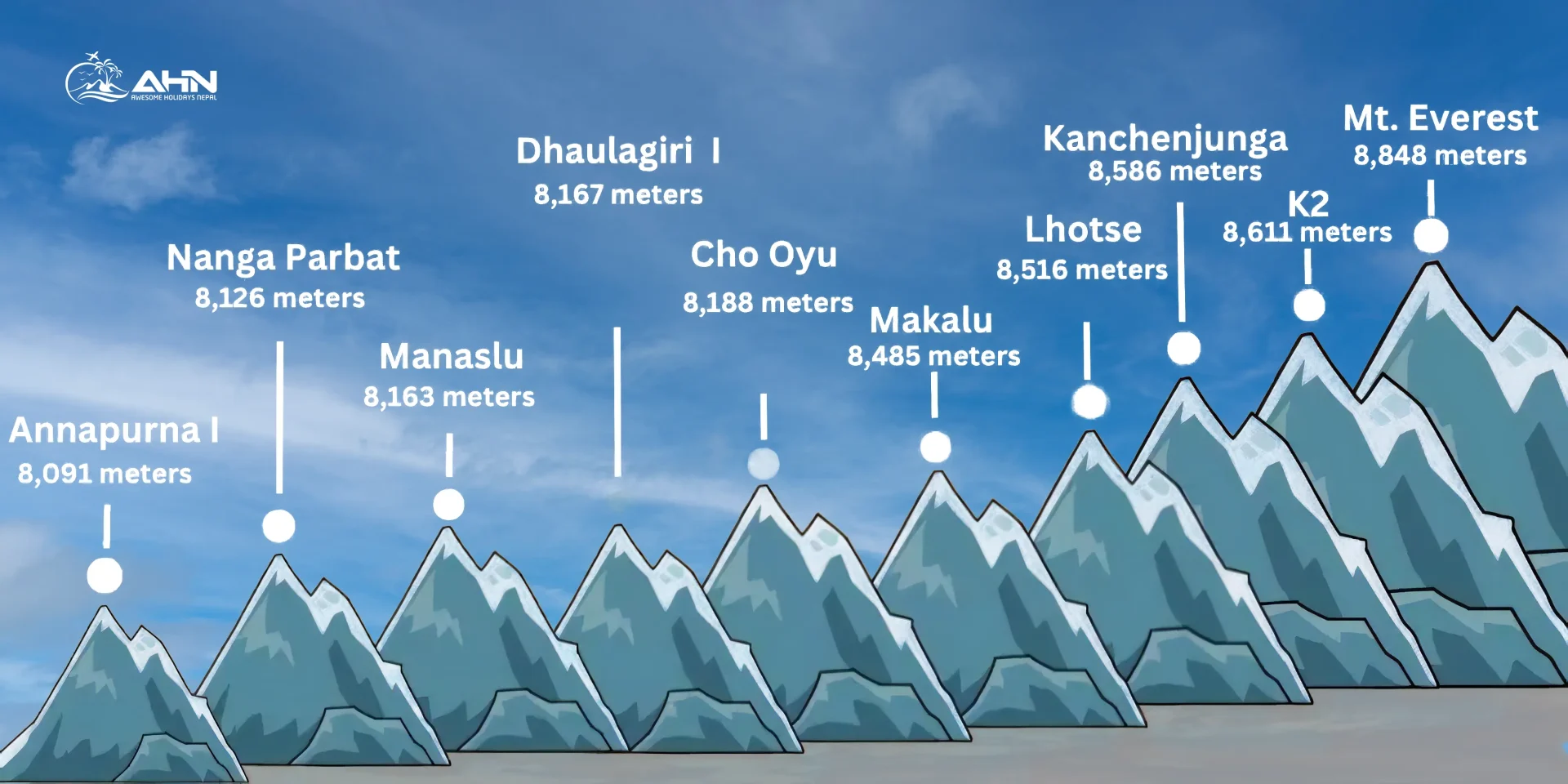
High Altitude Demonstrated Picture
Similarly, less oxygen makes your legs feel heavy, so you will get exhausted faster, and the recovery process will be much slower, along with frequents wakeup at night.
Early Altitude Sickness Symptoms You’ll Notice
The first time trekkers may feel out of breath even in an easy trails of Nepal. First-time trekkers experience early altitude sickness symptoms only after 24 to 48 hours, such as:
Shortness of Breath
Headache
Unusual Fatigue and weakness
Lightheaded or slightly dizzy
Loss of Appetite
Trouble Sleeping
Mild Nausea
Faster heartbeat while walking
Experiencing these early altitude sickness symptoms, also known as Acute Mountain Sickness, doesn’t mean you are weak, but it means that your body is trying hard to get more oxygen due to altitude. These symptoms usually start:
3,000 meters (9,800 ft): Headache, fatigue, and sleep issues are common
4,000 meters (13,000 ft): Symptoms intensify without acclimatization
The First-time Trekkers Feel
When you go high, there’s less oxygen in the Himalayan air. You’re breathing the same amount, but your body gets less oxygen per breath, and it needs time to adapt to the environment. Trekkers said that altitude sickness often feels like a bad hangover without fun, and flu-like, but without a fever.
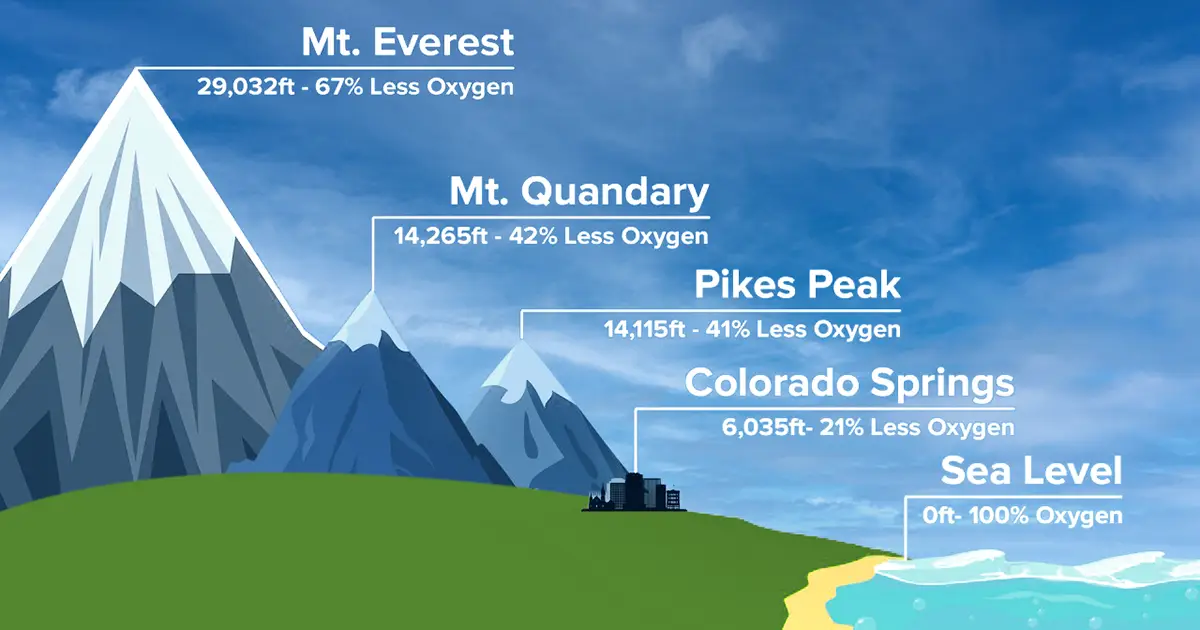
Sea level to Mountain landscape
Shortness of Breath
The first time, trekkers may feel shortness of breath even when doing nothing. Slow walking tends to increase breathing, and you have to pause just to catch your breath. This is due to over-stress on your body, as your body has to work to get enough oxygen even at rest.
Headache
The most common symptoms that every trekker may feel, no matter the experience they have. The headache becomes dull and constant, which becomes worse in the morning, and it feels like dehydration or a hangover headache. This is due to lower oxygen and fluid shifts in your body affect blood flow in the brain.
Fatigue That Makes No Sense
The first time trekkers may get the feeling of tiredness even after sleeping, their legs become heavier, and there will be a sudden loss of motivation to continue further. Your body is using more energy just to breathe and circulate oxygen. Even the most fit person may feel exhausted due to difficulty in altitude adaptation.
Light Headed or Floaty Feeling
Trekkers may experience slight dizziness, feeling spaced out or unfocused, followed by standing up too fast, which makes you woozy. It is due to a temporary oxygen shortage in the brain. Having mild and short lived feeling is normal, but you have to stay careful.
Nausea and Appetite Loss
It feels like food doesn’t sound good, mild nausea, and eating feels like an effort. This is due to slower digestion at high altitude. You have to eat small and frequent meals even though you don’t feel hungry.
Trouble Sleeping
Trekkers feel like falling asleep easily but waking up often, have strange breathing patterns at night, and experience light, unrefreshing sleep as their breathing rhythm adjusts to low oxygen.
Symptoms Of Altitude Sickness You Should Not Ignore
Altitude sickness symptoms become dangerous if you start feeling the following symptoms:
Severe or worsening headache
Vomiting
Chest Pain
Gasping for air at rest
Confusion or clumsiness
Breathlessness at rest
Difficulty walking straight
Chest Pain
These symptoms require immediate help, and you should inform your guides as soon as possible and ask for helicopter evacuation services. The longer you delay, there is high risk to your life.
Severe High Altitude Symptoms (Above 4,500 meters / 14,800 feet)
Only a few trekkers experience the severe altitude symptoms, but it’s important to recognize:
Severe headache, vomiting, and confusion
Shortness of breath even when resting
Loss of coordination or staggering
Bluish lips/fingertips (sign of low oxygen)
These could indicate High-Altitude Pulmonary Edema (HAPE) or High-Altitude Cerebral Edema (HACE), serious conditions that require immediate descent and medical attention.
How long do Altitude Symptoms Last?
Altitude symptoms usually appear within a few hours to a day after ascending to high elevations, typically above 2,400 meters (8,000 feet). Some of the common symptoms include headache, nausea, dizziness, fatigue, shortness of breath, and difficulty sleeping.
These mild symptoms improve within 1 to 3 days as the body begins to acclimatize to the reduced oxygen levels at higher altitudes for some people, where some take even more. You have to have proper rest, focus on hydration, and avoid further rapid ascent to help the body adjust more comfortably in the high altitudes.
If trekkers didn’t take these symptoms seriously and continue walking too quickly or symptoms worsen, leading to more serious conditions like high-altitude pulmonary edema (HAPE) or high-altitude cerebral edema (HACE), which require immediate medical attention. Trekkers should prioritize proper acclimatization, gradual ascent, and monitor the warning signs to minimise the severity of altitude-related symptoms.
Practical Tips to Avoid Altitude Sickness Symptoms
Ascend slowly and target no more than 300-500 meters of altitude per day.
Target drinking 3 to 4 litres of water a day and avoid caffeine and alcohol.
Focus on frequent light meals that are easy to digest.
Take frequent short breaks and walk slowly.
Image of Acetazolamide Tablets
Sleep at the lowest elevation possible each day, even if you hiked higher during the day.
Pack altitude related medicayions like acetazolamide, ibuprofen, paracetamol.
Do gentle exercise like stretching, which encourage circulations.
Final Thoughts: Respect the Mountain, Trust Your Body
The first-time trekkers often experience a mixture of awe-inspiring beauty, physical and emotional challenge as they ascend to higher altitudes. Trekkers start experiencing altitude sickness symptoms, such as shortness of breath, fatigue, headaches, nausea, and sleep disturbances as their bodies take time to adjust to thin air at high altitudes.
Understanding these symptoms and pacing yourself with proper acclimatization, hydration, and nutrition can make the journey much more enjoyable and safe. While the early days may feel uncomfortable, they are temporary, and once your body adjusts, the reward is breathtaking landscapes and the exhilarating sense of having conquered new heights—both literally and personally.
If you feel dizziness, mild headache, or unusual fatigue, loss of appetite, sleepless nights, and nausea, then you have been suffering from altitude sickness.
What does mild altitude sickness feel like?
The mild altitude sickness includes shortness of breath, headache, unusual fatigue and weakness, lightheaded or slightly dizzy, and loss of appetite.
How long does it take to adjust to high altitude?
It takes 1 to 3 days to adjust to high altitude.
Can you get altitude sickness at 8,000 feet?
Yes, you can get altitude sickness at 8,000 feet if you are not prepared well. The myth of suffering from altitude sickness at 8000 meters is entirely false.
Should I take Diamox for Everest Base Camp?
Yes, taking Diamox is common for the Everest Base Camp.
Why do I feel weird at high altitude?
You will feel weird at high altitude because of altitude sickness, also known as acute mountain sickness or AMS, which occurs when your body struggles to adjust to lower oxygen levels and lower air pressure.
What is the best sleeping altitude when trekking?
The best sleeping altitude when trekking is no more than 300-500 meters (1,000–1,640 feet) altitude, once above 3,000 meters. You should follow the “Climb High, Sleep Low” rule.
Does drinking water help with altitude sickness?
Yes. Drinking water helps with altitude sickness but it doesn’t cure the altitude sickness.
What are the warning signs of HAPE?
The warning signs of HAPE includes severe shortness of breath at rest, extreme fatigue/weakness, a persistent cough (sometimes producing pink or frothy sputum), and chest tightness.
How do you sleep with altitude sickness?
Sleeping in lower altitude with head elevated helps you with altitude sickness.
Is ibuprofen good for altitude sickness?
Yes. Ibuprofen is effective and is a cheaper alternatives for altitude sickness.
When should I turn back on a trek?
You should turn back when there is a sudden change into dangerous weather, physical injury, or illness (especially altitude sickness), insufficient supplies, or a strong negative gut feeling.
Does altitude sickness go away?
Yes, altitude sickness go away on its own if you descend and focus on proper rest and eating balanced diet.
Can anxiety mimic altitude sickness?
Yes, anxiety can mimic altitude sickness.
What is the 300m rule for sleeping?
The 300m rule for sleeping is the technical rule for first time trekkers which means that once you are above 3,000 meters (roughly 10,000 feet), you should not increase your sleeping altitude by more than 300 meters (about 1,000 feet) per night.
Can you get altitude sickness in a plane?
Yes, you can get an altitude sickness in a plane.
How common is altitude sickness on Kilimanjaro?
Altitude sickness is quite common on Kilimanjaro as there is rapid ascent from tropical rainforest to nearly 6,000 meters does not allow for ideal acclimatization.
Why do symptoms often feel worse at night?
When you are sleeping at night the breathing becomes slow naturally and shallower, which worsens the symptoms.
Can coughing at altitude be normal, and when is it serious?
Yes, coughing is normal at lower altitude but after 2,500 meters, your cough means you are suffering from Khumbu cough, which can become serious if left untreated.
Can symptoms return after you start feeling better?
Yes, symptoms can return after you start feeling better.
Sristi, a content writer at Awesome Holidays likes to travel and explore the beauty of Nepal. She enjoys trekking and is passionate about how she can contribute on the growth and development of tourism sector in Nepal. Sristi is passionate about the exploration of the diverse landscapes and hidden beauty of nature. She enjoys watching travel content in YouTube. "If you get tired, learn to rest, not to quit.
Related blog posts
Discover a choice of tourist destinations loved by most of our visitors. Whether you're on a
jungle safari to spot rare animals or walking through a world heritage site, these
well-planned itineraries cover the major highlights of Nepal.






 call an expert at: