
Is Tap Water Safe in Nepal? What Tourist Should Actually Do
 Sujata Pokhrel
Is tap water safe in Nepal? Every guide gets this question, at least a couple of times, while on the trek. It’s obvious that visitors are concerned about water quality in Nepal.
Whether you’re sipping water in a Kathmandu hotel, refilling your bottle in Pokhara, or stopping at a teahouse on the trail, water safety is one concern almost every traveler shares. And honestly, it’s a valid one.
Nepal is a country blessed with rivers, glaciers, and natural springs, yet drinking water safety for visitors is not as straightforward as it may appear. What locals drink daily may not always suit a foreign stomach, often leading to issues like traveler’s diarrhea, cholera, or dysentery.
Let’s go through the blog to understand why tap water isn’t safe and needs to be treated before consumption.
Water Quality in Nepal
Nepal’s water sources are abundant, but the challenge lies in how water is collected, treated, and distributed. In urban areas like Kathmandu, water travels through old pipelines that often run alongside sewage lines. Cracks, leaks, and inconsistent treatment increase the risk of contamination long before water reaches a tap.
In rural areas and trekking regions, water usually comes from springs, streams, or mountain sources. While these look crystal clear, appearance alone does not guarantee safety. Bacteria, parasites, and microorganisms invisible to the eye are common, especially during monsoon season.
Locals have developed immunity over time. Tourists, however, haven’t, and that difference matters.
Is Tap Water Safe in Nepal?
Tap water in Nepal is generally not considered safe for tourists to drink directly. Although municipal water in cities is treated before distribution, old pipelines, leaks, and inconsistent maintenance can lead to contamination by the time the water reaches household or hotel taps. For visitors who are not accustomed to local water systems, this can easily result in stomach problems or waterborne illness.
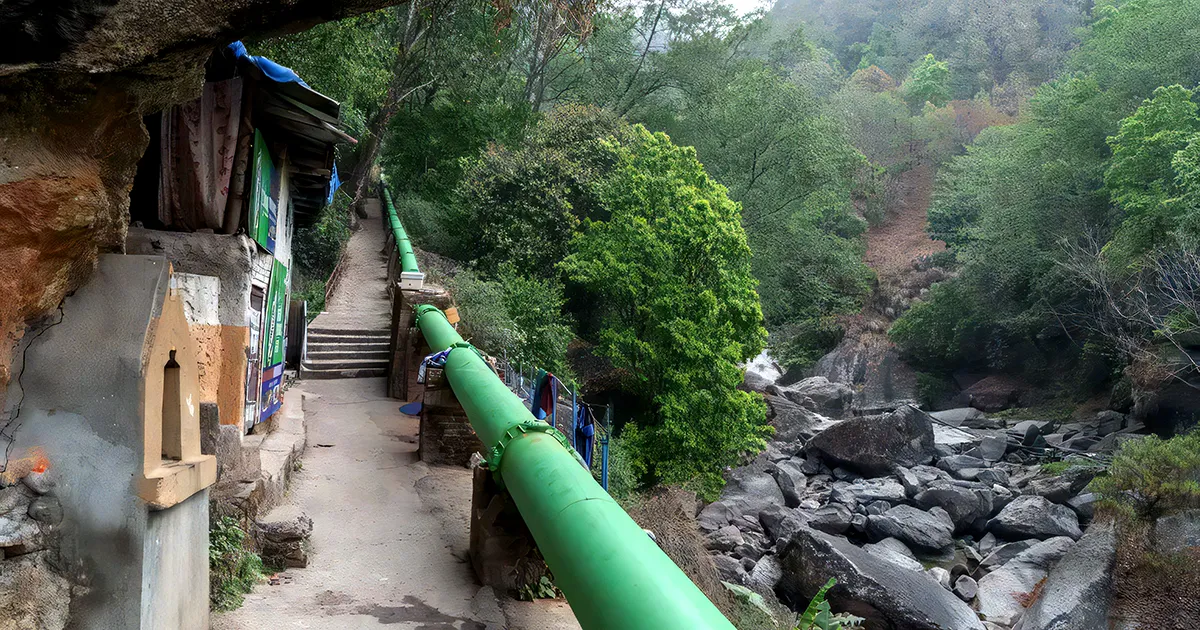
Locals often drink tap or spring water without issues because their bodies have adapted over time. Tourists, however, do not have the same immunity. For this reason, it’s best for travelers to avoid drinking tap water and rely instead on boiled, filtered, or properly sealed bottled water throughout their stay in Nepal
Nepal Drinking Water Safety Measures
Nepal does have municipal water treatment systems and bottled water regulations, but enforcement varies. Urban water supplies are technically treated, yet inconsistent chlorination and aging infrastructure often compromise quality.
On trekking routes, teahouses commonly boil water or offer filtered refills, especially in popular regions like Everest and Annapurna. Still, standards differ from place to place, and “safe” depends heavily on how the water is handled after treatment.
This is why guides and travel doctors almost universally advise tourists not to drink untreated tap water in Nepal.
Safe Water Practices in Nepal
Safe water practices in Nepal vary by location and water source. In cities like Kathmandu, municipal water is treated through filtration and chlorination, but aging pipelines and leakage can cause contamination before the water reaches taps. For this reason, tourists are advised not to drink tap water directly, even in urban areas.
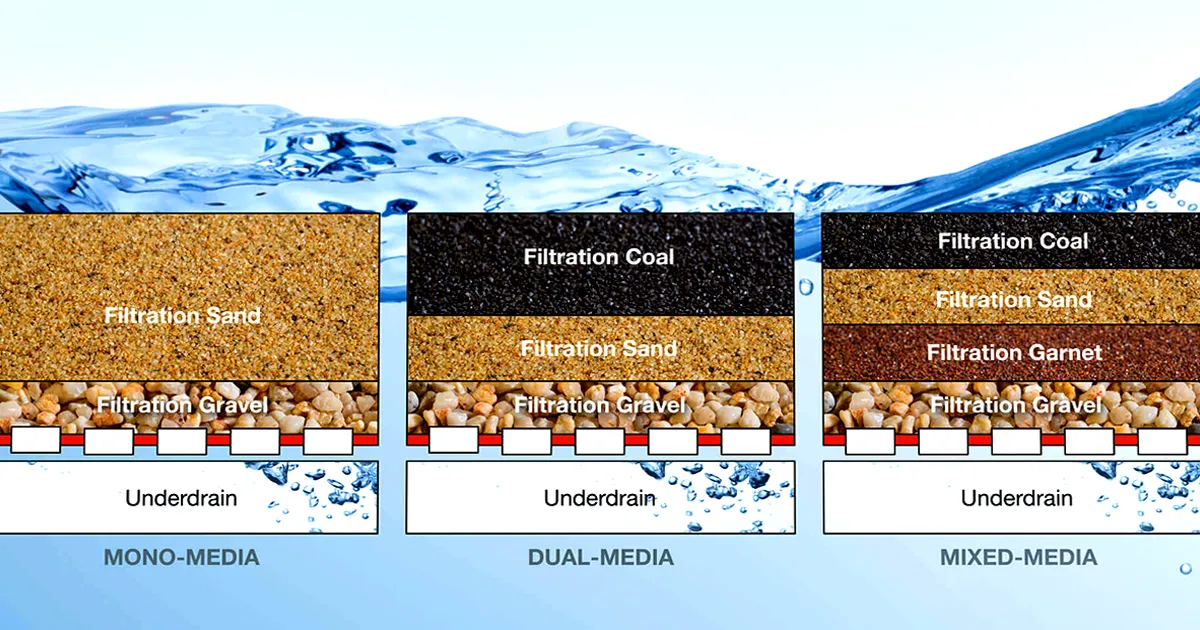
In rural regions, water is often managed by local communities or VDC-level systems that rely on natural springs. These supplies usually pass through basic treatment such as sedimentation, sand filtration, and occasional chlorination. While generally reliable for locals, maintenance and seasonal factors can affect safety.
Nepal’s spring water is naturally filtered through rock and soil, making it clear and mineral-rich. Locals drink it daily, but visitors may still be sensitive to unfamiliar microorganisms.
Safe Drinking Water Options for Tourists in Nepal
Tourists in Nepal have several reliable options for safe drinking water, depending on where they are traveling. Here are the list of some of the safest options:
Bottled Water
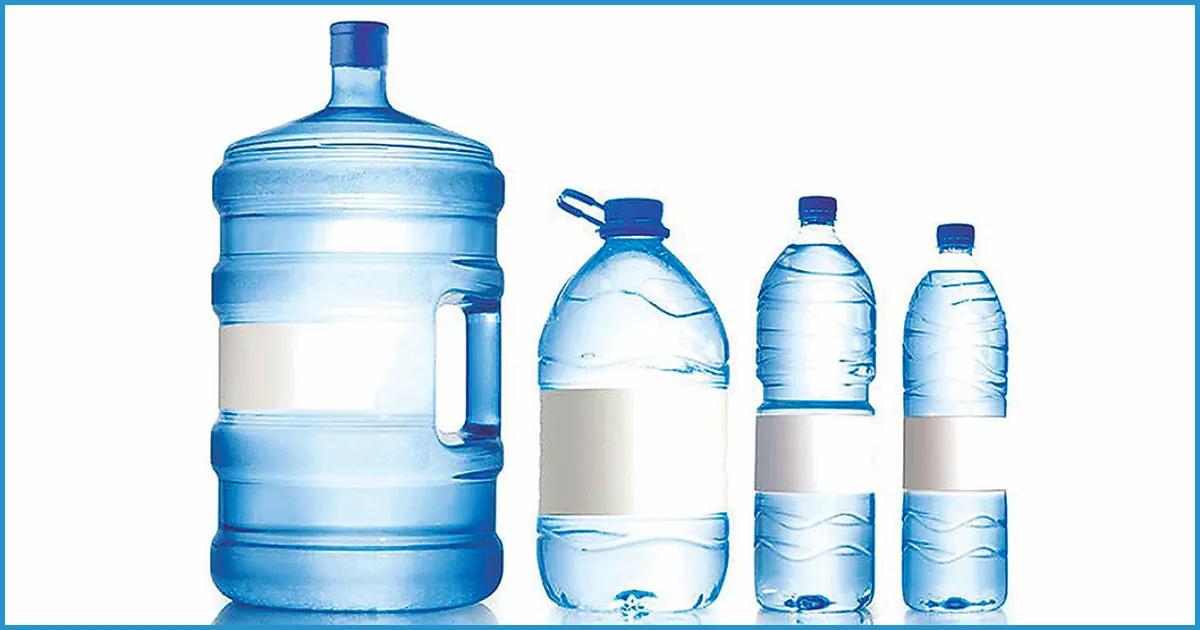
Bottled water is the most common choice for tourists in cities. Reputable brands are widely available in Kathmandu and Pokhara. However, travelers should always check seals, as resealed bottles do exist.
While convenient, bottled water creates significant plastic waste, especially on trekking routes where disposal options are limited.
Himalayan Spring Water
In mountain villages, water often comes from natural springs labeled as “Himalayan spring water.” These sources are generally cleaner than city tap water but still not guaranteed safe for visitors without treatment.
Many trekkers safely drink spring water after boiling or filtering, not directly from the source.
Glaciers, Streams, and Rivers
Clear glacier water and mountain streams are actually the source of water in Nepal. Even though these look incredibly pure, but they are not automatically safe. Upstream livestock, human settlements, and melting ice can introduce harmful bacteria.
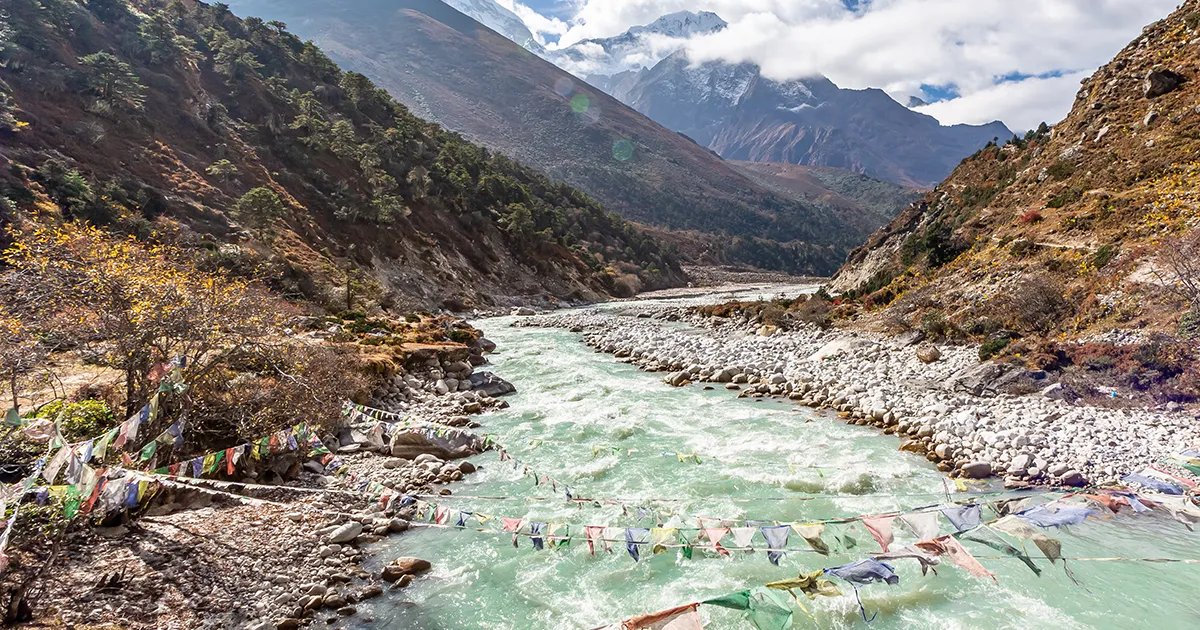
Even at high altitude, untreated surface water should always be purified before drinking. While the water supply facilities treat those water before distributing, you might not get that service on trek.
What Can Tourists Do to Make Tap Water Safe in Nepal?
Use Purification Tablets on Treks
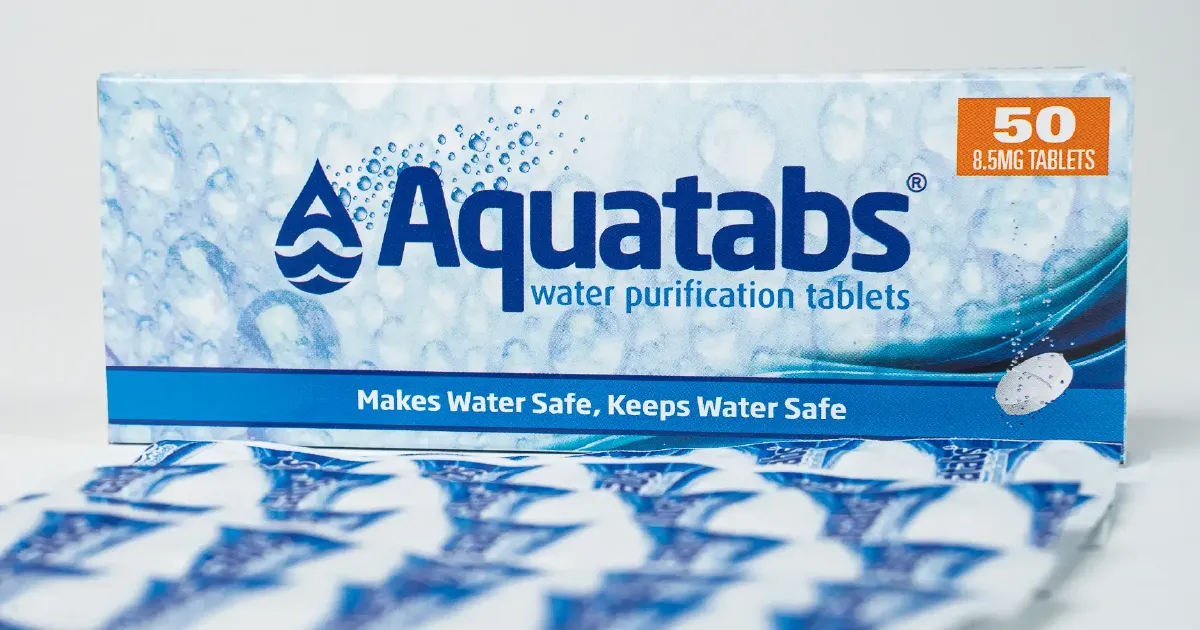
When trekking in the mountains, purification tablets are one of the easiest and most reliable solutions. They’re lightweight, affordable, and effective against most bacteria and parasites found in natural water sources.
Many trekkers rely on them daily, especially when refilling from village taps, springs, or lodge supplies. While they may slightly affect the taste, they offer peace of mind in remote areas.
Buy Bottled Water Where Possible
In cities like Kathmandu and Pokhara, bottled water remains the safest and most convenient option. Always check that the seal is intact before drinking.
On trekking routes, bottled water is available but becomes expensive and environmentally unfriendly at higher altitudes. Use it when necessary, but try to limit overuse by combining it with purification methods.
Ask for Boiled Water in Teahouses
Most teahouses along popular trekking trails provide boiled drinking water for a small fee. This is one of the safest options in the mountains and widely used by trekkers.
Boiled water, when properly prepared, eliminates harmful microorganisms and is far safer than untreated tap or spring water.
Don’t Drink Directly from a Spout
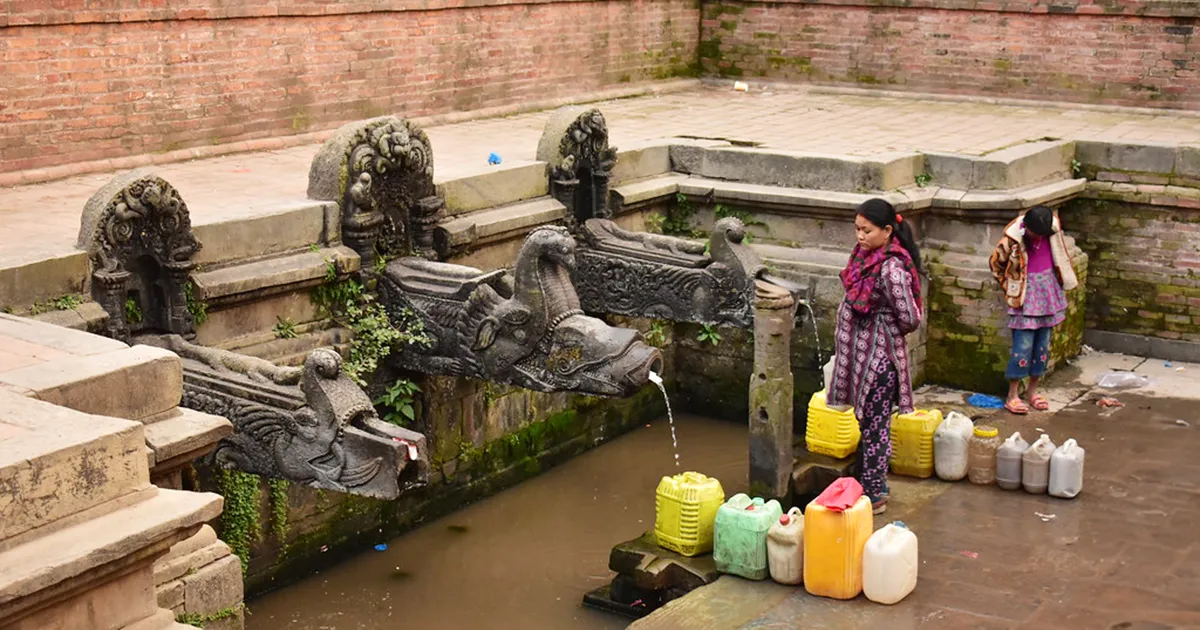
Mountain spouts and village taps may look clean and refreshing, but appearance can be misleading. Even clear, cold water flowing from a pipe or rock face can carry bacteria from upstream sources.
It’s always a great idea to treat the water first, before drinking. Either boil it filter it, or use purification tablets before drinking.
Check our blog on “Water on EBC: Safe Drinking Options, Refill Points, and Bottle Strategy” for more details.
Be Smart, Travel Fearless
So, is tap water safe in Nepal?
For most tourists, the honest answer is no, definitely not straight from the tap. But that doesn’t mean water safety should become a constant worry during your journey.
Thousands of travelers explore Nepal every day without issues simply by following a few smart habits: drinking treated water, purifying natural sources, and avoiding shortcuts when it comes to hydration. Once these become routine, water safety fades into the background, exactly where it belongs.
Nepal’s mountains, culture, and hospitality deserve your full attention, not a stomach problem caused by a preventable mistake. Be cautious, not anxious. Prepare, don’t panic. With the right approach, staying healthy in Nepal is easy—and your memories will be shaped by breathtaking views and warm encounters, not by what you drank.
Travel informed, drink responsibly, and let Nepal surprise you for all the right reasons.
FAQs
Expand AllCan you drink tap water in Nepal?
No, tourists are advised not to drink tap water directly in Nepal. Even though it may be treated, contamination can occur through old pipes and storage systems.
Is it safe to brush teeth with tap water in Nepal?
For short stays, brushing with tap water is generally low risk, but cautious travelers use bottled or filtered water, especially during the first few days.
What is the best way to purify water in Nepal?
Boiling water is the safest method. On treks, purification tablets, portable filters, or UV purifiers are reliable and widely used by trekkers.
Do I need a water filter for Nepal trekking?
Yes, a water filter or purification tablets are highly recommended for trekking. They reduce plastic waste and are practical in remote areas.
Is bottled water safe everywhere in Nepal?
Bottled water is usually safe in cities and tourist areas, but always check the seal. In remote regions, availability and authenticity can vary.
Can you get giardia from water in Nepal?
Yes, giardia and other waterborne parasites can be present in untreated water. This is why treating all drinking water is strongly advised.
How much does a liter of water cost in Nepal?
In cities, a liter of bottled water costs roughly NPR 30–50. On trekking routes, prices increase with altitude and distance.
Is boiled water safe to drink in Nepal?
Yes, properly boiled water is one of the safest options and is commonly provided by hotels and teahouses across Nepal.
Are water refill stations safe in Kathmandu?
Most reputable refill stations use filtration and UV treatment and are considered safe. They’re also a good eco-friendly alternative to bottled water.
What do locals drink for water in Nepal?
Locals often drink tap or spring water, sometimes boiled or filtered. Their bodies are accustomed to local microorganisms over time.
Is there chlorine in Nepal tap water?
Yes, municipal water is usually chlorinated, but the level and consistency vary, and chlorine alone does not guarantee safety for tourists.
Do hotels in Nepal provide safe drinking water?
Most hotels provide bottled, boiled, or filtered drinking water. Tap water in hotel bathrooms is still not recommended for drinking.
Is stream water safe on Annapurna Circuit?
No, stream water should never be drunk untreated, even at high altitude. Always boil or purify it before drinking.
What are symptoms of water poisoning in Nepal?
Common symptoms include diarrhea, stomach cramps, nausea, vomiting, fatigue, and dehydration. Seek medical care if symptoms persist.
Can I use LifeStraw in Nepal?
Yes, LifeStraw and similar portable filters work well in Nepal and are popular among trekkers, especially for treating stream and spring water.
Related blog posts
Discover a choice of tourist destinations loved by most of our visitors. Whether you're on a jungle safari to spot rare animals or walking through a world heritage site, these well-planned itineraries cover the major highlights of Nepal.
 call an expert at: