
Walking and Resting on Kailash Kora: How Long You Actually Move Each Day?
 Amrit K. Aryal
How long do you walk each day on Kailash? And how much do you rest?
These are the most asked questions when pilgrims travel to Kailash. Are the answers to these questions as easy as we think? People prepare for months to travel to Kailash Mansarovar and complete the Kailash kora. Though people think of walking and resting on Kailash route for months before the journey even starts. The journey at high altitude sometimes haunts the pilgrims. Even the strongest trekker whispers on their breath near the Yama Dwar, even before the kora starts.
Even the old pilgrims cross the passes easily, while youths who go to the gym and do aerobics daily quit trekking. The guides are always there with you to support you in every step of the kora. Just make constant communication with them. The trek to Kailash and Mansarovar is not a typical trek like the EBC or Annapurna Circuit. This trek involves altitudes above 5600m.
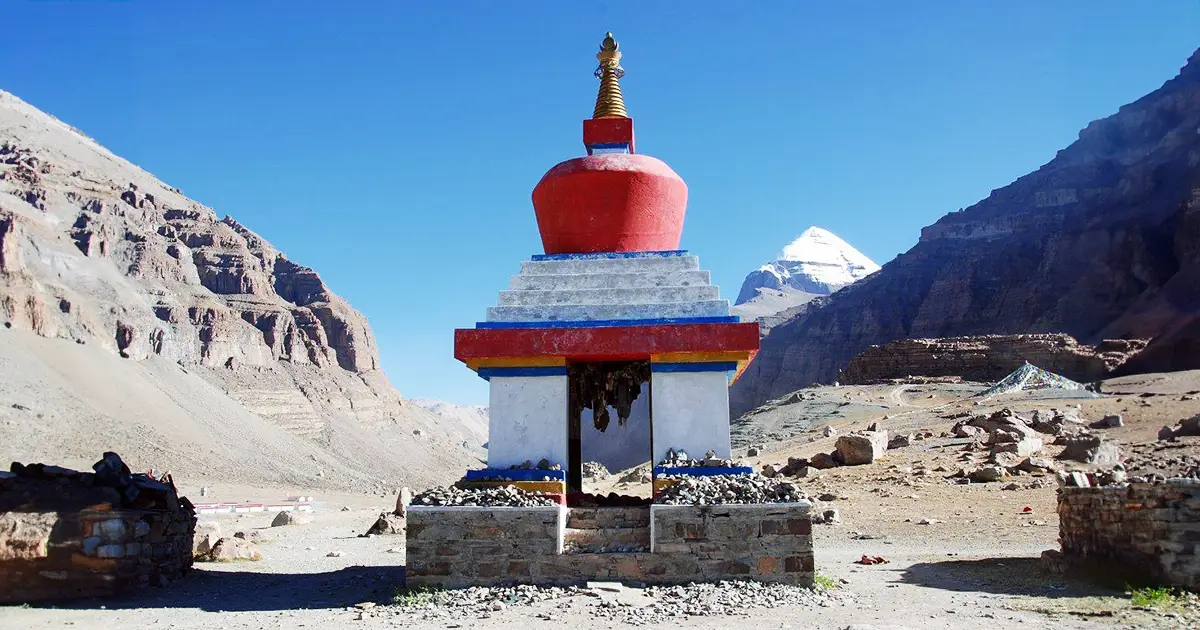
The cold wind always talks to you. You just need to listen to the message it is giving you in silence. The abode of Lord Shiva is as mystical as lord Shiva himself. The Kailash Mansarovar Kora is never about the distance and hours. It is always about the height. The long walking distance and the hours of walking seem smaller in front of the height. Most online pages throw numbers. Hours. Kilometers. Charts. But they forget fear, altitude, waiting, silence, breath, and that strange slowness that enters the body above 4500 meters.
For many pilgrims, the Kailash Kora walking time is not about how much you walk. It is about how much you stopped and took breaks. It is the stopping and rest that provides enough rest to your muscles and lungs to fill the air in the right amount. Even when the knees answer the distance, you need to provide enough motivation to the lungs and keep on walking till you cross the Dolma La Pass.
In this blog, you will learn how walking and resting on the Kailash route are balanced, how pilgrims feel about the Kailash parikrama daily distance, and where Kailash Kora rest stops are. We will also try to find out why the Kailash Yatra physical difficulty is more psychological than physical and muscular.
Kailash For Believers
People planning the Mount Kailash Trek duration seem worried about their fitness. The confidence of being young and fast sometimes puts them in trouble. Some tourists travel to Kailash not for being religious but to feel the adventure of the high-altitude trekking. On the other hand, some believers and devotees visit the mountain and lake Manasarovar as the home of their lords and the place where their messengers of god got enlightenment.
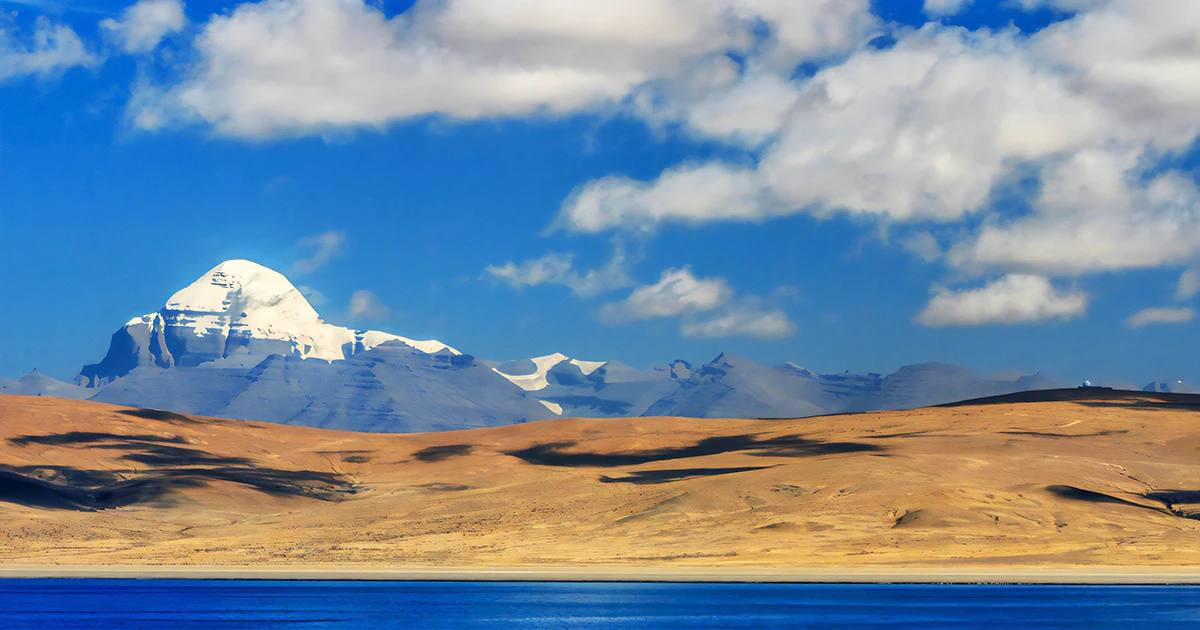
These practical tips are written for those who are willing to travel to Kailash in 2026. Especially the elderly pilgrims, women, Gen-Zs, and non-religious trekkers.
Mount Kailash Beyond Numbers
The Kailash Parvat trek time sounds manageable to think about. But when you are in the real trekking ground, even a second counts. Every moment you take to take a photograph, it wastes an extra second of your day. It seems manageable now, but practically, it seems difficult. It is just a 52 km distance from Yama Dwar to Darchen to walk for the remaining three days. These 52 km are divided into three days to cover.
Seems quite simple. The Everest Base Camp round trip is 130 km. In this regard, the Kailash Trip is even shorter than half of the EBC trek. This is even shorter than many Himalayan treks. Here, the most important thing to notice is also the height. The ultimate ascent to the Dolma La Pass is at a height of 5600, even higher than the Everest base camp. Here, the air is thin, speed is slowed, and ego is gone.
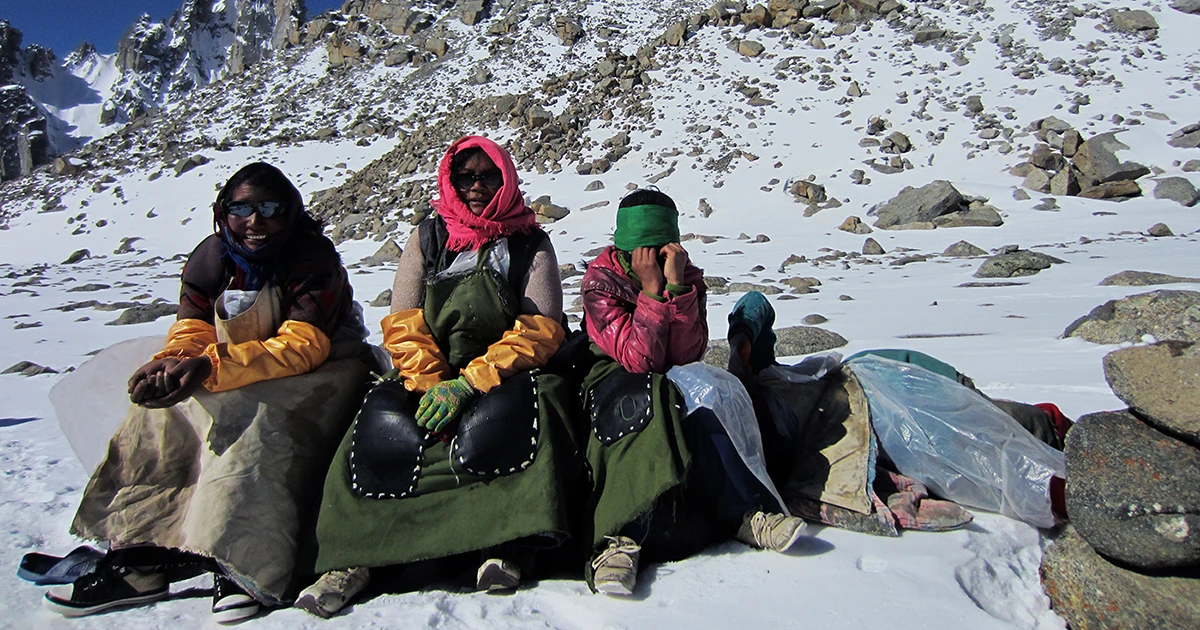
Most importantly, Kailash route walking hours change daily due to weather, wind, group energy, and sometimes for reasons you cannot predict. If a single person in the group gets sick, the pace of the whole group is slowed.
This is where many Kailash Yatra itineraries look false. The brochures are made with a fixed departure and schedule. A trip to Kailash does not always follow schedules. This is why resting on Mount Kailash is necessary. Resting is not optional; it is survival.
Day One: Yam Dwar to Dirapuk
Walking on Kailash the first day is filled with excitement and energy. The gentle slope sets the tone of the day. The first day of walking on Kailash takes around five to six hours, with frequent rest stops. Yamadwar is the first spot for resting on Kailash Yatra. At the end of the day, the trek takes you to Dhiraphuk, where pilgrims visit the monastery and rest for the day.
Day Two: Dirapuk to Zuthulphuk via Drolma La
This is what everybody talks about walking and resting on Kailash Kora. The real Kailash trek level of difficulty is felt on the second day of Kora. Walking on Kailash Kora for hours shows its wrathfulness. Walking for hours stretches and exhausts the muscles.
Climbing to Dolma La Pass is the real difficulty. Passing the high pass above 5600 m really makes you tired, mentally and physically. It is not recommended to rest at high passes. It is found that pilgrims often fall asleep while resting on high passes, and this is one of the most dangerous acts one must avoid.
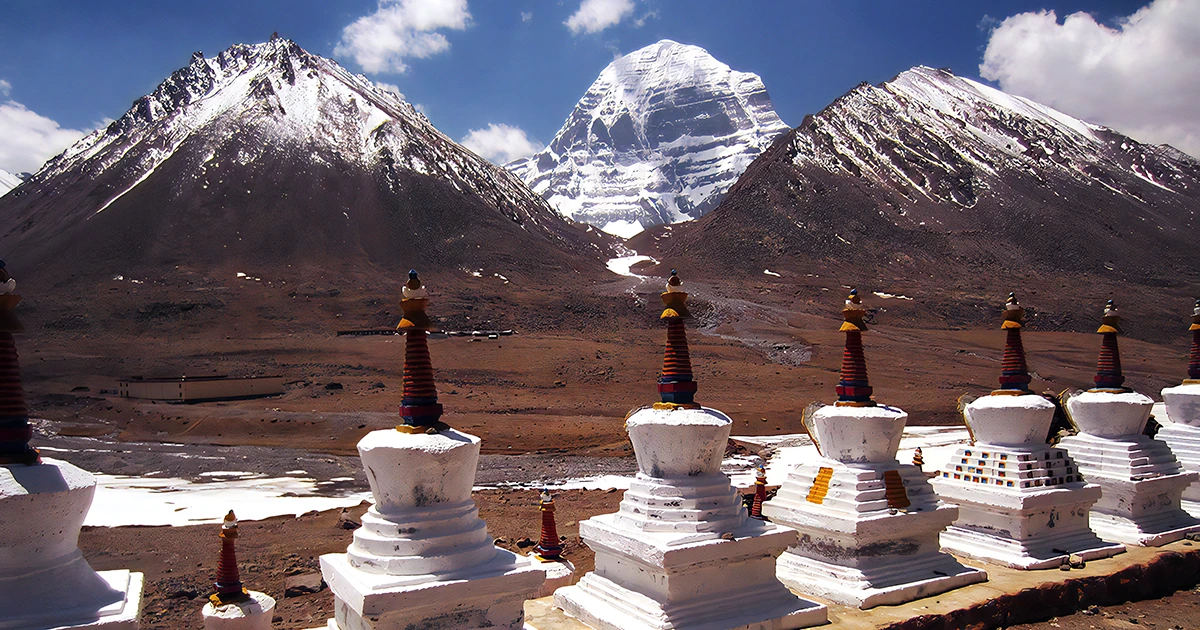
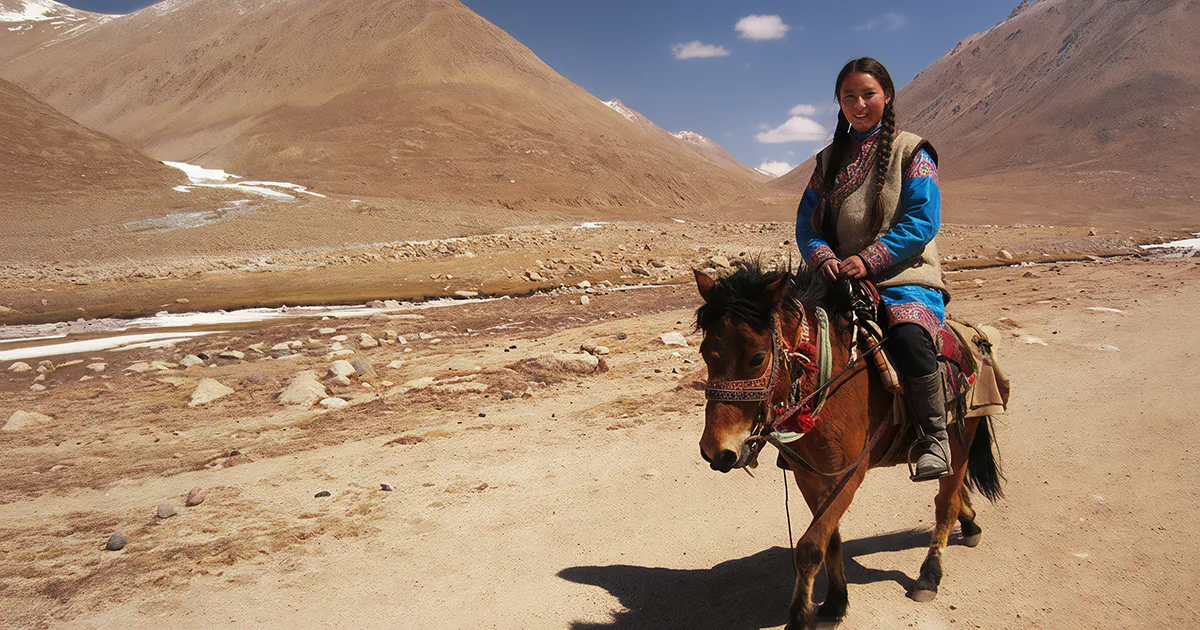
People cry, overwhelmed, chant a mantra, and shout “Om Namah Shivaya” to best their inner self. This is also the place where many pilgrims cannot climb and return to Dhiraphuk to get medical and logistical support like horse or pony. Walking and resting on Kailash must be balanced at high passes.
Day Three: Zuthulphuk to Darchen
After crossing the Dolma La Pass and resting at Zuthulphuk on the second day, the body gets revived for the third day. The body feels light and relaxed. This day is a short walk to Darchen, walking just three to four hours. This day is to celebrate the victory over the Dolma La Pass.
Practical Tips for Walking on Kailash Kora
Permits and Route Planning
Walking on Kailash needs permits and a visa approved by the Chinese government. The permits and visas must be applied for in a group of at least 21 people. Solo walking on Kailash is strictly forbidden. It is to protect the authentic religious and geographical significance of the mountain.
Best Season for Walking and Resting on Kailash.
The best time for walking on Kailash is May to early September. Some even prefer June and August with some weather risk. These months bring thick snow that might block the way, making walking on Kailash difficult.
Age and Fitness
The minimum age limit for walking on Kailash is 10 years, and people above 70 are rarely allowed to walk on Kailash Kora. The authority pays close attention to the health factor for approving the permit and visa.
What Not To Do in Kailash Kora
- Walking on Kailash Kora is not a race. Walk slowly at a steady pace.
- Do not skip meals. They are the source of protein and carbs for your trekking in Kailash.
- Do not hide discomfort to appear strong. Communicate well with your guide.
- Do not think every day remains the same in Kailash. Every hour seems different at high altitude.
- Respect the high altitude and stay disciplined.
Last Words
If you came here expecting a fixed number, I may have disappointed you. But if you came seeking honesty, this matters. The Kailash Kora walking time does not justify your journey, but the altitude does. Your belief and passion towards the mountain are what really matter.
Walking and resting on Kailash Parvat is about endurance and patience. The overall journey is about your adaptability to high altitude and coping with the rough terrain.
Take a slow breath, stay hydrated, and walk slowly. Kalish will not judge you for your slow pace. It will appreciate your respect for the height.
FAQs
Expand AllHow many hours do you walk each day on Kailash Yatra?
On average, trekking for five to seven hours a day is normal. The first day feels easier, and the second feels the hardest. The high altitude, cold wind, and rocky, steep path make the trail more difficult.
What is the hardest day of Kailash Kora?
The second day, while trekking from Dirapuk to the high Drolma La pass and finally descending to Zuthulphuk, is the hardest part of the trek. This is the day for your emotional and physical test.
How long does it take to cross Drolma La Pass?
It takes around three to four hours to cross Dolma La Pass and another two to three days to reach Zuthulphuk.
How much time to rest at Dirapuk and Zuthulphuk?
You typically rest 12–14 hours overnight at both places. Walking is limited to daylight; evenings are for rest, silence, and recovery.
Is a 3-day Kailash Kora possible for beginners?
Yes, the Kailash Kora is generally completed in three days, unless there are any health issues or weather challenges. Just walk slowly, drink water, and trust yourself.
Can senior citizens complete the Kailash Kora in 3 days?
Yes, the Kailash Mansarovar Yatra is open for every healthy person. The elderly people can also complete the Kailash Kora, supported by the horses and porters.
All you need is good acclimatization, enough water, discipline, and high determination to cross the Dolma La pass.
What is the walking time from Yam Dwar to Dirapuk?
It takes around 5 to 6 hours to reach from Yam Dwar. The terrain is gentle but with a gradual increase in height.
How much time is required for the full Kailash Parikrama?
The full itinerary for the Kailash Mansarovar Yatra is 14 days, with three days for the Kailash Kora.
What is the best resting points during Kailash Kora?
The best resting spots during the Kailash Kora are:
- Yam Dwar
- Dirapuk Monastery
- Chiu Monastery
- Dolma La prayer flag area (just for a while)
- Zuthulphuk Cave area
How long to walk from Dirapuk to Zuthulphuk via Drolma La?
On a normal day, it takes about 8 to 10 hours to reach Zutulphuk from Dhiraphuk.
Do we get enough rest during the Kailash Yatra?
Yes, there is a fixed distance we walk each day. Walking is limited when the nights are cold and long. The itinerary is made with a balance between walking and resting in Kailash.
Is pony allowed full route Kailash 2025?
Ponies are allowed on the plain and easier sections. But, you need to walk on the icy and rocky steep sections in the Dolma La Pass. The rule might change depending on the weather.
Related blog posts
Discover a choice of tourist destinations loved by most of our visitors. Whether you're on a jungle safari to spot rare animals or walking through a world heritage site, these well-planned itineraries cover the major highlights of Nepal.


 call an expert at: