
Clean Kailash Campaign: Travel Ethics to Preserve Kailash
 Amrit K. Aryal
Na-asti: Kailash truly does not belong to humans.
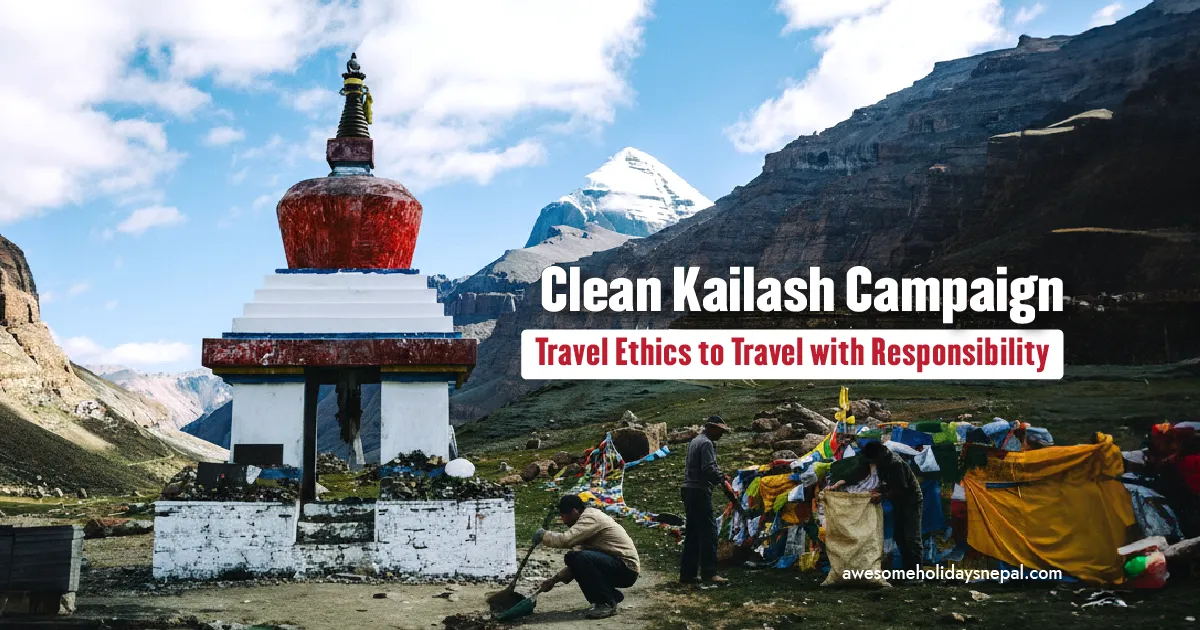
For centuries, pilgrims have travelled to Mount Kailash, drawing thousands of people every year. Completing the Kailash Kora, carrying faith and belief, they return, leaving some garbage behind. In recent years, the Clean Kailash Campaign has gained traction to support the area’s sustainable development. Mount Kailash has been standing there for ages, long before humans learned to put their footsteps on it and learned to circle it.
Around ten thousand people visit Kailash Mansarovar every year. Each of them brings their waste with them. Hundreds of kilos of waste are still accumulated there. So, the question on Mount Kailash Yatra is only about faith? Or is it also about responsibility for solid waste management?
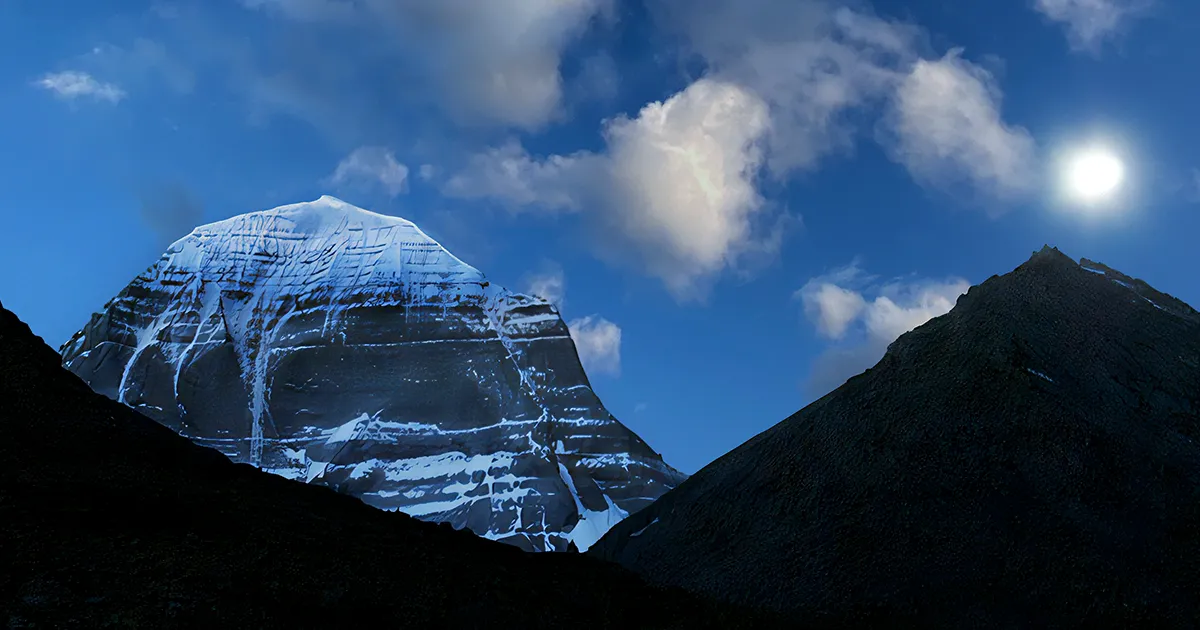
Pilgrims have approached this mountain with faith and caution, carrying little and leaving almost nothing behind. This is important to keep the mountain and faith alive. The Clean Kailash Campaign is a concept to restore the balance between reverence and reality in the land of Kailash.
Not every pilgrim truly understands nature. For them, every act they do is a devotion. But, while offering things to the Lord, like lakes, rivers, or elements of nature, one must consider the effect on the environment. They do it without truly understanding the negative impact on nature. Sometimes unknowingly and sometimes carelessly. Such an act of carelessness is not always a moral failure but could be a systems failure. This is where the “Clean Kailash Campaign” comes into action.
The Sacredness of Mount Kailash
Kailash holds meaning for people of every religion. For people of all faiths, this mountain holds the faith of all and refuses to stay inside one religion.
For Hindus, Mount Kailash is the abode of lord Shiva. Shiva resides on the peak with his wife, Mata Parvati, and his two sons. For Buddhists, it is Mount Meru, the central axis of the universe. It is the land where their lord Demchok attended liberalization. It is where Tibetan Buddhism developed.
For Jains, it is the sacred place where their first Tirthankara Rishavdev, got enlightened. It is the place of liberation. It is the place from where the rebirth stops, and one gets the ultimate freedom from the cycle of life.

Another religion, Bonpo, which has existed in Tibet far earlier than Buddhism, is the seat of cosmic power. Geographically, Kailash holds some amazing facts that really amaze anyone reading this blog. It is the place from which the four major rivers of Asia originate. The Brahmaputra, Indus, Sutlej, and Karnali (Ghaghara). The origin of these rivers is also connected to the myth of Bhagirath calling Ganga to earth.
Why Kailash Needs a Clean-Up Movement
Sacred does not always mean to be invincible. As a part of nature, the mountain also suffers ecological damage. Global warming also affects the fact that it does not ask what you believe.
The foot traffic has increased, and there are roads that circle the mountain with fuel vehicles travelling around. The traditional meal system has been replaced by packaged foods. And the result?
Plastic Pollution
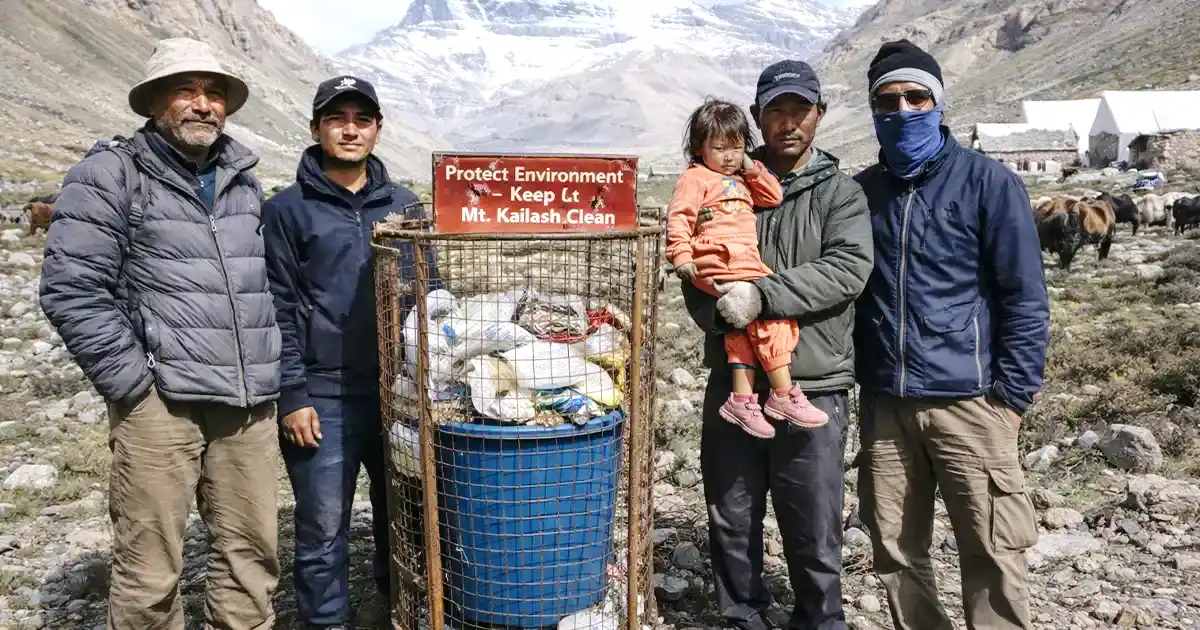
PVC, polymers, Bakelite, and Plastics. These are all similar terms that pollute the environment. These are non-biodegradable and remain on the surface of the earth for centuries without degrading. These synthetic plastics have become one of the burning issues on the globe. Sanitation has become a real problem in the trails. Is the infrastructure sufficient for the pilgrims? In many sections, there are insufficient facilities for toilets, for both locals and visitors. Open defecation was common in the past, but now the Clean Kailash Campaign is in action.

The locals and pilgrims are now conscious of the cleanliness and finding alternatives. There are some waste collection points scattered in the trails. The 3R concept of Reduce, Reuse, and Recycle is put into action. The lack of coordination between travelers, locals, and tour operators created an imbalance.
What Is the Clean Kailash Campaign?
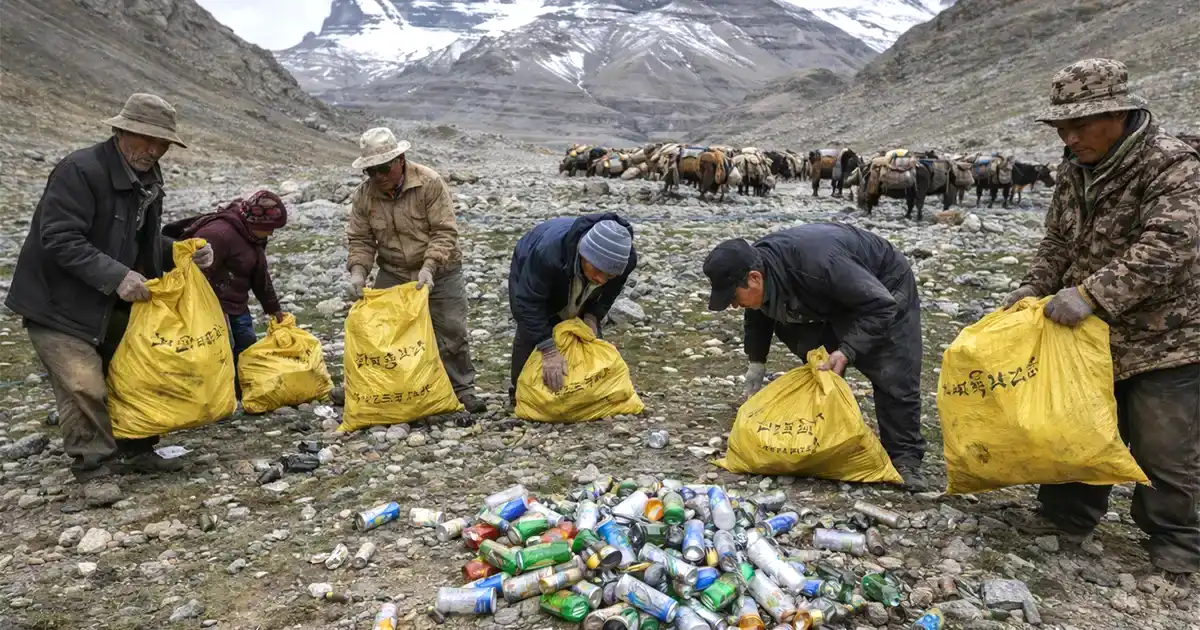
Is the Clean Kailash Campaign a one-time campaign to clean the Everest? It is a principle, a concept that brings a change in the behavior of people. The idea of the Clean Kailash Campaign, led by various organizations and tour operators, is bringing a behavioral shift to keep the area clean and pure. The project focuses on community-centered cleanup campaigns and long-term waste management programs during the seasonal and off seasonal Kailash Kora. Local people, concerned authorities, volunteers, pilgrims, tour operators, NGOs, and the government must work together for the success of the project. The goal is practical. Reduce waste. Improve sanitation. Educate pilgrims. Preserve dignity, both human and ecological.
How to Participate in the Clean Kailash Campaign?
Everyone can participate in the Clean Kailash Campaign at their level. The foremost thing is to reduce global warming by reducing pollution. The release of harmful gases that damage the ozone layer can be reduced. Spread awareness not to damage any heritage and to bring back all the waste they make before travelling to Kailash. Mount Kailash and Mana Sarovar do deserve to be treated with purity and dignity.
Community Action Across Borders
ICIMOD is an active organization working to preserve nature. It is working in the Kailash Mansarovar area to address issues like sanitation and waste challenges along the pilgrimage routes. Though it lies in the physical territories of China, Mount Kailash is a common property. The liabilities, too, are distributed among all the stakeholders and pilgrims. Technically, sanitation and cleanliness are not preached but practiced. Through the Kailash Sacred Landscape Conservation and Development Initiative, Inc.
In collaboration with communities, projects like open defecation-free and waste-free campaigns were conducted in Didihat and Patal Bhuvaneshwar in India. These places are part of the direct access to the Kailash route. Such projects were successful with significant improvement.
Kailash, Mansarovar, Water and Ecosystems
The Kailash is known for the pile of snow on the flat peak. When the snow melts, streams and rivers are created. The snow becomes the river, and the river creates life. Mansarovar holds life too. It is an example of a freshwater pond ecosystem. On the other hand, the Rakshastal is lifeless. It is found that the Rakshastal consists of concentrated salt, making the lake unfit for life. So, protecting Mansarovar is another idea of the Clean Kailash Campaign.
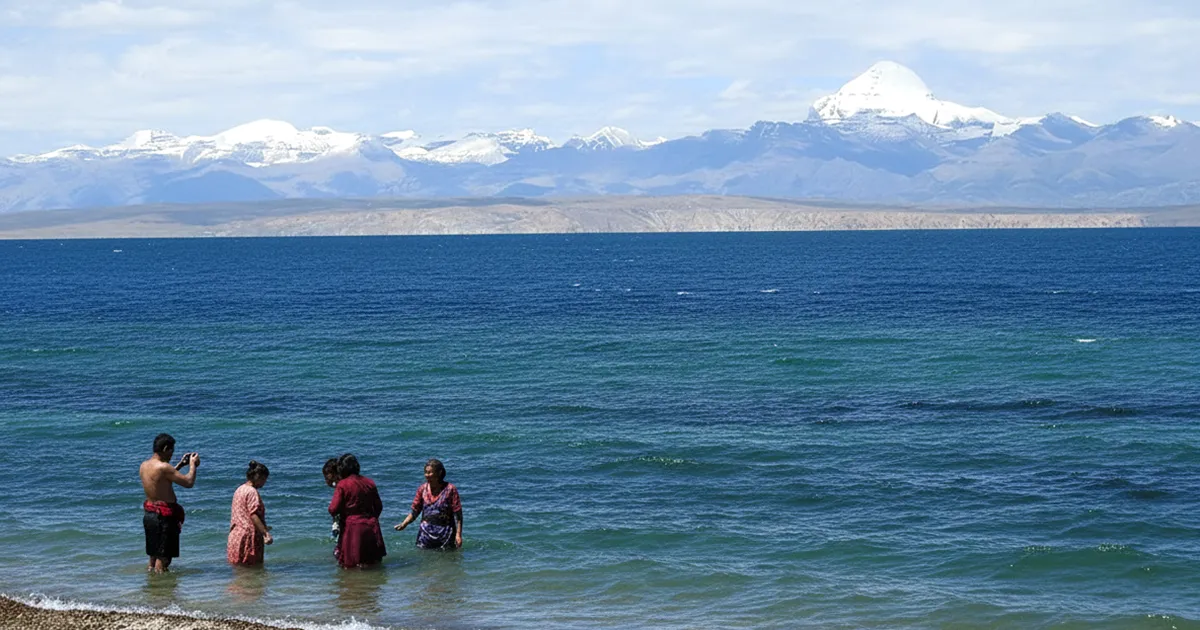
This also aligns with goals 3 and 6 of the United Nations Sustainable Development Goals. Health. Clean water and Sanitation. These are not only abstracted but also lived as realities.
Travel Ethics for Every Visitor
Kailash is the place of your lord. Isn’t it your responsibility to protect the land? While you are on a pilgrimage or spiritual journey, your responsibility increases. Do you remember, great power comes with greater responsibility? Take only the biodegradable waste that you can carry. You need to bring back the waste on return. Reduce the use of plastics, not only in Kailash but also in your daily life.
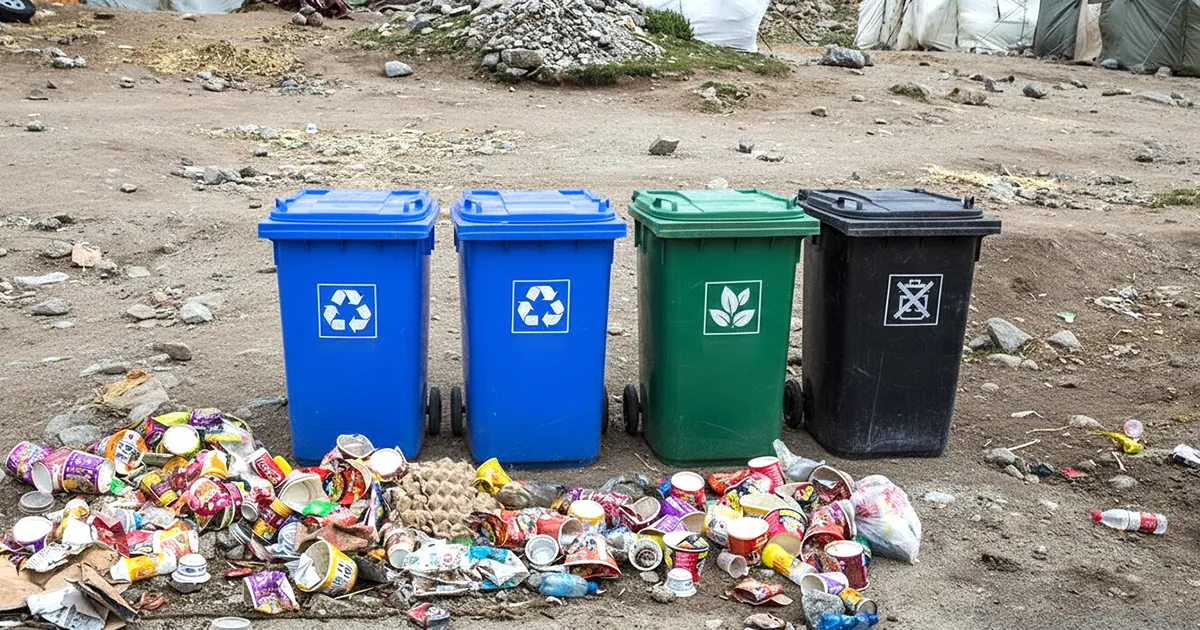
Keep the water resources untouched. Use a reusable plastic bottle. Reduce the use of plastics and refuse what you do not need on the journey. You must respect the silence on the trail. You must respect people and local traditions and ask for permission before taking their photographs.
Revive the nature to let it revive your soul in return!
FAQs
Expand AllWhat is the Clean Kailash Campaign
The Clean Kailash Campaign is an initiative run by locals, communities, and stakeholders to protect the environmental, cultural, and spiritual value of Mansarovar and Mount Kailash. This initiative aims to maintain a clean environment and enhance the health and sanitation of the entire region.
Why is Mount Kailash considered a sacred site
People from different religions have faith in Mount Kailash. For them, the mountain holds myths and legends of their lords. The geographical location of Kailash also makes the place special for pilgrims. Four rivers of Asia, supporting millions of lives, originate from this place.
How can pilgrims help keep Mount Kailash clean?
Individual micro habits of Pilgrims help to create larger effects to keep Mount Kailash and Mansarovar clean. Every pilgrim must bring back their waste along with them. One must be aware of avoiding plastics as far as possible, not only in Kailash but also in their daily life.
What are the dos and donts of Kailash Mansarovar Yatra?
Dos in Kailash Mansarovar Yatra
- Pilgrims need to carry reusable bottles.
- Respect local customs, cultural etiquette, and silence.
- Must follow the instructions from the guides in Nepal and Tibet.
- Must acclimatize to be safe from altitude sickness.
Do not
- Do not throw waste elsewhere
- Do not burn any waste, as it pollutes the air
- Do not wash clothes or use soap in Mansarovar or any water bodies
- Do not get diverted from the assigned routes.
- Do not carry anything made of plastic.
What does pack in, pack out mean at Mount Kailash?
Pack in, pack out means you must bring back everything you took in. This is a sustainable practice to keep Mount Kailash and Mansarovar clean. One must not leave anything behind that will decrease the quality of nature.
Is plastic allowed during the Kailash Mansarovar pilgrimage?
Plastic is not completely banned, but is strongly discouraged in Kailash. Some of the areas have restricted the use of single-use plastics to reduce the impact on the environment.
Can pilgrims bathe in Lake Mansarovar?
Bathing in Lake Mansarovar is strictly regulated. People are not allowed to enter the lake to bathe, but can take out buckets of water to purify themselves. However, they are not allowed to use soap or shampoo near the water resources.
What cultural etiquette should be followed at Mount Kailash?
Yes. Local people in Tibet are very sensitive about their culture and religion. Respecting the local tradition is very important in Kailash and Mansarovar. Locals and monks must be asked for permission before taking their photographs.
Are there rules pilgrims must follow during Kailash Kora?
Yes. Travellers and pilgrims must follow some rules to maintain silence and honor the local tradition. There is no shortcut in the Kailash Kora. They must dress modestly and avoid loud music or shouting.
People must not walk along or go near the foot of Mount Kailash in a desire to touch it. Kaialsh Kora is not a marathon but a journey of spirituality.
Related blog posts
Discover a choice of tourist destinations loved by most of our visitors. Whether you're on a jungle safari to spot rare animals or walking through a world heritage site, these well-planned itineraries cover the major highlights of Nepal.

 call an expert at: