
Failed My Everest Trek: 7 EBC Trek Lessons for Beginners
 Sristi Adhikari
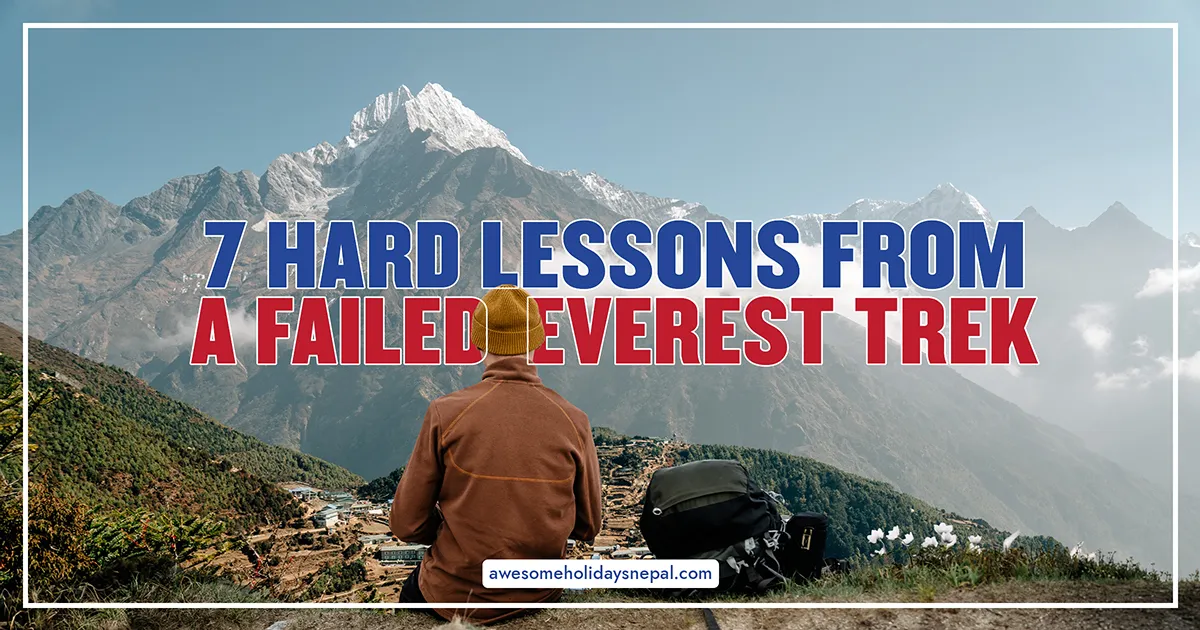
Everest Base Camp Trek is a dream of every trekking enthusiast all around the globe. I was one of them, and I failed my Everest Trek due to common Everest Base Camp Trek mistakes that every beginner often makes.
The EBC trek is popular for the scenic view of towering peaks like Mount Everest, Lhotse, Makalu, and Ama Dablam, rugged trails, unique landscape, and cultural immersion of the Khumbu Sherpa communities.
Are you also planning for Everest and thinking about EBC Trek for beginners, what includes the Everest Base Camp Trek mistakes often made by beginners? Then, you are in the right place. Continue reading for more details.
Physical Fitness Matters
The Everest Base Camp trek is physically demanding, and underestimating it was one of the biggest reasons behind my failure. I thought I would complete my EBC trek with a regular workout and general walking, but you have to prepare yourself for long uphill climbs while carrying a heavy backpack for multiple hours.
The EBC trek requires endurance rather than a high fitness level. My body struggled to adapt to higher altitudes due to poor cardiovascular endurance and limited recovery capabilities.
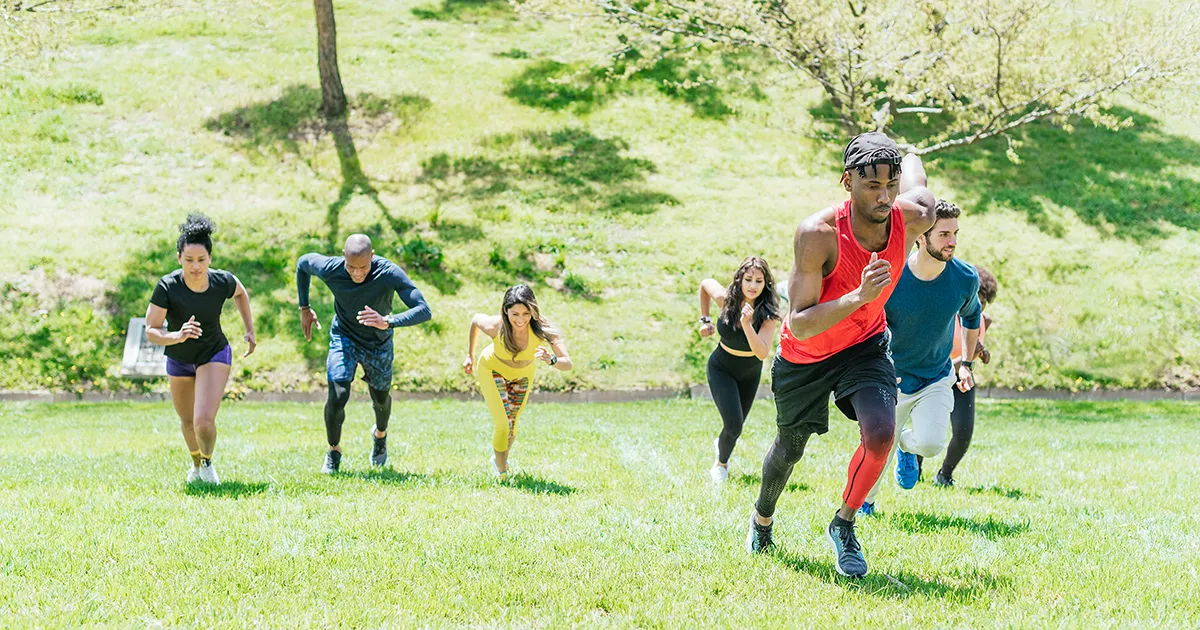
This increased the risk of illness, which forced me to turn back in the middle of the trek. The moderate level of EBC trek only rewards the preparation rather than good intentions and motivation.
Lesson for Beginners
- Prepare more than regular walking or gym workout sessions.
- Focus on Good Cardio endurance and leg strength.
- Train with a heavy backpack for hiking and stair climbing.
- Focus on acclimatisation and health risks.
Altitude Sickness is Real
Altitude sickness affects everyone, even fit and regular trekkers, who suffer from it. It doesn’t have any guarantee at a higher altitude. Ignoring early symptoms like headache, loss of appetite, and fatigue made my condition worsen, which ended my journey sooner than expected.
Thinking I could push myself through it and adjusting to the discomfort made me fail. Being a beginner, I was so excited for the EBC trek, and I was avoiding proper acclimatisation, doing a gradual ascent, lack of hydration, and not listening to my body’s demands made me turn back.
Key Takeaways to Deal with Altitude Sickness
- Follow proper acclimatisation schedules and rest properly.
- Drink plenty of water and have enough portions of meals.
- Avoid consumption of any intoxicants and caffeine.
- Never ignore symptoms like headache, dizziness, nausea, or fatigue.
- Ascend slowly and respect your body’s demands.
- Pack Diamox and a first aid kit.

Slow Pace for Success
EBC trek beginners walk too fast to cover more distance. I also thought the same, and I also fueled up my speed. I walked for longer hours without giving myself a proper rest, which made my body too fatigued.
My body gave up on my interest and motivation, and I couldn’t continue my trek further. So, don’t make mistakes in Everest Base Camp Trek as I did, and stick to a pace and walk comfortably without rushing.
Pack Reliable Gear
As I mentioned earlier, I failed my Everest Trek as it was my first trek, and I relied on borrowed gear. Also, I packed more than essential things in my backpack and luggage, which made it so heavy that I was struggling to walk. These things made my trek stop in the middle of nowhere and made me turn back.
Lessons
- Invest money in high-quality qulaity of trekking boots and gear.
- Pack a lightweight sleeping bag rated for sub-zero temperatures.
- Focus on wearing layered clothing like a base layer with moisture-wicking, a mid-layer with fleece or an insulated jacket, and an outer layer with a windproof and waterproof jacket.
- Buy trekking poles.
- Carry personal items like a first aid kit, personal toiletries like a toothbrush, sanitizer, wet wipes, sunglasses, and sunscreen for sun protection.
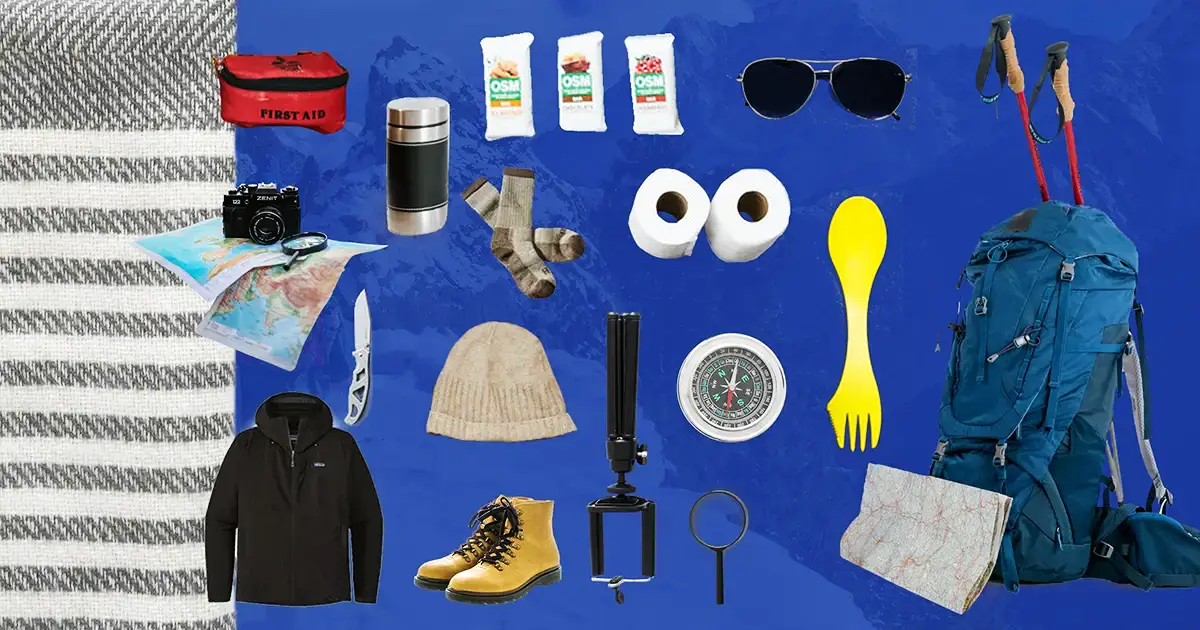
- Also carry a Duffel bag, Sleeping bag liner, Headlamp, Extra batteries, Hydration bladder/Reusable Water bottle, Water purification tablets, and Backpack cover.
Weather can Change Everything
One of the major reasons why I failed my EBC trek was the weather conditions. I forgot to check the weather and booked the trek in the winter season. The Everest Base Camp trekking trails take you from an elevation of 2,800 meters to over 5,000 meters, and it is common to experience weather issues like sudden temperature drops, strong winds, heavy snowfall/snowstorms, and avalanches, which increase the risk of altitude sickness.
When I was trekking, bright sunny days suddenly turned darker, and snowfall started. This made my clothes wet, and I also suffered from a heavy cold. This made me stay in the teahouses for two whole days. I hope you won’t suffer like me and enjoy the beautiful landscape of the Everest region.
How to Deal
- Plan a trek in ideal seasons like Spring and Autumn.
- Check the Weather updates of the Khumbu region thoroughly.
- Pack according to the seasonal demands.
Poor Hydration and Nutrition
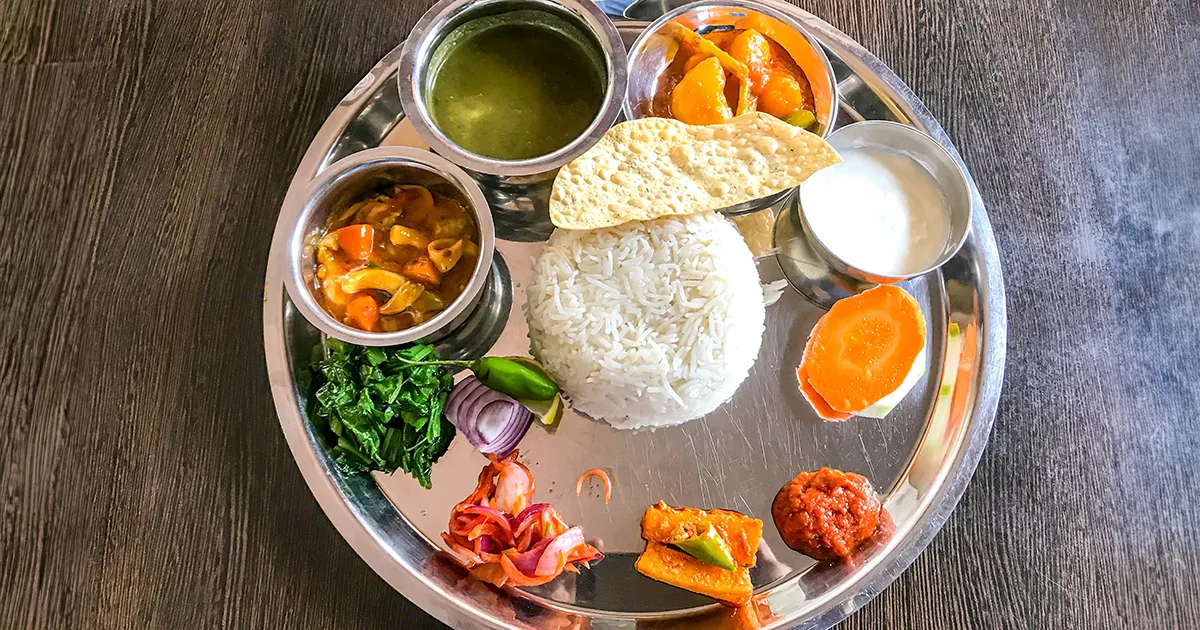
Walking for multiple hours in the rough terrain at a higher altitude requires proper nutrition and hydration. The budget-saving aspect made me skip proper meals, and I always relied on snacks and energy bars.
Also, I didn’t pack any sterilization methods for water purification, and I drank water only in teahouses. This made me suffer from dehydration and made me drained.
You should never do what I did to enjoy the beauty of the Himalayan adventure, which takes you to the lap of Mount Everest.
Everest Base Camp Trek Tips for You
- Aim for 3 to 4 liters a day and bring water purification tablets or filters.
- Mix Electrolyte powder with water to replace salt lost while sweating.
- Opt for high-carb foods like Dalbhat tarkari served with other side dishes.
- Don’t skip breakfast, and munch nuts, dried fruits, energy bars, and chocolate for instant energy.
- Do not consume dehydrating things like caffeine, alcohol, or smoking.
Trekking Solo Without a Guide
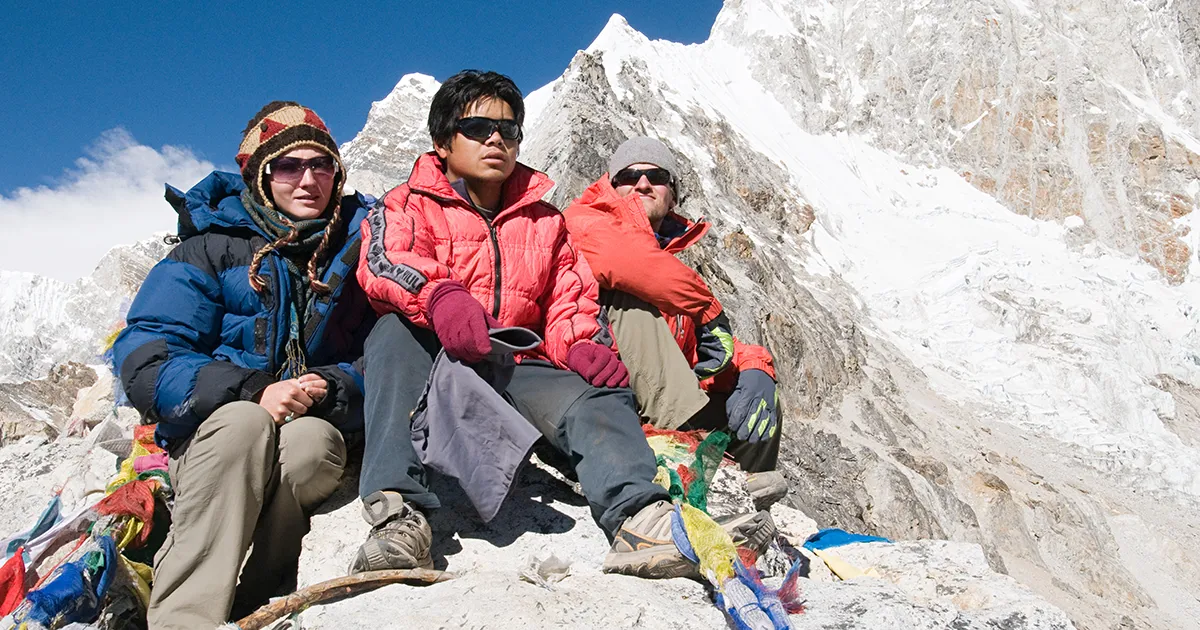
The safest and most useful advice for the EBC trek is to avoid a solo trek without a guide. If I had trekked in a group or with a guide, I wouldn’t have stopped my trek in the middle.
Trekking alone made me struggle with navigation, as fog and landslides make you divert from the well-marked trails. Without a guide, you will mismanage acclimatization and will not be able to address the early symptoms of altitude sickness.
Also, Guides will help you manage the TIMS card and Sagarmatha National Park permit; without them, you cannot enter the checkpost.
Everest Base Camp Trek Tips for Booking Guides
- Make sure you hire a guide from the trekking agencies with which you planned to trek.
- Guides and trekking companies should be registered officially with the Nepal Tourism Board and have a valid trekking license.
- Hire a group guide as it is less expensive.
- When planning a trek in peak season, make sure to book a certified guide 1 to 2 months in advance.
Lessons from Failed EBC Trek
EBC trek failure made me learn an invaluable life lesson. It was hard for me not to complete my lifelong dream to reach the base of the tallest mountain in the world, Everest.
Avoid these mistakes in Everest Base Camp Trek, like ignoring physical fitness, underestimating altitude sickness, not packing essential gear, and ignoring your body’s demands by skipping water and meals for a successful adventure to the EBC trek. The Everest Base Camp trek for beginners is quite challenging, but with enough fitness, proper guidance, and necessary physical and mental preparation, along with a sensible itinerary, it helps you complete the journey.
Even though I failed my Everest Trek, it is not the end; it is another step towards a smarter, safer, and more rewarding journey to the Himalayas. I suggest you not repeat my mistake and make a lifetime memory filled with joy and happiness.
FAQs
Expand AllIs the Everest Base Camp (EBC) trek “dangerous”?
No, the Everest Base Camp (EBC) trek is not dangerous. Ignoring risks such as Acute Mountain Sickness (AMS), unpredictable weather, and challenging terrain makes it dangerous.
Why do people “fail” (turn back) on the EBC trek?
People “fail” (turn back) on the EBC trek because they ascend too fast, lack physical preparation, lack acclimatization, and are inadequately hydrated. They often make silly mistakes in Everest Base Camp Trek.
What are the safest “first-timer” acclimatization rules?
The safest “first-timer” acclimatization rules include gradual ascent and listening to and addressing body demands with proper hydration.
How many acclimatization days should a beginner plan for?
Beginners should plan for 2 to 3 days of acclimatization days ofr the EBC trek.
What should I do if I feel altitude symptoms?
If you feel altitude symptoms, you should descend and take a rest, followed by drinking plenty of water.
What permits do I need for EBC, and what do they cost?
You need the Sagarmatha National Park Permit and the Khumbu Pasang Lhamu Rural Municipality Permit. Sagarmatha National Park Permit costs NPR 3,000 and NPR 2,000 for the Khumbu Pasang Lhamu Rural Municipality Permit.
Do I need a guide for EBC?
Yes. You need a guide for EBC. The Nepal Tourism Board (NTB) has made guide hiring mandatory for trekking in the Everest region.
Can I trek solo (without a guide/agency)?
No. You cannot trek solo without a guide in the Everest region.
How long should I book for EBC if I want the highest success chance?
You should book a 12 to 14-day EBC trek itinerary for the highest success chance.
What’s the single best packing tip to avoid turning back?
The single best packing tip to avoid turning back is to pack heavy items at the bottom and most useful items on the top.
Related blog posts
Discover a choice of tourist destinations loved by most of our visitors. Whether you're on a jungle safari to spot rare animals or walking through a world heritage site, these well-planned itineraries cover the major highlights of Nepal.

 call an expert at: