
Altitude on Mount Kailash: An Altitude Guide Above 4,000m
 Amrit K. Aryal
If you are reading this, chances are you are planning for Mount Kailash Yatra in 2026 but are worried about the high altitude on Mount Kailash Yatra. You might be wondering if you could really handle the Kailash Mansarovar altitude. Fear is quiet and is common here. People do not say it loudly, but they ask it.

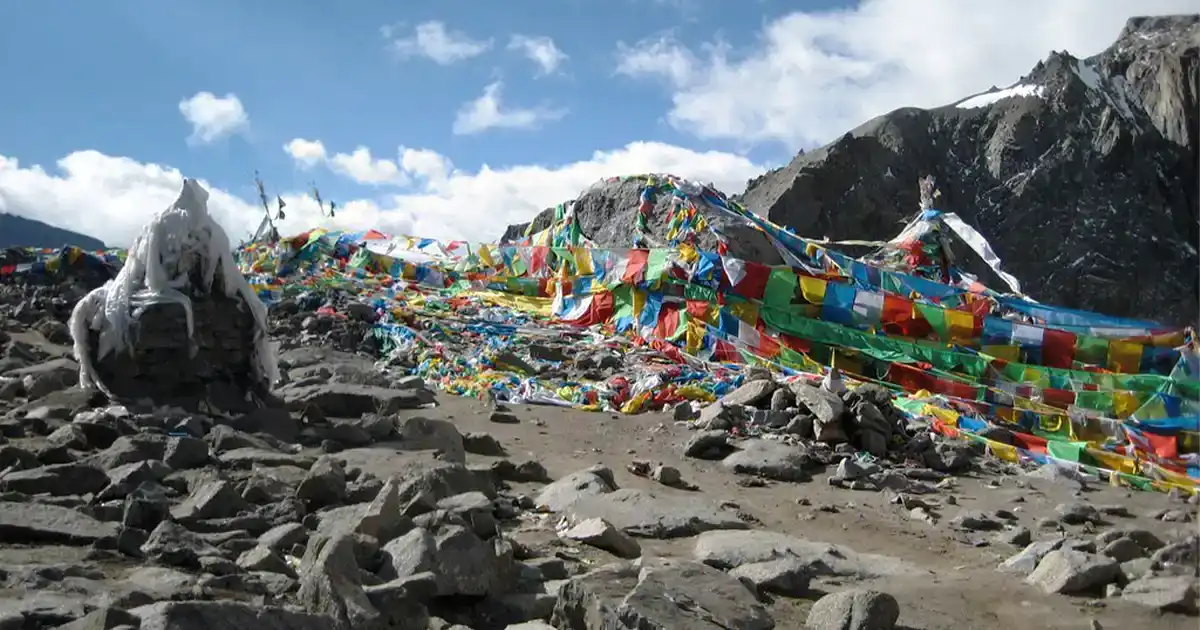
Altitude on Mount Kailash is not a small detail but the whole story of Kailash Kora. The altitude on Mount Kailash stays high for days, unless you get down from the Dolma La Pass to Zutulphuk. There are changes and responses where your body behaves according to height and oxygen. There are people above 70, successfully reached Dolma La Pass and completed the Kora in three days. 2026 is considered a sacred year, as it is the year of the Horse.
At high altitude, breathing becomes shallower, and appetite decreases. The body becomes restless, and sleep is disturbed. This travel guide will take you to some insights into the changes that occur above 4,500m above sea level.
During the journey to Mount Kailash, you will see where altitude nausea appears. Why does oxygen saturation drop even if you feel fine? How the Dolma La Pass altitude tests calm minds more than strong legs. And what helps? Practically, quietly, without making the pilgrim panic. If you are in search of the answers, then you are on the right page. This blog is for you.
Understanding the altitude reality around Mount Kailash
The altitude on Mount Kailash does not rise gradually. Starting from Kathmandu (1,400 m), the altitude takes you into thin air from the first day to Kerung (2,700 meters). Mansarovar itself sits at around 4,590 m. That means your lungs never get warmed up. At this height, the oxygen saturation falls. Many will feel the difference from Kerung with a slight heaviness in the head. Altitude nausea might occur like a mood swing rather than a pain. The head feels heavy with a slight dizziness and a strange sadness for no reason. Everything seems normal, but you feel lost.

As you reach Darchen at an altitude of approximately 4,575 meters, the body responds heavily to the height and oxygen. This is also the point from where the Kailash outer Kora to Kailash starts. The heartbeat rises slightly even when you are resting. Metabolism also slows down, affecting the digestion rate. Pilgrims often feel breaks in their sleep at night. This is not an illness but a casual effect due to less oxygen in the air.
What happens in the body at 4,000 m Altitude on Mount Kailash
Above 4,500 m, the human body enters compensation mode. The body reacts by deepening the breathing even at rest. People feel a lot of yawning, not due to boredom, but because the lungs are hungry for more oxygen. In the cold, dehydration is fast, and the rate of urination becomes higher. The blood thickens slightly as the body tries to carry more oxygen. This is where the altitude nausea gets triggered. Some even urge to vomit. Many of them lose their taste for food and water.

The real game starts when you are ascending to the Dolma La Pass, where the oxygen level decreases to around one-half of the oxygen at sea level. The oxygen saturation can drop up to 70 for healthy people.
People can sometimes add other symptoms too, such as Confusion and loss of coordination. The headache becomes persistent and does not improve with sleep or rest. At a level, even the acclimatization and hydration. This is the time to take a pause and stop pushing through. Might there be a need for emergency evacuation? It is not failure, but the best decision one can choose in such a situation.
Portable oxygen cylinders might come in handy in such a situation. It provides a short relief. But the best escape will be to descend. Descending 300 m can help acclimate the body. This helps a lot.
Recognizing Kailash Mansarovar Altitude Nausea and early warning signs
Altitude nausea does not always announce itself. Sometimes there is just irritation with a strange metallic taste.
Mild Symptoms
- Persistent Headache
- pressure
- Loss of appetite
- Shortness of breath
- Dizziness
- Nausea with vomiting
- Loss of coordination while walking
- Confusion or delayed responses
Severe signs require immediate action
- Breathlessness
- Blueness on lips or fingernails
- Severe confusion
- Chest tightness
Depending on the types of symptoms shown, an immediate response must be provided by the crew or the medical team. providing oxygen or descending might works but delaying will not.
Acclimatization Works in Kailash.
Medicines are often bitter. Staying in the discipline of acclimatization is boring. So they save lives. The process of acclimatization actually works here. It is the process of reaching a higher altitude and coming back to a lower altitude on Mount Kailash for sleeping. This method has been one of the most effective ways to save lives, particularly in the high Himalayas, such as on the Kailash, Everest Base Camp Trek, and Annapurna circuits.
Walking at a higher altitude requires more energy and endurance. Walking slowly might save your energy, allowing you to walk in a steady motion. Do not rush. Remember, this is not a race nor a marathon. This is the journey of your lifetime. Drink a lot of water. This will keep the blood circulation in rhythm. Drinking warmer water can also help prevent throat infections and soreness. Take warm fluids. Ginger and garlic soup helps a lot. Many people in the Kora say that. Avoid alcohol and smoking completely. The chemicals hydrate the body soon. They also worsen oxygen saturation.
What to Pack?
Shivering in the cold demands more energy and oxygen. Put on thermal base layers to keep yourself warm. temperature stable. The layering is not only about comfort but also about oxygen consumption and efficiency. Also, carry a pair of trekking poles. It decreases pressure on the lungs and stabilizes leg muscles. In Kailash, the rhythm matters a lot more than the speed. At high altitude on Mount Kailash and in snowy areas, UV protection is crucial. The intense reflected light burns eyes and skin. Wear UV-protecting sunglasses with side covers and 50+ sunscreen to protect your skin.

What else?
- A pair of gloves
- Woolen cap
- Neck cover
- Thermal base
- down jacket
There is much more cold-weather gear you need to carry to stay healthy and safe in Kailash. Check this link for more ideas.
Summarizing this, the Kailash Yatra Altitude Guide is designed to help you understand that the altitude on Mount Kailash is not an enemy but rather a condition that can be managed effectively. It’s a condition that demands respect, patience, and honesty in acclimatization. It wants you to listen to your body rhythm and follow the rules of high altitude in Kailash.
FAQs
Expand AllCan beginners do the Kailash Yatra?
Yes, the Mount Kailash Yatra is suitable for beginners. Every year, thousands of first-time trekkers go for the Mount Kailash Yatra.
What’s the best acclimatization route from Nepal?
The best route for acclimatization from Nepal is via the Kerung (Gyirong)-Saga-Darchen route. The altitude grows gradually, providing enough time to acclimate.
Is Kailash Kora harder than Everest Base Camp?
The answer depends on the personal experience of trekkers who have completed both. The Everest Base Camp trek involves longer trekking days and more cumulative distance, but the Kailash Kora takes shorter days. People often find Kailash more challenging and harder on breathing and fatigue.
Where is Mount Kailash located?
Mount Kailash is located in the Ngari prefecture of western Tibet, the Autonomous Region of China. It lies near the twin lakes, Mansarovar and Rakshastal.
What is the highest altitude on Kailash Kora?
The highest altitude on the Kailash Kora is Dolma La Pass at about 5,630 meters. The Dolma La pass is crossed on the second day of the Kailash Kora.
What happens to your body at 5000 meters trekking?
Above 5,000 meters, the oxygen saturation drops in the body. The breathing rate increases even when you are resting. Some people feel a mild headache, nausea, and vomiting.
How to acclimatise for Dolma La pass 5630m?
The acclimatization for Dolma La starts days before you start your kora in Darchen. Drink enough water, and rest at Saga and Darchen. Take a short hike to the nearby hills to adjust to the altitude. On the second day of kora, as you are ascending to Dolma La Pass, walk slowly and wear layered warm clothes.
Is 4,600m high enough to get altitude sickness on the Kailash Yatra?
Yes. Some people start showing the symptoms of altitude sickness above 3500 m.
What does 5,600 m feel like at Dolma La Pass
For most people, the thin air shows its effect at the Dolma La Pass. The atmosphere feels thin and head-heavy. The breathing feels shallow, hit by physical exhaustion.
How long does altitude sickness last after descent?
The mild altitude sickness usually lasts for 24 hours. The health starts improving once you descend from high altitude. The oxygen saturation increases, and your oxygen saturation rises quickly.
What are the early signs of acute mountain sickness not to ignore?
There are some long-term symptoms to be noticed to avoid serious consequences. Some of them are:
Persistent headache does not improve even after resting.
Nausea and vomiting
Dizziness
Loss of coordination
Lose muscle balance
Confusion
Breathlessness while resting.
Ignoring these signs might be risky and can deteriorate health further.
Should I use a pulse oximeter on the Kailash Yatra, and what numbers matter?
A pulse oximeter can be helpful in high mountains if used wisely. An oxygen saturation below 85 percent is common. The number in the meter alone does not determine the safety. Watching out for the symptoms and monitoring them is vital for a safe journey.
Does “walk high, sleep low” help on the Kailash itinerary?
Yes, it is the best method for acclimatization. During the break days, walking short distances to nearby hills and returning to the hotel supports adaptation.
Related blog posts
Discover a choice of tourist destinations loved by most of our visitors. Whether you're on a jungle safari to spot rare animals or walking through a world heritage site, these well-planned itineraries cover the major highlights of Nepal.

 call an expert at: