
Altitude Sickness on Kailash Mansarovar Yatra: Symptoms, Prevention and Safety
 Amrit K. Aryal
Introduction
Altitude sickness is a common health problem for most of the pilgrims on the Kailash Mansarovar Yatra. It is common and almost expected. Yet people are always surprised and panicked when they are attacked by AMS and altitude sickness. On the days of Kailash Kora, they are scared and deny it till their bodies force them to stop. Many pilgrims just ignore altitude sickness. It is a condition when the body does not get enough oxygen. As the altitude increases, the volume of air decreases, making the body struggle to breathe.
The trekking trails of Mount Kailash are not gentle with altitude. From the very beginning of the journey, starting from Kathmandu, the altitude keeps on increasing to Kerung and Darchen. On the second day of Kailash Kora, you reach the highest point called Dolma La Pass. Many pilgrims preparing for the 2026 Mansarovar Kailash Yatra seem worried about breathing problems, difficulties, and oxygen in Kailash. Many people aged 70 are also planning to go to the Kailash Mansarovar Yatra in 2026, a special horse year in the Tibetan calendar.

People travelling to the Kailash Mansarovar Yatra have faith and belief in the holy power. People following different religions go on the Kailash Mansarovar Yatra, but have a common motive to complete the circumambulation around the mountain. Many of them are found to neglect the prevention, preparation, and even the symptoms of altitude sickness. Sometimes, they outsmart themselves and think that only faith can handle everything. The faith and realities should not be mixed when you are trekking in the high Himalayas. This blog will take you through a journey to Kailash Mansarovar Yatra with a travel guide against altitude sickness.
Let us dive into some of the symptoms, safety measures for Kailash Mansarovar Yatra, oxygen use, common mistakes, and how to navigate this sacred route wisely in this blog. If respected, Mount Kailash teaches gently; otherwise, it will show the darker side of trekking in the high altitude.
Understanding Altitude Sickness in the Kailash region
Altitude sickness is a physical condition that occurs when the body does not get enough time to adapt to reduced oxygen levels. At sea level, oxygen remains generous. But in high altitudes like the Kailash region, it becomes thin and dry. The human body needs days, sometimes weeks, to adjust to the decreasing oxygen and increasing altitude.
But, for 2026, the departure date is fixed, and we have a limited time to get used to the altitude. Lake Mansarovar itself sits at around 4,590 meters. Dolma La Pass rises above 5,600 meters. These heights are very crucial for altitude sickness. for references, most of the people feel the symptoms of altitude sickness and AMS above 3,000 meters.
Why does Mount Kailash’s altitude feel harsher than expected?
The height above 5000 m is not simple. The trail is cold and windy, and takes long walking hours. Excitement, altitude sickness, dehydration, loss of sleep, and various other factors play a role in the kora. The pilgrims who come from coastal areas are hit by altitude sickness. They chose the Heli Kailash Yatra for the sake of luxury, escaping altitude acclimatisation. This triggers altitude sickness.

Common symptoms of AMS during the Kailash Mansarovar Yatra
The symptoms of Altitude sickness vary, ranging from mild to serious. If early symptoms are ignored, this will result in fatal situations. Identifying the early symptoms is very important to be safe during the Kailash Kora.
Early mild symptoms of Altitude sickness
- Starting with a headache
- Loss of appetite
- Nausea or vomiting
- Dizziness
- Fatigue and exhaustion after a short walk
- Loss of sleep
If you have any similar kind of symptoms, be alert and inform your guide and teammates. Ignoring and neglecting these symptoms is the most dangerous mistake pilgrims often make.
Serious Warning, Not to Ignore
Sometimes, the symptoms could be a normal phenomenon with a change in height. But what if it is not normal tiredness? You need to find the gap between this change and AMS.
- Severe headache, not improved even after sleep.
- Repeated vomiting
- Dilemma, confusion or strange behaviour
- Difficulty in walking straight
- Tightness in the chest
- Blue lips or fingers show a lack of oxygen in the blood
Altitude sickness itself is not a problem if identified and treated well in time. But if the ascent continues without treatment, there will be a serious problem.
Oxygen levels and the reality of oxygen in Kailash
The oxygen volume in the Kailash region is almost half of the volume at sea level. This is the bitter truth of the Kailash Mansarovar Yatra. Neither is there any shortcut to bypass the Dolma La Pass, nor is there any mantra that can increase oxygen levels at the Dolma La Pass.
Portable oxygen and its role
Many Kailash Yatra groups carry oxygen cylinders or cans as supporting tools. One must not forget that oxygen only helps temporarily, not as a cure for AMS. Using oxygen early can ease symptoms, but using it too late may not help enough.
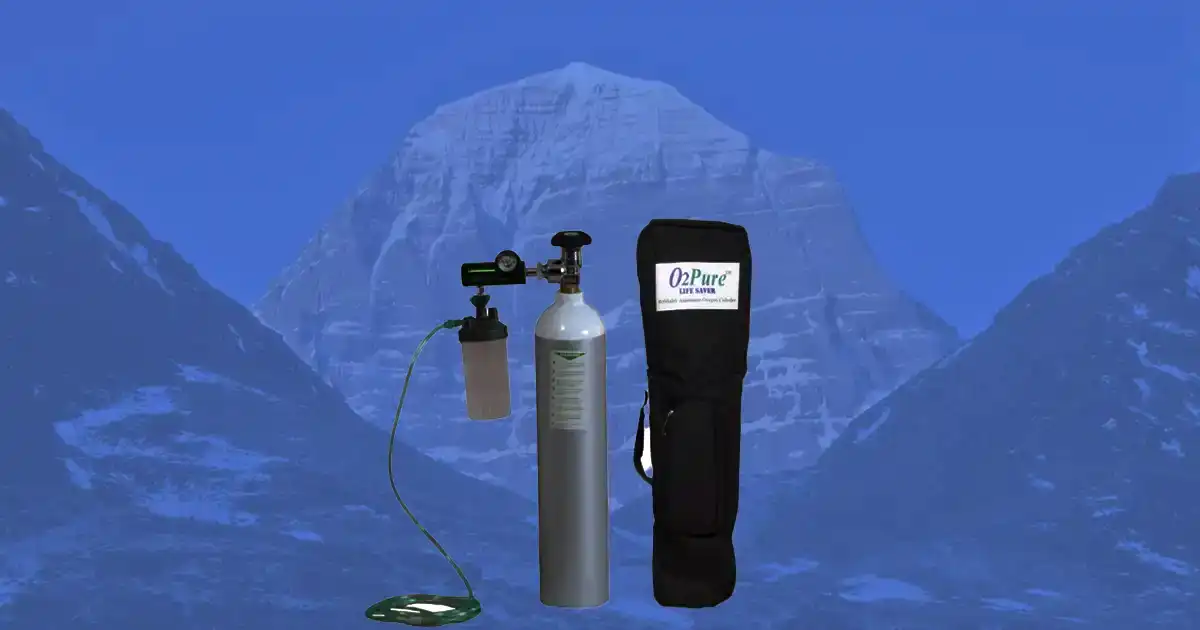
Acclimatisation is the key protection that must be followed during a trek to high mountains such as Mount Kailash Kora. On the other hand, oxygen is the prime support when somebody is at risk due to altitude sickness.
The walk in the Kailash Kora is in a remote place with a very limited supply. Some of the people were found using oxygen cylinders too early, before the true AMS hits. Consuming additional oxygen cylinders slows down the adaptation of the body to the changing height.
Some even avoid oxygen as the ego comes forward. Your life is more important in the mountains than your life. Do not try to show your ego in front of Mount Kailash. Do you remember? Even Ravan had to cry aloud when his finger was trapped beneath the mountains.
Preventive Measures for Altitude Sickness
Preventing altitude sickness is all about following rules and respecting the altitude. It is about your daily habits and staying disciplined during the kora. The daily rituals and habits might be boring, but you must follow them, as you are planning to go to the Kailash Mansarovar yatra in 2026.
What are those daily rituals?
Gradual ascent and rest discipline
The rest days are planned not only for the sake of rest. It is a day when the pilgrims must go to a place at a certain height and come back to a lower altitude. This is a life hack that allows your body to adjust to the changing height in the thin air. This day is also for medical healing. You can get some rest if you have some symptoms of a headache. Let your body get used to the changing weather, changing altitude, and decreasing oxygen in the atmosphere. Running and walking fast consume more energy and make you tired sooner.
Hydration and food habits
Drink water even when you do not feel thirsty. Cold might suppress your thirst. Dehydration worsens AMS and triggers more problems. Eat light but regular meals without heavy, oily food. Let your digestive system rest, too.

Medication and medical advice
Before moving, get confirmation about using Diamox if needed. This medicine helps to avoid altitude sickness but cannot be used without a prescription, as it might come with certain side effects. If you use any other medicines regularly, bring them too. You might not find them on the way to Kailash.

Kailash Vs Arrogance
Safety must be your first concern during your Kailash Parikrama. The Kailash Kora is physically demanding and even harder on the second day when you are crossing Dolma La Pass. Take short steps and walk at a slow pace. The trail might be slippery. So, watch your every step.
When descent becomes necessary
Descending is not a failure; it is the quickest decision one must make at high altitude to save a life. When all the preparation and prevention fail, altitude sickness might hit seriously. In such a condition, the best escape is to descend. Despite resting, hydration, and using oxygen, if the health deteriorates, then the safest treatment is to get down as soon as possible. Descending for even 300 meters can improve health sometimes.
What role does an experienced operator play?
Pilgrimages to high altitudes must not be done alone and not without preparation. You need an experienced registered tour guide in Nepal and in Tibet to process all the necessary permits and visas. Always stay close to your group members. The Experienced trekking and pilgrimage companies matter a lot. They can handle individual guests of different ages, fitness levels, and experiences. They know how to handle altitude, sickness management, oxygen handling, and emergency protocols.
Conclusion
Altitude sickness on the Kailash Mansarovar Yatra is not something to neglect or get afraid of. Altitude sickness can occur to any person of any age or gender, irrespective of experience. This is the real test of pilgrims, the test of lungs and mental health rather than physical strength. Provide enough rest for the body, peace for the mind and oxygen for the lungs.
Altitude sickness starts with simple symptoms, giving you a warning beforehand. Prevention is better than a cure. Prevention of AMS and Altitude sickness works if followed with discipline. If you listen to these early warnings, Kailash Mansarovar Yatra becomes gentle and keeps you safe in the Himalayas.
FAQs
Expand AllWhat is altitude sickness in Kailash Yatra?
Altitude sickness occurs when the body struggles to breathe with low oxygen at high altitude. It is one of the common problems that are faced by pilgrims on this route.
At what height does altitude sickness start in Kailash?
Many pilgrims feel altitude sickness above Lake Mansarovar, at around 4500 meters.
s altitude sickness dangerous?
If identified and treated on time, mild symptoms of altitude sickness are manageable. However, serious symptoms can be risky if not treated on time.
What are the first signs of AMS?
The first signs of AMS are headache, tiredness, loss of appetite, dizziness, and sometimes vomiting.
Does everyone get altitude sickness?
Not everybody travelling to Kailash Mansarovar gets altitude sickness. It can be treated by staying hydrated and remaining alert.
Is oxygen available during the Kailash Yatra?
Yes. Trip planners usually carry oxygen cylinders for emergency support.
Should I use oxygen as soon as I feel tired?
No, it’s just a backup plan if altitude sickness hits. Resting, drinking water, and acclimatization can reduce the effects.
Can older people handle altitude sickness safely?
A proper plan for acclimatization, preparation of oxygen, and emergency backup can handle altitude sickness with ease.
Is Dolma La Pass the hardest part for AMS?
Yes, Dolma La Pass is the highest and most demanding section of Kailash Kora.
Does drinking water really help with AMS?
Yes. Drinking water keeps the blood flow active and helps fight AMS.
What is the safest way to avoid serious AMS?
Staying hydrated, walking slowly, and resting well on acclimatization days help to avoid AMS and Altitude sickness.
Related blog posts
Discover a choice of tourist destinations loved by most of our visitors. Whether you're on a jungle safari to spot rare animals or walking through a world heritage site, these well-planned itineraries cover the major highlights of Nepal.



 call an expert at: