
Hillary and Tenzing Everest Legacy: How 1953 Transformed Khumbu Valley Forever
 Sristi Adhikari
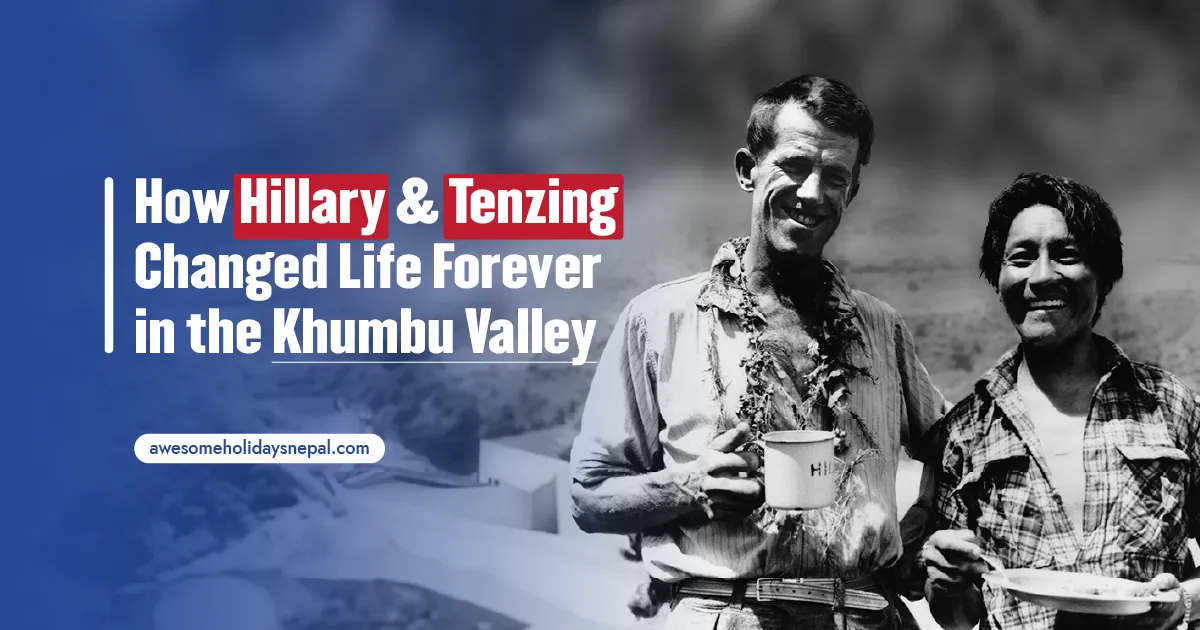
The names Hillary and Tenzing Everest are the two names that are etched in the historic ascent of the world’s highest peak, Mount Everest, in 1953. This history changed the life of the Khumbu valley as well as drew global attention to the Everest region. Their successful expedition to Mount Everest totally transformed this remote region of Nepal into a hub of mountaineering, tourism, and cultural exchange.
The Khumbu valley’s economy, environment, and communities faced drastic changes, and all the credit goes to Sir Edmund Hillary and Tenzing Norgay. If you are curious about the Hillary and Tenzing Everest legacy? And how did it change the fates of the Khumbu people? Then, continue scrolling down for more details:
Who are Edmund Hillary and Tenzing Norgay?
Edmund Hillary and Tenzing Norgay were the first people to reach the summit of Mount Everest, the highest peak in the world. They made their historic ascent on May 29, 1953. Their victory on Everest as the first summiters became a symbol of human courage and perseverance.
Edmund Hillary
Sir Edmund Hillary was a New Zealand mountaineer, explorer, philanthropist, and beekeeper. At first, he became famous for his Everest ascents, and then he became a lifeline for Sherpa communities. He built schools, hospitals, and one of the most dangerous airports in Nepal, Lukla Airport.
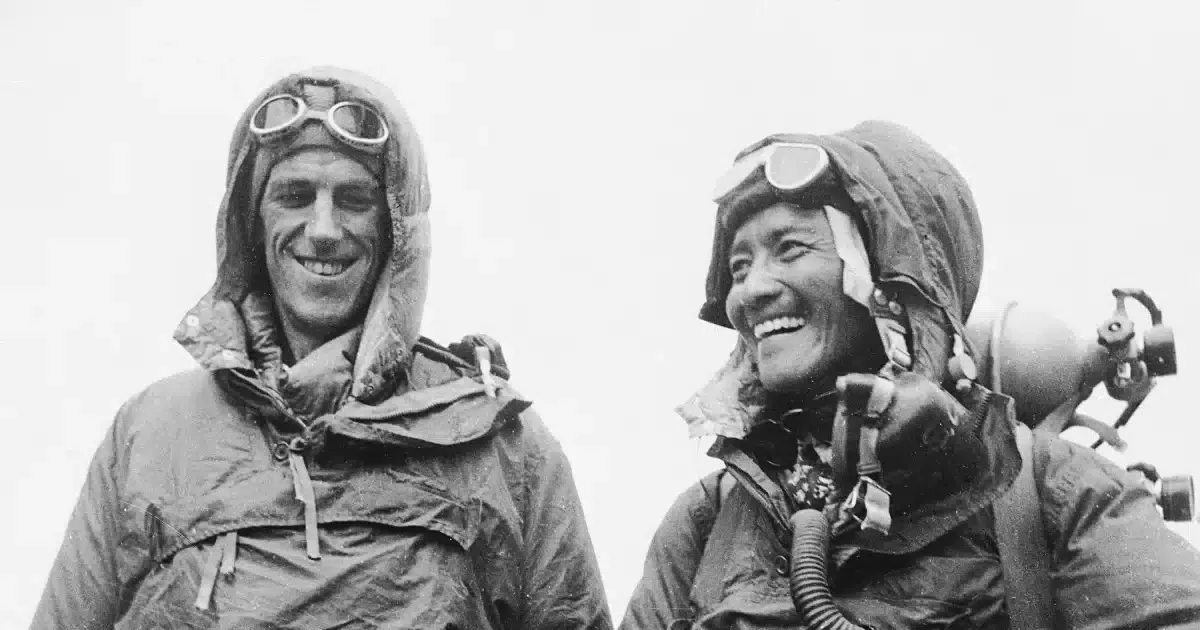
Tenzing Norgay
Tenzing Norgay was a Sherpa and was born in 1914. He was of Nepalese-Indian origin and had climbed Mount Everest with Sir Edmund Hillary in 1953. Norgay was a highly skilled mountaineer and guide, followed by becoming a national hero in Nepal and India.
The Historic Ascent
Sir Edmund Hillary and Tenzing Norgay achieved a victory over nature via the South Col route by reaching the world’s highest peak, Mount Everest, on May 29, 1953. This historic expedition was more than a first successful attempt; it represented an act of the human spirit’s boundless potential, courage, and cooperation.
It drew global attention to the Khumbu people and later became exposed to modern development. Their mutual ascent to the top of Everest favoured both; they were popular in each other’s nations. Click on the details about the route they used for their expedition: Original Hillary–Tenzing Route.
Transformation of Khumbu Valley, Nepal
The Khumbu Valley was a remote region of the Everest before 1953. It only became popular to the outer world after the successful ascent of Hillary and Tenzing to Everest. This attempt suddenly transformed an isolated Himalayan village into an attraction for adventurers, trekkers, and climbers.
Tourism Surge
After Sir Edmund Hillary and Tenzing Norgay’s expedition to Everest, the tourism industry suddenly grew, and the Everest Expedition and the Everest Base Camp trek became a bucket list for all adventure enthusiasts. Then, the building of different tea houses and lodges in the trails starts to bloom, where it used to be the pastureland for the yaks.
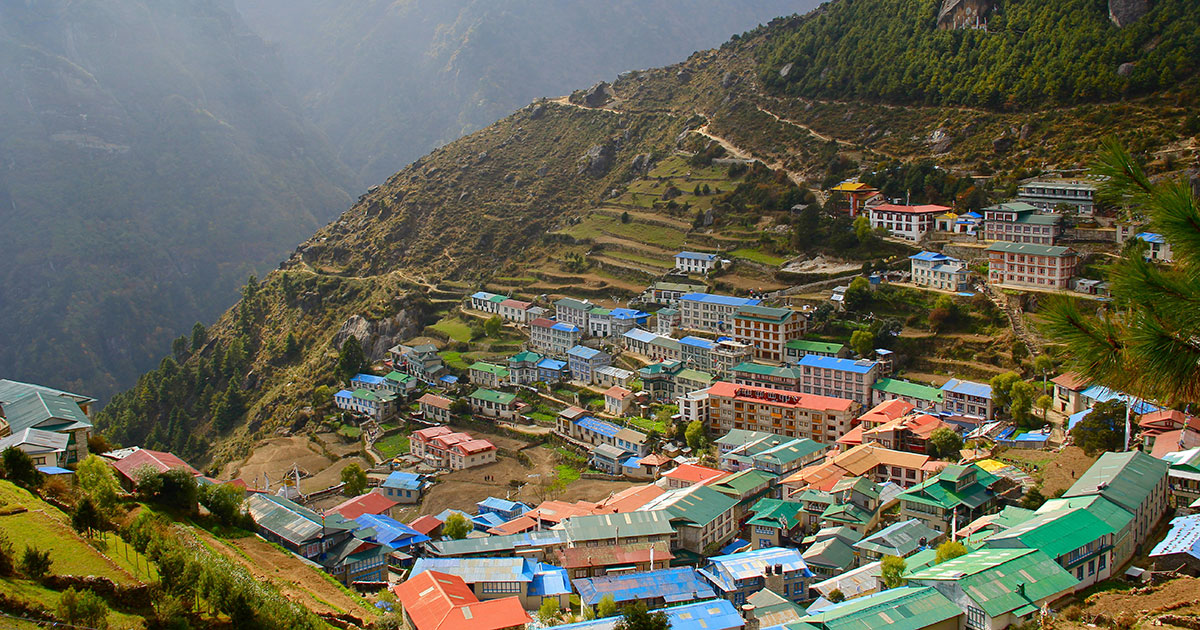
Namche Bazaar became a hub for cafés, bakeries, gear shops, and internet access. Every year, thousands of trekkers and expeditions explore this beautiful trail of the Khumbu region.
Economic Uplift of the Sherpa Community
The Sherpa people used to spend their daily lifestyle by being dependent on agriculture and trade with Tibet. After historic ascents of Sir Edmund Hillary and Tenzing Norgay, the Sherpa people found many opportunities to uplift their economy, like working as a sherpa guide and porters, followed by flourishing local businesses.
- Most of the Sherpas become popular as high-altitude guides and earn global recognition.
- Few families expanded their small shops into teahouses, lodges, and restaurants
- They got exposed to quality education, healthcare, and modern equipment.
Infrastructure Developments: Airstrips, Bridges, Schools, and Clinics
Sir Edmund Hillary volunteered himself for most of the transformative development in the Khumbu Valley. He was too impressed by the Sherpas’ lifestyle and culture, so he returned to Khumbu repeatedly for the development of the infrastructure. Sir Edmund Hillary helped build the infrastructure with the Himalayan trust and the support of the locals.
The development of these sectors contributed to the access of the global travel enthusiasts to these isolated villages. His contributions include:
- Airport: The construction of Lukla Airport, now known as the gateway to Everest, is one of the most dangerous airports in the world.
- School: He helped in the opening of the most famous Khumjung School.
- Hospitals and Clinics: He founded Kunde Hospital in 1996. The hospital provides OPD services and is a 15-bed facility.
- Suspension Bridges: Hillary constructed one of the most popular high-altitude suspension bridges, the Hillary Suspension Bridge in Nepal. It improved the travel and trade of the Khumbu communities.
Environmental Pressures and Conservation Efforts
The access of the secluded Khumbu region to the global population brought many challenges to environmental conservation. Hillary and Tenzing Everest’s ascent causes deforestation of the trees for fuel, and the water resources ecosystem becomes imbalanced.
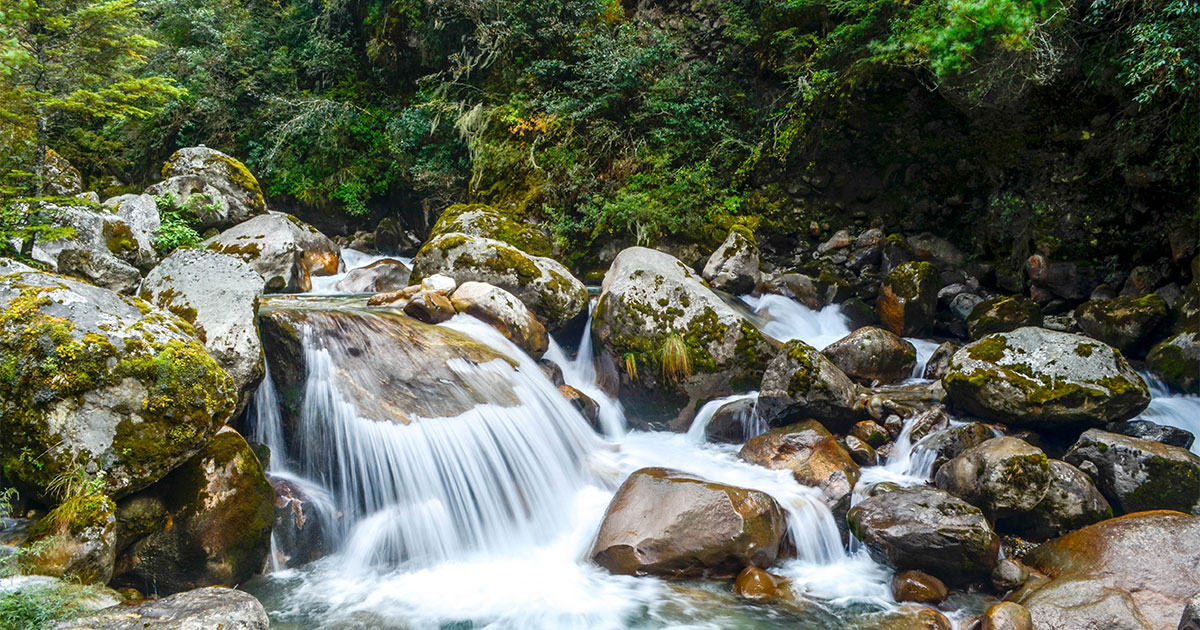
It also causes waste accumulation on the trekking routes as many trekkers dispose of their plastic items haphazardly on the trail. Similarly, it also caused climate change, which led to glacier melting and overall changes in the landscape of the Everest region. The conservation of these beautiful resources demanded the establishment of Sagramatha National Park in 1976.
It conducts conservation programs, waste management, and reforestation efforts in the Sagarmatha region. Local companies like trekking and expedition, along with the help of local communities, practice eco-friendly adventure.
Cultural and Social Shifts
The flourishing of Tourism in secluded regions like Khumbu brought global attention of Sherpa traditions, religious practices, and festivals. They were also introduced to modern practices, which required extra efforts to preserve their cultural heritage.
The Hillary and Tenzing Everest success also brought special attention to the resilience and hospitality of the Sherpas. Their courage and unique cultural heritage are respected all over the world.
Hillary and Tenzing Everest: Beyond the Summit
The Hillary and Tenzing Everest summit is an example of incredible human spirit, along with immense mental and physical efforts to handle the extreme conditions. It also symbolised that if you set a high dream and wanted to make it successful, hard work and continuous dedication would help you achieve all those wishes.
Hillary and Tenzing’s Everest summit was very challenging; they reached the death zone of high altitude and successfully returned. This journey successfully inspired sherpas to pursue careers as guides, porters, and mountaineers. This is not only the story of the first two people who took their first steps on Mount Everest, but it is also the story of their bond, skills, trust, and determination, which made their journey successful.
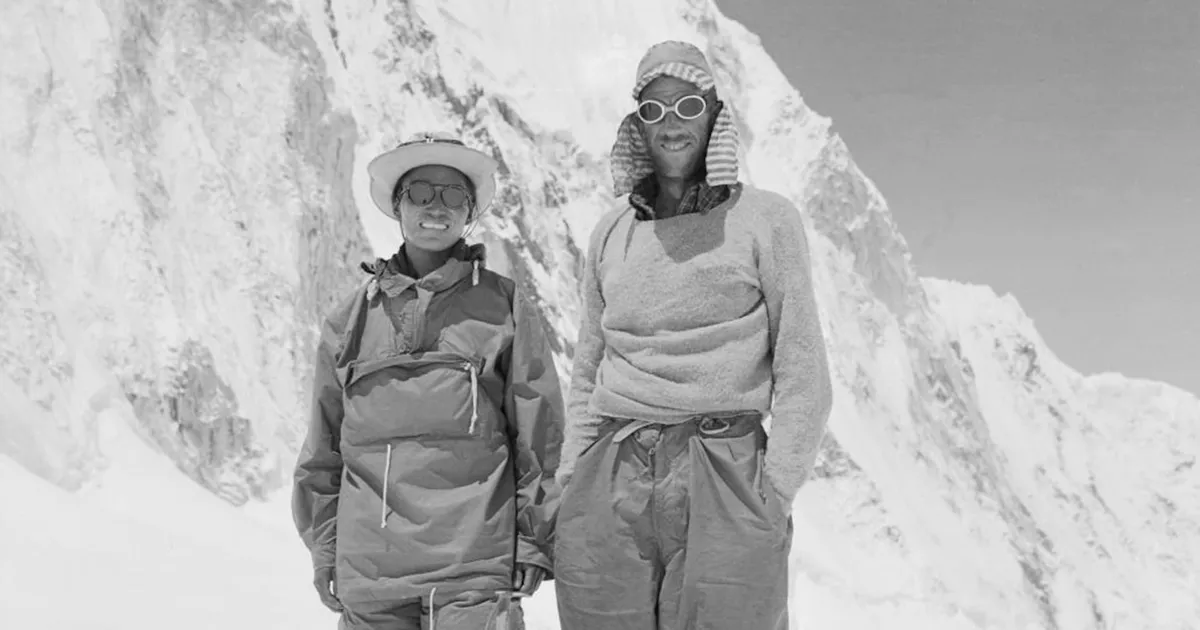
Hillary and Tenzing Everest left an enduring mark on humanity, and they supported education, healthcare, and sustainable development with the Himalayan Trust.
The Lasting Legacy
The ascent of Hillary and Tenzing Everest changed the destiny of the Khumbu valley forever. Once an isolated region of the Himalaya is now a gateway to the world’s highest mountain, Everest. It is also a symbol of Sherpa resilience and human adventure. The region is still transforming and is shaped by tourism, climate fluctuation, and the Sherpas’ fearless spirit.
While inspiring the future generation, Hillary and Tenzing Everest’s attempt became a symbol of courage, partnerships, and long-lasting memories of this critical adventure. Today, the Khumbu valley, the Sherpa community, unique culture and heritage have become an attraction for worldwide adventurers, either for trekking, touring, or doing expeditions.
FAQs
Expand AllWho was the first to climb Mount Everest?
Sir Edmund Hillary and Tenzing Norgay Sherpa were the first people to climb Mount Everest.
What did Edmund Hillary do for Nepal?
Hillary made many contributions to Nepal, like building schools, hospitals, and infrastructure, and made efforts to protect the environment.
How did Tenzing Norgay change history?
Tenzing Norgay changed history by being one of the first people to reach Mount Everest with Edmund Hillary on May 29, 1953.
Where is Khumbu Valley located?
The Khumbu Valley is located in the Northeastern Part of Nepal, in the Sagarmatha Zone.
What is the Himalayan Trust founded by Hillary?
The Himalayan Trust, founded by Hillary, is an international non-profit humanitarian organization for the improvement of health, education, and general well-being.
How many schools did Hillary build in Nepal?
Hillary built over 30 schools with the Himalayan Trust.
What happened to Sherpa community after 1953 Everest climb?
The Sherpa community got the global recognition of their skills after the 1953 Everest climb.
How did Everest climbing change Khumbu economy?
Everest climbing changed the Khumbu economy by shifting a traditional agro-pastoral and trade-based system to tourism-based employment, but also new socio-economic challenges.
Why is Tenzing Norgay important to Sherpa culture?
Tenzing Norgay is important to Sherpa culture because he made history by being the first one to reach the top of Mount Everest with Edmund Hillary.
His contribution made the Sherpa popular worldwide for their mountaineering skills and resilience.
What infrastructure did Hillary build in Khumbu region?
Hillary built hospitals, schools, suspension bridges, and an airport in the Khumbu region.
How did the 1953 Everest expedition transform Namche Bazaar?
The Everest expedition of 1853 transformed the Namche Bazaar in many ways, like the economic shift, global recognition, and flourishment of tourism.
How has tourism changed life for Sherpas in Khumbu?
Tourism changed life for Sherpas in Khumbu by transforming an agro-pastoral-based economy to mountaineering and hospitality.
How did the first Everest summit impact Nepal's economy?
Nepal’s economy suddenly increased due to an increase in tourism-based economy.
Why do Sherpas celebrate Tenzing Norgay?
Sherpas celebrate Tenzing Norgay because of his historic ascent of Mount Everest with Sir Edmund Hillary, which brought worldwide recognition and pride to the Sherpa community.
What development projects exist in Khumbu Valley because of Hillary?
Different development projects like the construction of over 30 schools, the Khunde Hospital, and the Tenzing–Hillary Airport in Lukla are notable contributions of Edmund Hillary.
How did Hillary's work improve education in Everest region?
Hillary’s work improves education in the Everest region by establishing many schools and educational facilities.
Related blog posts
Discover a choice of tourist destinations loved by most of our visitors. Whether you're on a jungle safari to spot rare animals or walking through a world heritage site, these well-planned itineraries cover the major highlights of Nepal.

 call an expert at: