
Everest Base Camp Trek Spiritual Journey: Finding Yourself on a Sacred Trail
 Sristi Adhikari
The Everest Base Camp Trek spiritual journey is all about the discovery of inner peace, spiritual awakening, and profound self-realisation throughout the high-altitude trek. This Himalayan adventure is far more than reaching the altitude of 5364 meters, and commencing the deeper spiritual journey to the Everest Base Camp trek.
The sacred trail of the Everest region is a symbol of strength, purity, and inner awakening. It also offers a sense of connectivity with the ancient culture of the Sherpa people. The physically demanding journey to the Everest Base Camp also invites reflection, gratitude, and transformation.
If you are seeking a meaningful, healing and connecting journey while nourishing both body and soul, continue reading the blog for the Everest Base Camp Trek spiritual journey in more detail:
A Spiritual Significance of Mountain Trail
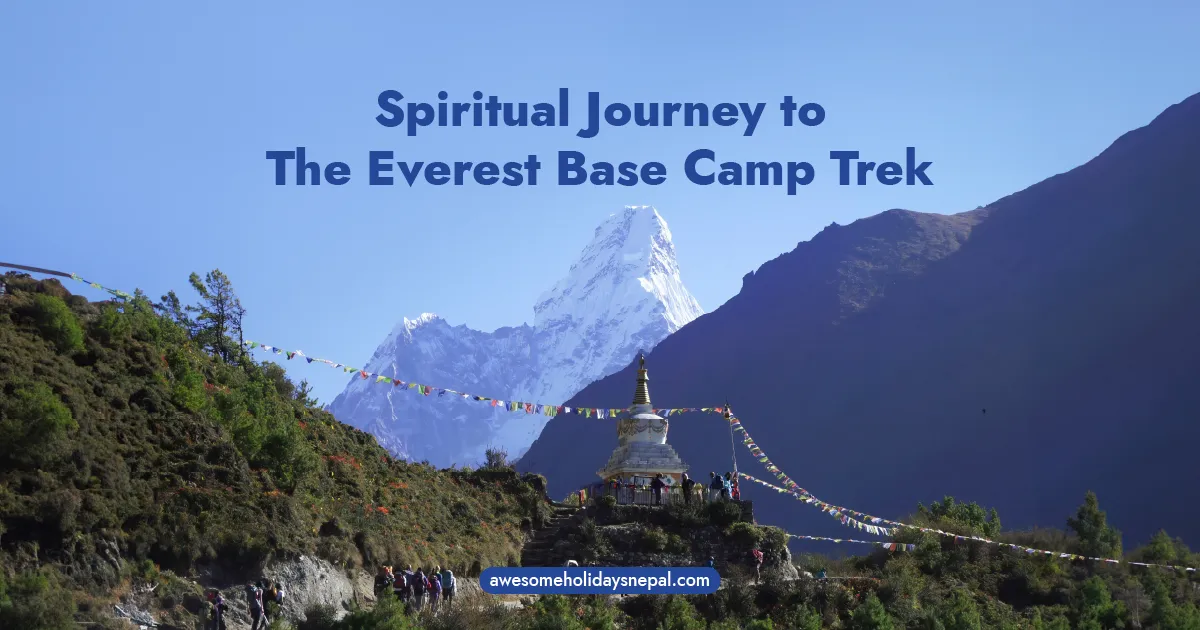
The Everest region offers one of the most important trails in the world to the Everest Base Camp. As soon as you step into Lukla, you will experience the untouched beauty of Sherpa culture, Tibetan Buddhist traditions, and centuries-old spiritual heritage. You will get immense energy while exploring Mani stones, prayer wheels, and fluttering prayer flags lining the trekking trail.
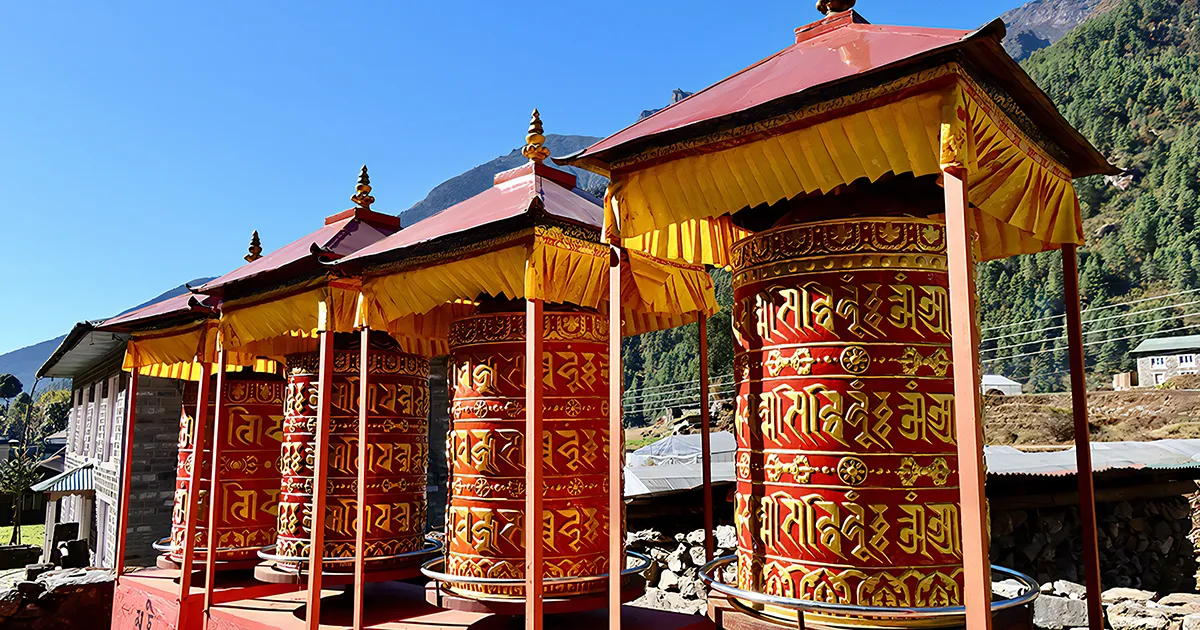
The serene and symbolic trail offers a unique opportunity and makes you inclined towards religion, whether you are into religion or not.
Walking to The Mountain through the Spiritual Monastery
The Everest Base Camp trek spiritual journey takes you to various monasteries, including Tengboche, Pangboche, Deboche, and Thame. These monasteries are a popular spot for taking photos and videos. The sounds of monks chant in harmony, the scent of burning juniper releases mental stress, reawakens, and provides you with a sense of connection to something greater than yourself.
Tengboche Monastery
Tengboche monastery is the most significant and scenic monastery on the Everest Base Camp trek spiritual journey. The monastery is also hosting the Mani Rimdu festival from November 5 to November 7 of 2025. One can enjoy the masked dance, mandala rituals, and receive the blessing from the head monks while experiencing the monks chanting, witnessing the breathtaking views of Mount Everest and Ama Dablam.
This monastery was destroyed twice and is still standing strong, which gives you a lesson in endurance and protection.
Pangboche Monastery
It is one of the oldest and most revered Buddhist monasteries found on the Everest Base Camp trek spiritual journey. Pangboche monastery holds historical significance and connects people to their Sherpa culture and heritage. It also holds a relic of the Yeti’s skull and hand, but the skull is not on display, and one can enjoy different festivals like Dumjee, Kengyur, and Ngungne Puja during their visit.
Deboche Ani Gumba
Deboche Ani Gumba, also known as Thame nunnery, lies in the middle of Tengboche and Namche Bazaar. It also adds a spiritual landscape to the Everest Base Camp Trek spiritual journey.
Thame Monastery
Thame Monastery is best for practising meditation and is ideal for solitude trekkers. It is located in the birthplace of the famous Tenzing Norgay, Thame.
Namche Monastery
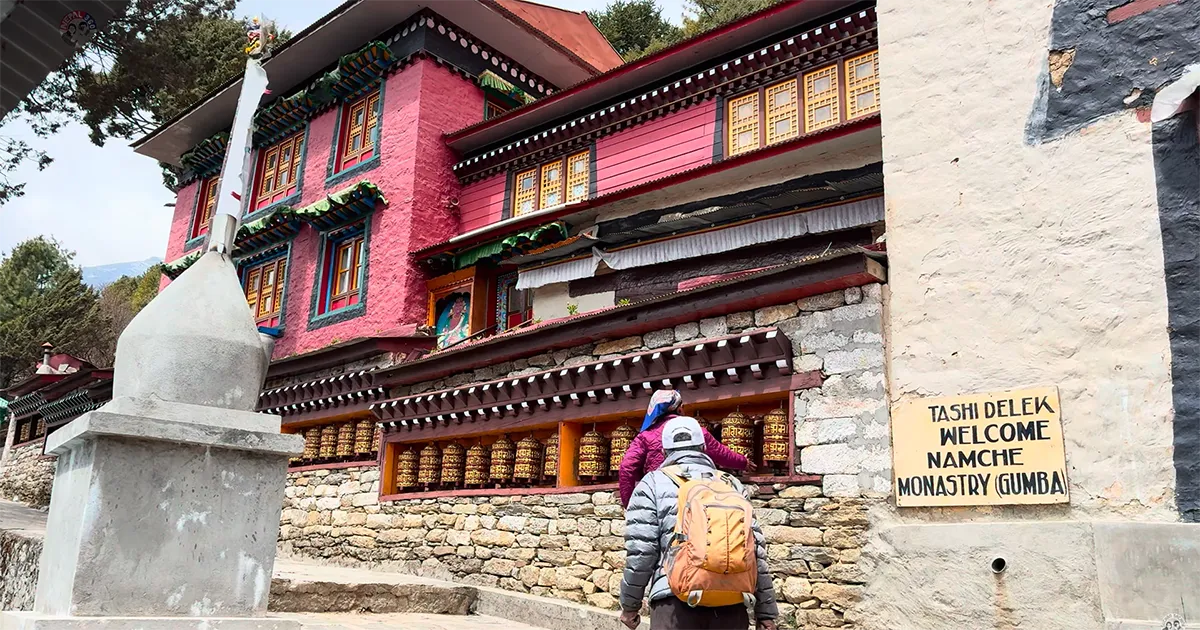
It is located in the Sherpa capital, Namche Bazaar. The secluded, serene landscape provides a view of stark blue skies with flying flags and chorrtens. It helps to cleanse your minds and souls from within.
Rimishung Monastery
Rimishung monastery is a small monastery located in Phakding. It provides a view of lush green hills, a cascading Dudh Koshi river, while reflecting the beauty of prayer wheels, intricate murals, colourful flags, religious figures and antiquities.
Here, trekkers can encounter different cultural events like Dumje Puja, masked dance and offerings. The chanting of monks and spinning of the prayer wheels gives a sense of inner peace.
Khumjung Monastery
Khumjung monastery, also known as Khumjung Gumba is linked with an ancient relic of the mountain snowman, Yeti. The major attraction of this monastery is Guru Rinpoche and his consorts, while the courtyard of this monastery also holds festivals like Dumji and Mani Rimdu.
Khunde Monastery
The Everest Base Camp trek spiritual journey takes you to another monastery, Khunde Monastery. A cherished Sherpa spiritual hub is part of the twin villages of Khumjung and Khunde. One can experience the spiritual and cultural richness with a prayer chant and a fragrant incense aroma en route to Everest Base Camp. It is a unique opportunity for trekkers to indulge in the monastery houses, religious artefacts, ancient sculptures, and murals that reflect the Tibetan Buddhist teachings.
Ghat Village Monastery
Ghat Village monastery is also known as Pema Choling Monastery, located in Ghat Village. It is an ancient monastery in the Khumbu region. You can get an insight into Tibetan Buddhism teaching, compassion, wisdom and spiritual growth.
The monastery offers a 100-year-old figure of Buddha with the views of traditional Buddhist artefacts, sculptures, thangkas, statues of deities and prayer wheels. It is a unique place where trekkers can pause and take a spiritual soak in the peaceful atmosphere, where you can take a yoga retreat.
Namche to Tengboche: A Path of Reflection
It is one of the most popular and meaningful journeys which unfolds the secret path of reflection to the Everest Base Camp trek spiritual journey. Every step you take on the trail gives you a sense of meditation, and every breath you take marks a prayer. The lush green forests, prayer flags sway in the mountainous breeze, a view of Mount Everest and Ama Dablam, chanting of monks, and a sacred atmosphere offer a deep sense of inner reflection.
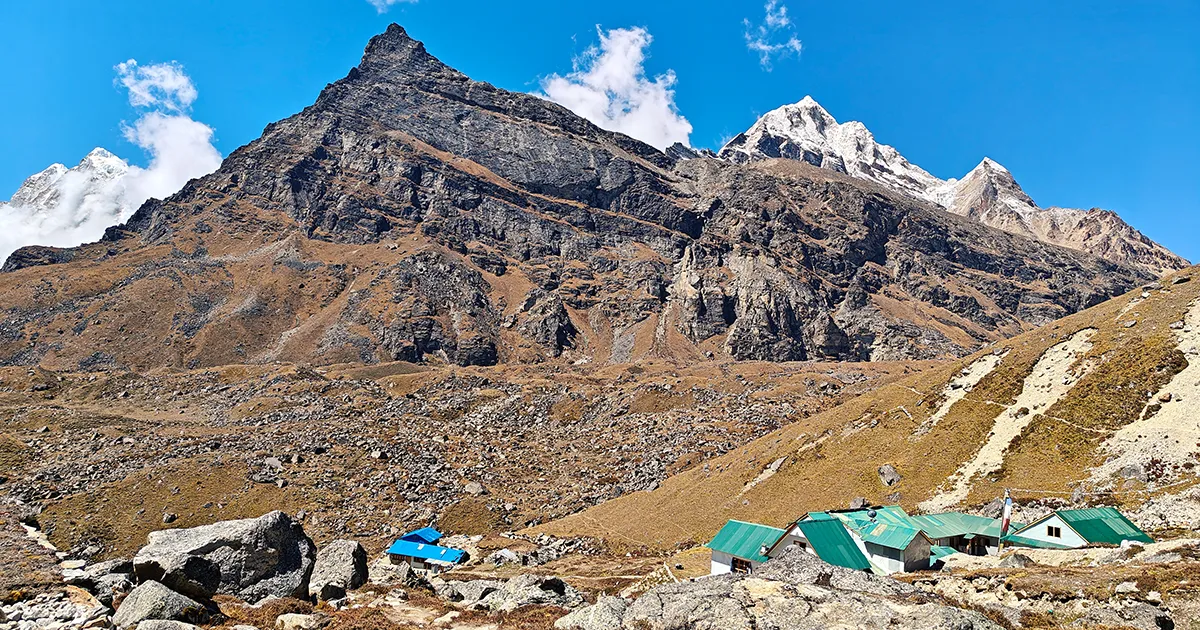
Similarly, the high altitude hike turns into a pilgrimage, helps you face your fear, and discover a profound connection with both nature and your own spirit.
Mindfulness in Every Step: Walking As Meditation
Every step you take on the trail to the Everest Base Camp becomes a moment of presence. The thin air of the Everest and the quiet valleys help you reconnect with yourself; here, you don’t have to achieve mindfulness; it naturally unfolds. The silence of nature, crossing prayer-flag-lined bridges over the Sherpa village, the distant humming of monasteries, makes your rhythmic pace with a steady breath, followed by the feeling of spiritual energy.
With the sense of self-realisation, it helps you to manage the overwhelming emotions of day-to-day life and reminds you that every breath, each step you take in the Himalayas holds meaning.
Sherpa Culture: Wisdom in Mountains
Trekking to the EBC gives you a rare glimpse of the Sherpa people and their culture, rooted in compassion, resilience, and deep reverence for the Mountains. You will get an insight into Tibetan Buddhist traditions in a prayer wheel, Mani stones, and monasteries. It is an opportunity to get into a guide’s daily life, along with an immense feeling of harmony, humility, warmth, and unwavering connection to nature.
Sherpas embody the wisdom of the mountains; they teach trekkers that the true power lies within kindness, mindfulness, and balance with the world, and strength is far beyond physical endurance.
A Sacred Achievement on the Himalayan Trail
When you reach the base of the Everest Base Camp, all of your tiredness and fatigue will disappear. The mesmerising beauty of ancient glaciers and the shadow of the world’s highest mountain, Mount Everest, will reveal the changes inside yourself, how far you have come and how this trip changed your inner transformation.
The sense of accomplishment and clarity is more than touching a destination; it becomes a personal awakening, a reminder of your resilience and the spiritual strength discovered with every step in the Himalayas.
Why the Everest Base Camp Trek Becomes a Spiritual Journey?
The Everest Base Camp trek becomes a spiritual journey because of the immersion in Tibetan Buddhism and the encounter with prayer flags and stupas in the monasteries, while witnessing the deep faith of the Sherpa people. It is a unique way to feel a deep sense of humility and awe within the hike.
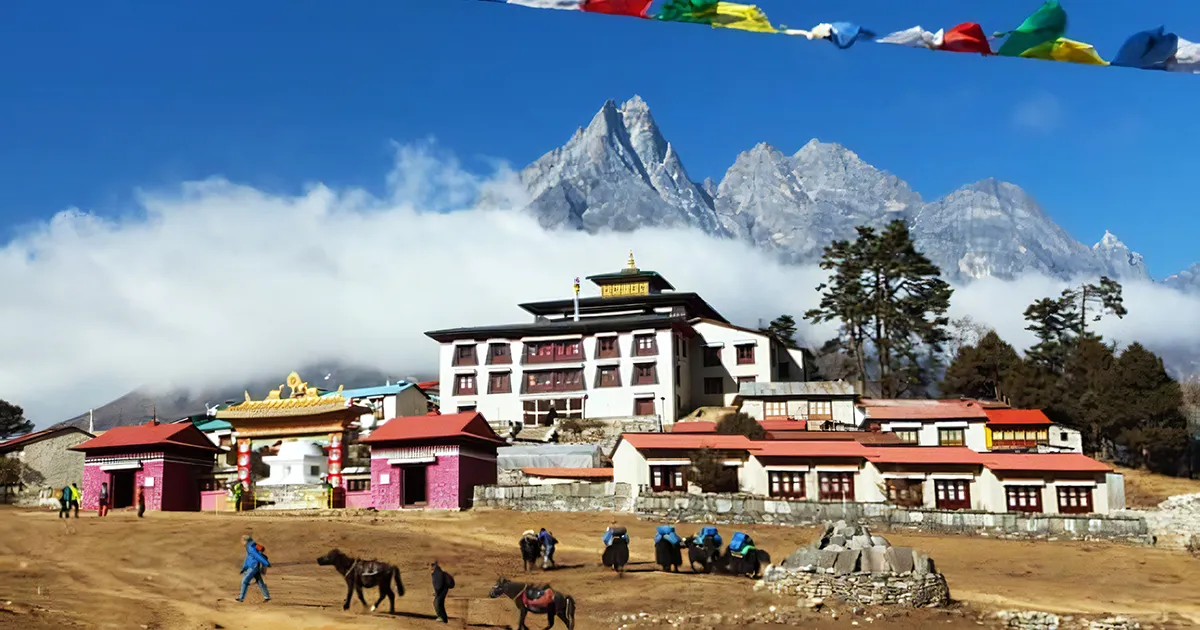
Similarly, the combination of prayer flags, mani stones, and chortens with immense, humbling landscapes fosters a sense of pilgrimage and a deep connection to both the local culture and the trekkers themself.
Walking A Sacred Path To Inner Clarity
The Everest Base Camp trek spiritual journey is a mixture of trekking destination and spiritual sanctuary. All those trekkers who complete their journey to the Everest Base Camp return with a clearer mind, a stronger heart, and a renewed sense of purpose. This journey is a pilgrimage to the soul, and when you walk in the rugged terrain through the whispering forest, it becomes a motion meditation.
The obstacles, like steep climbs, icy winds, and unpredictable weather, disappear within seconds when you reach the Tibetan Buddhist monastery. The chants of monks in harmony, and the fresh smell of the incense in the background, give your mind and soul a new purpose. Those who seek to heal their body and soul while connecting with nature, the Everest Base Camp trek spiritual journey is waiting to be explored.
The Everest Base Camp trek is not just about reaching the base camp; it’s all about finding a deeper sense of purpose, clarity, and peace within.
FAQs
Expand AllIs Everest Base Camp trek spiritual?
Yes, the Everest base camp trek is a spiritual experience. Tibetan Buddhism, the sacred nature of the mountains, and the personal journey of self-reflection make this ebc trek a spiritual journey.
What is the spiritual significance of Everest Base Camp?
A sacred site of Tibetan Buddhism, Sherpas believe as an abode of the goddess Miyolangsangma, makes the Everest base camp spiritual.
Can you meditate at Everest Base Camp?
Yes, you can meditate at Everest Base Camp. You can practice meditation inside the grounds of the monastery, in between the treks break, and inside the tea houses.
Which monasteries are on Everest Base Camp trek?
During the Everest Base Camp trek, you will explore monasteries like Tengboche Monastery, Pangboche, Khumjung, Thame, and so on.
How does Everest Base Camp trek change you?
The Everest Base Camp trek is a test of your mental and physical limits. It will give you a deep sense of accomplishment, new friendships, bonds with Sherpa guides, and provide new perspectives on life.
Is there a yoga retreat at Everest Base Camp?
Yes, there are yoga retreats at the Everest Base Camp trek. There is a facility of daily yoga and meditation, which helps trekkers to a mindful practices.
What do prayer flags mean on EBC trek?
The prayer flag of the EBC trek symbolises the Buddhist tradition, which is used to spread prayers for peace, compassion, and good fortune across the Himalayas.
Can Everest Base Camp trek be a pilgrimage?
Yes, the Everest Base Camp trek can become a pilgrimage. The challenging and life-changing trails of the EBC trek are often described as a spiritual, personal, and even life-altering adventure.
How to prepare spiritually for EBC trek?
A positive and realistic mindset, mindful practice, and spiritual connection is enough for the preparation of the EBC trek spiritually.
Do monks bless trekkers at Tengboche?
Yes, monks bless trekkers at Tengboche. They give you a blessing for the trek’s success.
Why do people cry at Everest Base Camp?
People cry at Everest Base Camp because of a powerful mixture of personal achievement and emotion of this challenging journey.
Is Everest Base Camp trek life-changing?
Yes, the Everest Base Camp trek is life-changing. It tests your limit and rewards you with a breathtaking views and a new perspective on life.
Can you do Vipassana during EBC trek?
No, you can’t do formal Vipassana during the trek. You can do yoga, and we suggest you do Vipassana before or after the trek.
How to have a mindful Everest Base Camp trek?
Focus on mental preparation and physical pacing before the treks give you a mindful experience.
Related blog posts
Discover a choice of tourist destinations loved by most of our visitors. Whether you're on a jungle safari to spot rare animals or walking through a world heritage site, these well-planned itineraries cover the major highlights of Nepal.
 call an expert at: