
Ngari Food and Restaurants: What and Where to Eat in the Ngari Region of Tibet
 Amrit K. Aryal
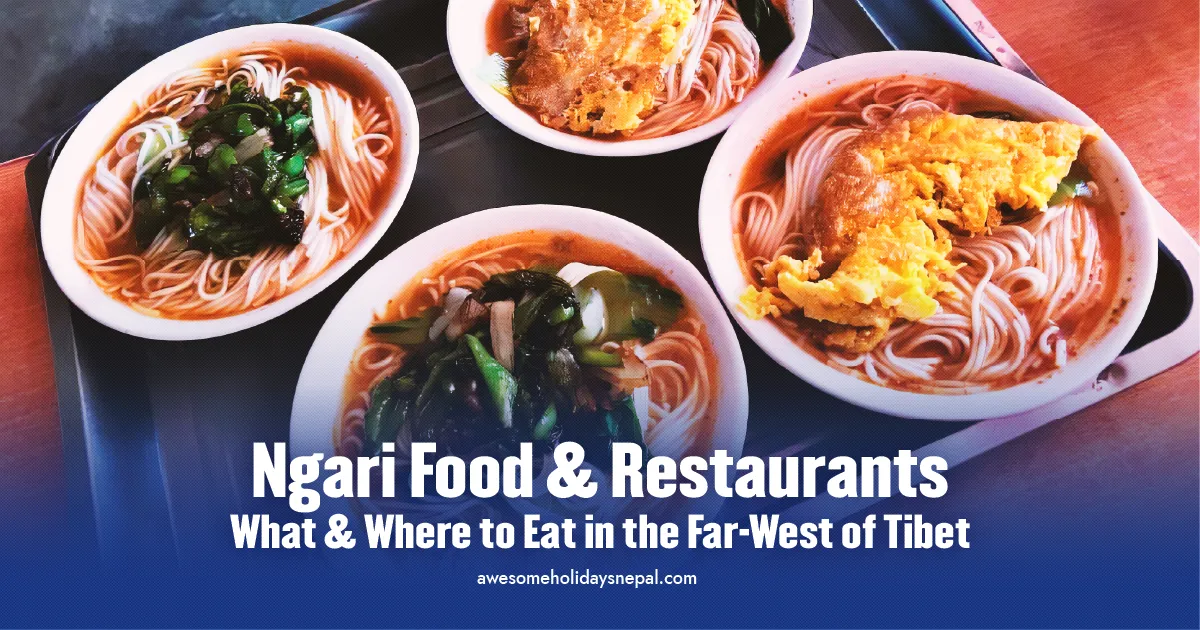
Travelling to Kailash and wondering what and where to eat in the Ngari region of Tibet. The far-west corner of Tibet feels like another planet due to the arid landscapes and cold weather. Finding a good place to eat here feels simple, hearty, and sometimes surprising.
Getting your first cup of cup with warm salty butter tea in Ngari feels amazing. Here is a short guide to explore the best restaurants in Ngari, and a good place for you to eat when you are on the way to the Kailash Mansarovar Trip.
Where to eat in the Ngari region of Tibet?
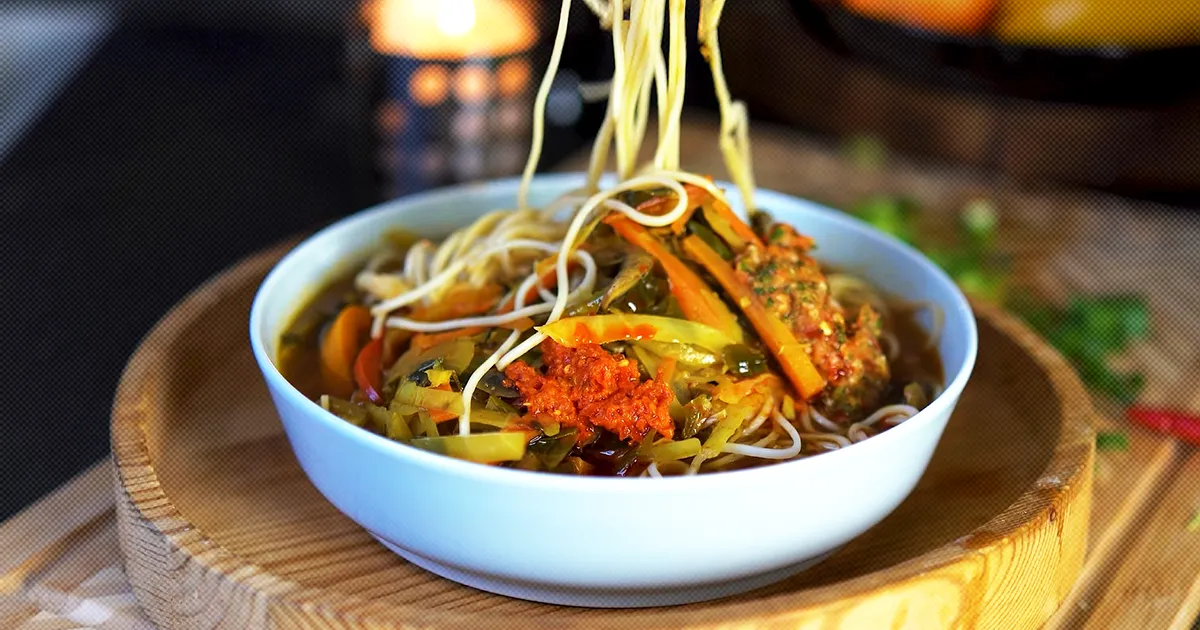
Ngari region is a bit different to Lhasa, with small restaurants and fewer flashing signs. There are some big hotels to find during your Kailash Mansarovar Yatra. There are small teahouses, mostly run by local Tibetans. There are a few Tibetan western region restaurants tucked near Darchen and Purang. The teahouses have small rooms with wooden tables, a smoking stove, and local Tibetans stirring noodles without saying a word.
Maybe they are a bit shy of foreigners. The environment feels quiet, warm and just wow. Most of the travellers love the local inns, little eateries along the Kailash road, or guesthouses serving basic noodles or Thenthuk. The food is simple, not too fancy, but it fills you.
Best Tibetan Food in Ngari
Ngari Tibetan food is plain, warm and good for altitude. The barley dough, hot broth, and Butter tea fill the everyday plate in Ngari. Noodles are what are popular among the Tibetans. Together, you will see other foods such as
- Thukpa
- momo (veg as well as nonveg)
- yak momos (sometimes)
- tsampa
- simple stir-fried veg (seasonal, if available)
- plain rice with vegetable soup
- noodle soups
- fried noodles
- milk tea
- butter tea
- pancake
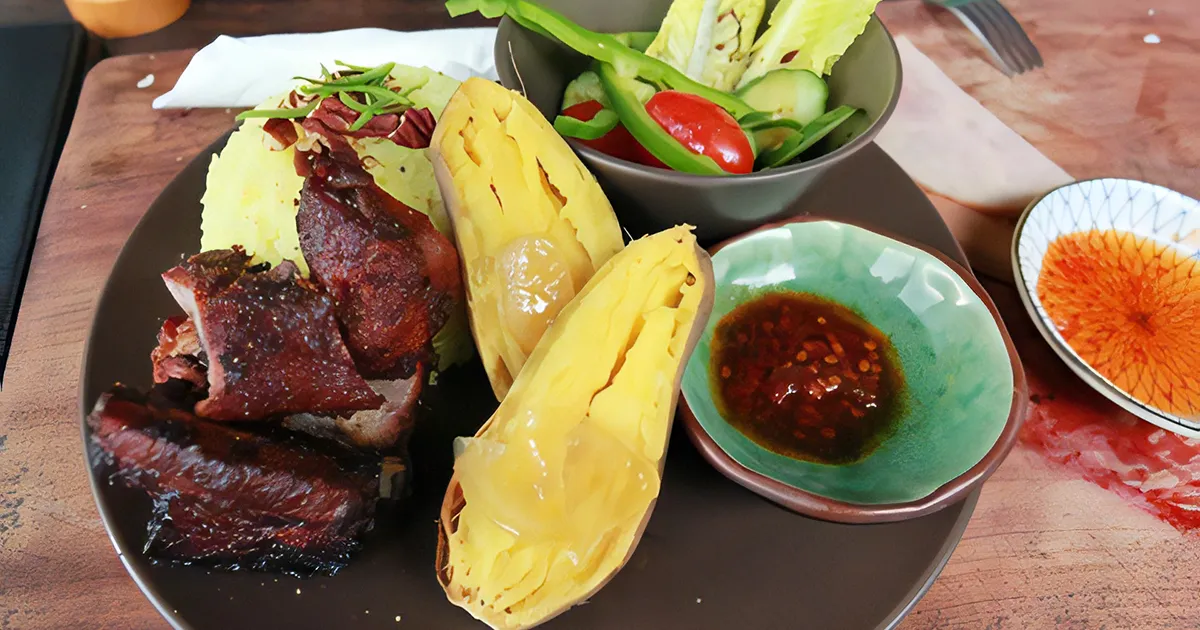
You can have a wide choice in cities like Saga County, but as you move closer to Kailash and Mansarovar, the menu shrinks. Major cities might have more choices of noodles, fried rice and maybe an egg. If you get a chance to share food with a local family, you might have a chance to have a handful of Ngari local cuisine dishes. Such wide options are also provided by some small township restaurants.
Ngari Travel Food Guide: What Pilgrims Actually Eat on the Road?
The traditional Tibetan cuisine is the backbone of dining in Ngari. Staples like tsampa are widely consumed. Tsampa is a popular dish made from roasted barley flour. Tsampa is often mixed with butter tea to create a nutritious and filling meal that is easy to prepare and ideal for the high-altitude environment. These sets of dishes are mostly found in almost every kitchen.
Basic soups, simple fried rice, instant noodle bowls, sweet and salty butter tea, biscuits, and dried fruits are also on the list. But the case may be different on the days of kora. On the three days of parikrama, you ought to survive on what you get in the teahouses in Dhiraphuk and Zutulphuk. Pilgrims often carry snacks on their own.
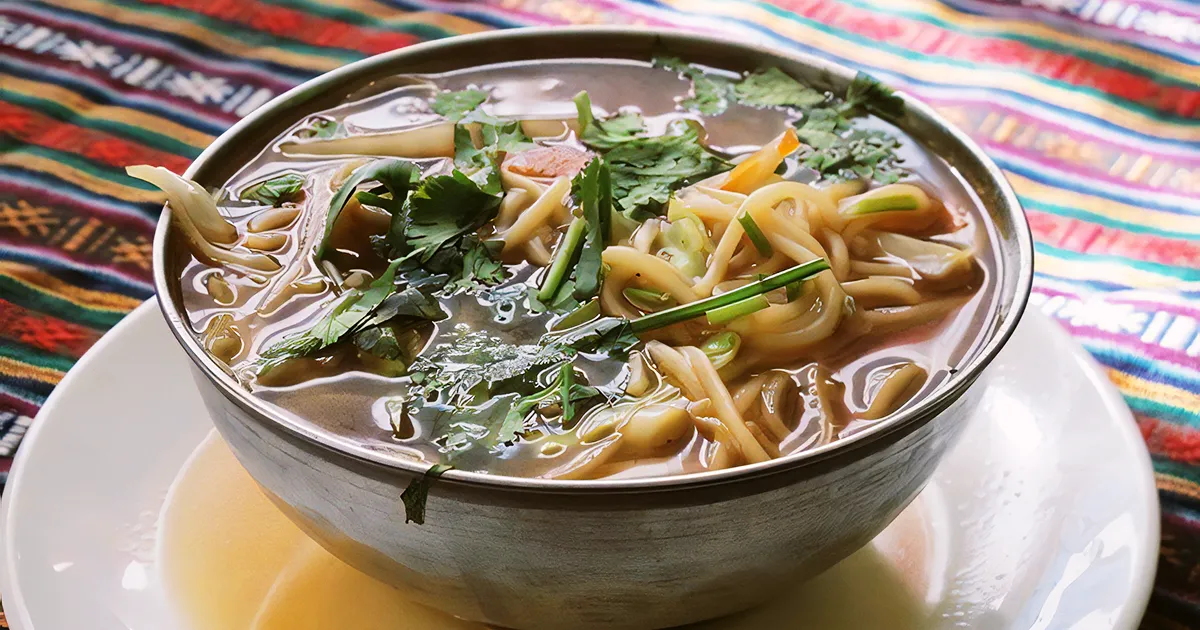
Two major stops, monasteries in Zutulphuk and Dirapuk, are for an overnight stay. These spots offer indoor dining facilities with simple meals, let’s say pancakes, boiled eggs, sausages, vegetable soup, and instant noodles.
It is always a good choice to have juice, water, and dry fruits such as nuts, cashew nuts, and chocolate energy bars with you. Tourists are often found carrying condensed milk, spices, ship biscuits, honey, canned food, apples, and carrots with them.
Restaurants in Tibet western region: What to Expect?
The best restaurants in Ngari, in the western region of Tibet, look modest. The doors of the restaurants are often painted with artistically auspicious symbols, with a blue background.
Chyang, another traditional beer made from barley on the table, warm water in a thermos, roasted lamb and roasted beef on the table also reflect the traditional cuisine in Ngari. Most of the menu might have been written in Chinese or Tibetan language but the picture on the side of the menu might help you decide what to choose.
Many of the fancy restaurants also include light-flavored seaweed soup, beef soup and pig leg soup, and steamed rice rolls on the menu in the lower region.
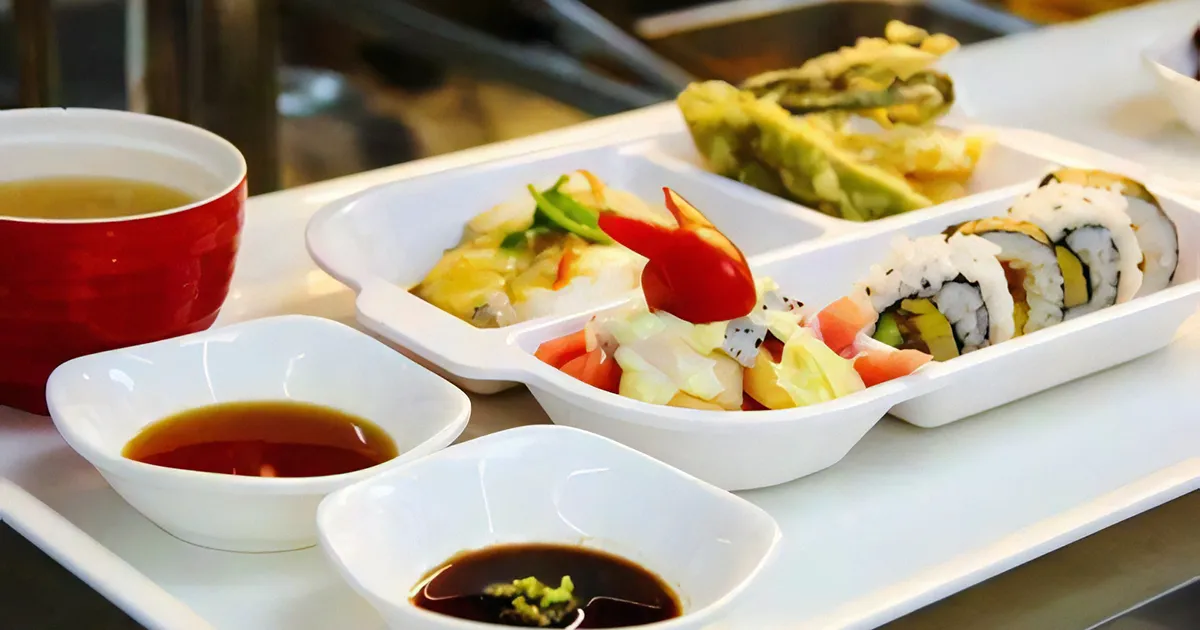
Supply Houses During the Kailash Kora,
Inside the Kora route, there are basic open-air tent restaurants mostly run by locals, providing you with supplies. These back-up teahouses offer simple options like boiled water, salty and sweet tea, egg-fried rice, shredded beef with green pepper rice and varieties of noodles. There are supply points, where you can get additional sustenance such as mineral water, beverages, beer, biscuits, sausages and even instant milk tea. For convenience, these supplies also have trekking poles, oxygen cans, sunglasses and sun hats to sell.
Since they are situated in a remote area with fewer supplies, the price might feel a bit higher, but it is reasonable. Here is a list of the top supply points during the trek:
- Xiongse Mani Dui – It is the starting point for the walking portion in the Kailash Trek.
- Qugu Monastery – This Buddhist monastery provide you with rest and additional meals.
- Luan Shipo Supply Point – This portion of the trek is known for dinner and accommodation.
- Zhoma La Pass – It is the highest point on the Kailash Mansarovar trek (5630 meters).
- Budongdi Ding Supply Point- This portion is mostly known for Lunch.
- Zongdui Teahouse Supply Point- It is the last supply point before taking a vehicle back to Darchen.
Food With a Blended Touch
In Purang, Saga and Darchen, there is a mix of Ngari Tibetan food. Purang County lies in the lower region of Ngari, a perfect place for the production of more vegetables than any other region. You get more varieties of fresh vegetables in the restaurants in Tibet western region at Purang.
The smaller restaurants and tea houses in Ngari, found on the sides of the roads, often nameless, run by small families, do not care about reviews. Yet, travellers are found mentioning the blend of Nepali, Indian and Chinese flavours. To name a few popular dishes in these regions,
- Yak meat stew
- Highland barley bread
- Spicy potato fries
- Dried radish soup
- Blood Sausage
- Air Dried Meat
- Tibetan Curry
- Tingmo
- Thukpa
- baozi (steamed stuffed bun)
- Porridge
It is recommended to go slow with unfamiliar spices. If you are lucky to find some old recipes of yak bone soup, barley bread steamed with herbs, homemade yogurt thick enough to cut with a spoon, radish pickle and hand-pulled noodles in a peppery broth, try them.
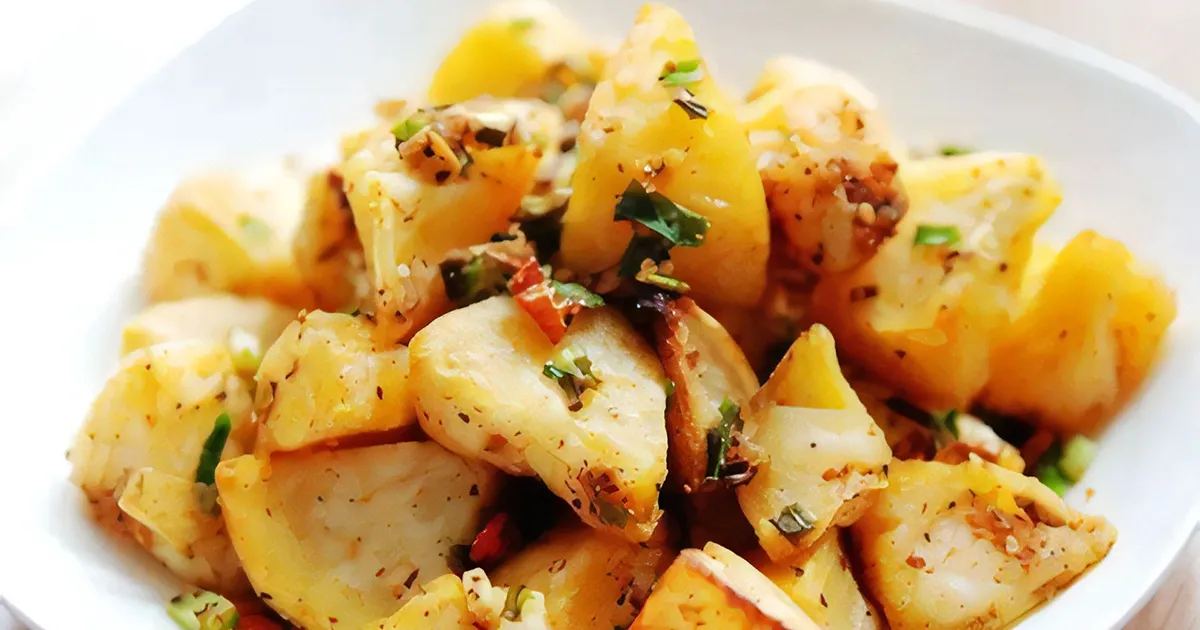
Comfort Above Luxury
Ngari isn’t about luxury meals. It’s a land that teaches you to appreciate simple meals, hot broth, and a bowl of rice in a quiet kitchen. Ngari Tibetan food is not about fancy taste but about filling you enough to complete the Kailash Kora.
Explore the area to find out where to eat in the Ngari region as you are on the journey to the Kailash Mansarovar yatra.
FAQs
Expand AllWhat food is available in Ngari Tibet?
Basically, simple and warm meals such as instant noodles, fried rice, momo, Tibetan bread, and yak meat dishes are served in basic Chinese plates in the Ngari region of Tibet.
What do people eat in western Tibet?
Tibetans in western Tibet mostly consume foods made from barley, yak meat, butter tea, and stew like Thenthuk. Due to the cold, fewer vegetables grow here.
Is there vegetarian food in Ngari?
Yes, but in a limited supply. Due to cold weather and desert-like soil, they get fewer green vegetables. So, they consume food with fewer vegetables, such as noodles, fried rice, potato dishes, and lentil soups.
What is the traditional food of Tibetan nomads?
The traditional food in Tibet is mostly comprised of barley flour, butter tea, dried yak meat, and yak cheese. These foods can survive the wind and can be carried out on a long journey.
What is tsampa and how is it eaten?
Tsampa is a kind of roasted barley flour. It is often mixed with tea or butter tea and kneaded into a soft ball. This is a quick source of energy.
Are there restaurants in Ngari Ali Prefecture?
Yes, there are small family kitchens on the side of the road, and big diners in hotels. They are not so fancy yet with a hospitable smile of Tibetan people.
Where can I eat near Mount Kailash?
Cities and stopping hubs like Saga, Kerung, and Darchen are the most commonly taken names. mainly. Teahouses and guesthouse restaurants. During parikrama, only basic lodges.
What restaurants are in Darchen village?
Darchen has a wide range of Tibetan and Chinese eateries, with a simple menu in the list. To name them, noodles, fried rice, vegetable soup, tea, and yak curry (depending on the season)
Can I find Chinese restaurants in Ngari?
Yes. Most of the restaurants in Ngari have included Chinese menu items like chowmein, fried noodles, and soups.
Are there any cafes in Ngari Tibet?
There are a few cafes in Ngari. Some hotels have small café corners with traditional tastes. Do not expect Western café vibes in those cafes.
What food should I carry for Kailash Manasarovar Yatra?
Dry fruits, energy bars, chocolate, nuts, biscuits, instant noodles, and ORS are always recommended to carry for the Kailash Manasarovar Yatra.
Is the food in Ngari safe to eat?
Generally, yes, but always check the hygiene and go slow with unknown foods and spices. Make sure the items are fresh and fully cooked.
What food helps with altitude sickness in Tibet
Warm soups of garlic and ginger, tea, and plenty of water will help to avoid altitude sickness in high altitudes in Tibet.
Can I drink tap water in Ngari Tibet?
No, drinking water directly from the tap is not recommended. Instead, always drink boiled or bottled water.
What is yak butter tea and how does it taste
Yak butter tea tastes salty and oily thick.
How much does food cost in Ngari Tibet
Meals can range from cheap local bowls to mid-range prices. Around 20 to 60 yuan, depending on the place.
What is Momo and where to find it in Ngari?
Momo is the dumplings, normally stuffed with meat or vegetable crumbles. It is more popular in Nepal and Tibet.
Do restaurants in Ngari accept credit cards?
Not always. Only selected restaurants accept credit cards. Almost every transaction is done in cash.
Related blog posts
Discover a choice of tourist destinations loved by most of our visitors. Whether you're on a jungle safari to spot rare animals or walking through a world heritage site, these well-planned itineraries cover the major highlights of Nepal.

 call an expert at: