
Everest Climbing Boots: Which Ones are the Best?
 Sujata Pokhrel
The right gears are crucial for reaching the summit of the world’s highest peak. Looking for Everest climbing boots can become very chaotic if you aren’t knowledgeable about the extremities that you encounter.
Choosing the proper boots isn’t just about comfort; it’s also about your safety on treacherous mountain trails. On Everest, your shoes protect you from extreme cold, ice, snow, and rocky terrain, while keeping your feet stable during long summit pushes.
Every climber needs to keep in mind that a pair of the wrong boots can be the reason for meeting unfortunate incidents on the trail. It can often cause blisters, frostbite, or cause you to slip on icy and rocky slopes. Whether you are a climber, guide, or Icefall doctor, you all need good gear to safely return home after stepping on Everest.
Go through the blog to learn about the different types of climbing boots and which ones are the best Everest climbing boots.
Different Types of Climbing Boots
Not all climbing boots are the same, or made the same way. Depending on the route you choose, the altitude you trek through, and the experiences you have along the trail, the type of boots you choose also varies.
Single Boots
Single boots are lightweight, one-piece boots with built-in insulation. They’re designed for technical climbing and lower-altitude peaks, offering flexibility and comfort for challenging terrain.
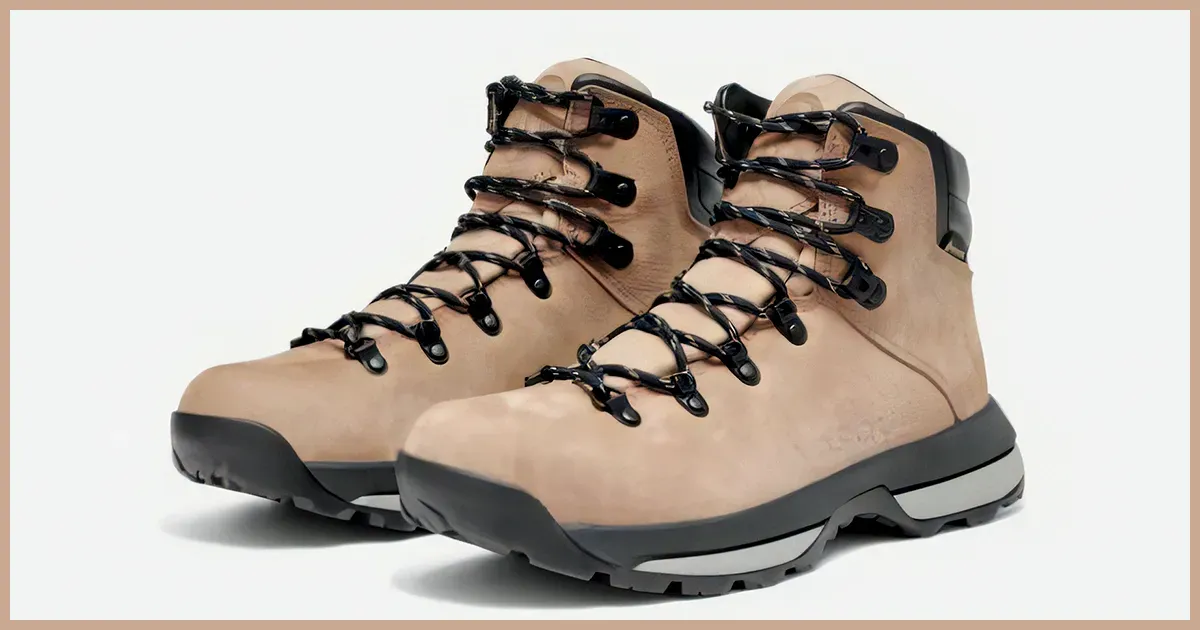
While they are great for steep ice or rocky climbs, they are not warm enough for Everest’s high camps, where temperatures can plummet below –20°C. Single boots are ideal for alpine climbs or peaks below 6,000 meters, but for a true 8,000-meter adventure, you’ll want something warmer.
Double Boots
Double boots are the a go-to choice for Everest climbers. As these consist of a stiff outer shell and a removable insulated liner, these have several advantages.
Some of the advantages of this system are:
- Warmth: The insulation keeps your feet protected in extreme cold.
- Drying capability: Liners can be removed and dried overnight, preventing frostbite and discomfort.
- Crampon compatibility: Stiff soles and welts allow full-automatic crampons to fit securely.
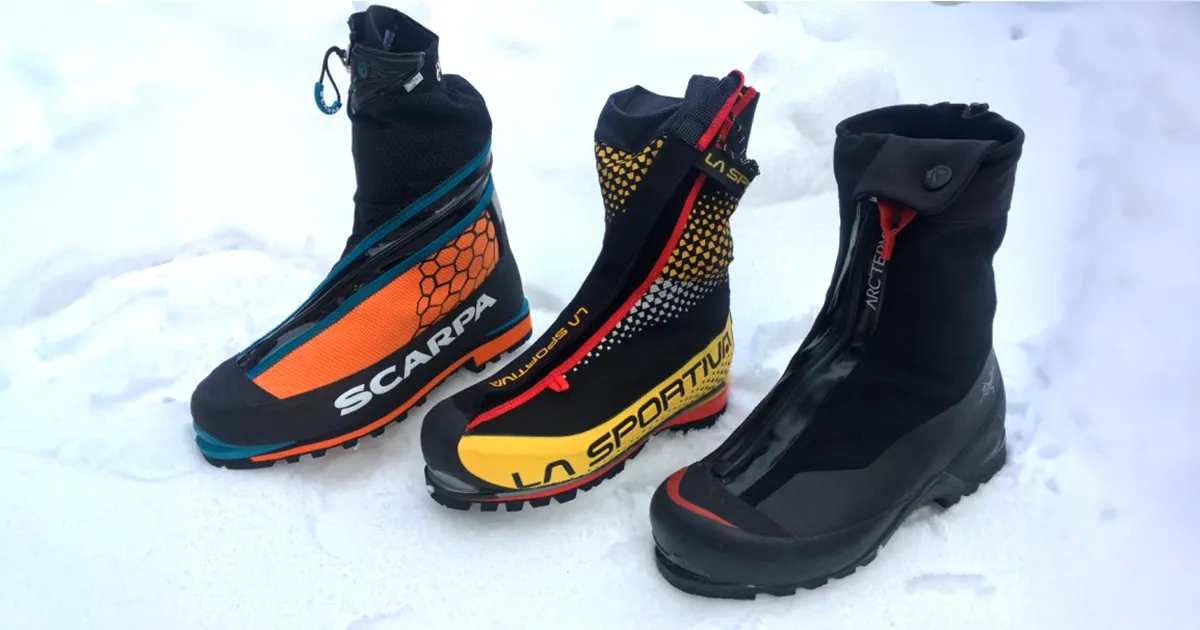
Double boots are perfect for high camps, glacier travel, and summit pushes, offering the right combination of insulation, support, and protection.
Triple Boots
Triple boots are super-insulated, heavy boots designed for the coldest environments, like polar regions. They provide maximum warmth but are bulkier and heavier, which can reduce mobility.
You don’t actually need triple boots for expedition, not even for Everest unless you are climbing in winter season.
Trekking Boots vs Climbing Boots
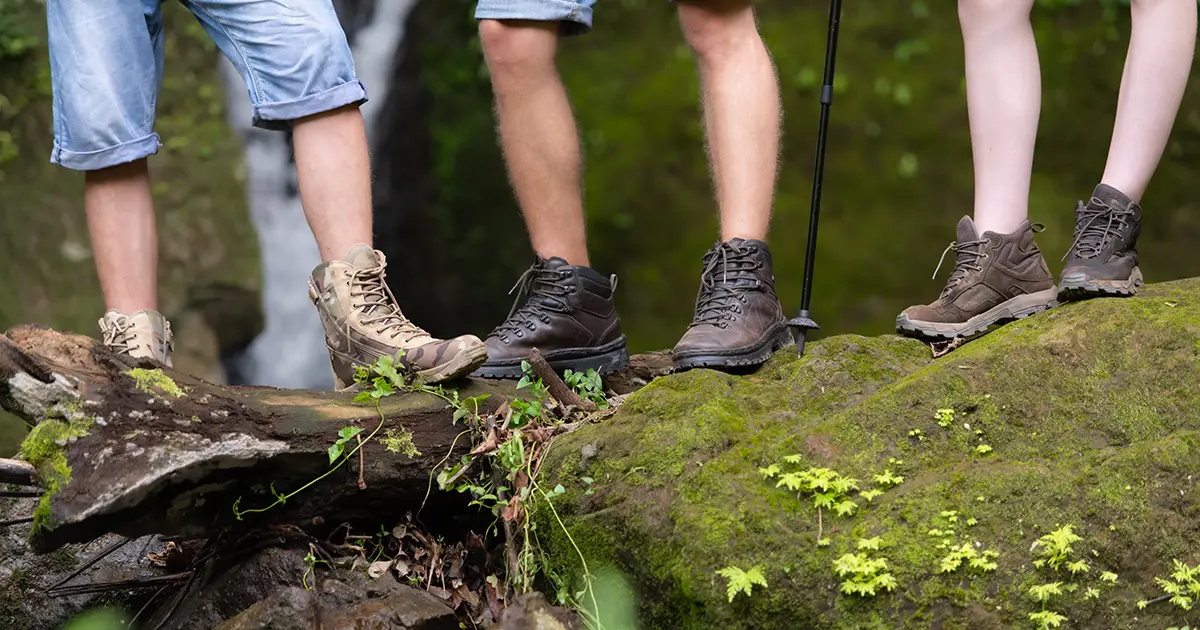
Although trekking boots and climbing boots may look somewhat similar, their purpose, construction, and performance are worlds apart. Trekking boots focus on comfort, long-distance walking, and day-to-day stability, while climbing boots are engineered for extreme cold, high altitude, and technical climbing.
Trekking boots are more suitable for trekking to the Everest Base Camp, while climbing boots can take you to its top.
Here’s a brief comparison on Everest climbing boots and trekking boots to help you understand:
| Basis of Difference | Trekking Boots | Climbing Boots |
|---|---|---|
| Purpose | Made for long-distance walking on trails, uneven ground, and multi-day trekking routes. Ideal for routes like Everest Base Camp where comfort matters most. | Designed for climbing steep ice, traversing glaciers, and surviving extremely cold, high-altitude conditions. Essential for Everest summit attempts and other 8,000m peaks. |
| Temperature Suitability | Built for moderate cold—cool mornings, windy passes, and light snowfall. They keep feet warm but not in deep-freeze conditions. | Created to handle brutally cold temperatures, often dipping below –20°C or lower. Insulation protects against frostbite during long summit pushes. |
| Insulation Level | Provides basic to moderate insulation, keeping feet comfortable during everyday trekking. Not suitable for extreme cold or prolonged exposure to ice. | Highly insulated with layers of thermal lining. Double or triple boot systems trap heat effectively even when standing long hours on ice. |
| Sole Stiffness | Flexible or semi-stiff soles designed to reduce fatigue, absorb shock, and provide comfort on long hikes. | Very stiff (B3-rated) soles that allow precision on steep ice, prevent bending in crampons, and offer stability on technical terrain. |
| Crampon Compatibility | Usually compatible with lightweight strap-on crampons meant for simple icy patches, not technical climbing. | Fully compatible with automatic or semi-automatic crampons for climbing vertical ice, crossing ladders, and ascending steep slopes. |
| Weight | Lightweight to medium weight, allowing trekkers to walk for hours without tiring their feet or legs. | Heavier due to multiple insulation layers, rigid shells, and stiff soles. Weight adds protection and stability at altitude. |
| Comfort Level | Very comfortable, cushioned, and forgiving on the feet. Perfect for long walking days and gentle to moderate ascents. | Less flexible and more structured. Not built for comfort, but for protection and performance in dangerous environments. |
| Upper Construction | Often made with breathable synthetic fabric or leather combined with a waterproof membrane. Designed to balance ventilation and weather resistance. | Constructed with rigid exteriors, integrated gaiters, and multiple layers of insulation to shield from wind, snow, and ice. |
| Drying Ability | Slower drying since most trekking boots don’t have removable liners. If they get wet, they may take time to fully dry in cold environments. | Double and triple boots have removable liners that can be dried inside sleeping bags at night—crucial for preventing frostbite. |
| Terrain Use | Ideal for popular trekking routes, forest trails, rocky paths, and moderate mountain passes. Great for Everest Base Camp, Kilimanjaro, or Annapurna Circuit. | Meant for high-altitude climbing, glacier crossings, steep couloirs, and ice walls. Necessary for Everest, Manaslu, Cho Oyu, K2, and technical 7,000m+ peaks. |
| Risk if Used Incorrectly | Using trekking boots where climbing boots are needed may lead to cold feet, blisters, or discomfort—but usually not life-threatening. | Using trekking boots on high-altitude climbs is extremely dangerous and can result in rapid frostbite, poor crampon grip, or falls on ice. |
| Best For | General trekkers, long-distance hikers, backpackers, and people trekking to Everest Base Camp or similar elevations. | High-altitude mountaineers, expedition climbers, and anyone climbing above 6,500–7,000 meters where extreme cold and ice are constant factors. |
How to Choose the Right Everest Climbing Boots?
Choosing the right climbing boots for Everest expedition isn’t about picking what’s trending on market or which is the warmest; there are several factors one needs to consider. Here are some of the factors you need to consider:
Know the Climbing Season You Will Be Climbing
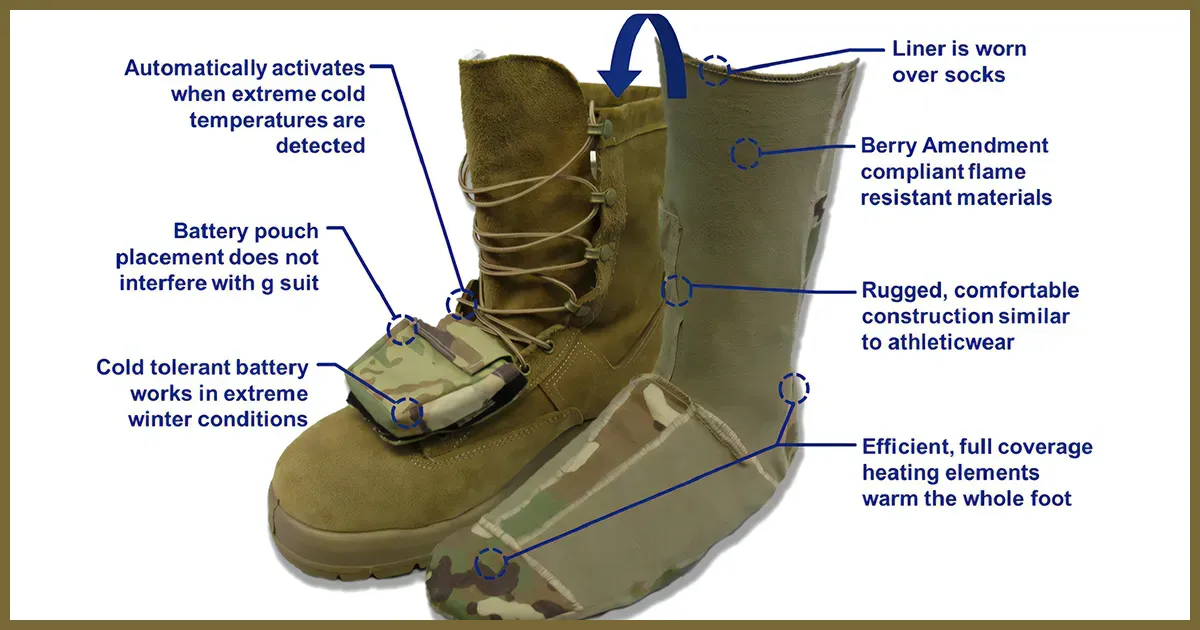
The climbing season does determine what kind of boots to choose for Everest climbing. If you’re climbing in spring or autumn, you’ll find that high-quality double boots are the trusted choice for most climbers. They’re warm enough for freezing nights at high camp but not so bulky that you feel clumsy on the ladders in the Khumbu Icefall.
Whereas for winter expeditions, it is recommended to go for triple boots for getting the extra insulation. Despite the colder and harsher temperatures, some climbers stills rely on high-performance double boots with top-end liners. Whatever you choose entirely depends on your personal comfort and preference.
Consider Your Foot Shape and Fit
It is crucial to get the boots that fits the shape and fit your feet as you will be spending hours in these boots. More than okay, these needs to be comfortable for long expedition. Getting smaller sizes often leads to blisters and discomfort and creating more issues on the trek.
Here are a few things to consider while choosing the right shoe size:
- Your toes need space, especially with thick summit socks.
- Your heel should stay locked in place to prevent painful blisters.
- And most importantly, test your boots exactly as you’ll wear them on summit day using liners, socks, everything.
Stiffness of the Sole
Everest isn’t the place for flexible soles. You’ll want B3-rated stiffness, the highest level available. At first, stiff soles feel strange, almost wooden—but on steep icy terrain, that stiffness becomes your best friend.
Having a rigid surface on your shoes helps in multiple ways. It keeps you stable on surfaces mixed with ice and rocks. It also prevents foot fatigue and keeps your crampons attached securely. In fact, while climbing the Lhotse face of Everest, you will thank your shoe for the stiffness.
Crampon Compatibility
Your boots and crampons need to be in a complete sync without any wobbling. You need to ensure the boots have correct toe and heels welts. Since a poor fit can cause shifting of crampons or it may even pop off this, its necessary to test these equipment, preferable on steep ice situation.
Insulation and Drying
As you will be consistently walking over icy surfaces, it is necessary to have proper insulation to protect your feet from frost-bite. Besides, sweating in your feet often makes the shoes wet. Thus, the material should be easily dryable.
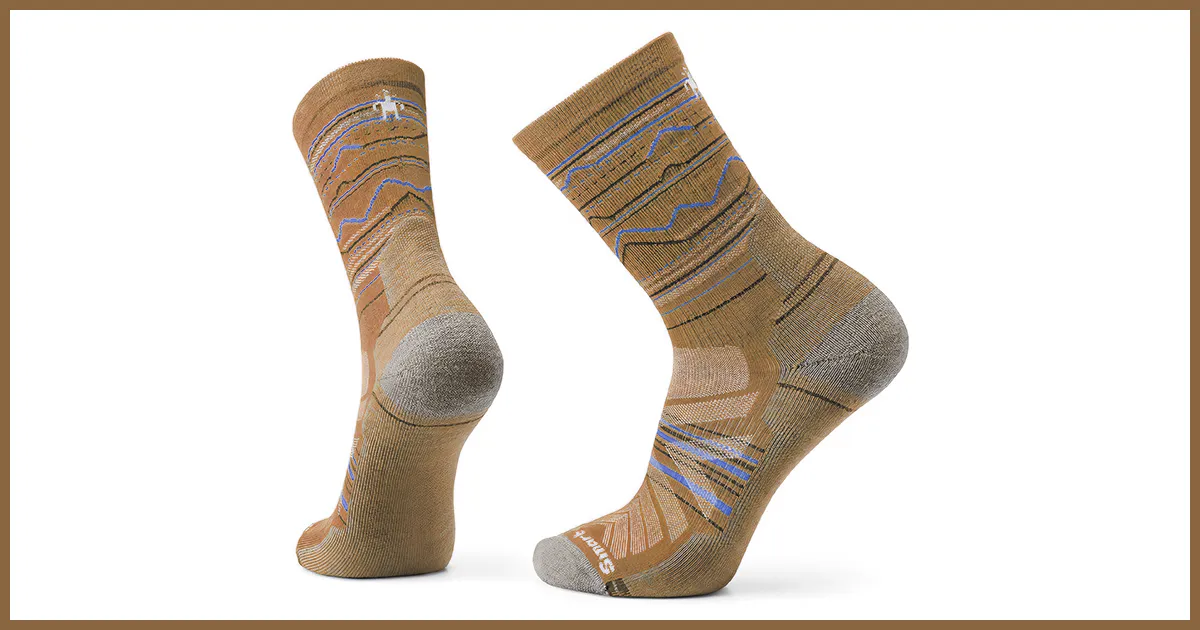
Because of the potential moisture, it is necessary to get boots with the liners that keep your feet warm even if your socks get drenched with swear.
Weight vs. Mobility
Climbing boots comes in different sizes and weights each with their specific advantages and disadvantages. Heavier boots are incredibly warm and protective, but they take more energy to move. Over hours of climbing in thin air, that extra weight adds up.
Lighter boots feel nimble and fast, but if they’re too light for the temperature, your feet will suffer—and frostbite is not worth the trade-off.
5 Best Everest Climbing Boots Brands
When you are chasing highest peak of the world, having right boots isn’t just about luxury, its a necessity for your survival and success. Many trusted brands specialize on high-altitude mountaineering boots and hence can withstand the freezing cold and let you trek seamlessly on difficult terrains.
The top climbing boot brands and their preferred model for Everest ascent are:
La Sportiva
La Sportiva is one of the most revered names in mountaineering footwear. Their high-altitude models, like the Olympus Mons Cube/Evo, are specifically designed for extreme cold, with aggressive insulation systems and stiff, crampon-ready soles.
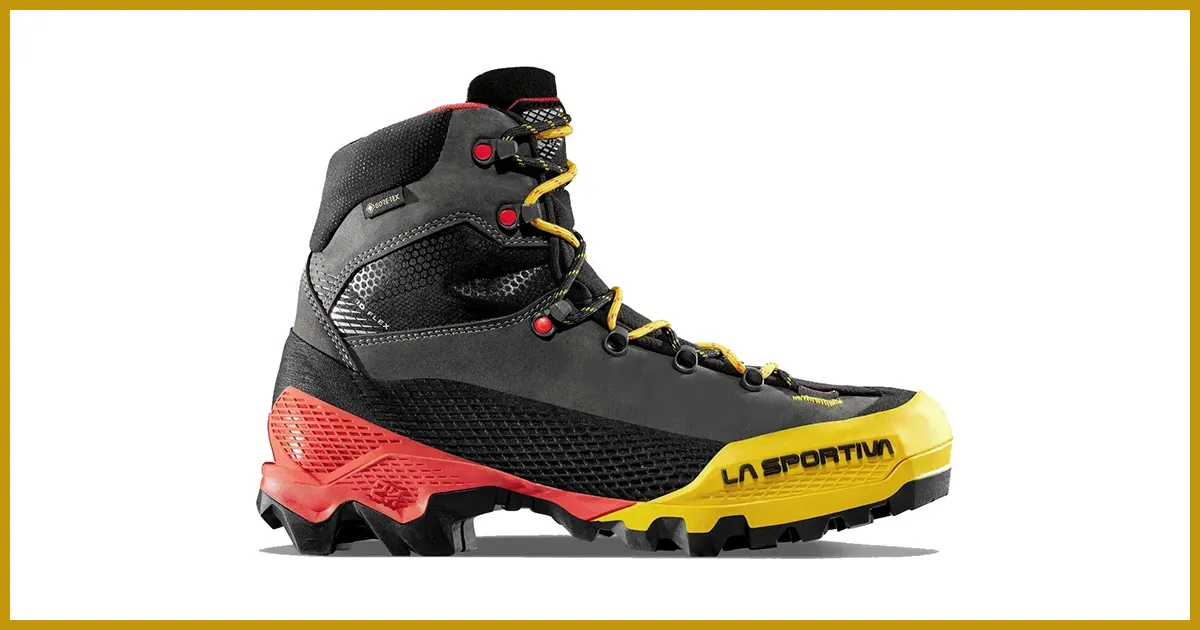
It provides exceptional warmth and precise fit with Boa lacing in few models. It is a reliable brand for high altitude.
Scarpa
Scarpa has established a reputation in the mountaineering industry by providing boots that combine technical performance and toughness. On Himalayan climbs, their Phantom series are more favorite and it includes the Phantom 8000 and Phantom 6000.
It has durable outer shell with very stiff soles and liners which is best suited for insulation and long-wear.
Lowa Expedition
Among expedition climbers, Lowa is well-respected despite not being as luxurious as some Italian brands. Their Expedition 8000 EVO model is designed for climbing large mountains at high altitudes.
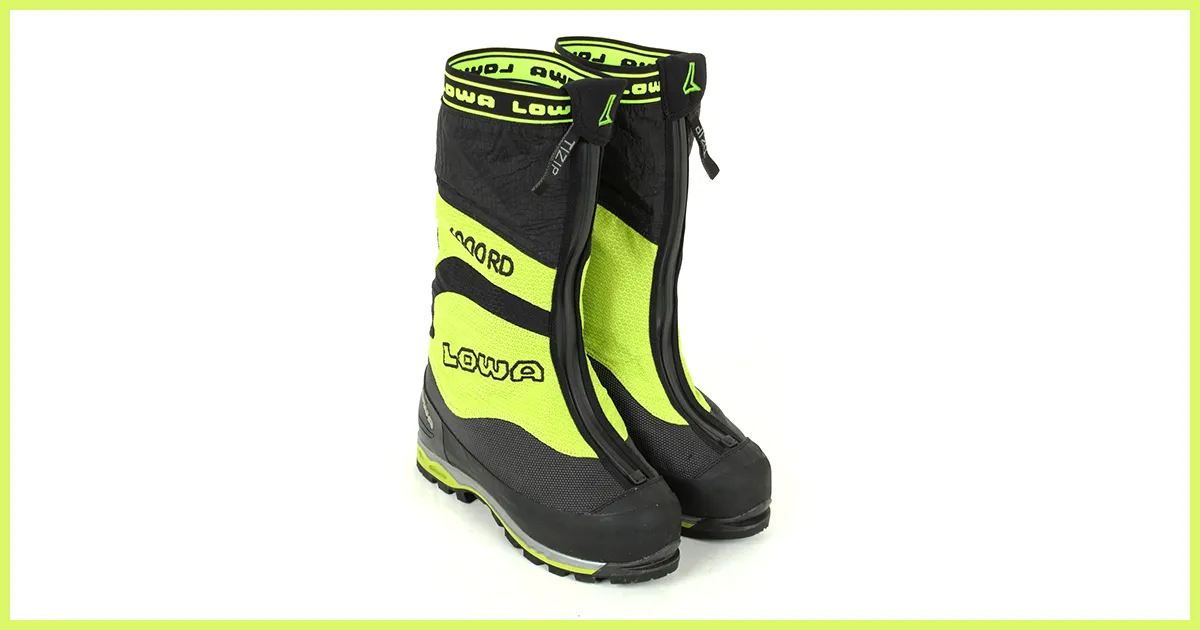
It offers strong insulation and has strong build. Climbers usually choose it for the comfortability, durable material and the layered build that’s able to handle cold.
Arc’teryx
Although Arc’teryx is better known for its clothing, their mountaineering boots are also worthy of mention. Their Acrux series, particularly the double high-altitude models, combines excellent performance with a lightweight design.
These have very good build and provide a very good weather protection.
Millet
Even though they aren’t always talked about, Millet manufactures high-quality footwear for climbs of 7,000 meters or more. Their Everest Summit GTX model is designed to withstand harsh environments and includes cutting-edge insulation, such as aerogel.
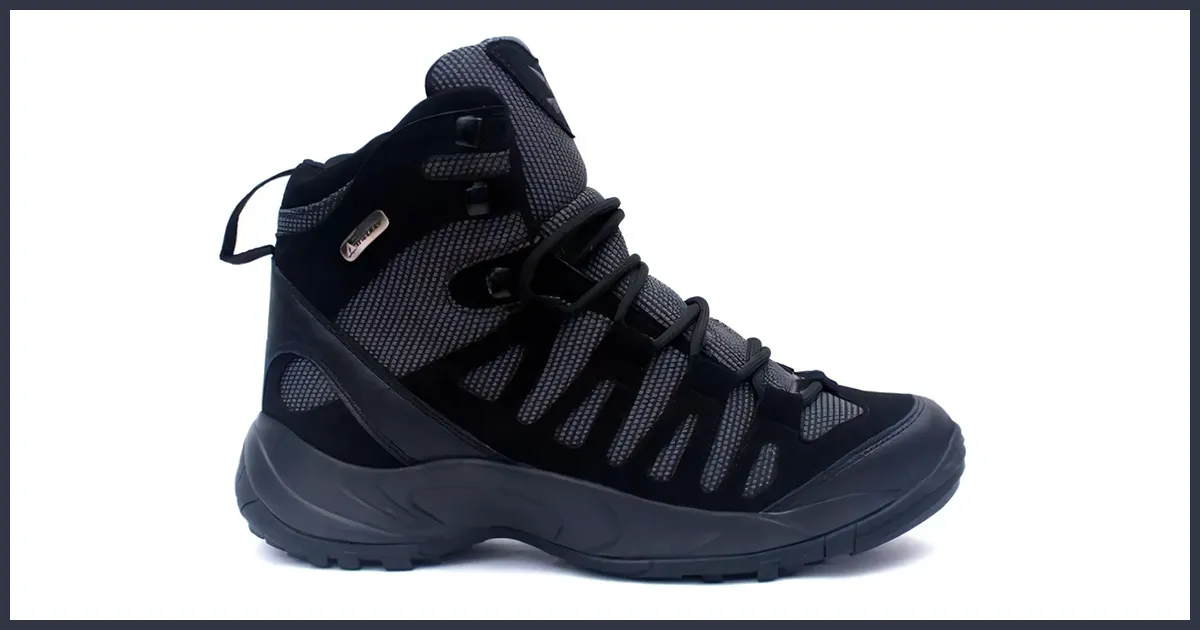
These are best known for their high thermal efficient and designs made for withstanding extreme cold. The brand is best known for offering a strong balance of warmth and technical performance
Best Companions on Your Summit
Your Everest climbing boots are gonna be your best companion until you end the journey. Since these guide you through the slippery snow surfaces, dangerous crevasses and vertical ladders on the trail to summit of Everest, choosing a right fit of right a pair becomes essential.
Double boots with removable liners, stiff soles, and reliable crampon compatibility are the preferred choice for most climbers. Because of their warmth, toughness, and ability to function at high altitudes, brands like La Sportiva, Scarpa, and Lowa are dependable. It is equally important to test your boots with socks and crampons to ensure its comfortable enough for the trek.
Keep adventuring the Everest!
FAQs
Expand AllAre hard shoes good for your feet?
Hard shoes are not ideal for long treks because they reduce natural foot movement and can cause soreness. However, a moderately firm sole is useful for rocky trails. The best footwear balances support with comfort.
How often should you replace hiking boots?
Most hiking boots last 800–1,200 km, depending on terrain and usage. Replace them if the sole loses grip, ankle support weakens, or the midsole feels flat. Heavy use on rocky Himalayan terrain may wear them out faster.
Are mountaineering boots good for hiking?
Mountaineering boots are too stiff and heavy for normal trekking. They’re designed for ice, crampons, and steep snow, not long trail walking. For regular hiking or EBC treks, use lightweight trekking boots instead.
What are trekking boots?
The trekking boots are mid to high cut hiking boots for multi-day trails. It offers better grip, support to your ankle, moderate insulation, and durable soles for uneven terrain.
How often should you buy new hiking shoes?
If you trek regularly, plan to buy new hiking shoes every 1–2 years, or sooner if you notice discomfort, worn tread, or reduced cushioning.
What are the best shoes for Everest Base Camp trekking?
The best shoes for EBC are lightweight, waterproof trekking boots with good ankle support and a comfortable midsole. Some of the popular choices are:
- Scarpa Zodiac / Kailash
- La Sportiva TX Hike GTX
- Lowa Renegade GTX
Should trekkers choose mid-cut or high-cut boots for EBC?
Both work, but mid-cut boots are enough for most trekkers because the EBC trail is well-defined. High-cut boots offer more ankle support and are better for people with weak ankles or carrying heavy loads.
Are waterproof boots essential for the Everest region?
Yes, waterproof boots are highly recommended for the Everest region as the areas above Namche commonly have snow, light rain, and melting ice. Since wet feet dramatically increase blister risk and discomfort, its necessary to keep feet dry.
Do Gore-Tex boots work well in cold, dry conditions?
Yes, Gore-Tex keeps feet dry from snow and morning frost while still allowing some breathability. In the cold, dry Himalayan climate, Gore-Tex performs very well.
Are trail runners suitable for EBC?
Trail runners are possible but not ideal for most trekkers. They’re lighter but give less warmth, ankle support, and protection on rocky sections. They can work for fast, experienced, lightweight hikers.
How stiff should the sole be for rocky Himalayan terrain?
Choose a boot with a medium-stiff sole. It protects your feet on uneven stones without feeling too rigid.
Do boots need full ankle support at altitude?
Altitude doesn’t require ankle support but the terrain does. Since the EBC route includes rock steps, uneven paths, and mule trails, moderate ankle support helps prevent injuries.
How warm must EBC trekking boots be?
Your boots should be warm enough for 0°C to –10°C morning temperatures. You don’t need ultra-warm expedition boots; medium insulation plus good socks is perfect for EBC.
Related blog posts
Discover a choice of tourist destinations loved by most of our visitors. Whether you're on a jungle safari to spot rare animals or walking through a world heritage site, these well-planned itineraries cover the major highlights of Nepal.



 call an expert at: