
Best Everest Routes for Trekking with Family

 Sujata Pokhrel
Are there any best routes for trekking to Everest with a family? Well, there are many! From luxury to challenging, there are several Everest routes to suit all levels of adventurers.
While the Everest Base Camp trek is one of the most popular trekking routes to Everest, it isn’t the only one. Many trekkers prefer to explore the regions around the Gokyo Lakes, Kalapathar, and the numerous scenic villages of the Everest region. Some true adventurers even climb to towering peaks around, like Lobuche, Island, and Mera.

There have been record-breaking ascents made by families on Everest, such as that of the youngest climber, Jordan Romero. But not all families can achieve this feat! Travelling with family means you seek safety and security at the same time. Thus, trekkers prefer sticking to low altitudes with a lower chance of altitude sickness and want the best amenities.
Let’s explore the blog to learn more about the various Everest routes suitable for trekking with families.
Different Routes for Trekking to Everest
Everest Heli Trek Route
The Everest Heli trek is one of the bet Everest routes for trekking with your family. It combines both, the raw experience of trek and luxury of returning on a heli when your muscles are too tired to trek down on return. The trek is is a 9-day adventure that starts with a scenic flight to Tenzing Hillary Airport of Lukla.
As you ascend upwards from the airport, you will witness the beauty of small scenic villages while resting out. The trek culminates in Everest base camp from where you can enjoy majestic mountain views and the savage Khumbu glacier. Next day, the view become even more clearer while descend on a heli.

Here’ s what you Everest heli trek itinerary looks like this:
Arrival in Kathmandu
Flight to Lukla and Trek to Phakding
Phakding to Namche Trek
Acclimatization in Namche
Trek to Tengboche
Tengboche to Dingboche trek
Trek to Lobuche
Early trek to Gorakshep and continue to Everest Base Camp
Kalapathar Hike and Back to Lukla then Kathmandu on a Heli
Departure
Fitness for family
As mentioned above, the heli-trek route of Everest is the most fit one for trekking with family. While the ascend gives you the authentic trek feel, the descend gives you a relaxation. Still it might be challenging to older people or toddlers but for the rest, its no big deal to trek one way with good guidance and right preparation.
Standard Everest Base Camp Route
The standard Everest base camp trek is a 15 day adventure that start with a flight from Kathmandu to Lukla. Since the domestic airport in Kathmandu remains busy in peak season, you might have to take a drive to Ramechhap. The alternative Manthali airport in Ramechhap handles most of the flight to Lukla in this time.
After reaching Lukla, this trekking trail encompasses scenic villages like Phakding, Namche Bazaar, Tengboche, Dingboche, Khumjung etc. to reach the base camp. You will also have an option to trek to Kalapathar as the whole view of Everest is kind of obstructed from the base camp. Climbing a higher elevation does provide a clearer view rather than being at the bottom of the peak.
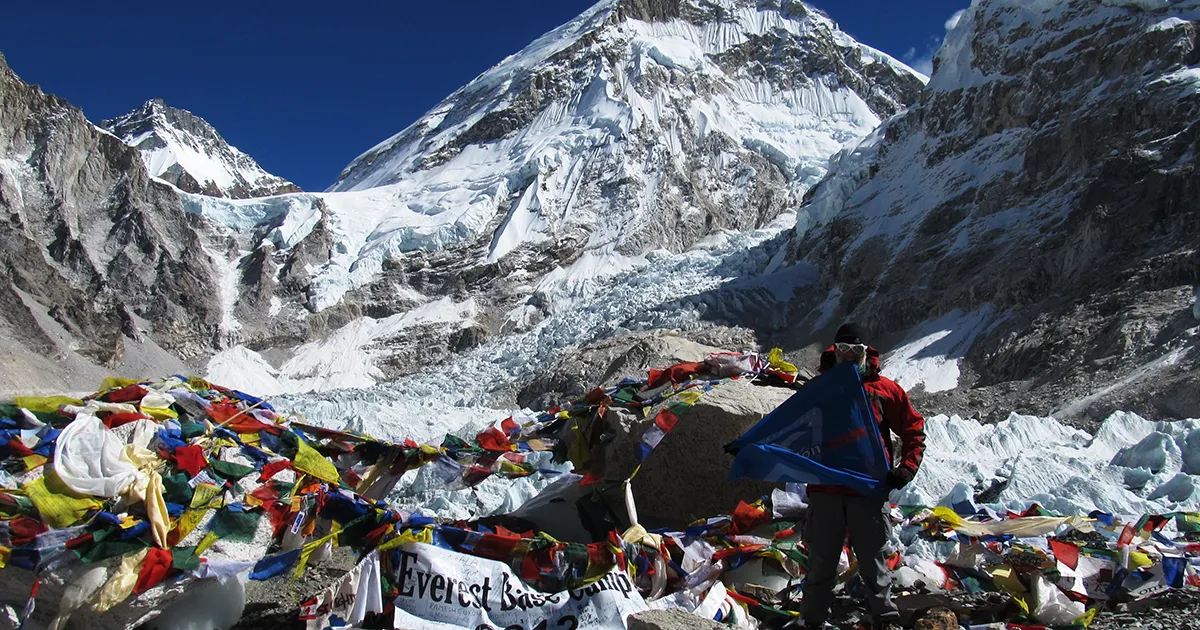
The route culminates at the base camp and returns back to Gorakshep and down to Pheriche then continuing to Namche Bazaar. From here, the route takes down to Lukla and flight back to Kathmandu.
Here’s what the standard EBC trek itinerary looks like:
Day 0: Landing in Kathmandu
Day 1: Fly to Lukla and Trek to Phakding
Day 2: Trek to Namche Bazaar
Day 3: Acclimatization in Namche
Day 4: Trek to Tengboche
Day 5: Tengboche to Dingboche
Day 6: Acclimatization in Dingboche
Day 7: Trek to Lobuche
Day 8: Trek to Everest Base Camp via Gorakshep and Return
Day 9: Gorakshep to Kala Patthar and down to Pheriche
Day 10: Trek to Namche Bazaar
Day 11: Namche Bazaar to Lukla
Day 12: Fly to Kathmandu
Day 13: Free Day in Kathmandu
Departure Day
Fitness for Family Trek
Since you need to trek at least 6 to 7 hours each day, the EBC trail is quite a challenging one to do with family. However, if you are planning the trek with teens or adults who are physically active and do exercise or strength training on a regular basis, it is an ideal one.
Traditional Everest Base Camp Route
Unlike the regular EBC, the traditional route doesn’t include the flight to Lukla. Instead, you will have a road journey to Jiri village, the starting point of the trek and then continue the journey on foot. It was the route that Tenzing Norgay Sherpa and Edmund Hillary took to succeed the first ever summit to the peak of Everest.
This route is comparatively longer than the traditional route as you will have to trek at least 5 to 6 days before reaching to Namche Bazaar. From Jiri, you will trek past traditional villages like Sete, Junbesi, and Nunthala. After reaching Namche, you will follow the standard route itinerary.

Fitness for Family
Since it is a longer route that takes up elevation gradually, it is more fit for trekking with family. Even though it takes more days, it helps you adapt better to the extreme cold temperature and thinning oxygen level in the air. It is definitely the best family friendly option as it has many scenic halts with ample rest days.
EBC with Gokyo Route
If you and your family is looking for more adventurous experience while trekking to Everest region, then you must aim for the EBC trek with Gokyo. It is a 17 days long adventure that starts with a scenic flight from Kathmandu to Lukla then continues on foot until you return back to Lukla. This trek offers exceptional panoramic views of mountains of the Khumbu region along with views of the serene Gokyo lake and valley.
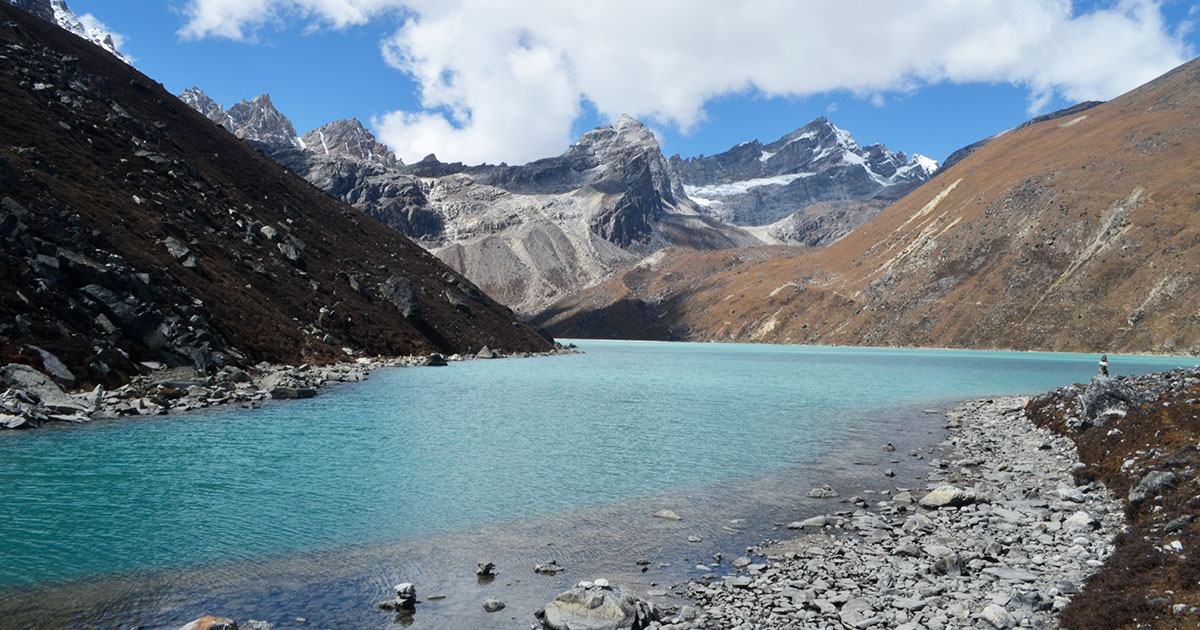
There are two different routes for exploring the Gokyo region. Either you can just take a short router route for reaching Gokyo lake directly from Namche Bazaar and return the same way. However, if you are looking for a longer excursion that also involves Everest Base Camp then you must opt for the Gokyo via EBC and Cho la pass.
Here’s what your itinerary of Gokyo trek via EBC looks like:
Day 0: Arrival in Kathmandu
Day 1: Fly to Lukla and trek to Phakding
Day 2: Reach Namche Bazaar
Day 3: Acclimatization in Namche
Day 4: Trek to Dole
Day 5: Dole to Machhermo
Day 6: Reach Gokyo
Day 7: Acclimatization in Gokyo (Short route ends here and follows same route on way back)
Day 8: Trek to Thagnak
Day 9: Trek to Dzongla with a pause in Cho la pass
Day 10: Reach Lobuche
Day 11: Reach Gorakshep and Trek to EBC
Day 12: Hike to Kala Patthar and trek to Pheriche
Day 13: Back to Namche Bazaar
Day 14: Trek to Lukla
Day 15: Fly Back to Kathmandu
Departure Day
Fitness for Family
The shorter Gokyo trek is fair to trek with family members of all group as it has a shorter trail and completes early. However, for the longer trail only the adults and late teens who are active in fitness or have trekked often can only complete.
EBC with Peak Climbing Route
Peak climbing often comes as an extended trip of the Everest Base Camp trek. It is more suitable for families who want to train for summiting higher peaks of the world. Moreover, it is a good trek for training your muscles if you are soon planning an ascent.
Many adventurers add trekking peaks like the Lobuche east, Island peak, Pikey peak to their Everest Base Camp trek.
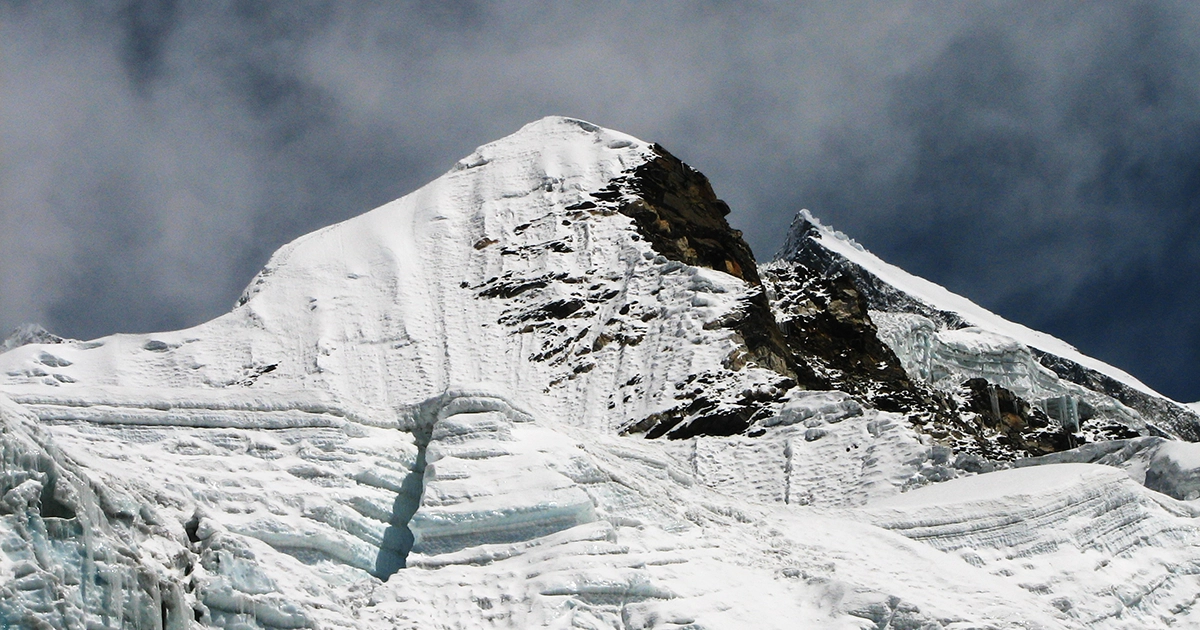
Check our Island peak climbing with EBC itinerary to get an idea of this trek.
Fitness for Family
Honestly, Everest base camp trek with peak climbing isn’t a good adventure if your family has members of all age group. Peak climbing requires you to have good technical skills and a very good endurance. One has to train early at least 2 to 3 months ahead to make this trek a success.
Everest Heli Tour Route
Even though it isn’t a trek route, Everest Heli trek is the lost luxurious way to experience the beauty of Everest. In fact, it is most suitable way to travel to Everest with family. Even young children and elderly can join in for this heli tour. Starting with the Langtang ranges and Lirung Himal, the heli-ride to Lukla will be full of breathtaking views of snow-capped peaks from the closest distance.
As you reach Lukla, Syangboche or Kalapathar, the breathtaking views of the panoramic mountains welcome you. You will also have a brief moment to breathe in the air of Everest’s atmosphere. The breakfast with a view of Everest is one of the major highlights of this tour, which is worth being in your core memory for a lifetime.

There is also another alternative route for exploring Everest on a helicopter tour. Instead of Syangboche, you can also choose an alternative Everest Heli-sightseeing tour with a breakfast view from Kongde.
Here’s what a typical itinerary of Everest Heli-tour looks like:
Drive to Kathmandu Airport
A Heli-ride to Lukla
Fuel Break in Lukla
Fly to Everest Base Camp(currently, its prohibited to stop at Kalapathar)
Explore the base Camp
Fly to Syangboche (Everest View Hotel)
Breakfast with a View
Heli-ride to Lukla
Fuel up and fly to Kathmandu
Basic of Everest Trekking
Everest trekking isn’t complete unless you know some basics of the region. From correct trek maps to favorable trek season all matters a lot, even more when you are enjoying this journey with your family.
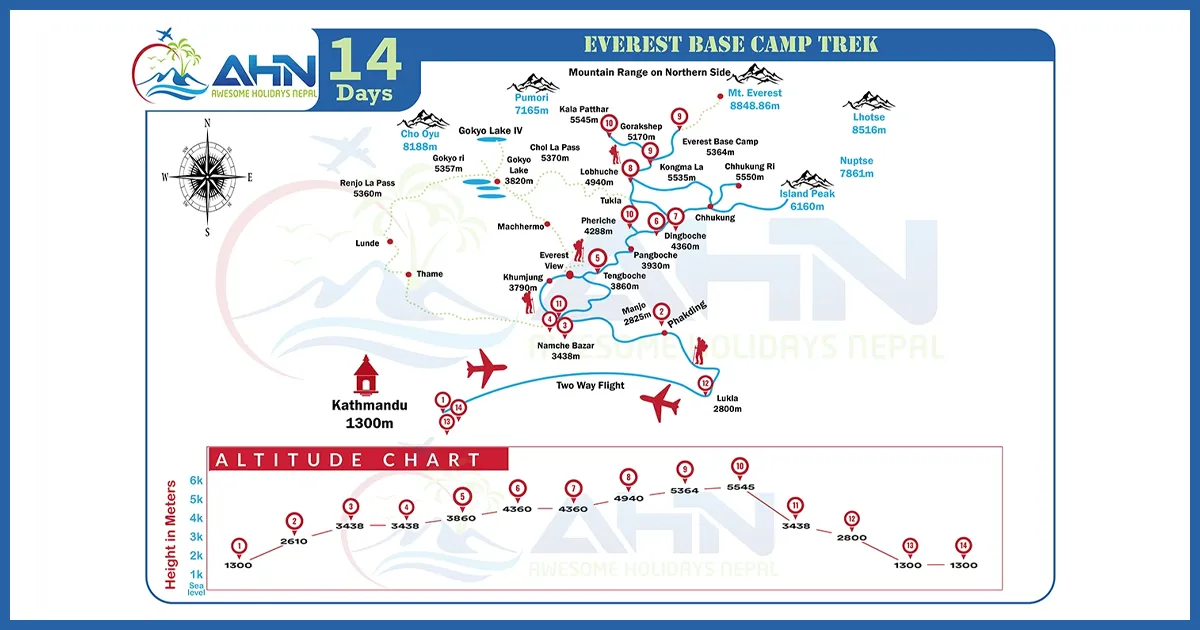
Everest Routes Map
Since there are multiple ways to explore the Everest region, there is no fixed route. You can select the trail that suits you desire and requirements. Here’s what a typical Everest route map looks like:
Distance of Everest Routes Trek
The exact distance of the trek varies depending on Everest routes for different kind of packages. Everest region is 160 kilometers (100 miles) away from Kathmandu in nautical miles. The flight to Lukla us about 135 kilometers whereas the drive from Kathmandu to Jiri via road is 140 kilometers approx.
Whereas the trekking distance from Lukla airport is Everest Base Camp is about 65 kilometers and adding on the trek to Gokyo makes it around 150 kilometers.
Best Weather for Everest Treks
It is possible to trek on Everest routes throughout the year, offering different experiences at each time. However, the cold, freezing winters or the heavy rains of the monsoon season might not be for beginners. There is nice snow during winter, but it also comes with a risk of altitude sickness. Yet, proficient summiteers also choose this time to avoid the crowds of peak season.
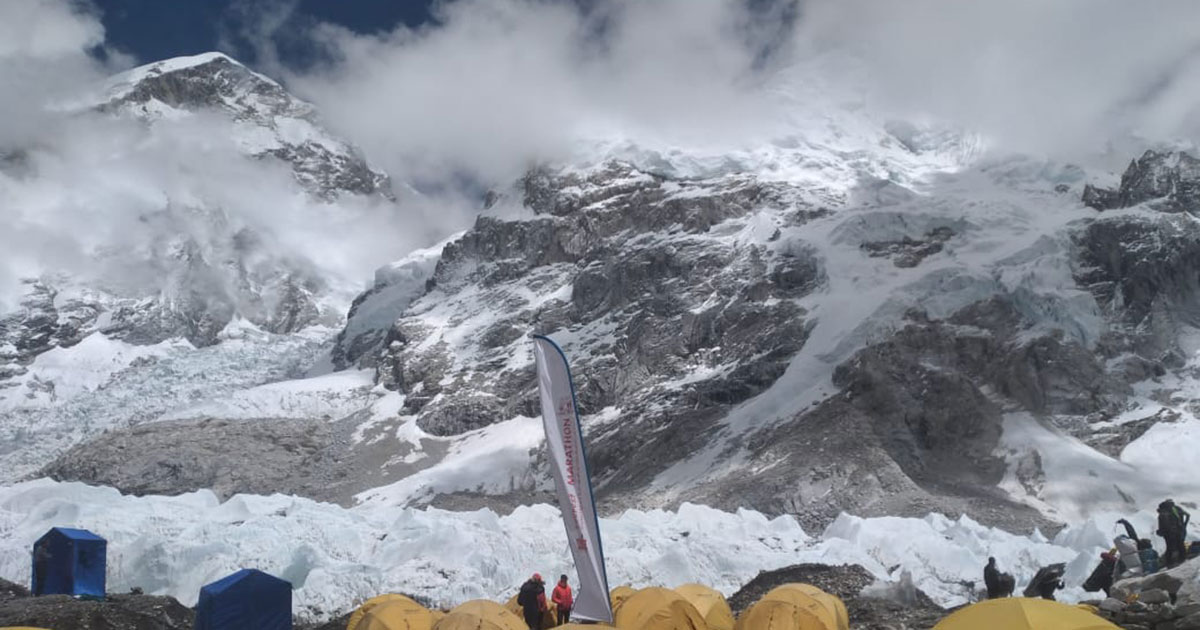
Fall and Spring are the best seasons to trek to this region. Since the climate is suitable, the trails are dry, and the skies are clear during these two seasons, it is also the best season for climbing to the Himalayan regions of Nepal. Typically, from September to November and April to May, most visitors ascend through various trekking routes in the Everest region.
Permits Required for Everest Routes
You would require two mandatory permits for entering the Everest region. One is the Sagarmatha National Park permit and the other is Khumbu Pasang Lhamu Rural Municipality permit. However, if you are thinking of taking the route via Jiri then you will require an additional permit, the Gaurishankar Conservation Area Permit.
Apart from this, you will also require a separate permit for climbing a peak in the Everest route. Check on with your guide or refer to the official website of Nepal tourism board for National park permits.
Know Your Limit and Choose
Trekking through the treacherous Everest routes and that also with a family can be quite challenging. From luxurious heli excursion to cultural treks, there are different routes for exploring Everest with family.
As long as you know the limits of your family members, any trek will be an exciting journey. Know their caliber and physical fitness to choose the package that suits them all.
Keep exploring with your family!
FAQs
Expand AllIs Everest Base Camp trek safe for families?
Yes, Everest Base Camp is safe for the family if you are well-prepared, acclimatize properly, and travel with an experienced guide. The trail is well-established, with good lodges, medical posts in key villages, and daily access to helicopters in case of emergencies.
What is the easiest Everest trek for kids?
The easiest Everest trek for kids is the Everest view trek as it has lower altitude, shorter walking hours with less chances of altitude sickness.
What is the best age for children on Everest family trek?
The best age for children on Everest family treks is 10 years or above. Children at this age can handle longer walks, adapt better to altitude, and understand basic safety rules. Younger kids can still enjoy shorter routes like Namche or Khumjung.
How hard is Everest Base Camp with family?
The EBC trek is moderately challenging for trekking with family because of long walking days and high altitude. However, with training and extra acclimatization days, fit families can complete it safely. Choosing good lodges and a flexible itinerary helps make it enjoyable.
Is it possible to do Everest trek with kids under 10?
Yes, it is possible to do but it’s best to keep the trek shorter. Kids under 10 can safely reach Namche Bazaar, Tengboche, or Khumjung, where the altitude is moderate. Higher sections like Everest Base Camp are not recommended for very young children.
What gear do families need for Everest trek?
Families need warm layered clothing, trekking shoes, down jackets, sleeping bags, and sun protection. A small first-aid kit, water purification tools, and snacks for kids are also essential. Always pack light but keep extra layers for cold evenings.
When is the best time to trek Everest with family?
The best time to trek Everest with family are spring (March–May) and autumn (September–November). These months have stable weather, clear skies, and warmer days. Avoid monsoon and winter, which bring rain, snow, and colder conditions.
Are there family lodges on Everest trail?
Yes, there are many lodges on Everest routes that cater to families with comfortable rooms and attached bathrooms. Luxury options like Yeti Mountain Home and Everest View Hotel are especially suitable. These offer hot showers, good meals, and cozy stays for kids and elderly travelers.
Do kids need permits for Everest trek?
Yes, even children require trekking permits. Families must obtain the Sagarmatha National Park Permit and Khumbu Pasang Lhamu Municipality Permit before entering the region. Both are easily arranged in Kathmandu or Lukla.
What are best acclimatization tips for families on Everest trek?
The best acclimatization tips for families are:
- Follow the “walk high, sleep low” rule
- Drink 3–4 liters of water daily
- Add at least 2 acclimatization days for children
- Avoid skipping rest days
- Go very slow on steep sections
Which Everest route has least altitude gain for families?
The Everest View Trek and Gokyo Route (without Cho La Pass) are the best routes for gradual altitude gain. Both routes ascend gently, reducing the risk of altitude sickness. They also offer incredible scenery without long, steep climbs.
Can elderly parents join Everest family trek?
Yes, many elderly trekkers successfully complete Everest routes every year. The key is slow pacing, good preparation, and enough rest days. Choosing luxury lodges or a heli-return option adds comfort and safety.
What are some recommended guides for family Everest treks?
Some of the best recommended guides for family Everest treks are:
- Get a good trek guide with authorized trekking license
- Book your trek with a proficient trek company like Awesome Holidays Nepal.
- Acclimatize thoroughly on the trek.
- Ask for assistance in case of any symptoms of altitude sickness
Related blog posts
Discover a choice of tourist destinations loved by most of our visitors. Whether you're on a jungle safari to spot rare animals or walking through a world heritage site, these well-planned itineraries cover the major highlights of Nepal.

 call an expert at: