
Everest Base Camp Trek in Winter
 Sristi Adhikari
Everest Base Camp Trek in winter is one of the popular trekking destinations in the world. Trekking to the Everest Base Camp in winter is a wonderful experience, and only a few people are fortunate enough to enjoy it. The deep blue sky, freshly formed snow, cold weather, breathtaking landscapes, charming Sherpa villages, rich culture, along the blend of natural beauty attract thousands of trekkers and mountaineers.
It is considered an off-season for trekking in the Khumbu region. In Nepal, winter spans from December to February. Winter trek to Everest Base Camp offers less crowded trails, clear skies, snowy landscapes, and magical views of snow-capped mountains. In winter, one can get an opportunity to experience the rich socio-economic beliefs of the local community, closely followed by solitude.
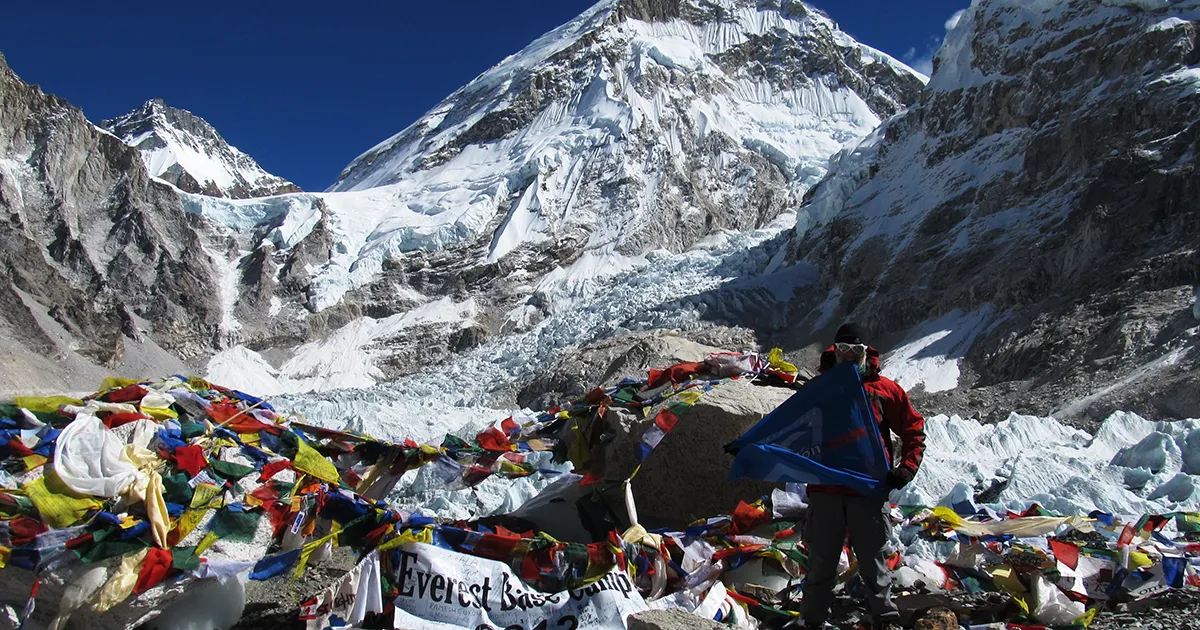
With enough preparation and packing, one can easily complete this beautiful and less crowded trek to Everest in the winter season. So, if you enjoy your own company and want to spend time far from chaos, trekking in the off-season is best for you. This article provides you with the details of the winter trek in EBC, such as weather, trail conditions, advantages, challenges, accommodation, flights, safety precautions, and packing lists.
Highlights of Trekking to Everest Base Camp in Winter
The harsh weather and challenging conditions bring a unique charm, making the journey more enjoyable. Due to the cold climate, most of the visitors avoid this time of the year, but if you enjoy solitude, this is best for you. One can get to experience the socio-economic beliefs of the Sherpa and Tamang communities closely. The less crowd gives you enough time to take pictures and videos on the winter treks to EBC.
- Mesmerizing view of majestic mountains from the dramatic Lukla flight.
- Explore the sacred monastery of the Everest region, Tengboche Monastery.
- Enjoy the Sunrise and sunset view from Kala Patthar.
- Discover Khumbu glacier, Everest (8848m), Mount Pumori (7,161m), Mount Lhotse (8,516m), Mount Nuptse (7,561m), and Ama Dablam (6,812m)
- Snow-covered valley, trails, and trees with dry and clear winter air
- Experience of a peaceful, intimate, and immersive trek
- Chance to know about Sherpa culture along with amazing hospitality in Namche Bazaar, the Sherpa capital
- Explore Sherpa villages like Phakding, Khumjung, Pangboche, Dingboche, Pheriche, and Lobuche.
- Discover the unique world heritage site, Sagarmatha National Park.
- Special discounts on trek packages, food, accommodation, and Lukla flights.
Everest Base Camp in Winter Conditions
Winter starts from December to January, and winter days are shorter than nights. The weather is dry, crystal clear, and snowfall occurs during the winter season. The daytime temperature varies from 0°C to 10°C in the lower region of the treks, such as Lukla, Phakding, and Namche Bazaar. Similarly, the condition becomes worse in higher altitudes, with a temperature in the day ranging from -5 to 5 degrees Celsius, while it falls as far as 15°C to -25°C in the early morning and nighttime.
December: Best time to Do the Everest Base Camp in Winter
During December, days are sunny and dry, along with a clear view of the mountains and a bearable temperature. The months are warmer and much pleasant with quieter and more peaceful trails. Everest Base Camp winter temperature in lower altitude ranges around 2°C to 8°C (35°F to 46°F) at daytime while at higher altitudes it drops as low as -20 degree Celsius. Snowfall is very low, which makes the weather dry in comparison to other winter months. The daily sunshine hours are about 7, and the humidity level is low.
January: The Coldest Month on Everest
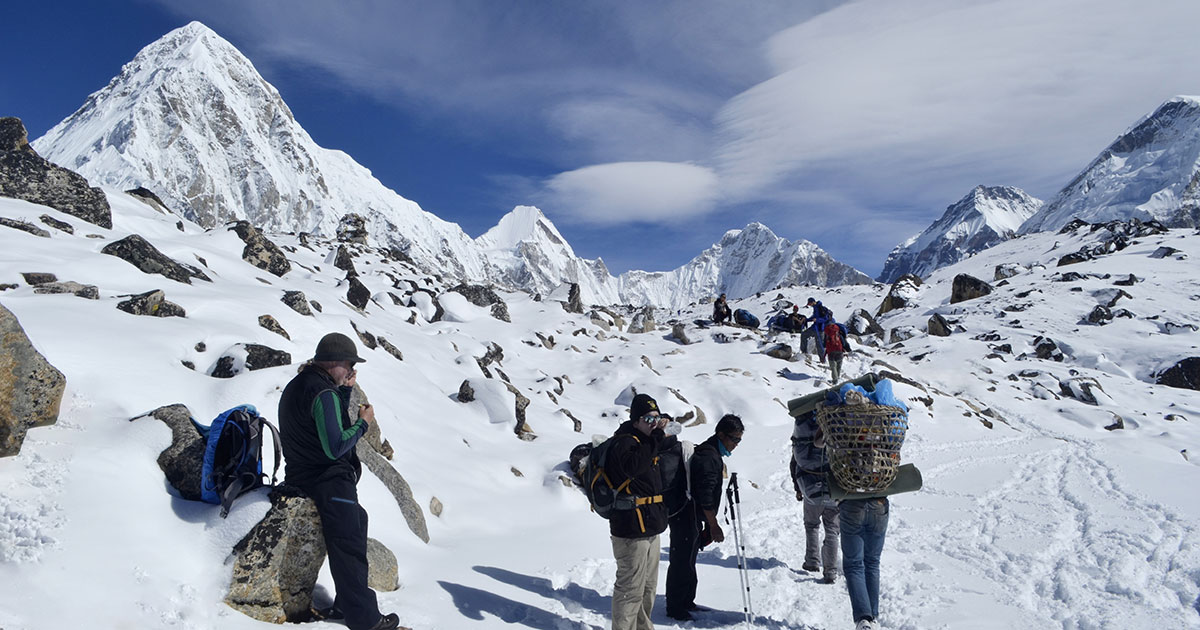
Trekking to EBC in January, the coldest month of the year, is excellent for those who want to avoid other people. The temperature ranges from -2.8 to -19.6 degrees Celsius with sunlight hours of 5-7. There is a higher chance of snowfall, and the temperature falls to -22 degrees Celsius at night. During this month, Lukla recorded the highest temperature of around 8.5˚C, and the lowest was recorded in Gorakshep, which is found to be -20˚C.
February: End of The Winter
Everest Base Camp trekking in February is accompanied by cold, clear mountain views and quiet trails. During the day, the weather is sunny, but early morning and nighttime temperatures are quite chilly. The temperature varies from -1 to 2 degrees Celsius in the day, while it drops from -22°C to -28°C at night. Lukla recorded the highest temperature of 10 degrees Celsius, and the lowest record of -18˚C was recorded in Gorakshep.
Advantages of EBC Trek in Winter
Trekking to Everest Base Camp in winter (December to January) offers a unique experience in comparison to the peak seasons like Autumn and Spring. It gives you a private trekking experience without any sort of distraction on the trails, plenty of time for enjoying the views of snowy mountains, along with several benefits. Choosing to trek in the EBC in winter allows you to enjoy the following advantages:
Picture-perfect Clear Views
The dry air and stable atmospheric conditions grant crystal clear views of the Himalayas with less amount of cloud and haze. This gives picture-perfect photos and videos without any blurriness. The view of snow-covered trails, frozen lakes, and streams with uninterrupted views of skyrocketing peaks.

Solitude of the Trail
It is an off-season for trekking to the base of Everest; due to this, the trekking trails are quite empty. This allows you to enjoy the beauty of this trek fully in your own way. The fewer trekkers allow you to immerse yourself in the depth of the culture and religion of the local communities. You can make a new bond with a local Sherpa and tea house owner.
Ease of Accommodation
The easily available accommodation provides a golden chance of choosing a room with mountain views and extra services. Flight services will be easily available, unlike in peak season, when the Lukla weather delays flights from Kathmandu are diverted to Ramechhap.
Trekking in winter offers discounts on packages and accommodation.
Sight of Rare Wildlife
Since the season offers less traffic and clear view, it also holds the possibility to sight rare wild animals of the Himalayas. You can experience unforgettable Everest wildlife encounters during the trails, if luck is on your side.

EBC Winter Trek Difficulty
The winter season is characterized by shorter days and longer nights. The shorter days mean less time for trekking in daylight, and the adventure becomes more hectic due to slippery trails caused by snowfall. This extreme weather gives you a lifetime experience, followed by many hardships. The unique experience of a winter trek to Everest Base Camp brings many challenges, and some of them are discussed below:
Extreme cold temperature
The temperature falls below the freezing point in the winter season during the EBC trek. Temperature varies from -5°C to 10 °C in the day, and at night it plummets to between -15°C to -25°C. Without proper preparation, there will be chances of frostbite and hypothermia in the higher altitudes.
Winter skies are so unpredictable; clouds, wind, and snowfall may occur at any time. The excessive snowfall and wind may break the branches of leaves that block the path, along with poor visibility.

The continuous snowfall at the higher altitude makes the terrain more icy and slippery. This brings many risks, which may take your life, so you need to pack crampons or micro spikes for safety. The shorter winter days make you wake up early in the morning to complete the planned route. This doesn’t mean to speed your pace but to walk steadily with proper rest.
Logistics and Accommodation
There will be issues in logistics and accommodation during winter. Due to the off-season, most of the teahouses and lodges shut their business. The open lodges and teahouses provide minimal facilities, so you need to compromise on the accommodation. Everest Base Camp winter trek cost is quite higher than the normal rate.
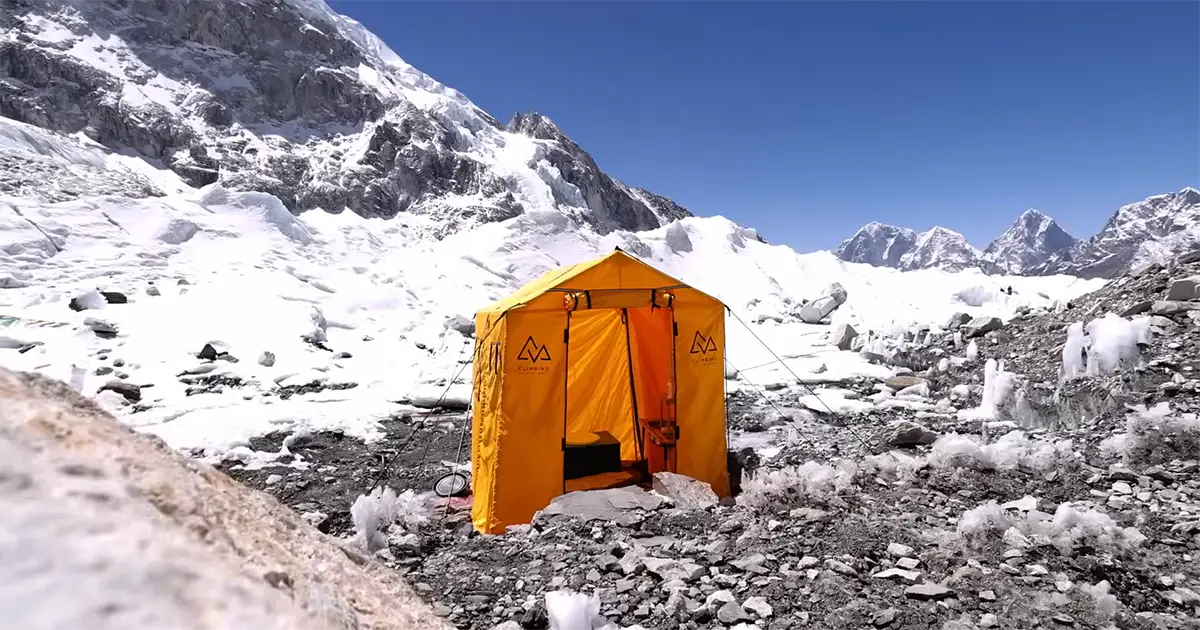
The hot showers, charger, and Wi-Fi services are limited, so you must be well prepared. You must bring your own power bank, warm sleeping bags, and other personal requirements. Snowfall and heavy winds cause low visibility, which results in flight delays or cancellations. We advised you to add extra days to your holiday if you’re booking the trek in the winter season in the Khumbu region.
Health Concerns
Everest Base Camp trek in winter requires mental as well as physical health. The excessive cold temperature and heavy winds put extra stress on your body and require enough energy to maintain your body temperature. This results in the risk of suffering from Acute Mountain Sickness.
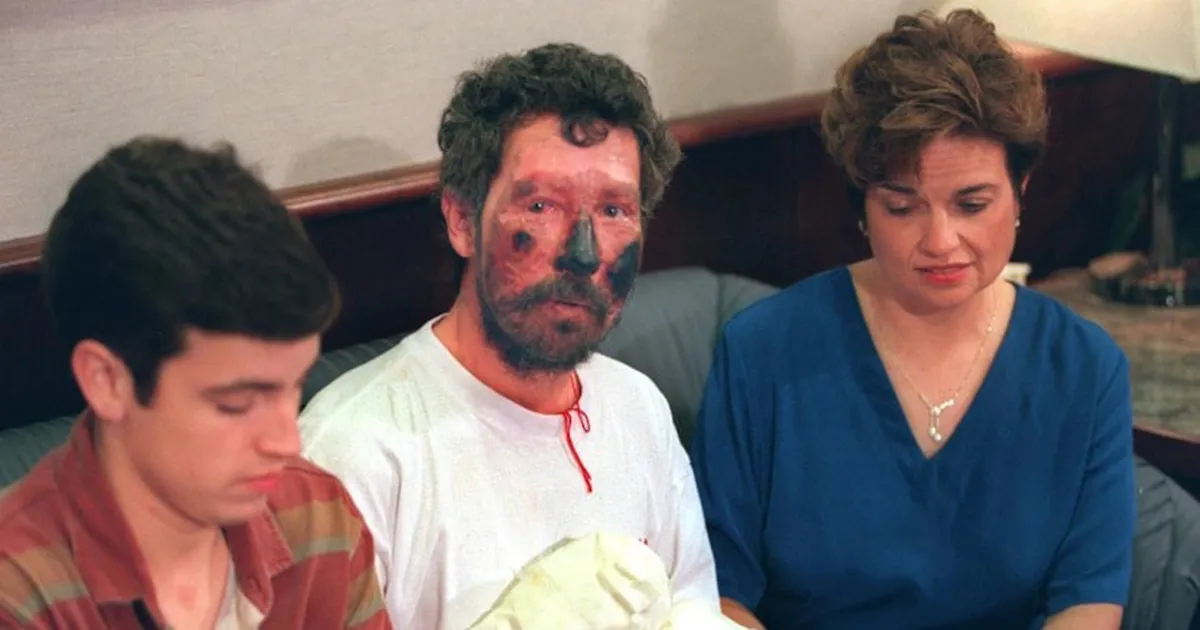
As a result, you must be prepared mentally and physically to deal with the slippery and snowy climatic conditions. To avoid AMS, you must ascend slowly and acclimatize in Namche Bazaar and Dingboche. We strictly advise you to stay hydrated and avoid any form of intoxicants and alcohol.
Tips for Trekking to EBC in Winter
The trails of Everest Base Camp in winter offer a unique adventure as well as extreme cold and adverse difficulty. With a strong motivation and preparation, one can complete their dream of reaching the base of Everest. Here are a few tips for a winter trek in the EBC.
Preparation for Extreme Climatic Conditions:
The climate in higher altitude areas like Gorakshep and Kalapathar drops to -20 degrees Celsius. Staying warm is the most important thing to do. So, packing essential clothing and gear will save you from frostbite and extreme cold. Enough preparation will ensure your safety and make your trek more enjoyable.
Pack Essential Clothing and Gear
Clothing plays a vital role in the success of trekking. Make sure to bring three layers of clothes. The base layer, which is worn next to the skin, must be merino wool or high-quality synthetics. You should pack thermal sets as a base layer. Mid-layer helps to insulate your body, so pack items like a fleece jacket, neck gaiter and balaclava, pullover, waterproof gaiter, and lightweight jacket, which can be worn during the daylight.

Make sure to add a waterproof or windproof jacket and pants as an outer layer, which can be worn in the early morning as well as in the nighttime. This will protect you from strong winds and snowfall. Also, add high quality down jacket to wear in higher altitudes like Gorakshep and Kalapatthar. Besides this, bring woolen gloves, headwear, a beanie, socks, sunglasses, and four-season sleeping bags.
Advance Booking of Teahouse and Flights:
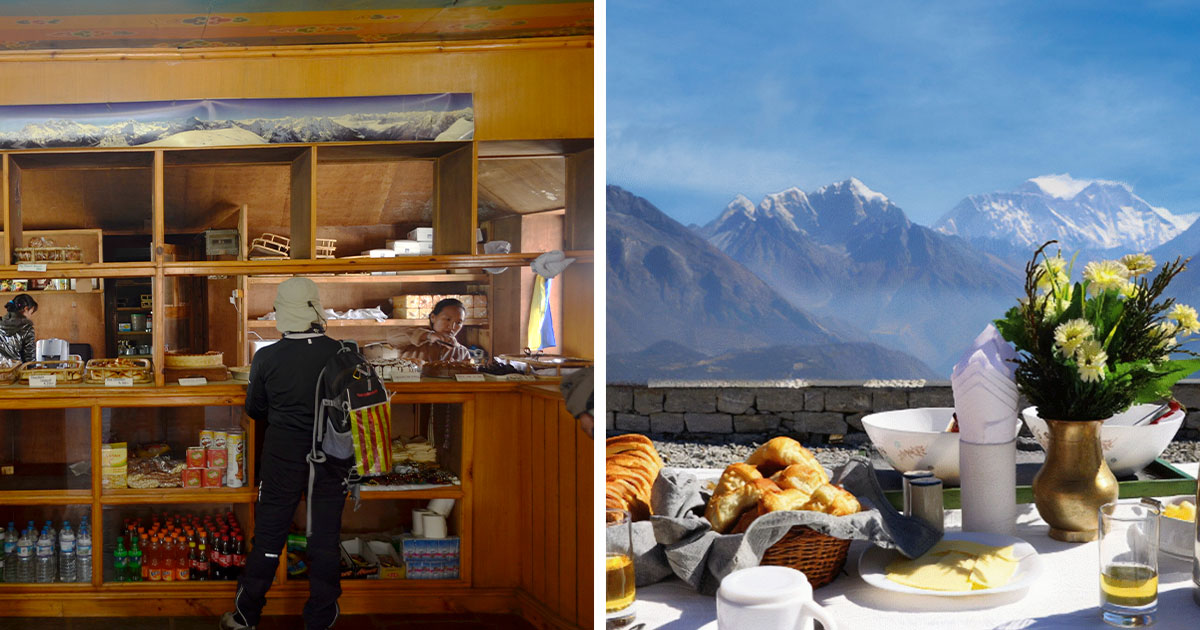
The number of trekkers in the winter season is very few, so most of the teahouses and lodges don’t bother to keep their business open. Only booking allows you to have a shelter at night. During winter, the snowfall, strong winds, and poor visibility cause flight delays and cancellations, which is why you must add extra days to your planned journey.
Stay Hydrated and Fuel Your Body
During winter, you must have 3 to 4 liters of water daily, so bring your own insulated thermos flask for keeping the water warm. The cold weather demands a high amount of energy, so bring energy bars and make sure to eat a full portion of daily foods.
Proper Acclimatization
Proper acclimatization is necessary to avoid Acute Mountain sickness. In higher altitude areas like Dingboche and Namche Bazaar, the rate of suffering from AMS is high, so bring Diamox after consulting with your doctor.
Book a Reliable Guide and Porter
The trail of EBC in winter is very icy, slippery, and covered with snow. The strong winds may rupture the trails, and you have to go through another route, so if you hire an experienced guide, they will handle the emergency very well. With a porter, you can share your baggage load, which makes your journey less hectic.
Packing Essentials for Winter Trek to EBC
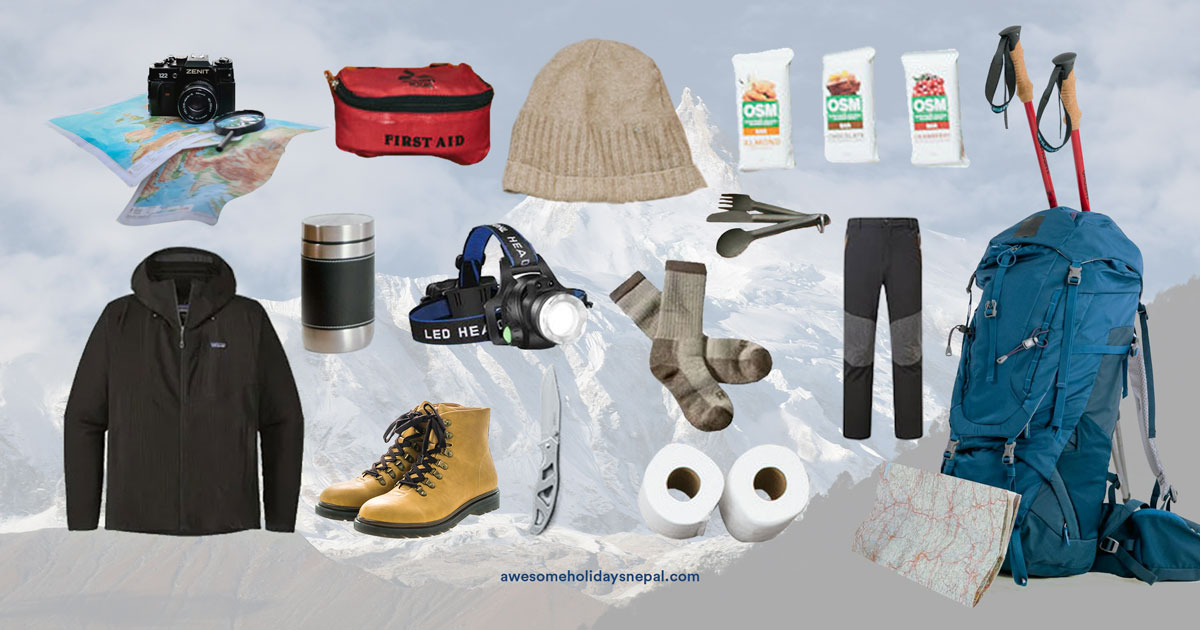
Trekking to the Everest base camp in winter requires enough packing to deal with extreme climatic conditions. The trek can be enjoyed if you pack all the essential things in advance.
Clothing Essential
It includes heavy, duty hooded, insulated down jacket rated to -20 Degree Celsius, thermal base layer set made of merino wool or synthetic materials, lightweight insulated fleece or softshell jacket, waterproof and windproof outer shell composed of GORE-TEX materials, quick drying warm trekking pants, insulated gloves, warm beanie or hat, neck gaiter/balaclava, 4 to 5 pairs of thermal socks, and waterproof gaiters.
Footwear Essentials
Pack waterproof, insulated trekking boots for supporting, Micro spikes or Crampons for walking over icy and slippery trails. Similarly, down booties are optional as it is required to keep your feet warm in teahouses.
Personal Hygiene is Essential
Essentials like biodegradable wet wipes, fast-drying towels, hand sanitizer, toilet paper, creams, moisturizer, and anti-freeze cream are very important.
Sleeping Essential
It includes a season sleeping bag rated to -20 degrees Celsius or lower, along with a sleep bag liner which adds 5°C to 10 °C warmth at night.
Essential Accessories
Some of the essential accessories required during winter are trekking poles, a headlamp plus extra batteries, UV-protected sunglasses, SPF 50 + sun cream and lip balm, a Hot water bottle, and a power bank with extra cables.
First Aid and Medication:
Bring a personal first aid box with band aids, antiseptics, blister pads, painkillers, Diamox, Diarrhea medication, and rehydration salt for stomach problems.

Documents and Money
Documents like a Passport and visas are required for permit pass, trekking permits of Sagarmatha National Park, and Khumbu municipality permits, travel insurance for emergency evacuation in higher altitude, enough cash as there are no ATMs after Namche Bazaar, and keep all the necessary documents in a waterproof pouch.
Hydration and Nutrition
Insulated water bottles, a thermos flask, are required to prevent freezing of liquid items like water, soups, tea, and coffee. Similarly, make sure to add an electrolyte tablet to avoid dehydration, and bring plenty of high-energy snacks like chocolate bars, dry nuts, and fruits.
Trek in Winter for Solitude
Trekking to Everest Base Camp in winter, from December to February, is hugely different from the peak season. The undeniable challenges like cold, snow-covered trails require physical as well as mental preparation, and enough packing. Those with prior trekking experience and, idea about the extremity of winter trails can only complete this without any hassle.
Similarly, winter makes our bodies more susceptible to altitude sickness because it takes extra energy for adaptation as a stress. It is a unique way to detox from the chaos of digitalization and the modern lifestyle. The solitude trek gives you a fresh start to your daily life.
Even though you have to compromise on accommodation and food but clear blue skies, a crystal-clear view of Everest, Lhotse, and Ama Dablam make your journey worth the time.
Dare yourself to this truly rewarding winter wonderland of the Everest Base Camp trek.
FAQs
Expand AllIs it safe to trek to Everest Base Camp in winter?
Yes, it is very safe to trek to Everest Base Camp in winter. The proper preparation, winter gear, and hiring an experienced guide add the safety of the trek. Make sure to contact, Awesome Holidays Nepal professional guide and leader for your adventure.
What is the temperature at Everest Base Camp in December?
The temperature in December is quite warmer than other winter months. In lower altitude, the daytime temperature reach to 8°C from 2°C while it drops down to -20°C at higher altitude.
Can beginners do Everest Base Camp trek in winter?
Yes ! with a positive mindset and early preparation, beginner surely complete this winter trek to EBC. Early preparation means to do a short multiple hike two weeks before an actual trek followed by packing essential clothing and gears.
What to pack for Everest Base Camp winter trek?
The winter trek to Everest Base Camp includes packing of enough clothing, footwear, personal hygiene, sleeping essential, and trekking accessories. Similarly, also pack first aid, medication, documents, enough money, hydration, and nutrition.
How cold does it get on Everest Base Camp trek in January?
January is the coldest months of winter trek in the EBC. The daytime temperature fluctuate below freezing points, -2.8°C to -19.6 °C while it plummets to -22°C at nights.
Are teahouses open on EBC trek in winter?
Yes, but only teahouses will be open on EBC trek in winter. We advised you to do an advance booking and you have to compromise for the extra accommodation facilities during winter in the higher altitude.
Do I need special gear for winter EBC trek?
Yes, special gear is added for winter EBC trek. The cold temperature demands layered clothing like couple of thermal set, woolen gloves, beanie, and socks, windproof jacket, and waterproof boots.
Is Everest Base Camp crowded in winter?
No, Everest base camp trek is not crowded in winter. There are few adventurer who loves to enjoy a peaceful and solitary trek. Also, most of the trekkers avoids this off-season trek which results in empty trails.
What are the risks of trekking EBC in winter?
Trekking in winter bring many possible risks like icy and slippery trails, frostbite, hypothermia, trails blockage by fallen trees, flight delays or cancellation, and poor vision. Similarly, heavy cold causes increase the rate of altitude sickness.
How many days does winter EBC trek take?
It takes 12 to 18 days to complete the winter trek in EBC. The shorter daylight, flight problem, and arduous terrain add extra days on the usual 14 days hike.
Is travel insurance mandatory for winter EBC trek?
Yes, travel insurance is mandatory for winter EBC trek. It is compulsory throughout the year. The travel insurance will help you evacuate if you suffer from extreme altitude sickness during the trek.
Can you see Everest clearly in winter?
Yes, clear winter skies gives the perfect view of Mount Everest. The lower humidity and less clouds give the crystal clear view of highest peak of the world. In addition to this, you will get a clear sunrise and sunset view which is ideal for photography.
Are flights to Lukla canceled often in winter?
Yes, Lukla flights often get cancelled during the winter. Heavy snowfall, poor visibility, and fog is the reason behind this flight cancellation.
What is the best month to trek EBC in winter?
December is best for trekking in the Everest region because it is the beginning of winter and the temperature is quite bearable for hiking. The skies are clear, there is less chances of snowfall which provides a clear view of panoramic mountains.
Do I need a guide for Everest Base Camp in winter?
Yes, you will need guide as well as porter in the Everest base camp trek. The porter and guide are two individual, former one will help you carry your heavy baggage while the later one will help you show the path and give you enough information regarding the journey.
Are permits available for EBC trek in December?
Yes, EBC trek demands permits in December. You must have the Khumbu Pasang Lhamu Rural Municipality Permit and the Sagarmatha National Park Entry Permit. The permits can be purchased in Kathmandu or checkpoints like Monjo or Lukla.
How much does Everest Base Camp winter trek cost?
The costs ranges from $1200 to $3,000 USD for winter trekking to EBC. This rate could go higher depending on your luxury and extra expenses.
Is altitude sickness worse in winter at EBC?
The cold weather, dry air, icy landscape of winter in higher altitudes make the altitude sickness worse. Make sure to pack enough winter clothing as well as warm footwears.
What food is available during winter EBC trek?
During winter, the dishes will be prepared from frozen vegetables items because there is less productivity in the Everest region. You will have three time meals a day, breakfast includes porridge, bread, eggs, pancakes served with hot beverages like tea, coffee, hot chocolate, and traditional butter tea.
Lunch and dinner includes tradition Nepali dish Dal Bhat served with lentils and other side dish like vegetable curries, pickles, and sometimes meat. You can also order other items liker Momo, Chow Mein, Thukpa, Pizza, Spaghetti, Pasta, and traditional noodle soup.
Can solo travelers trek EBC in winter safely?
No, solo travelling to Everest Base Camp trek is very risky. We advised you to hire a experienced guide if you’re travelling alone in winter season. They will guide you in a arduous terrain and show alternative path in case of blockage.
Related blog posts
Discover a choice of tourist destinations loved by most of our visitors. Whether you're on a jungle safari to spot rare animals or walking through a world heritage site, these well-planned itineraries cover the major highlights of Nepal.
 call an expert at: