
The First Woman to Climb Everest: Junko Tabei’s Inspiring Journey

 Sujata Pokhrel
Everybody knows Edmund Hillary and Tenzing Norgay Sherpa, but who was the first woman to climb Everest? Well, many do not know it yet!
Born in 1939, Junko Tabei is the most inspiring Japanese woman who broke through patriarchal norms by becoming the first woman to climb Mount Everest on 1975 May 16. Her endeavors are not limited to Everest but go beyond the highest peak and the societal norms of that time.
Let’s review the blog to learn about the struggles and events that led to the historic ascent by the first woman to climb Everest.
Junko Tabei Biography: Everything to Know
Junko Tabei was originally known as Junko Ishibashi and was born in Miharu city of Fukushima Prefecture of Japan, on September 22, 1939. Grew up as a quiet yet curious kid, Junko hadn’t known about mountain climbing until she was in university. She had initially planned to be a teacher after graduating, but fate had something else in store.
When Junko was 10 years old, she took a school hiking trip to Mount Mashu and often talked about this as a factor that made her fall in love with mountains. But mountaineering was supposed to be totally a manly thing till then. However, Junko was keen to climb mountains and change people’s perspective on women in sports and mountaineering.

Thus, after graduation she joined a mountaineering club to pursue her dream of conquering the peaks despite the demotivation from fellow male climbers. And this is how her mountaineering journey begun.
Struggles Before Mountaineering
Even though Junko Tabei was the first woman to climb Everest, it wasn’t her only achievement. She began her alpine journey by climbing the tall mountains of Japan including Mount Fuji as soon as she joined the climbing club.

She climbed on several mountains in the Japan despite facing the constant mocking from people that she was pulling off the stunt for finding husband. Even as the best performer with a good endurance and climbing skills, she still faced gender-based discrimination in the post-war society at that time.
Yet she continued, growing more stronger with every challenges she faced and hardships she endured. Later in 1965 she met a fellow climber Masanobu Tabei who shared the similar passion for mountaineering and married him. She did receive some encouragement from her husband but the society still questioned her desire to climb the mountain overseas.
After facing skeptism and biasedness, Junko decided to establish a climbing club of her own to encourage women to go beyond boundaries to pursue the mountains. In 1969, she collaborated with few other Japanese women and established a women’s climbing club called ‘”Joshi-Tohan Club”.

The motto of this club was to go on an overseas expedition on own self without any support or assistance from men.
Junko Tabei’s Everest Expedition 1975
Junko’s Everest expedition wasn’t the first expedition she did through the Joshi-Tohan club but it indeed was a notable one. She made a history by being the first woman to summit Everest and opened up the ways of expedition for more woman to come in the future.
She begun her journey from Japan in 1975 with a group of 15 women and face a lot of logistical and financial challenges. Many sponsors who usually funded men on their expedition rejected their appeal saying such missions are too dangerous.

However, these woman with a strong determination didn’t give up easily and collected donations, and sew their own expeditions clothes and used recycle gears to go on this adventurous mission.
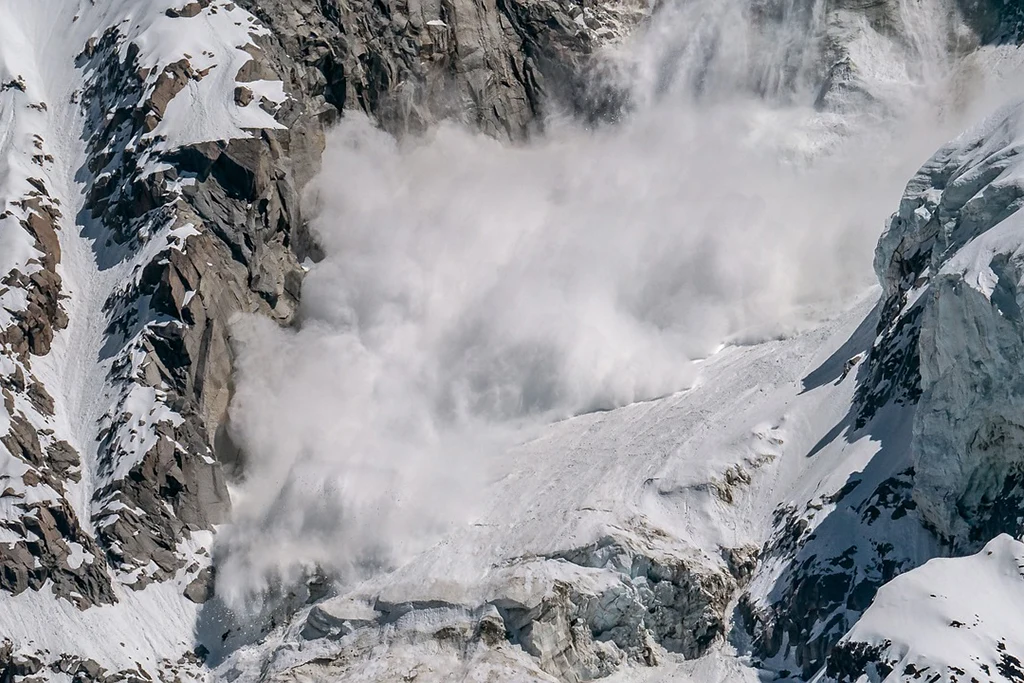
Even after climbing the mountain, nature wasn’t easy on her. On May 4, 1975 she was washed away by an avalanche while waiting on in a camp at 6300 meters. She was buried under the snow and became unconscious. Her fellow team members rescued her from the disaster and had to descend for recovery.
But soon after she recovered in 2 days, she continued her expedition and successfully summited the highest peak of the world on May 16, 1975. This achievement of a Japanese woman symbolized persistence, immense courage and a stronger resilience.
Junko Tabei’s Motivation for Climbing Everest
The main motivation of Junko for climbing Everest was the deep rooted societal norm that prevented women from any kind of sports activities. She took on this difficult challenge to change this fate forever.
Despite being proficient in the sports, she faced a lot of humiliation from fellow team members. Some men directly denied from climbing with her just because she was a woman. Thus, determined to change such a discrimination, she led a group of woman despite the hardships to climb Mount Everest.

But for her, more than fame this journey was about getting to do what she wanted to. She deeply believed woman can do any challenging task. Besides, she was keen to test her own limits and hence she dared to be the black sheep of the generation with a belief “mountains are fir everyone”.
Challenges Faced by Junko Tabei on Everest
Junk faced so many challenges way before beginning her ascent to Everest. From longer waiting lists on permits to sudden avalanches causing her to return back, there were many hurdles on her journey. Here are some of the difficulties Junko Tabei faced on Everest:
- Financial hardships even before starting the expeditions. She took piano lessons and made her own climbing equipment to prepare her team for extremity of Everest.
- Public criticism from the society of that time was the biggest challenge Junko faced. People even blamed her of leaving her family for pursuing a person dream.
- A massive avalanche that injured her just at an elevation of 6300 meters presented a physical adversity on her summit glory. Yet she pushed herself beyond all challenges.
Junko Tabei’s Mountaineering Achievements
Junko’s mountaineering achievement doesn’t just limit to Everest. Before summiting the highest peak of the world, she did explore the other mountains in Japan and Nepal. While she summited all peaks in Everest, in Nepal she first climbed the Annapurna III located at an elevation of 7555 meters (25786 feet) from sea level. Her team accessed this peak from the south side using a new route. The summit made her the first woman and first Japanese to ascend Everest.
Junko Tabei’s Seven Summits Journey
After glorifying women on top of Everest, Junko just didn’t stop. She continued her mountaineering pursuit and summited all the highest peaks in seven continents all around the globe. This Japanese lady conquered all seven summits in 1992 making a history as the first woman to complete this difficult task. Even till date, climbing enthusiasts consider Seven summit a glorious achievement on mountaineering.
Following are the lust of peaks and date she ascended them on:
Mount Kilimanjaro in Africa: February 1980
Mount Aconcagua in Argentina: February 1987
Mount Denali in Alaska: June 28, 1988
Mount Elbrus in Russia: August 12, 1988
Mount Vinson Massif in Antarctica: December 30, 1991
Puncak Jaya in Indonesia: June 28, 1992
Junko didn’t stop after this record breaking summit of Everest. Instead she continued to climb more peaks but never asked for corporate sponsorships after Everest. She made public appearances, tutored kids, guided mountain tours to fund her dream of ascending highest peaks on the world. In later years, she also worked as a environmentalist after graduating with a degree in Environmental degradation from Kyushu University.
Other Inspiring Stories of Female Mountaineers
Being inspired by Junko’s challenging yet successful ascend over Everest, many other women dared to set their foot on alpine clubs. Evne the women in Nepal climbed the Everest and made records. Some of the remarkable record makers are:
Pasang Lhamu Sherpa (Nepal): The first Nepali woman to summit Mount Everest in 1993. She even has a peak named after her as Pasang Lhamu Chuli.
Gerlinde Kaltenbrunner (Austria): The first woman to climb all 14 of the world’s 8,000-meter peaks without supplementary oxygen.
Lhakpa Sherpa (Nepal): Holds the record for the most Everest ascents by a woman (10 times).
These women, inspired by pioneers like Tabei, continue to challenge stereotypes and prove that adventure knows no gender.
Woman with A Vision
Junko Tabei wasn’t just the first woman to ascend Mount Everest successfully, she was a visionary who built a step for women in mountaineering and basically adventure sports. Her life itself as a journey that teaches people to always focus on your preset goals and defy societal norms if it’s what takes you to achieve your dream.
Despite fighting the mountains so bravely, she eventually succumbed to peritoneal cancer. After battling the cancer for years since it was diagnosed in 2012, she died at the age of 77 on October 20, 2016.
Even though Junko is no more, here legendary vision has been a reason many woman dare to ascend mountains around the world and make records.
Dare to dream!
Did Junko Tabei’s inspiring journey motivated you to climb Everest or explore the areas around? If so, check some of the top Everest trekking itineraries.
FAQs
Expand AllWho was the first woman to climb Mount Everest?
The first woman to climb Mount Everest was Junko Tabei from Japan. She reached the summit on May 16, 1975, becoming the first female climber in history to stand atop the world’s highest peak (8,848.86 m).
When did Junko Tabei climb Everest?
Junko Tabei summited Mount Everest on May 16, 1975, at around 12:30 PM Nepal Time. Her climb was part of the Japanese Women’s Everest Expedition (JWEE), the first all-female expedition to attempt the peak.
What inspired Junko Tabei to become a mountaineer?
Junko Tabei was inspired by her childhood love for nature and mountains. She went on her first hike at age 10 and was captivated by the experience. Despite social norms in post-war Japan discouraging women from adventurous pursuits, her deep curiosity and determination to challenge herself led her to pursue mountaineering.
How did Junko Tabei overcome challenges on Everest?
Tabei faced severe gender discrimination, funding difficulties, and life-threatening conditions. During the 1975 climb, an avalanche buried her at Camp II (6,300 m), but she was rescued by teammates and continued climbing despite injuries and exhaustion.
What year did Junko Tabei conquer the Seven Summits?
Junko Tabei conquered the seven summits in 1992 and made a record as the first woman to do so.
Who were the members of Junko Tabei's Everest team?
Junko Tabei’s Everest team consisted of 15 Japanese women who were all part of Japanese Women’s Everest Expedition. It also consisted of 6 sherpa guides and key members included:
- Junko Tabei (climber and eventual summiter)
- Eiko Hisano (team leader)
- Ang Tsering Sherpa (Tabei’s climbing partner to the summit)
What route did Junko Tabei take to climb Everest?
Tabei’s team used the South-East Ridge route, the same route first taken by Sir Edmund Hillary and Tenzing Norgay Sherpa in 1953. The expedition began from the Nepal side of the mountain, passing through the Khumbu Icefall, Western Cwm, Lhotse Face, South Col, and finally to the summit.
How old was Junko Tabei when she climbed Everest?
Junko Tabei was 35 years old when she summited Mount Everest on May 16, 1975.
Did Junko Tabei face any major accidents during her climbs?
Yes. The most serious incident occurred during her Everest expedition in May 1975, when an avalanche buried her under snow at Camp II. She was rescued by teammates and, despite injuries, continued to reach the summit. She also endured extreme weather and physical exhaustion on other climbs but was never fatally injured.
What awards did Junko Tabei receive for her mountaineering achievements?
Junko Tabei received numerous national and international honors, including:
- Yomiuri Prize for Literature (2000) for her writings on mountaineering
- Order of the Sacred Treasure (Japan, 2012) for contributions to sports and the environment
- Recognized by the Nepal Mountaineering Association and Guinness World Records for her pioneering achievements
How did Junko Tabei's Everest climb impact Japanese mountaineering?
Junko Tabei’s Everest climb transformed the landscape of Japanese mountaineering. It inspired a surge in women’s participation in adventure sports and helped challenge gender stereotypes. After her climb, more women’s mountaineering clubs and expeditions emerged in Japan, reflecting a shift toward inclusivity and empowerment in the sport.
What was Junko Tabei's most difficult climb besides Everest?
Besides Everest, one of her toughest climbs was Mount Vinson Massif (Antarctica) in 1991. The extreme cold, isolation, and logistical challenges of Antarctica made it physically and mentally demanding.
Did Junko Tabei climb Everest solo or with a team?
Junko Tabei climbed with a team, not solo. She summited alongside Ang Tsering Sherpa, her guide and climbing partner. Her success was the result of teamwork and the collective effort of the Japanese Women’s Everest Expedition (JWEE).
How did Junko Tabei balance mountaineering with her personal life?
Tabei managed both her passion for climbing and her role as a mother and wife. She married Masanobu Tabei, a fellow mountaineer, and together they shared an understanding of the sport’s demands.
What legacy did Junko Tabei leave in the world of mountaineering?
Junko Tabei’s legacy is one of persistence, humility, and equality. She shattered gender barriers, inspired generations of women climbers, and advocated for environmental conservation through the Himalayan Adventure Trust of Japan. She used to say, “Do not give up. Continue your own path and do what you love”.
Related blog posts
Discover a choice of tourist destinations loved by most of our visitors. Whether you're on a jungle safari to spot rare animals or walking through a world heritage site, these well-planned itineraries cover the major highlights of Nepal.



 call an expert at: