
Why Add Manaslu Tsum Valley Trek? The Hidden Gem of the Manaslu Region
 Amrit K. Aryal
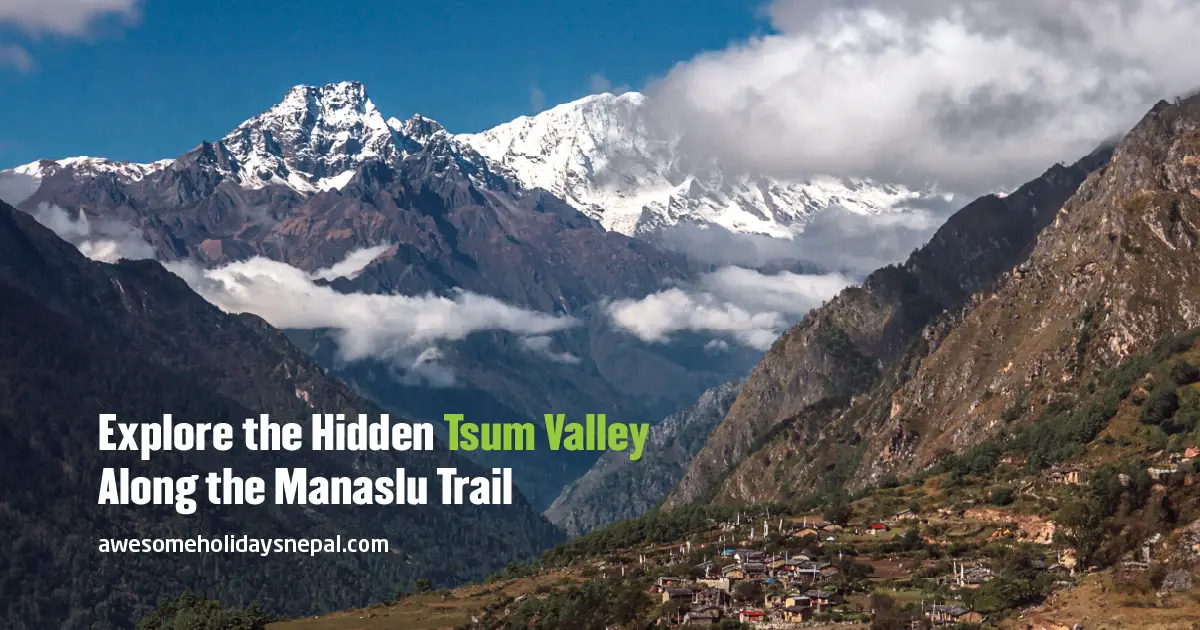
The Manaslu Tsum Valley Trek is another popular yet less-traveled trekking trail. This Trek is a journey into one of Nepal’s most spiritual regions of the Himalayas. Hidden within the Manaslu Conservation Area, the Tsum Valley is often referred to as a “hidden treasure” in the isolated region of Manaslu.
It is a pristine journey to the isolated cultural integrity of Tsum. Known for its peaceful and authentic rural experience, it is an alternate choice for trekkers, unlike the busy trails of Everest or Annapurna. Tsum Valley lies in the hidden corner of Gorkha District of Nepal, sharing a border with Tibet, and the trek to Tsum was open for foreigners only after 2008.
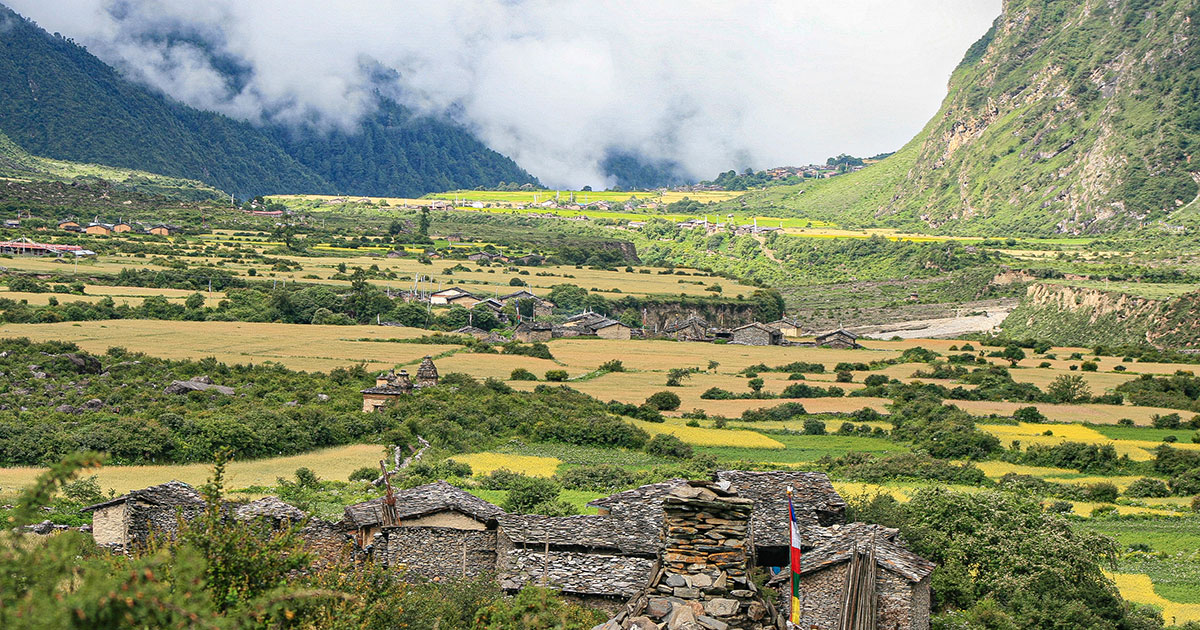
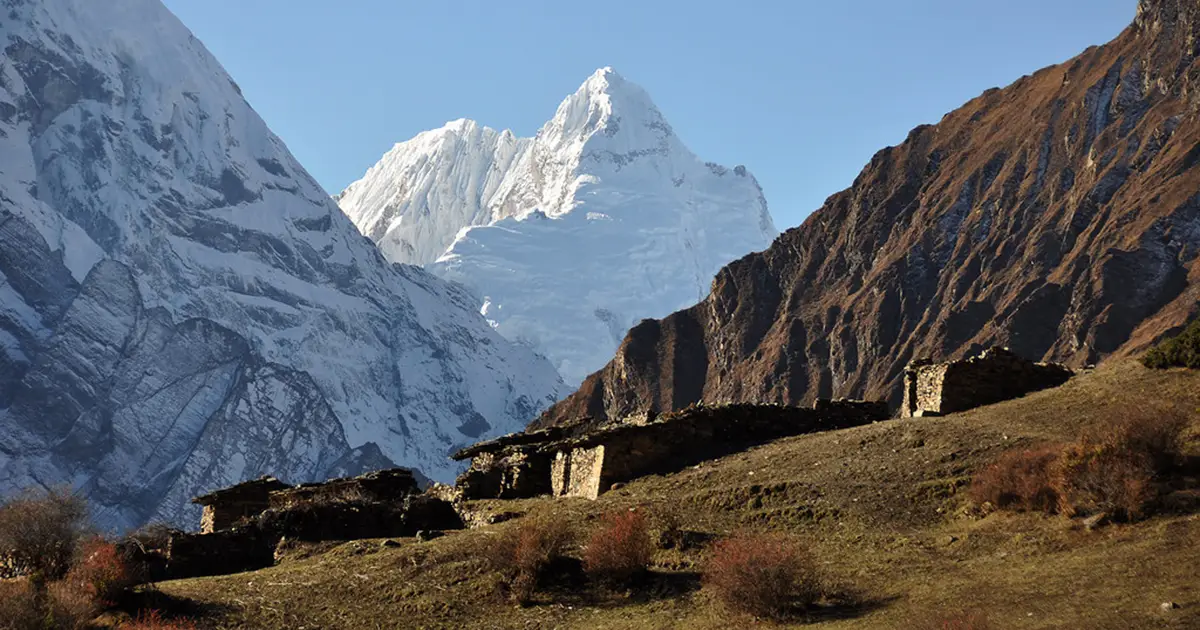
The Valley of Tsum is deeply linked with Buddhist monks and Bons. It is home to Mu Gompa (3,700 m), known for its oldest monastic structure as well as a nunnery called Rachen Gompa. There is an ancient cave connected with Buddhist guru Milarepa. These cultural landmarks, combined with the spectacular views of Boudha Himal, Ganesh Himal (7422 m), Shringi Himal (7165m ), the Kipu Himal range, Pasuwa Himal (6177 m), Kiyong Peak (5232 m), and other mountains in the area, make the area a spiritual sanctuary.
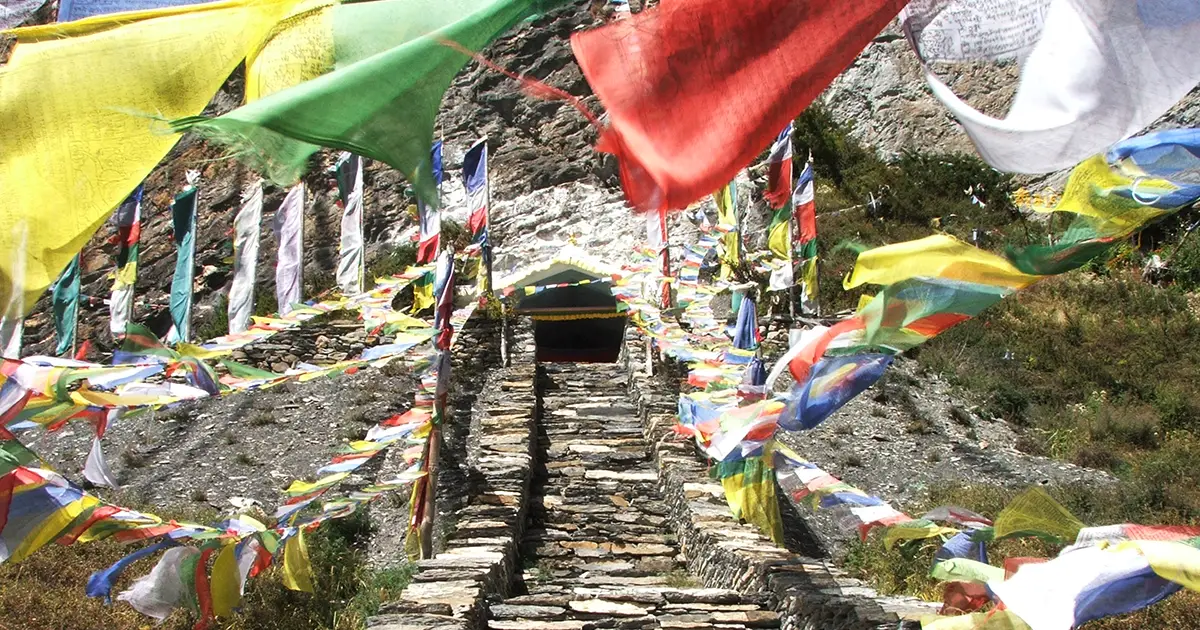
The remoteness of the valley is what protects the cultural dilation from mass tourism. Limited infrastructure may not be good for development, but it preserves the authentic Tibetan tradition of the Nubri region. The people of Chhekampar and Nile village are known for their warm hospitality and cultural sharing. The traditional farming and participation in monastic Buddhist rituals, natural landscapes, and pristine spiritual insight make the Tsum Valley a hidden gem in the Manaslu Tsum Valley trek.
How to Add Tsum Valley to the Manaslu Trek?
Soti Khola or Machha Khola is where the trek starts. Walking along the river, valleys, and terraced fields, walking for next week takes you to the Tsum Valley. Adding Tsum Valley to your regular Manaslu Circuit Trek requires an addition of 5-6 days to extend the trek.
Why this extension? Is it worth? This extension adds a unique cultural experience, helps trekkers to spend more time in remoteness, and trekkers can acclimatize to adopt a strategy for crossing the Larkya La Pass (5,106 m), the highest point on the trek.
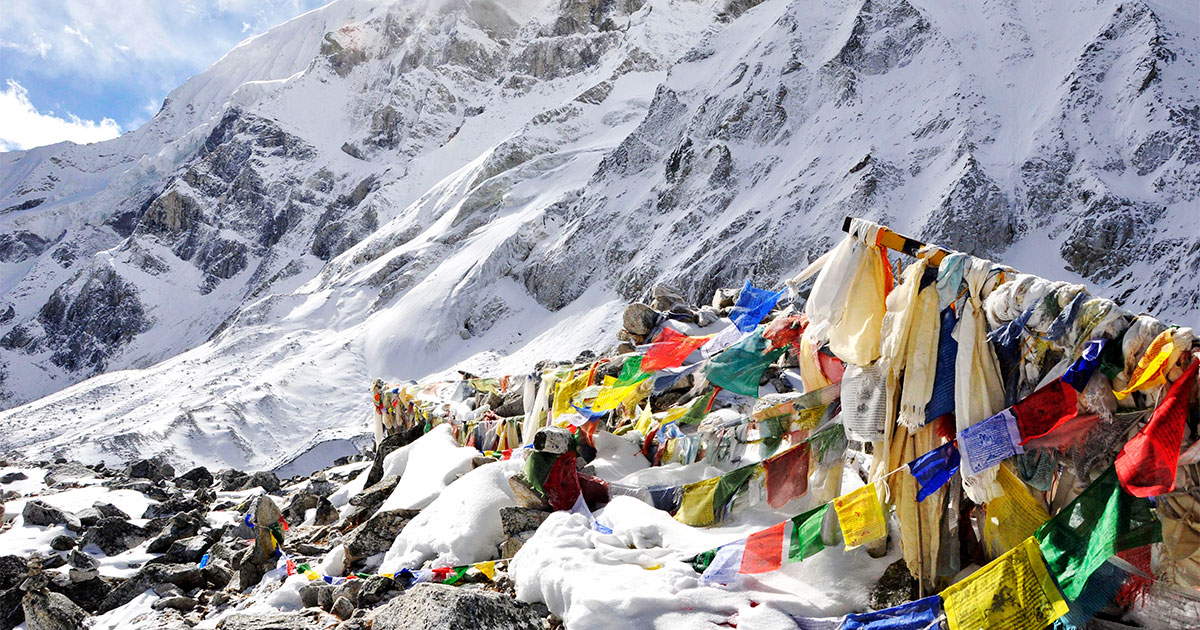
Extending the trek to Manaslu Tsum Valley allows trekkers to immerse themselves in villages, festivals, and monasteries for a spiritual journey and provides a moderate pace. This is a perfect mix of culture and adventure. Tsum Valley offers calm, ancient cultural alleys, while the Manaslu Circuit Trek focuses on high-mountain challenges and magnificent landscapes. Hikers share their experience of a combined trek, two destinations in one single package. One exhilarating high-altitude experience of the Manaslu Circuit, with a mix of cultural tour of Nepal’s Tsum Valley.
Thing to Know About Tsum Valley Trek
Difficulty & Altitude: Valley Trekking
The lower villages of Tsum Valley stand at 2,000 meters, whereas Mu Gompa, the valley’s highest spot, is about 3,700 meters above sea level. This trek is considered to be moderate to challenging. Walking through the alleys of the Tsum villages feels easier than crossing the Larkya La Pass on the Manaslu Circuit.
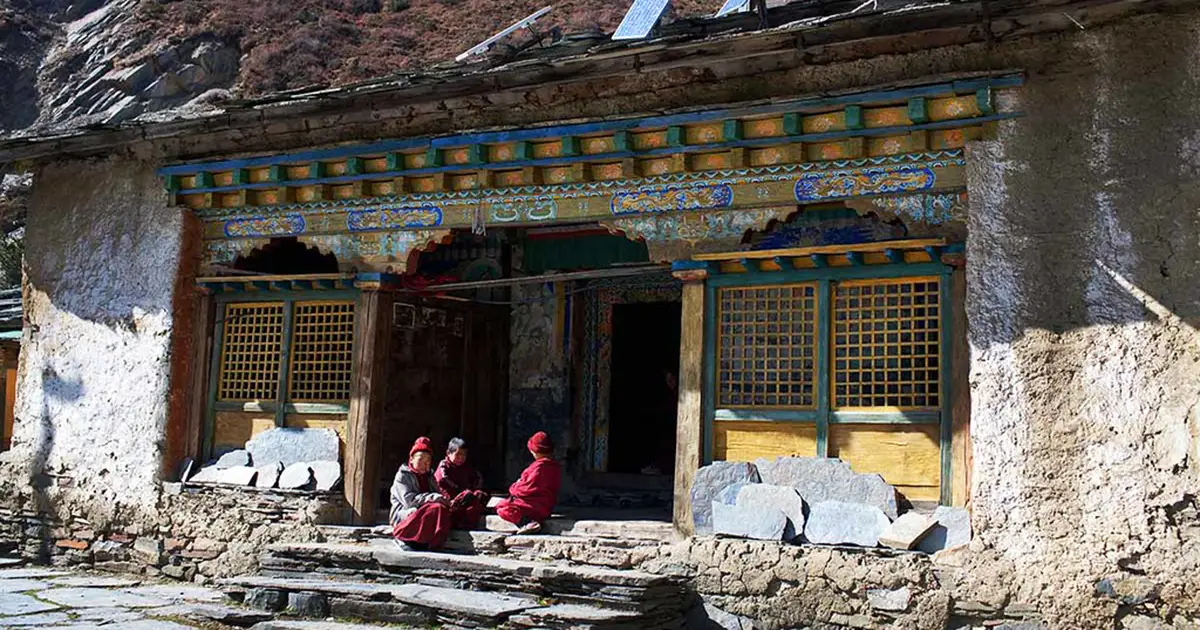
Walking through the alleys, mud, and rocky roads allows the body to get adjusted to higher elevations, reducing the risk of altitude sickness. You do not need to be a super athlete to trek to Tsum Valley Trek, but you still need to be physically fit to trek for several days.
Best Time to Trek Tsum Valley in Nepal
The best time for the Manaslu Tsum Valley trek is during the spring (March to May) and autumn (September to November) seasons. Spring is also liked for lush rhododendrons blooming across the hillsides, mild temperatures, with a clear sky. The majority of the festivals in Nepal fall in this season. This could be an ideal time for trekking with cultural activities, offering chilling mountain breezes, stable weather, and some of the best visibility of the peaks in the north.
The temperatures remain between 15 and 20°C during the day, with colder nights in higher villages. But trekking during the monsoon (June to August)? No way. It is not recommended. Trekking in the rain, a slippery, muddy road, accompanied by leeches. Nobody dares it. Similarly, the case is for winter (December to February) as the trails are blocked by thick, fluffy snow.
Permits and Regulations
So the Tsum Valley part is a kind of special area, not open like the other treks. You can’t just walk in by yourself. The whole trail sits inside the Manaslu Conservation Area, and the Tsum Valley comes under the restricted zone. That means you need to apply for at least two people for the permits.
You are required to have a conservation area permit (MCAP) and another one for the restricted valley (RAP). This must be secured only from a trusted registered trekking company in Nepal. They will also fix a guide for you, that’s part of the rule. It’s not only about control, it’s mostly to keep trekkers safe and to make sure the old villages and the local culture don’t get messed up.
Itinerary: Manaslu and Tsum Valley Trek
The Tsum Valley with the Manaslu trek it’s not short. Most ppl take like 18 to 21 days, sometimes more if they walk slowly. You can do it faster, 13 maybe 15 days, but then you just hurry and miss a lot of things.
The walk usually starts from Soti Khola or Machha Khola, the trail kinda follows the Budhi Gandaki River all the way up. Near Philim or Lokpa, there’s a turn that heads inside Tsum Valley, quieter, more open. old villages, fields, stone walls, that kind of calm.
After exploring the valley, you come back on the Manaslu route, go up to Samagaun, rest there a day or two coz of the altitude, then Samdo and the big climb over Larkya La pass. After the pass, everything drops down, soft hills again, trails sliding into the Annapurna side till you reach Tilje and Dharapani.
Cultural and Natural Highlights
People mostly add the Tsum Valley for the cultural part. If luck favors, with right timing, there are small festival gatherings where monks and villagers gather in the monastery yard, beating drums, wearing masks, dancing, chanting, and making offerings to Buddha. It’s a part of their ritual, just happens as part of their life, which makes it even better to watch quietly from the edge.
Some trekkers get lucky with wildlife, too. Encounter blue sheep on the slopes, maybe a Himalayan thar balancing on rocks, and big lammergeiers floating way above the cliffs. The mix of all that, ancient culture, wide valleys, and mountain light, makes the Manaslu Tsum Valley trek feel different from any other route in Nepal.
Accommodation and Food in Tsum Valley
Food up here is not fancy, but is good for climbing high. Most teahouses cook what they grow, simple stuff, warm and heavy enough to keep you energetic for the day. Dal bhat (rice and lentil soup), a bit of curry, some green leaves, maybe a spoon of ghee, if you’re lucky. It’s the kind of meal that fills you slowly and keeps you walking for hours. People say it helps with the altitude, too. Something about the salt and the carbs, maybe they’re right.
Sometimes they make Tibetan bread in the morning, or noodle soup when the air’s cold. You get Momo and yak butter tea that smells stronger than coffee, but grows on you after a few cups. Since everything’s carried up by mule or by someone’s back, prices climb with the trail. So yeah, bring a few snacks, nuts, dry fruits, and something sweet for breaks. The food isn’t about choice here, it’s about heart. Every meal feels like someone’s handing you a piece of home.
Why You Shouldn’t Miss Tsum Valley?
Tsum Valley, that’s the bit you shouldn’t skip. It’s quieter than Everest or Annapurna, feels softer somehow. The trails twist through rock and light, through villages where people still smile at strangers. no rush, no crowd, just wind, bells, prayer flags. It’s the kind of place that stays in your head long after you have left it.
Practical Tips for Trekking the Manaslu Tsum Valley
- Pack layered clothing, good sturdy boots, trekking poles, sunscreen, sunglasses, a headlamp with batteries, a camera, and charging facilities.
- As medical help is scarce in the region, carry personal medicines and a first-aid kit, and consult your doctor to take medicines like Diamox.
- The trails are quiet with very few trekkers, offering peace and solitude.
- Increase your health and fitness by regular physical exercise, increasing stamina.
- Respect local cultures, and always seek permission before taking photos and videos.
- Do not touch religious relics, and always circumambulate in the clockwise direction around stupas and mani walls.
Final Thoughts: A Trek with Deeper Meaning
Manaslu Tsum Valley trekking is an over-the-top experience, a spiritual journey into one of the most holy and remote regions of Nepal. Snow-capped mountains enclose peaceful villages of the Nubri people, chanting monasteries, and Tibetan-Buddhist prayers still being observed on a day-to-day basis. In contrast to the overwhelming trails of Annapurna or Everest, space, quiet, and genuineness are present in the Tsum Valley.
For the trekkers looking for a trail that offers a mix of nature and culture, this forgotten valley is a choice that goes unnoticed. It provides the opportunity to dawdle, experience life in the villages, and see the Himalayas in their purest form. If well prepared and guided, this trek can prove to be challenging but well worth it.
If you are willing to witness the spiritual and natural beauty of this virgin gem, Awesome Holidays Nepal is willing to assist you with the ideal Manaslu Tsum Valley trek. With trained guides and carefully designed itineraries, your trip into this magnificent part of the Himalayas will be secure, illuminating, and rewarding.
Related blog posts
Discover a choice of tourist destinations loved by most of our visitors. Whether you're on a jungle safari to spot rare animals or walking through a world heritage site, these well-planned itineraries cover the major highlights of Nepal.

 call an expert at: